Reviews of Carriage Hill Bethesda Health & Rehab present a polarized picture. Many families and residents praise the facility’s rehabilitation services, several members of the therapy team, and an overall warm, family-like atmosphere. At the same time, a substantial set of reviews describe operational shortcomings that affect clinical reliability and family confidence. Prospective residents should weigh the facility’s clear strengths in therapy and hospitality against recurring concerns about nursing, medication processes, and operational consistency.
Care quality and clinical oversight: The facility receives repeated commendation for its physical and occupational therapy programs — therapists are described as proactive, skilled, and central to successful discharges home. By contrast, nursing and medical oversight is reported as variable. Reviews indicate inconsistent responsiveness to clinical needs, slow call-button response times, and instances of delayed or mistimed medications. These observations translate to a facility-level pattern of uneven clinical reliability: strong rehabilitation capability paired with inconsistent skilled-nursing performance. Families should clarify nurse-to-patient ratios, medication administration protocols, and after-hours clinical coverage when evaluating placement.
Staff and management: Many reviewers describe caregiving staff and specific administrators as compassionate, courteous, and helpful; admissions and social-work staff receive particular praise for transition support. However, other accounts describe gaps in communication, contradictory information from staff, and unresponsiveness from management when concerns arise. This mixed picture suggests variability in leadership visibility and follow-through. Prospective families may benefit from direct conversations with unit managers and social work about communication practices, complaint resolution, and access to medical records.
Dining and activities: The dining experience is inconsistent across reviews. Several families note a varied menu and diet-appropriate choices, with positive mentions of soups and some meals; other reports emphasize poor meal quality, burned or processed items, and failures to follow dietary restrictions. Activities and group therapy are generally described as engaging and contribute to a positive corridor atmosphere; activity programming appears to be an operational strength for resident quality of life.
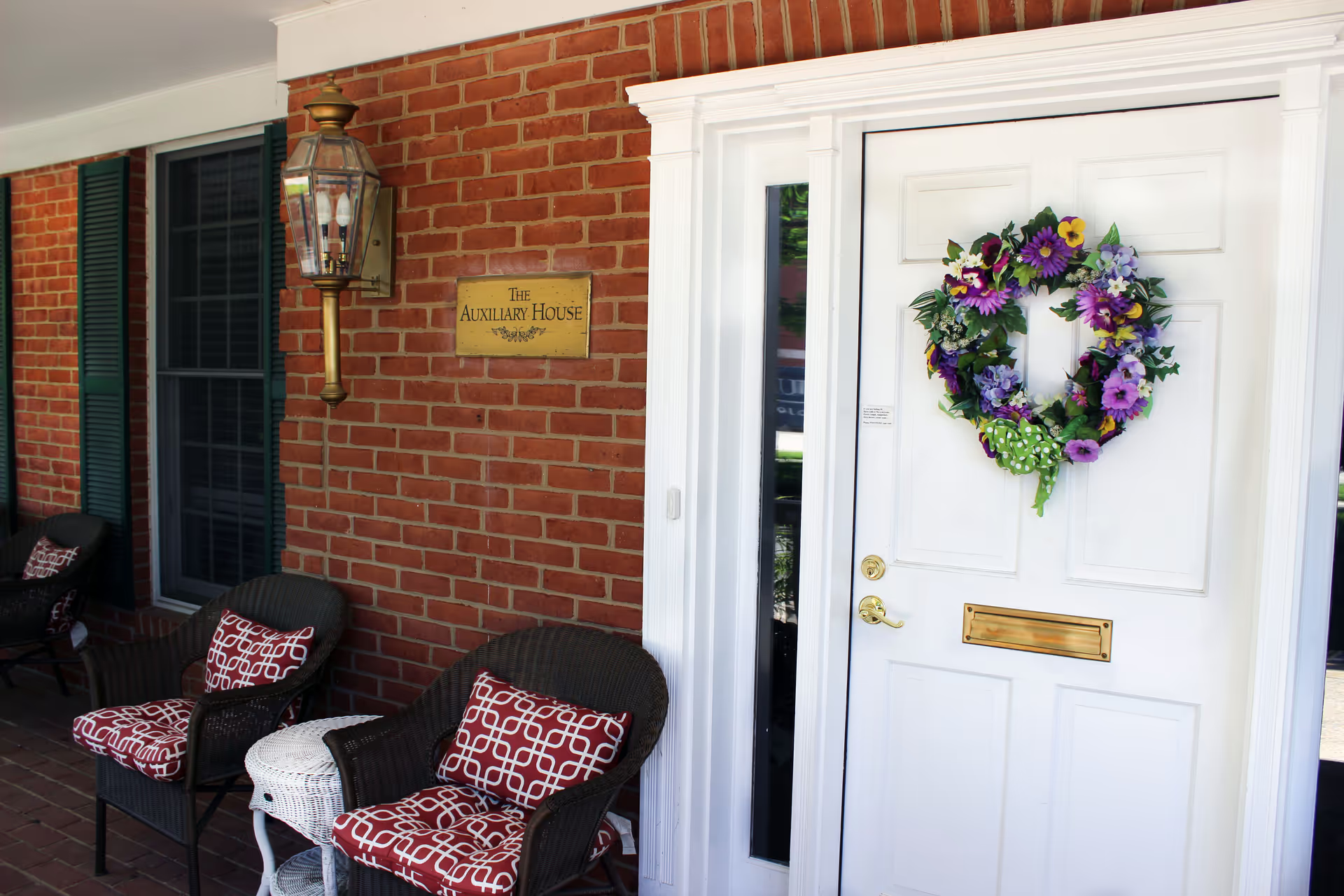
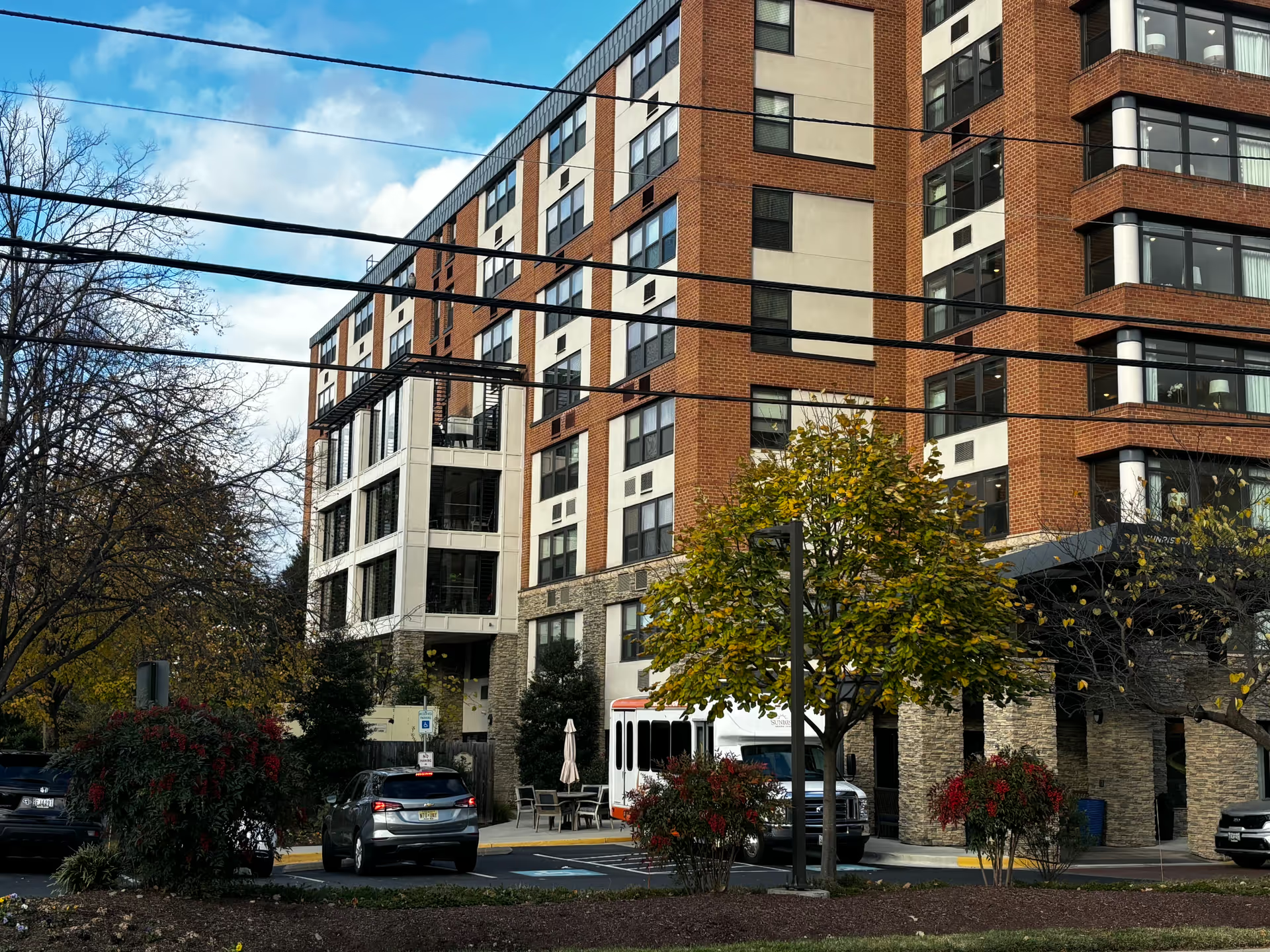
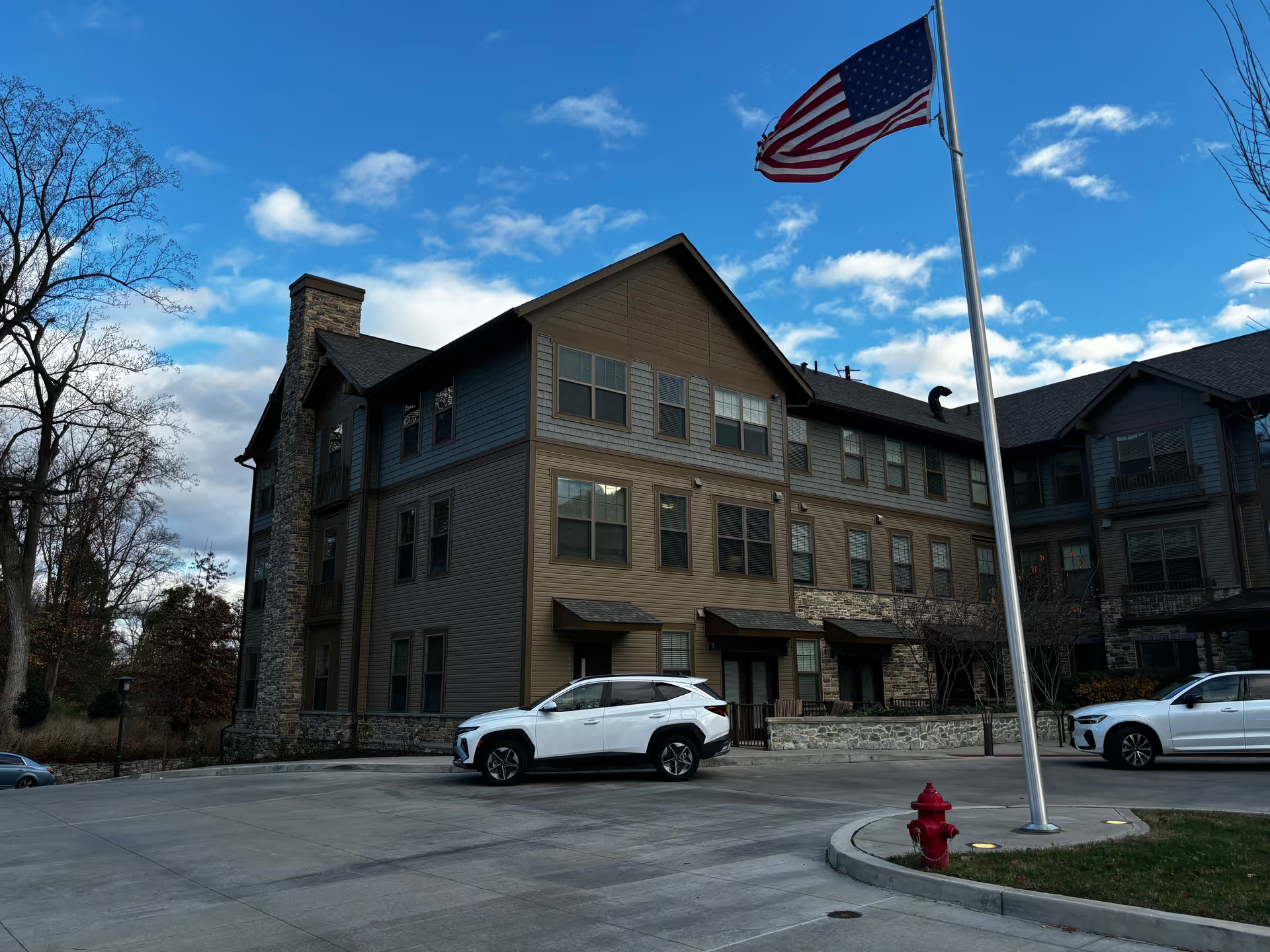
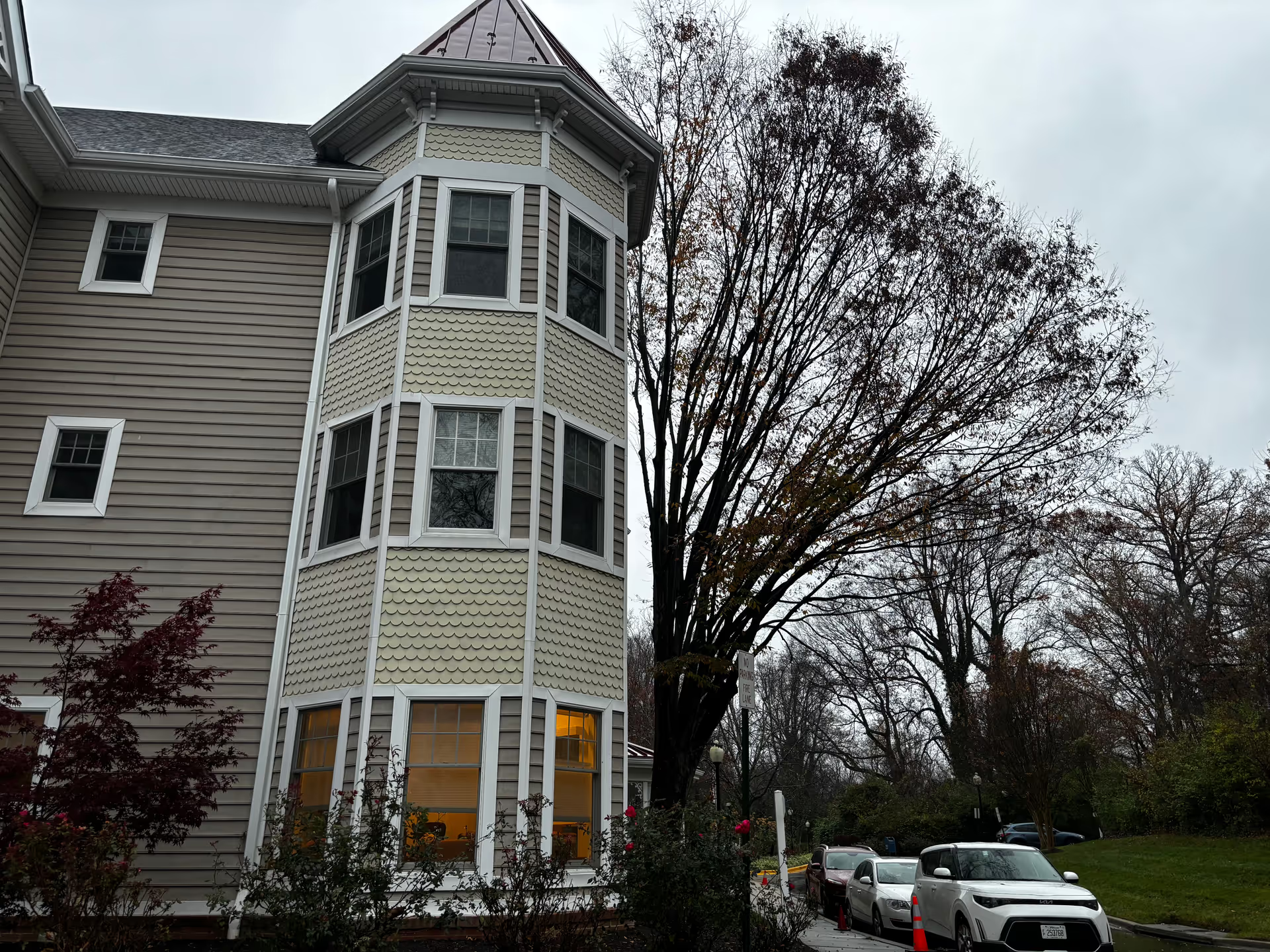
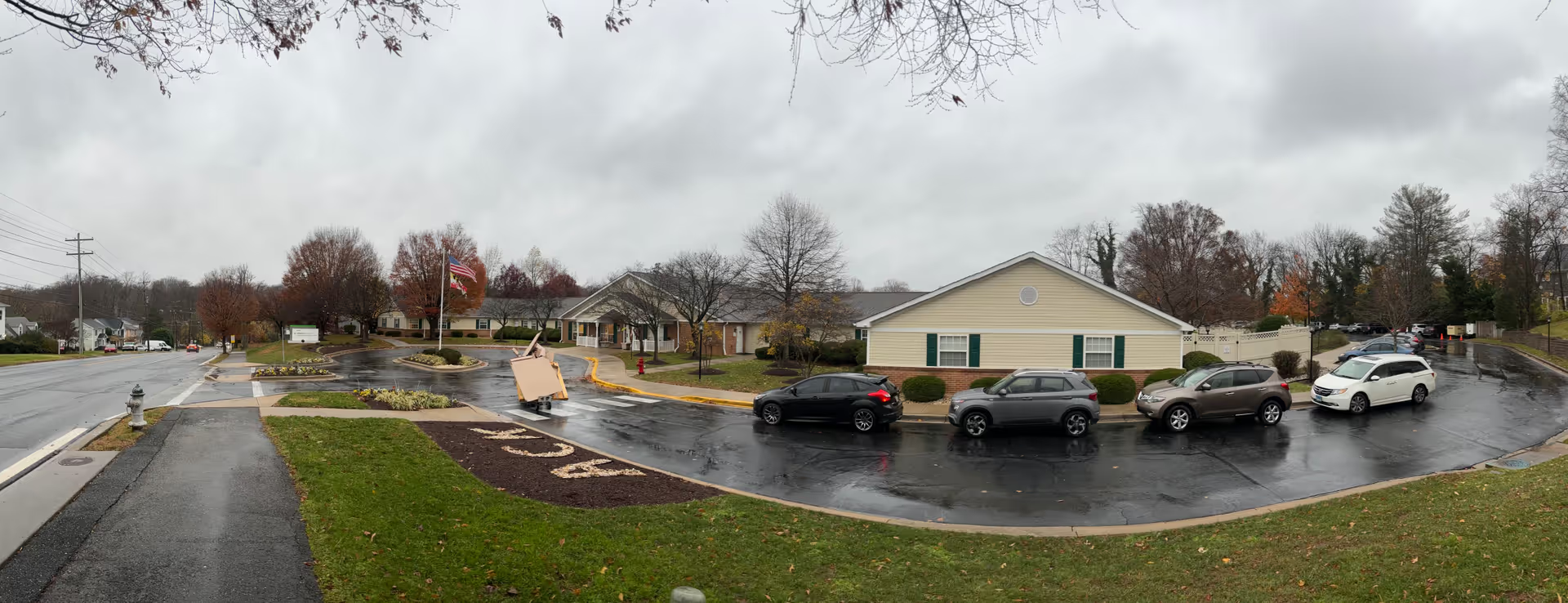
Facilities, housekeeping, and safety: The building’s interior is frequently described as clean, well appointed, and comfortable, with private rooms and pleasant communal spaces. Some reviews mention exterior blandness but praise interior aesthetics. At the same time, there are recurring maintenance and housekeeping concerns — inconsistent cleaning, odor concerns in some areas, in-room equipment or outlet problems, and isolated pest-control or sanitation issues. Safety-practice and equipment-access concerns (for example, availability of necessary supplies or timely equipment response) are also cited. These point to variability in environmental upkeep and safety monitoring across units and shifts.
Administrative and operational patterns: Several reviewers express concerns about discharge coordination, delays in paperwork or prescription transmission, and billing transparency. A few serious individual accounts raise concerns about clinical incidents and outcomes; these are best reviewed individually and, where appropriate, followed up through regulatory channels. Overall, the pattern is one of a facility with significant operational strengths — especially in rehabilitation and some aspects of customer service — but with systemic reliability gaps in clinical nursing, medication processes, housekeeping/maintenance, and family communication.
Recommendation for families: If rehabilitation and therapy are primary needs, Carriage Hill’s therapy team and supportive admissions/social-work processes may be compelling. Families who select this facility should proactively ask about nurse staffing levels (including night coverage), medication management protocols, dietary-accommodation procedures, infection-control measures, and discharge-planning workflows. Regular family oversight, clear communication channels with the unit manager or social worker, and specific questions about incident reporting and equipment availability can help mitigate the operational risks that appear in the reviews.