Quaboag Rehabilitation & Skilled Care Facility elicits mixed impressions: numerous families and residents praise compassionate caregiving, a strong rehabilitation team, and a clean, welcoming environment, while others raise operational concerns that bear consideration. Strengths repeatedly noted include attentive CNAs and nurses, an able rehab staff that supports recovery goals, engaging programing — including an on‑site music therapist and varied activities — and generally positive dining experiences. Multiple accounts described quick bed availability and a convenient location, and several families characterized the overall atmosphere as warm and familial.
Care quality appears to vary by unit and by shift. Positive accounts emphasize kind, prompt staff interactions and effective rehab outcomes. Conversely, several families identified inconsistent clinical responsiveness (including delays in attending to urgent issues) and gaps in incident response and documentation. There are multiple indications of challenges with medication-management processes and of variable medical oversight for residents with complex needs; these patterns were linked by some families to acute health concerns and to questions about transitions of care.
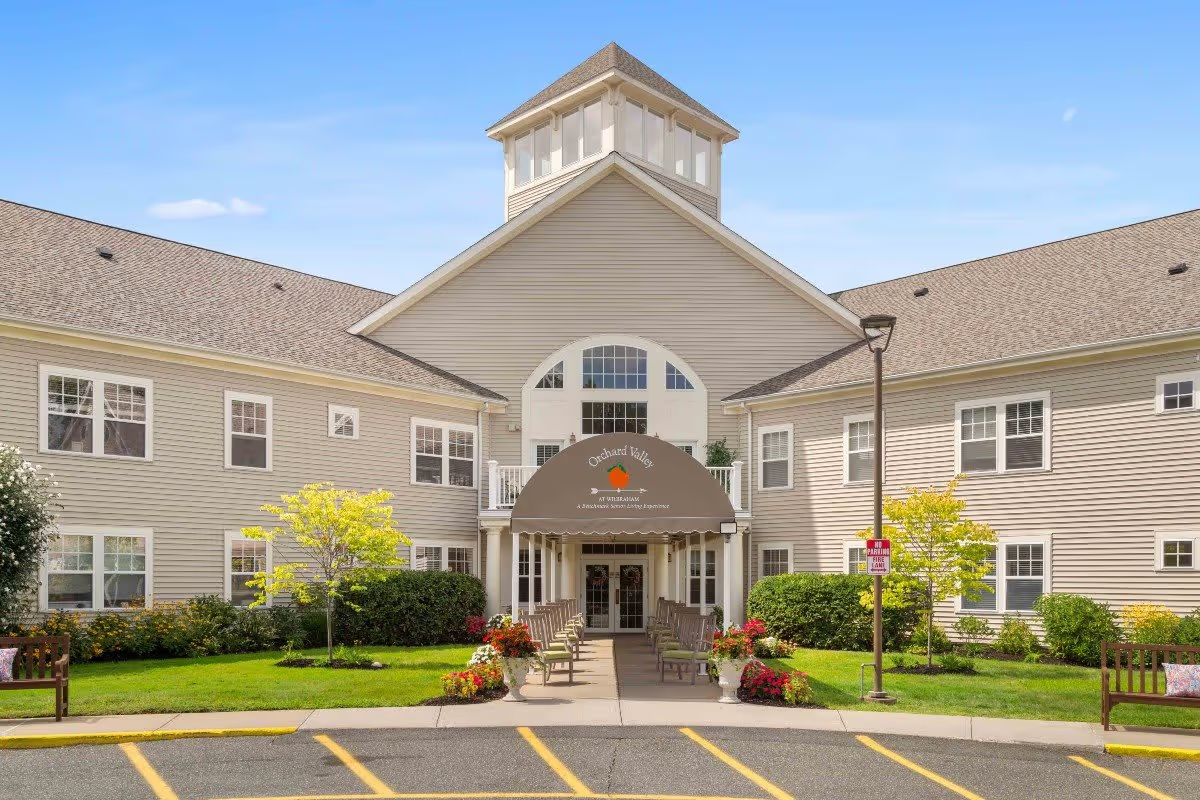
The facility’s activity and dining offerings are a clear strength for many residents. Reviewers highlighted robust activity schedules, engaging programming such as music therapy, and meals that were described as very good. Communal spaces and outdoor areas were reported as pleasant and well cared for, contributing to a positive social environment for residents.
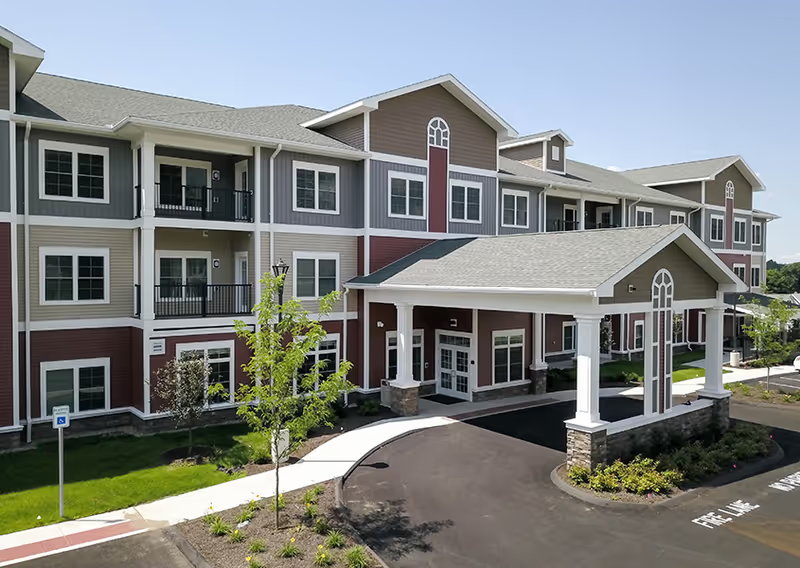
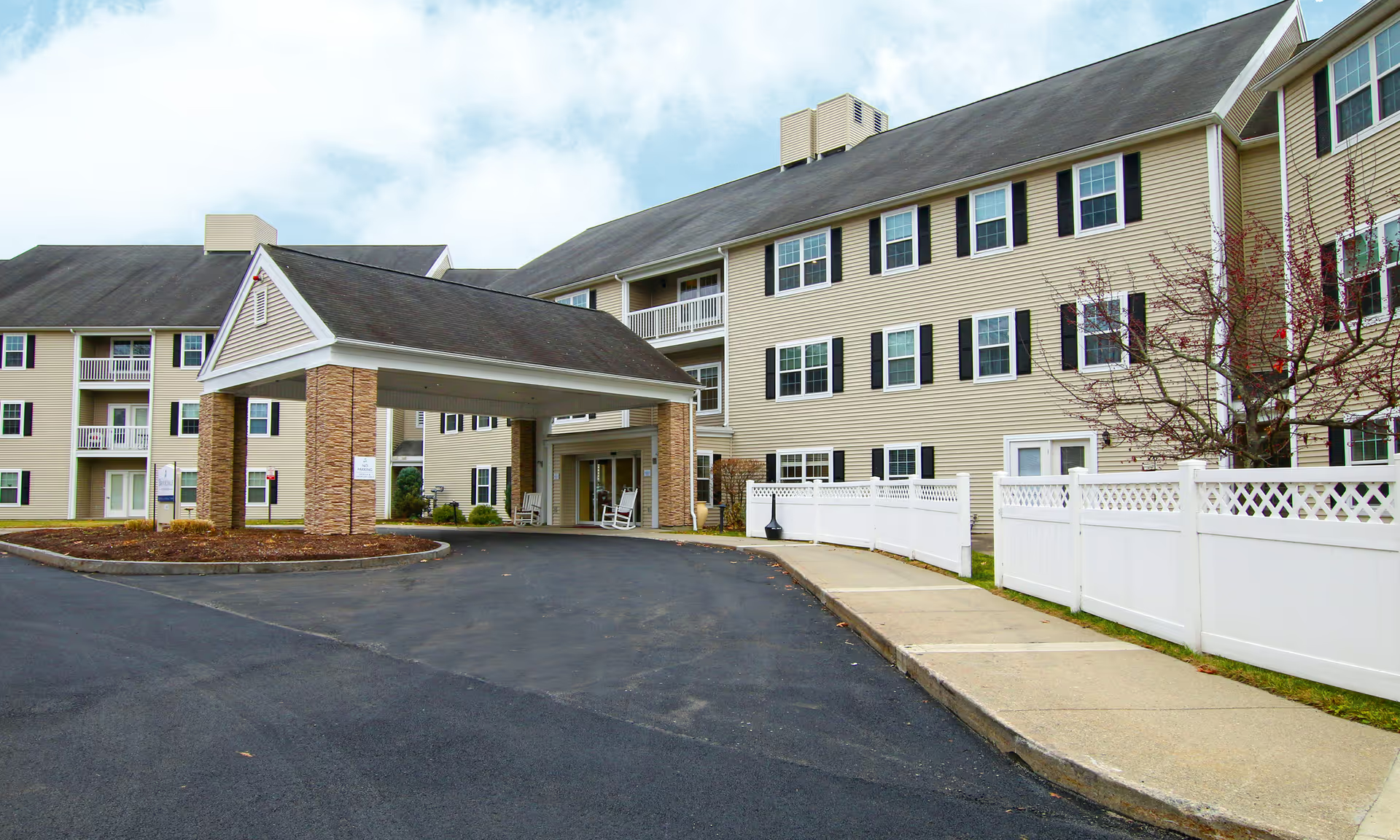
Facility condition and operations show both positives and shortcomings. Many reviewers described the building as clean and well maintained with a fresh smell, while others raised sanitation and infection‑control concerns and cited hygiene lapses in particular units. A recurring operational issue is inadequate climate control in resident rooms during warm weather. Families also noted variability in in‑room amenities and specifically limited entertainment resources in the memory‑care unit.
Management and communication are another area of divergence. Several reviewers praised staff accessibility, helpfulness, and the provision of caregiver education or tips. At the same time, there are consistent themes around staffing shortages, inconsistent staffing levels across shifts, and variable communication with families — including during and after clinical incidents and at discharge. A small number of reviewers described serious individual adverse outcomes, and some families expressed concerns following a resident’s death; these accounts highlight the importance of clear incident reporting and coordination with families.
For prospective residents and families: the facility offers clear strengths in rehabilitative services, engagement programming, and a generally warm caregiving culture. However, due diligence is warranted regarding dementia‑care capabilities, medication‑management protocols, staffing levels on the intended unit/shift, infection‑control practices, and in‑room climate control. A targeted tour and specific questions about these operational areas (including how incidents are reported and how complex medical needs are managed) would help families assess fit for their particular needs.