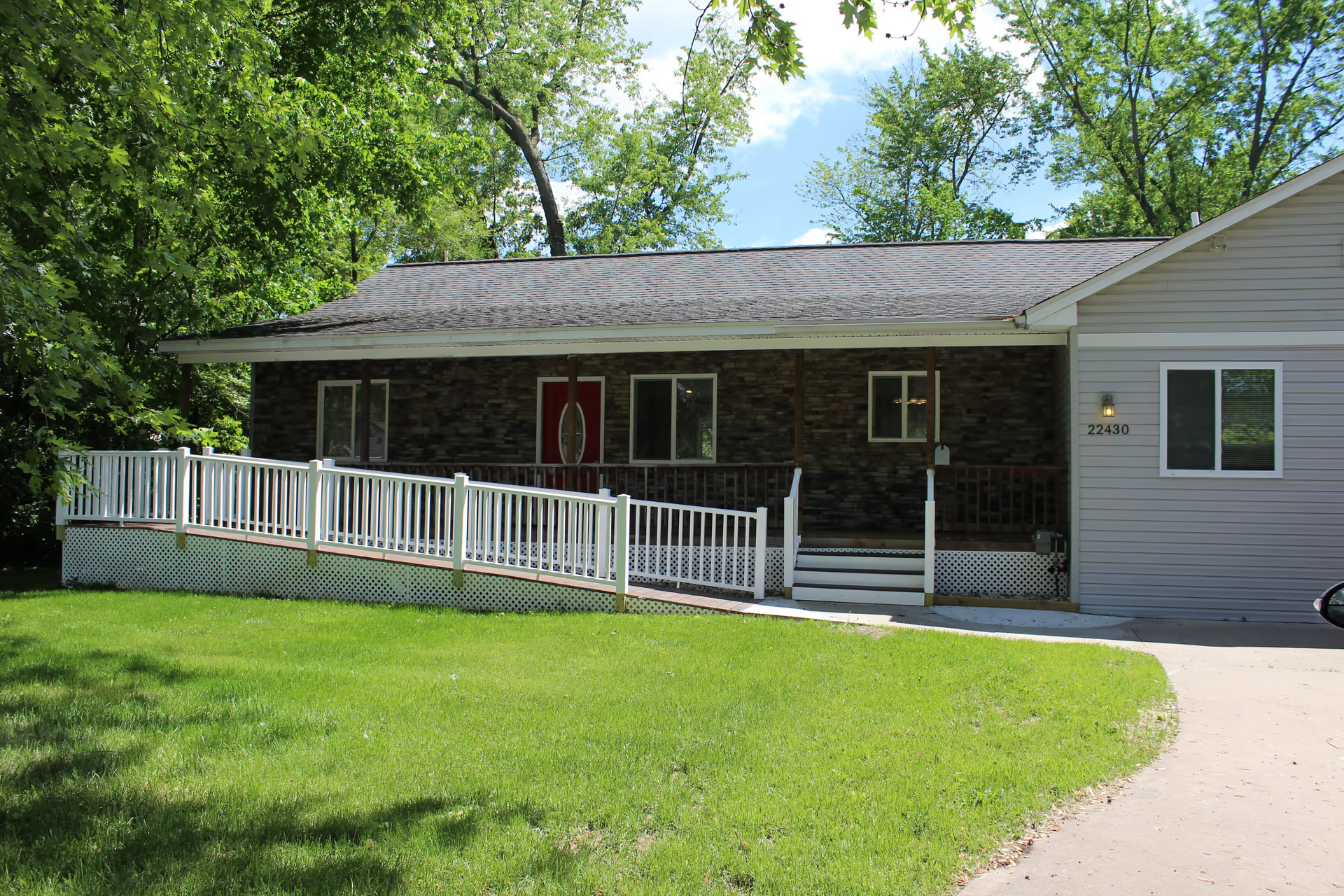
Overall impression: Reviews of West Oaks Senior Care & Rehab Center are mixed, with distinct strengths in clinical rehabilitation and pockets of strong, compassionate caregiving alongside persistent operational challenges. Many families described positive therapeutic outcomes and caring interactions with specific staff, while other accounts raised concerns about consistency in day-to-day care, cleanliness, and safety controls.
Care quality and clinical services: Physical and occupational therapy are frequently cited as effective, with several reviewers noting rapid functional improvement during short rehabilitative stays. Nursing and caregiving performance is described variably: numerous comments praise individual caregivers as attentive and compassionate, but other accounts indicate delays in routine care tasks and concerns about medication administration and diabetes management. There are repeated observations that inconsistent staffing and personnel turnover correspond with uneven clinical oversight; reviewers specifically connected staffing gaps to risks such as missed checks and a heightened potential for pressure injuries when monitoring is inconsistent.
Staff and communication: Staffing appears to be a central driver of both positive and negative experiences. When teams are stable and cooperative, families report respectful, helpful interactions and prompt responses from social workers and therapy staff. Conversely, understaffing, weekend coverage shortfalls, and turnover are associated with slower response times, inconsistent bathing and linen schedules, and gaps in discharge or insurer coordination. Communication from administration and case management is described as improving in some accounts but as unresponsive or unclear in others — particularly around discharge planning and insurer interactions.
Dining and activities: The culinary program receives strong praise in many reviews for meal quality and kitchen standards; several reviewers singled out the dining team as a facility strength. At the same time, a subset of comments described inconsistent meal palatability or service issues. Recreational programming is active in areas, with social events and engaging activities reported, but there are also notes about limited variety and small outdoor areas, which some families find insufficient for resident needs.
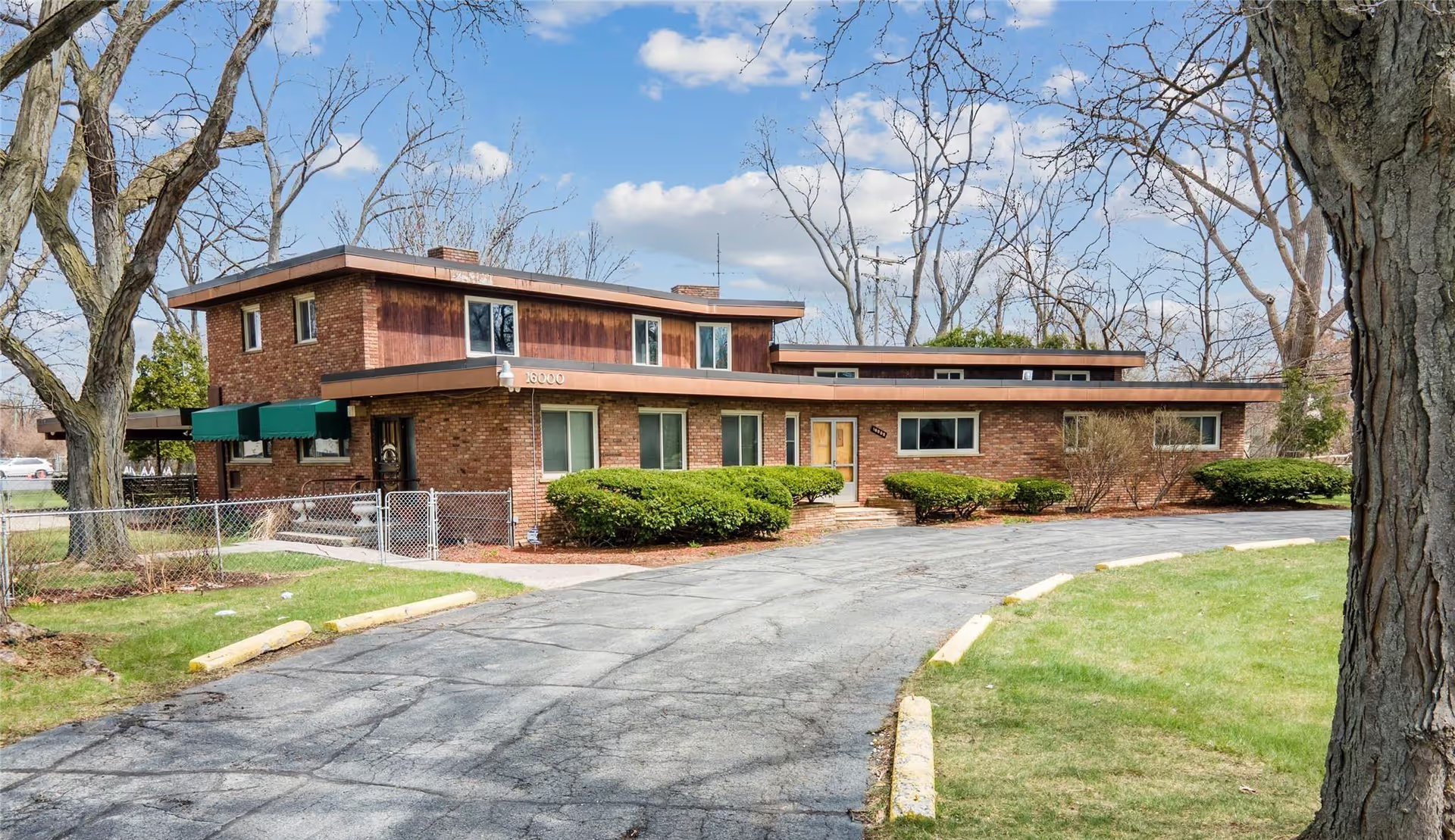
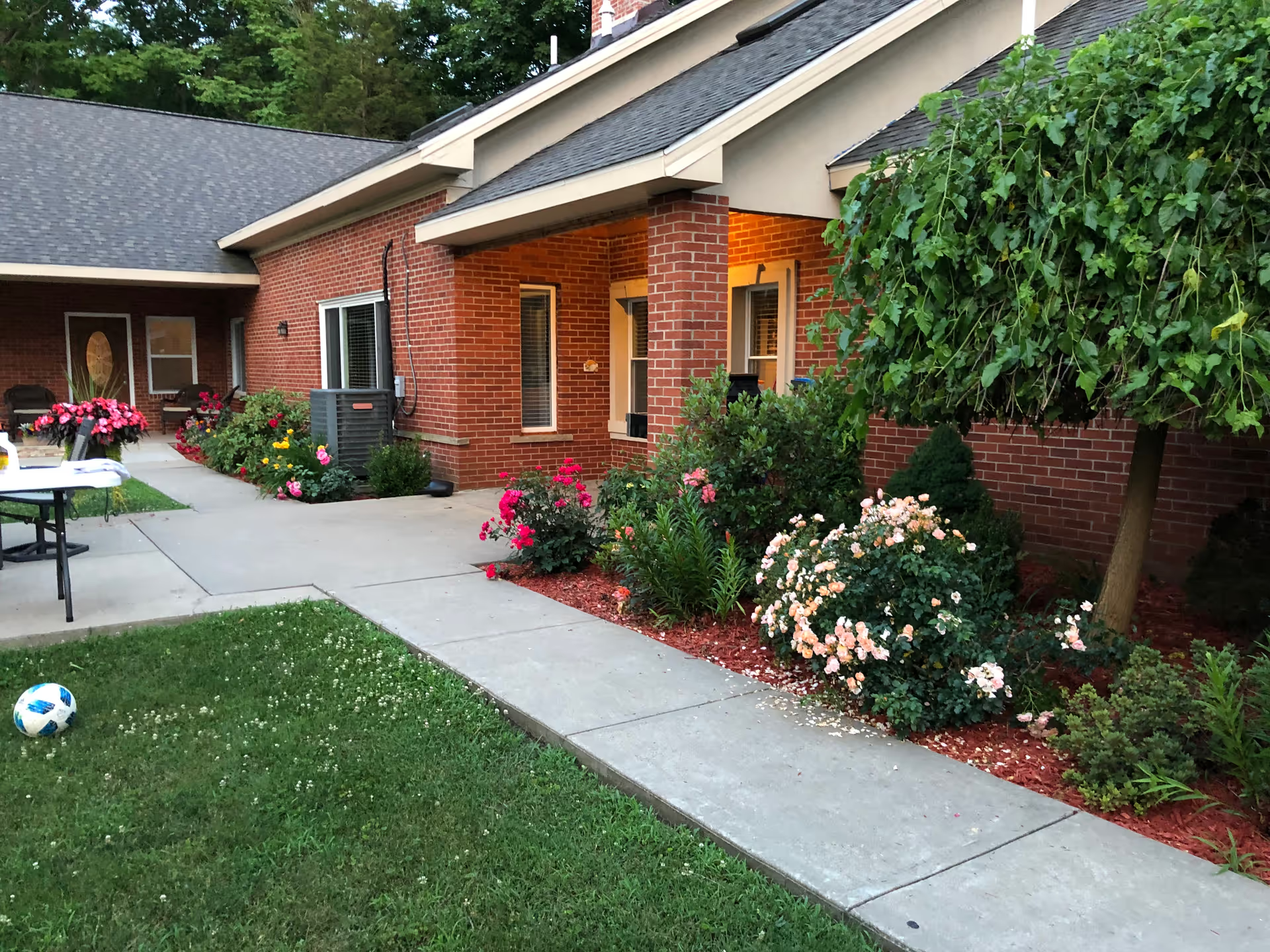
Facilities and safety: The physical plant appears dated in places; reviewers described a need for facility updates and limited availability of private rooms. Cleanliness assessments vary — many reviewers compliment well-kept common areas and housekeeping, while other accounts raise sanitation concerns, pest-control concerns in some rooms, and inconsistent room-level cleanliness. Security and incident response are recurring concerns: reviewers referenced property-theft incidents (vehicles, mobility equipment) and described perceived weaknesses in on-site security and follow-up procedures. These issues led some families to question the effectiveness of current safety protocols and partnerships with local law enforcement.
Management and trends: Several reviewers described positive managerial changes and more proactive problem resolution in recent months, suggesting improvement efforts are underway. However, other accounts characterize administration as unresponsive or lacking transparency, especially around serious clinical or safety events and billing/case-management coordination. Taken together, the pattern is one of a facility with clear strengths in therapy and individual caregiving, but with operational vulnerabilities — principally staffing consistency, unit-level cleanliness controls, medication and clinical oversight, security procedures, and communications — that materially affect resident and family experience.
Implications for prospective residents and families: Prospective residents and families should weigh the facility’s strong rehabilitative services, supportive social work, and culinary strengths against the variability in day-to-day care, staffing, and security processes. Visiting the unit(s) where a prospective resident would be placed, meeting therapy and nursing staff, asking detailed questions about staffing levels, medication-administration protocols, incident response, and linen/bathing schedules, and reviewing recent facility performance or regulatory records will help assess whether the current operational profile aligns with the resident’s needs.