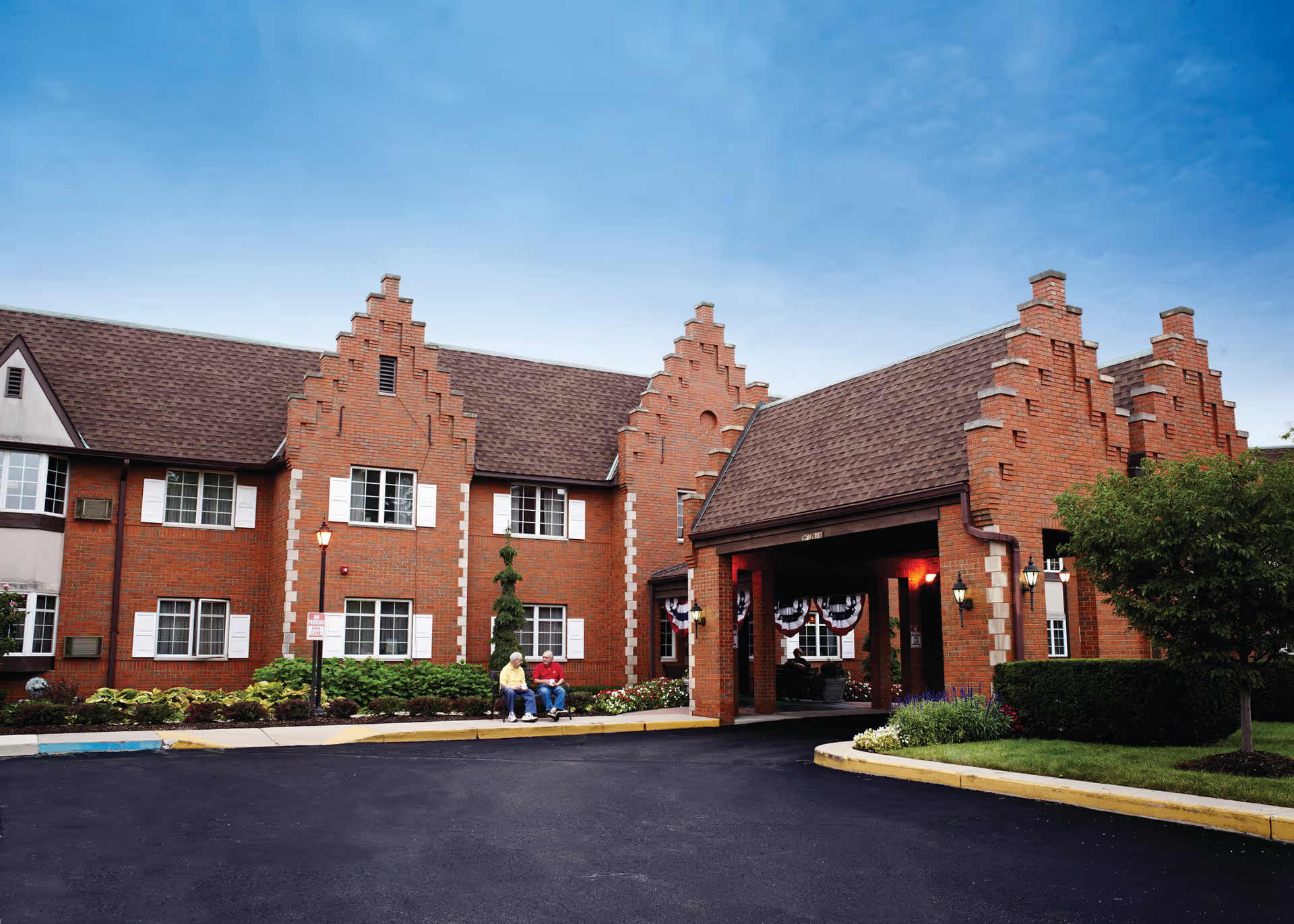
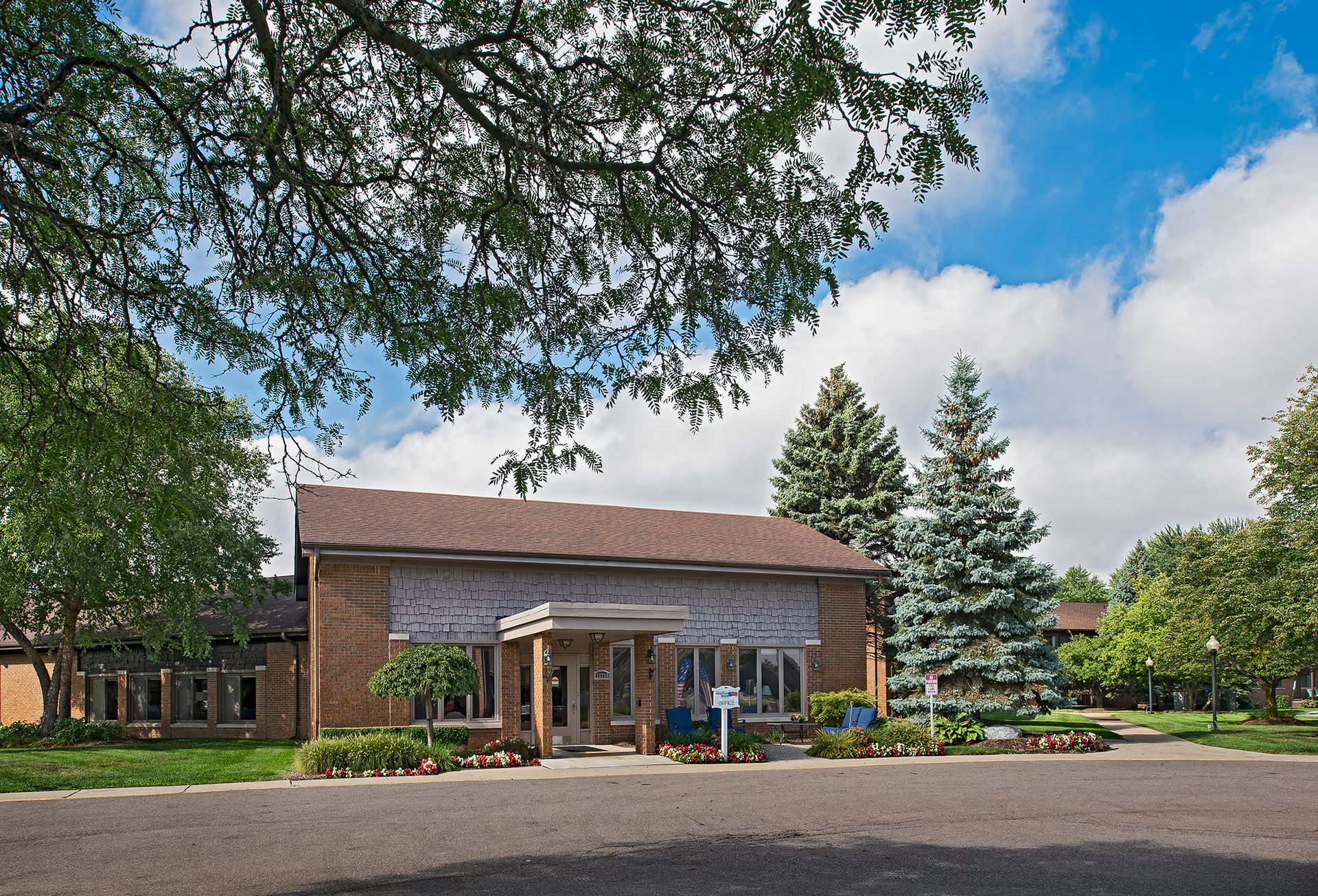
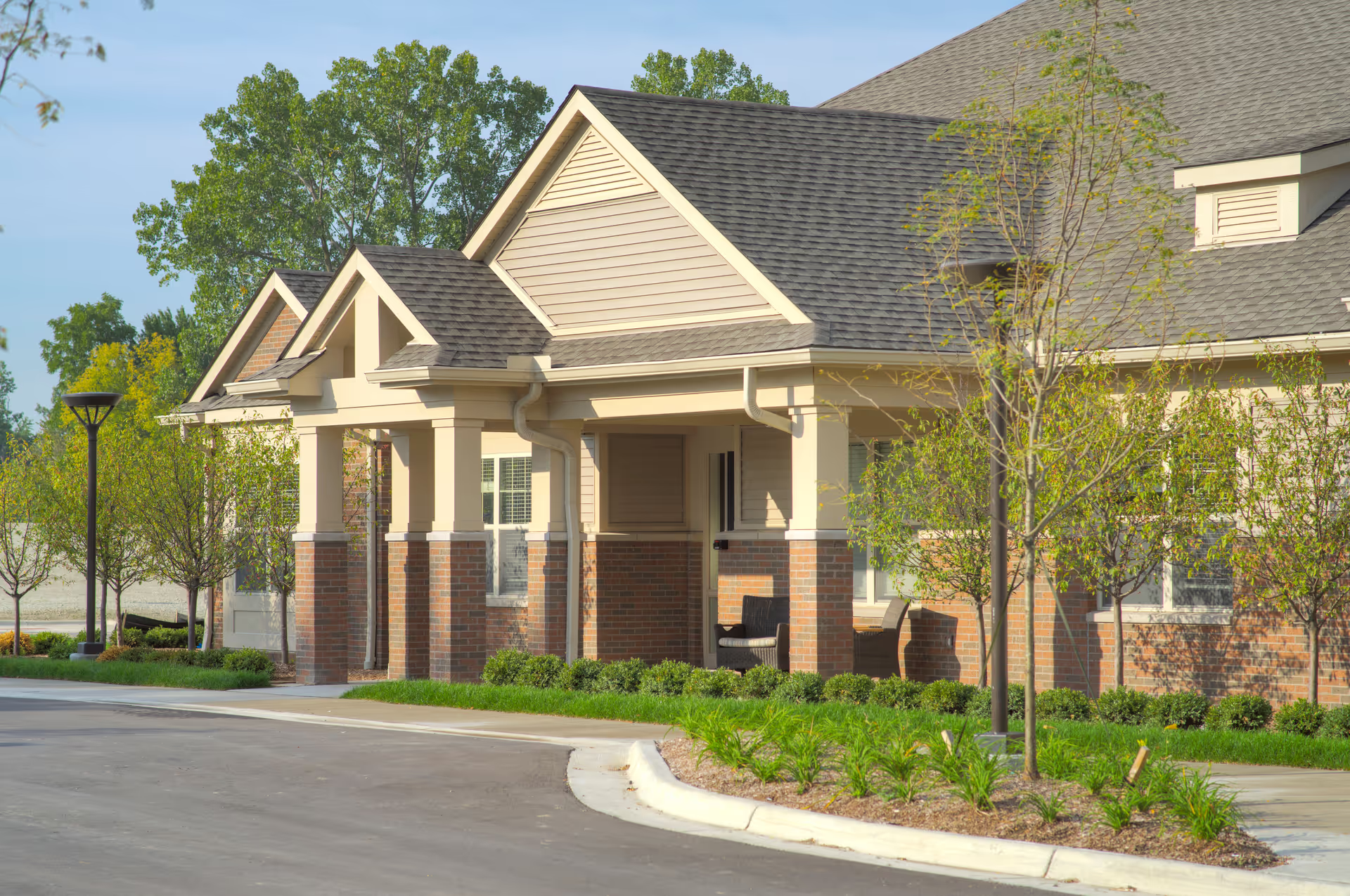
The reviews describe a facility with a highly polarized set of experiences: many families and residents praise individual caregivers, nurses, and short-term rehabilitation staff for compassionate, attentive care and successful therapy outcomes, while other accounts describe systemic operational weaknesses that affect safety and quality.
Care quality appears inconsistent. Positive comments emphasize kind, responsive CNAs and nurses, effective wound and therapy management in some cases, and successful short-stay rehabilitations. Conversely, there are frequent accounts of delayed or missed medication and pain-management, wound-care concerns, frequent hospital readmissions, and inconsistent basic personal-care schedules (including inconsistent bathing and incontinence-care attention). These patterns point to variability in clinical practice and supervision across shifts.
Staff performance is similarly mixed. Numerous reviewers singled out individual staff members and supervisors for professionalism, compassion, and going beyond expectations. At the same time, other reviewers described concerning staff conduct, rude or unhelpful interactions, undertrained night or phone staff, and inconsistent responsiveness. These contrasting impressions suggest strong individual caregivers operating within an environment that lacks consistent training, oversight, or staffing stability.
Dining and nutrition received repeated criticism for limited variety, bland offerings, and in some instances interrupted meal service. A subset of reviewers also raised concerns about nutrition-related outcomes. Families who had positive stays sometimes described meals as acceptable, indicating variability in meal quality and reliability.
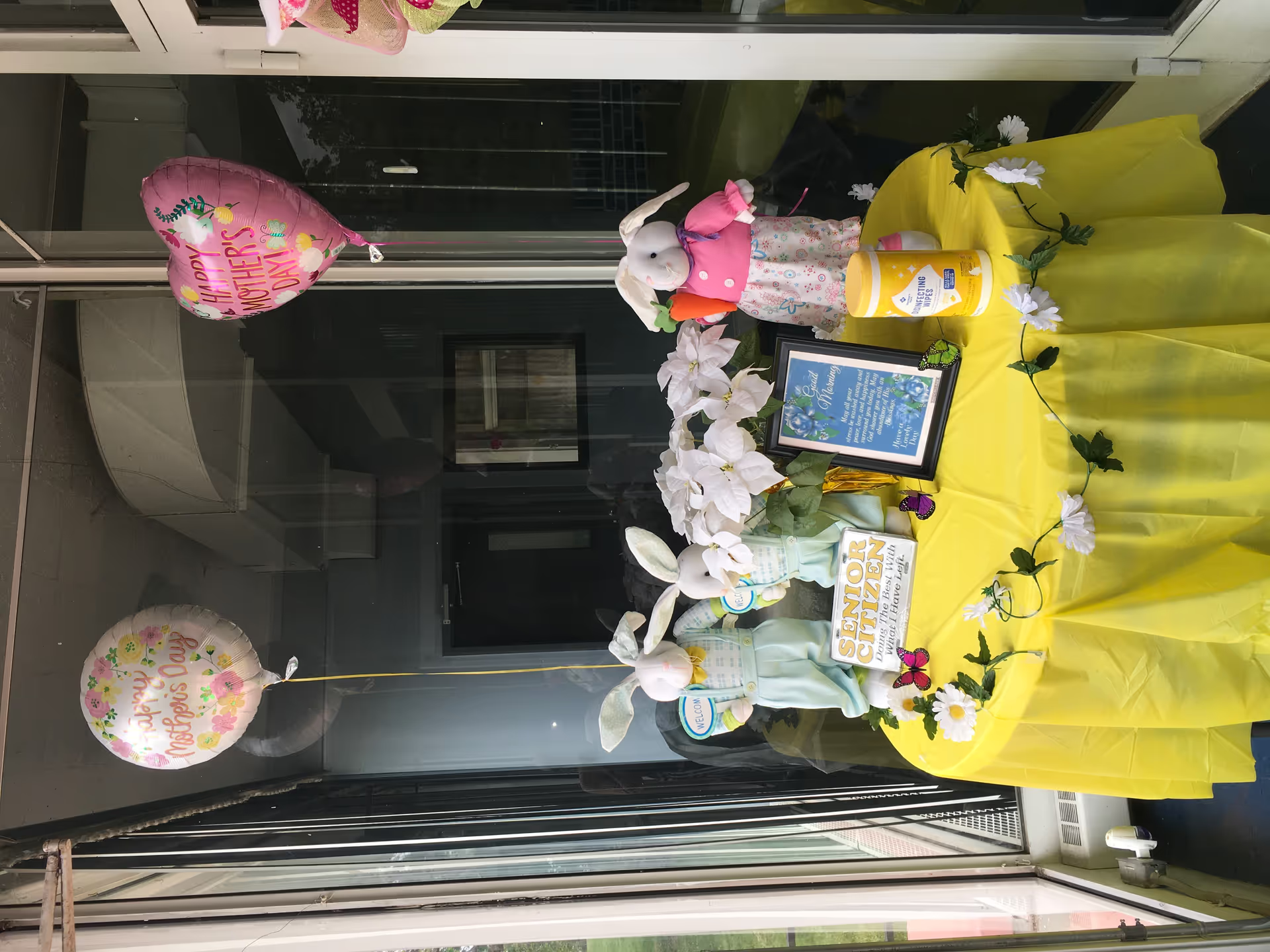
Activities and social engagement were a notable strength in many accounts. The facility is credited with an active calendar—movies, bingo, live musical events, and other programming—that contributes to a home-like atmosphere and resident satisfaction for those who participated.
Facility condition and safety are recurring issues. Several reviews describe maintenance and equipment problems (broken beds, wheelchair security, window safety), sanitation concerns, odor issues in common areas, and pest-control worries. Complaints about laundry handling, lost or damaged personal clothing, and inadequate property controls further indicate operational gaps. A few reviewers also described serious safety-related incidents that prompted emergency response and regulatory attention.
Management and communication are frequent sources of frustration. Families reported difficulty reaching staff by phone, infrequent or insufficient updates, and perceptions of unresponsiveness from leadership. At least one account referenced regulatory findings and a resident death that led to heightened scrutiny. There are also allegations of theft and financial misconduct; these are serious concerns that several families cited when describing their experiences.
Overall pattern: the facility demonstrates clear strengths in individual caregiver dedication, engaging activities, and successful short-term rehabilitation for many residents. However, those strengths coexist with systemic weaknesses in clinical consistency, medication safety, sanitation and maintenance, property controls, and family communication. Prospective residents and families should weigh the positive examples of individualized care against the operational risks highlighted in other accounts, verify current regulatory status, and ask specific questions about staffing consistency, medication safeguards, therapy availability, laundry/property procedures, and escalation/communication protocols before placement.