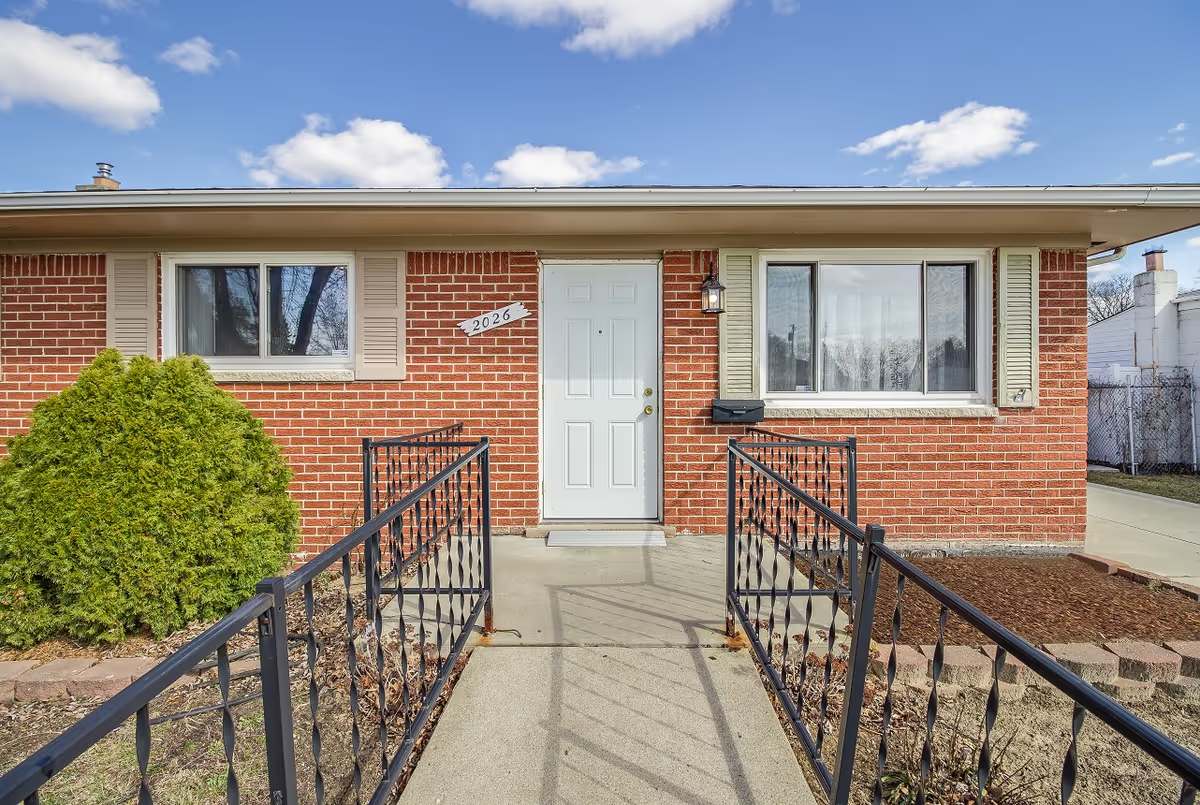
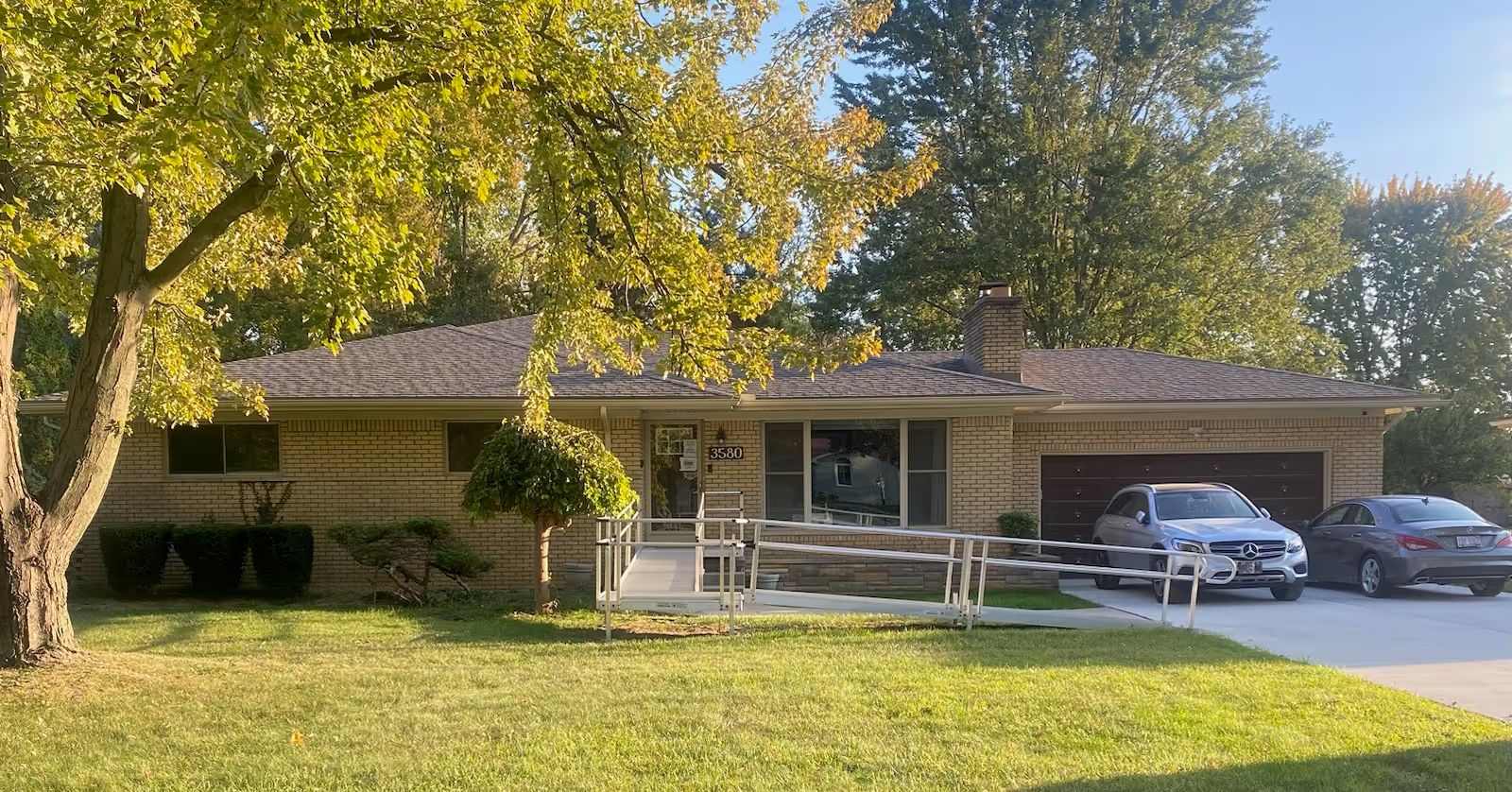
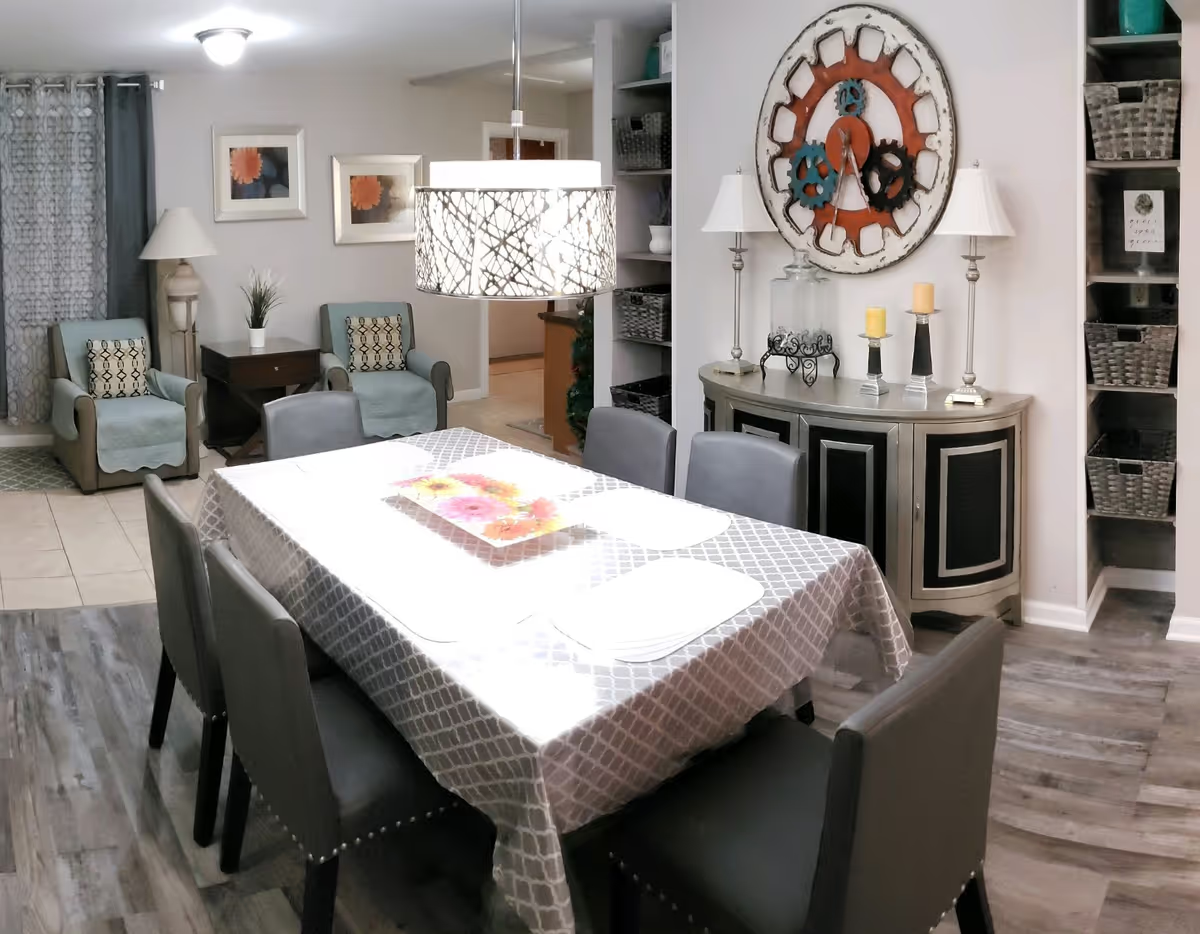
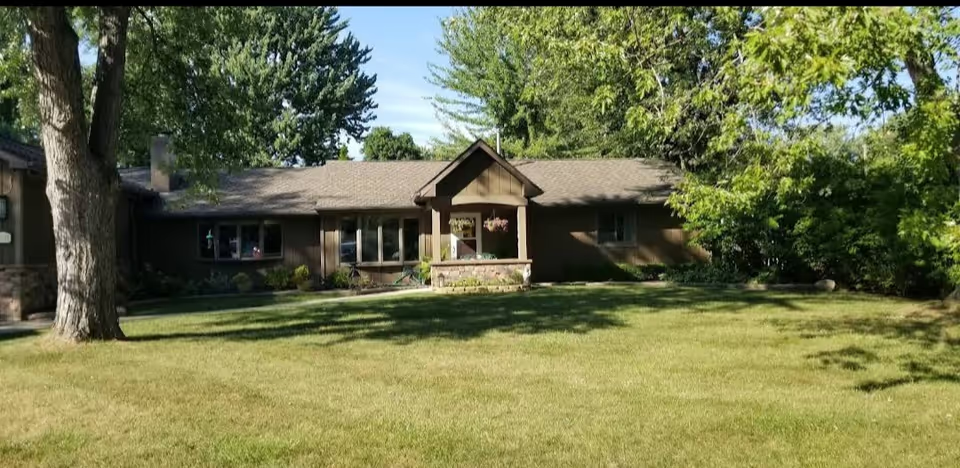
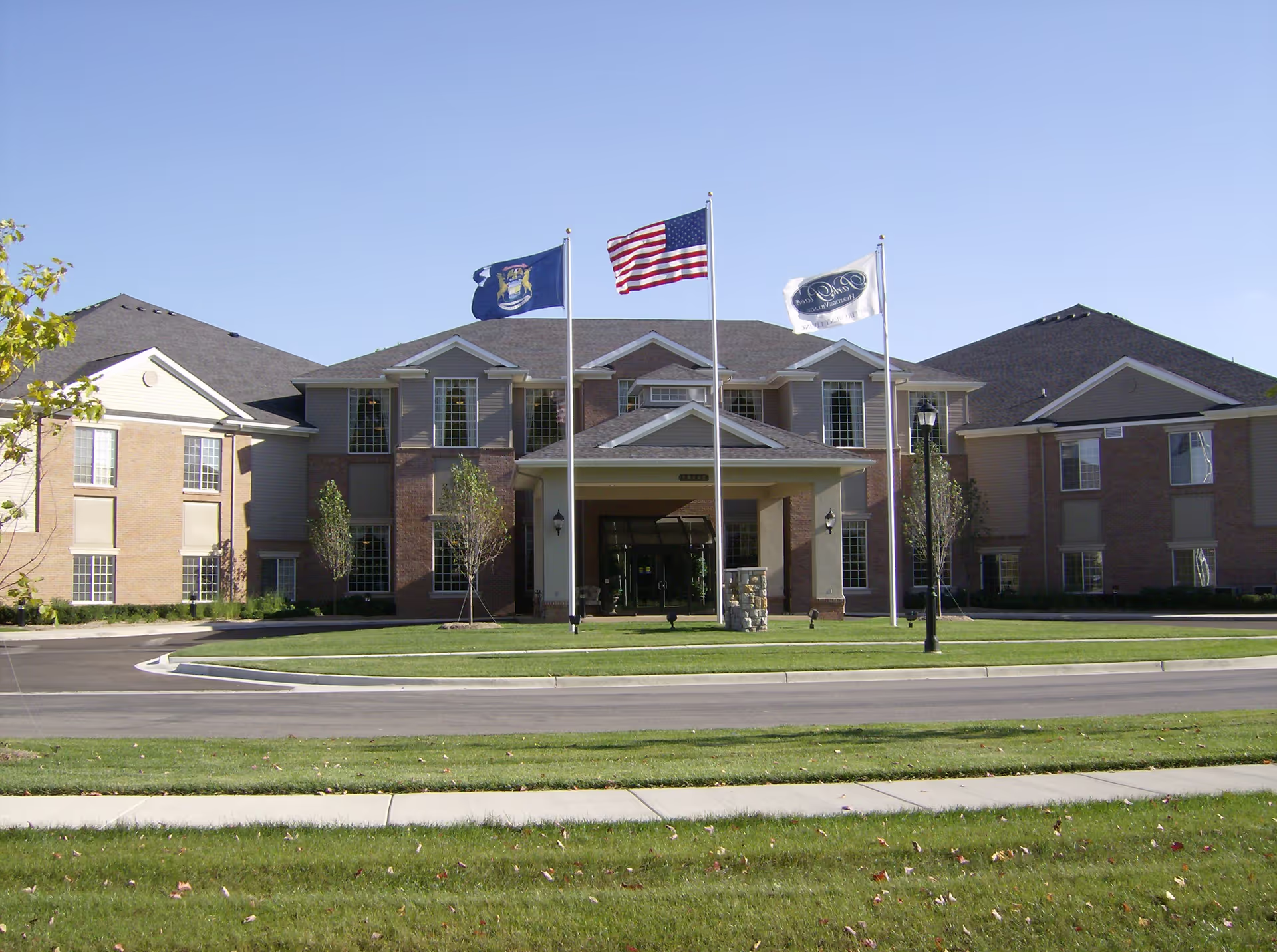
Pomeroy Living Sterling Skilled Rehabilitation presents a mixed picture. Many reviewers highlight a welcoming, well-kept physical environment — tasteful decor, abundant natural light, attractive common areas, and maintained landscaping. The facility markets and appears to deliver on a rehabilitation focus: a therapy gym that operates seven days a week, massage/therapeutic amenities, and staff who are frequently described as knowledgeable and effective in restoring strength and function. Reviewers commonly note 24-hour nursing coverage, visiting physicians, individualized care plans, and a full continuum of care (short-term rehab, long-term care, hospice, respite).
Clinical care and staff behavior are described inconsistently. Strengths include skilled therapy teams, committed nursing and aide staff who “go above and beyond,” and prompt, professional handling of many situations. At the same time, multiple accounts raise operational concerns that affect care reliability: delayed responses to call buttons, prolonged waits for assistance, and lapses in medication administration and consent processes. There are recurrent mentions of emergency-safety issues such as falls and subsequent readmission or transfer challenges, which reviewers linked to perceived weaknesses in monitoring and fall-prevention protocols.
Dining, activities, and amenities are generally positive. The menu is described as varied and enjoyable, and the activity program is broad and engaging for residents. The therapy amenities (gym and massage area) and attentive therapy staff receive strong praise for contributing to residents’ functional improvement. However, some families experienced inconsistent adherence to special-diet orders and occasional meal-delivery errors, which can be important for medically complex residents.
Operational and management issues form a consistent theme. Reviewers describe disorganization in coordination of care (missing transfer notes, outdated physician/medication lists), inconsistent communication with power-of-attorney or family members, and instances where administrative decisions about bed placement or readmission lacked transparency. Several family members also described social-work or administrative interactions as brusque or not sufficiently sensitive during difficult transitions, including end-of-life conversations. There are isolated accounts of delayed detection of infections or wound issues that required later surgical intervention; these descriptions suggest variability in surveillance and documentation practices.
For prospective residents and families: the facility offers strong rehabilitation resources, a pleasant physical environment, and many staff who are compassionate and effective. At the same time, families should inquire specifically about safety and coordination measures. Recommended topics for a visit and conversation include fall-prevention protocols and alarm responsiveness, medication administration and informed-consent procedures, processes for dietary compliance, infection/wound surveillance practices, staffing levels and shift handoffs, and how discharge/readmission and bed-allocation decisions are made. Direct observation of response times, review of care-plan documentation, and conversations with therapy and nursing leadership can help clarify whether the facility’s operational practices meet an individual resident’s clinical and safety needs.