Reviewers describe a facility with clear strengths in hands-on caregiving and rehabilitation alongside recurring operational shortcomings. Clinical and therapy teams—particularly physical and occupational therapy—are frequently praised for rapid initiation, effective interventions, and successful return-home outcomes. Many accounts highlight compassionate nurses, aides, and social workers who provide respectful, person-centered interactions; some families characterized end-of-life and hospice support as dignified, with uninterrupted visitation and thoughtful family amenities.
At the same time, reviews identify consistent patterns of inconsistent basic-care delivery. Commonly cited concerns include irregular bathing and personal-care schedules, delays or gaps in wound-care monitoring and pressure-injury follow-up, and incontinence-care delays. These care-process gaps are often linked to staffing limitations and the facility's use of agency staff, which reviewers associate with medication delays, slow call-bell responses, and occasional lapses in attention to routine needs.
Housekeeping and dining present a mixed picture. Several reviewers describe clean, well-organized areas and helpful cleaning staff, while others raise sanitation concerns such as linen shortages, odor issues in some areas, and pest-control worries. Meal service is noted as variable: some families found food acceptable and accommodating, whereas others reported poor preparation, food-quality problems, and a kitchen that was difficult to work with regarding special requests.
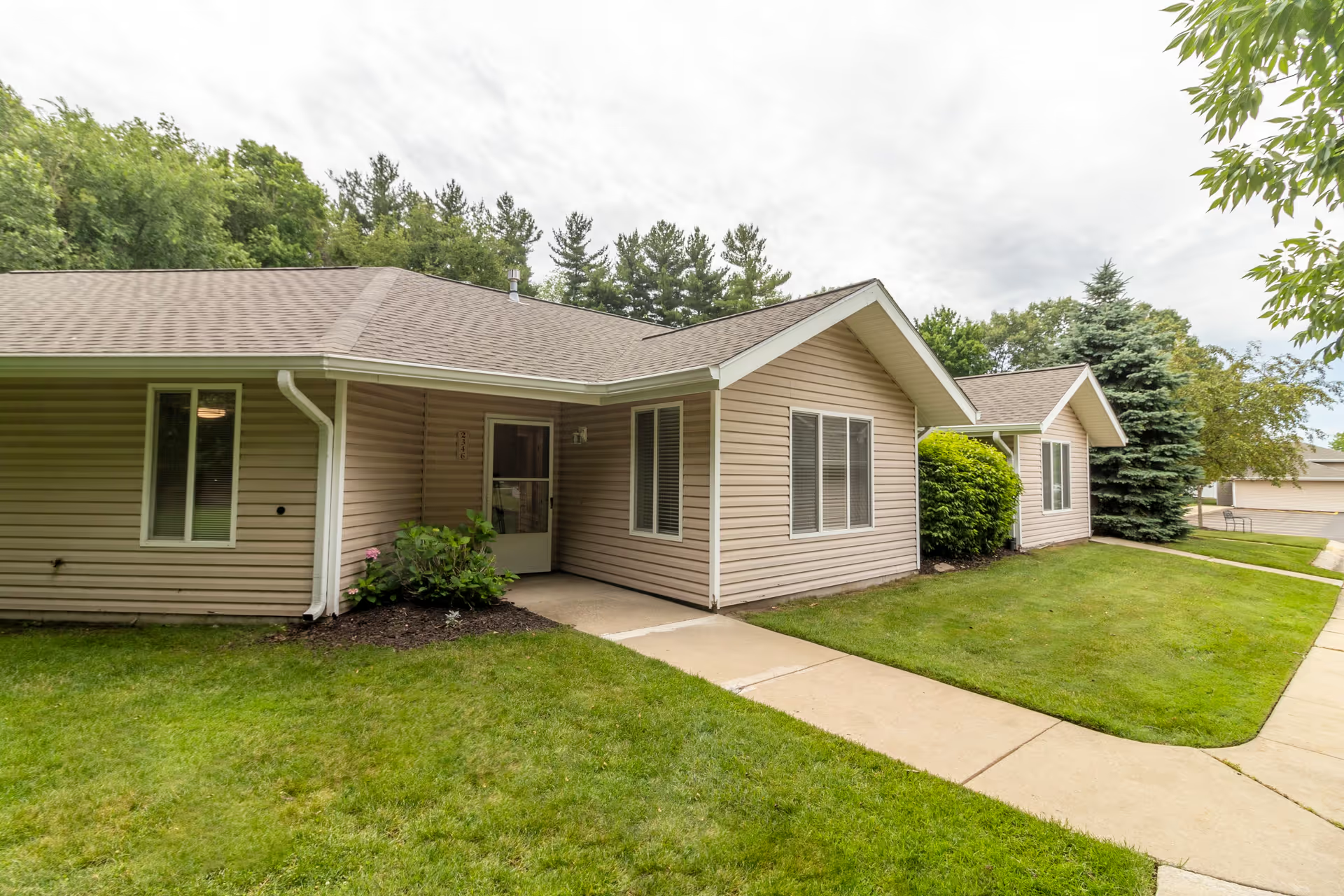
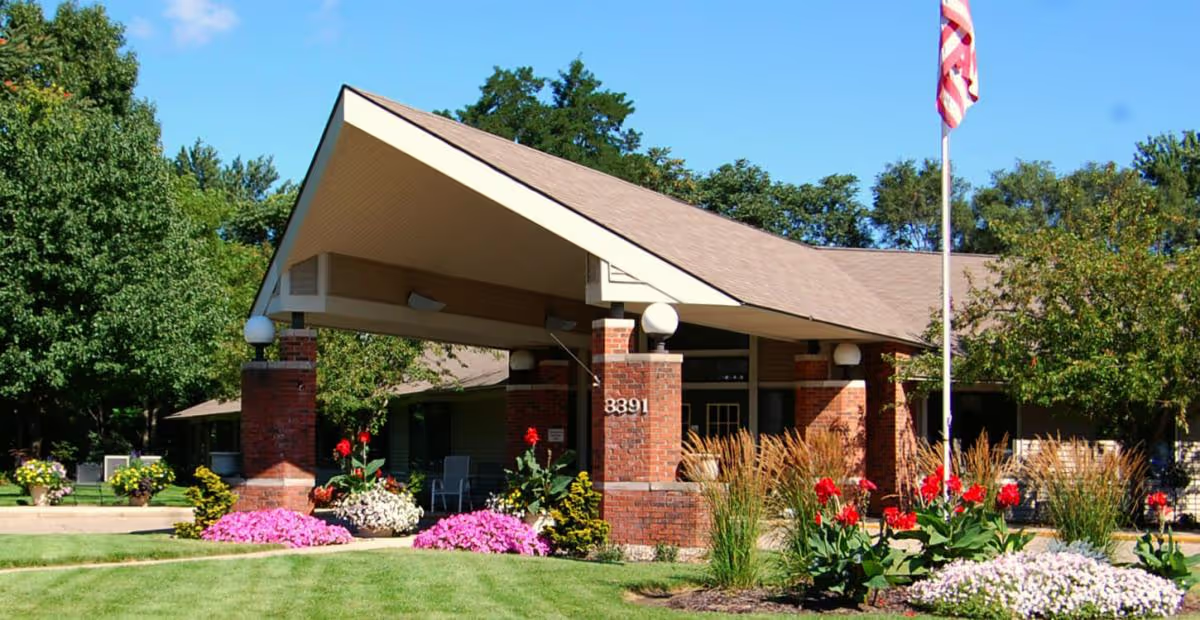
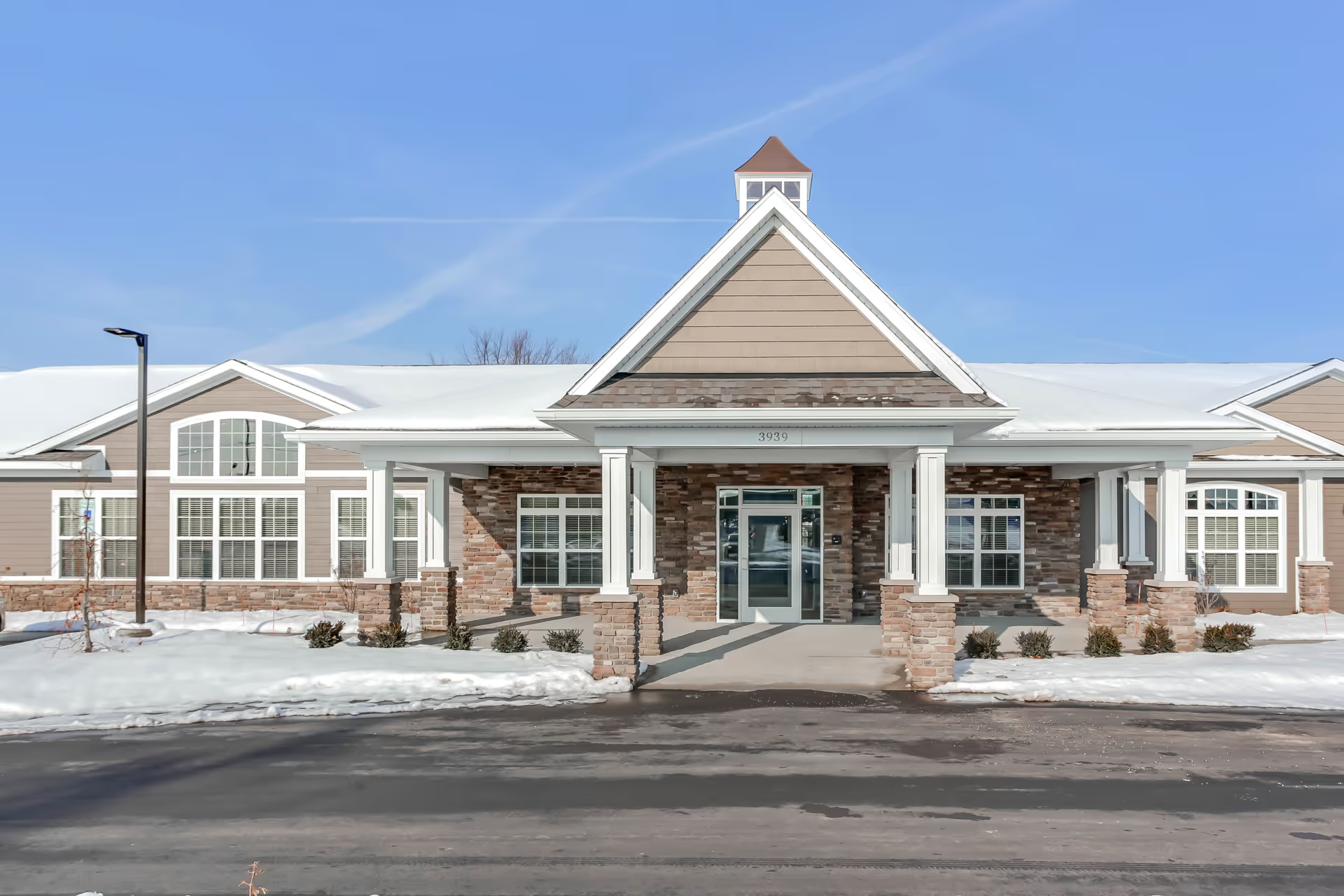
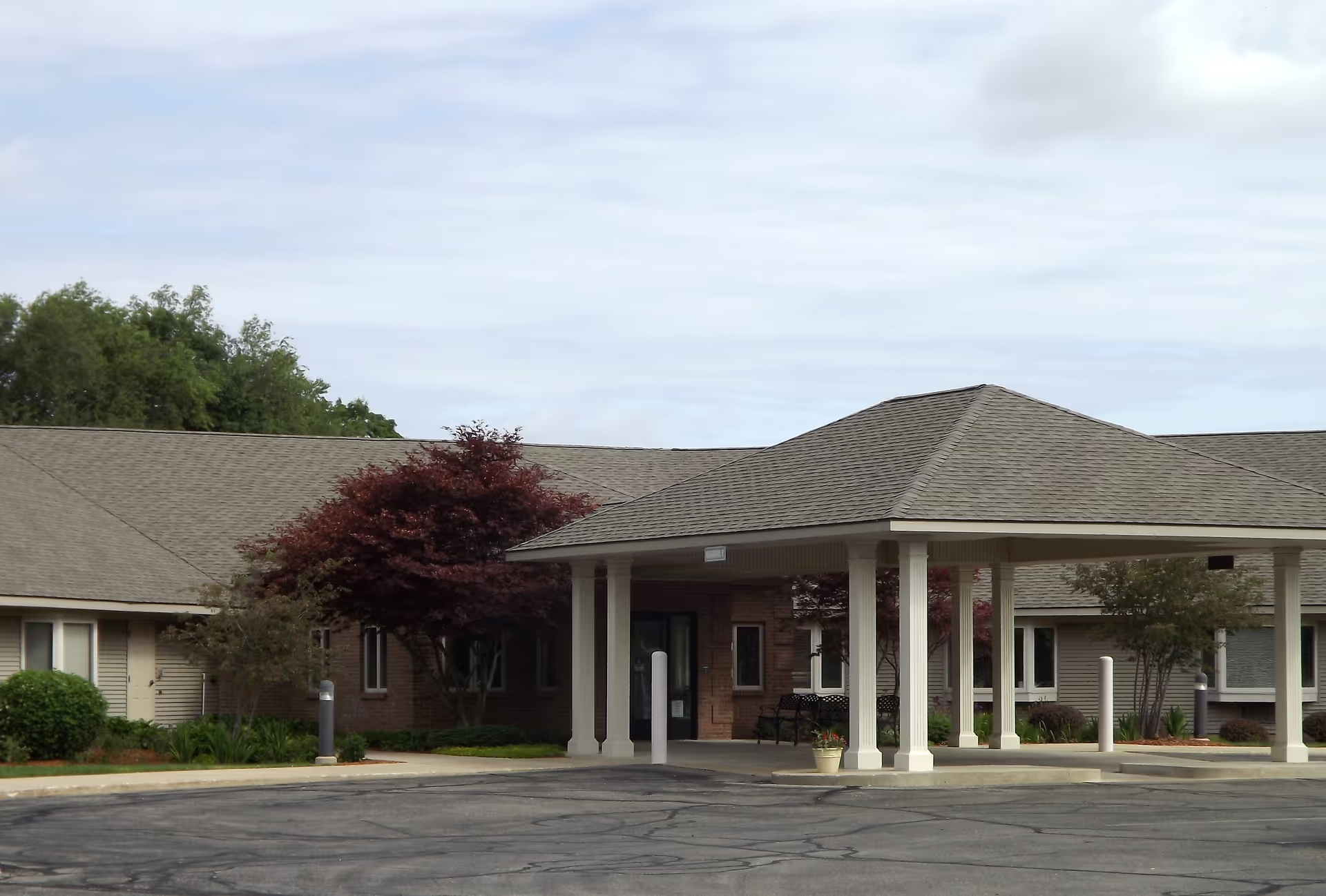
Facilities and programming also vary. The building is described as older in places and in need of interior updates, though many reported that common areas and resident rooms are maintained and that activities (Bingo, events) help build community morale. Positive impressions frequently mention staff who create a family-like atmosphere and accommodations for sensory or communication needs.
Management and communication are areas of notable divergence. Positive experiences cite efficient coordination with hospitals and helpful admissions staff; negative accounts point to unresponsive administration, confusing discharge processes, inconsistent communication with families, and occasional policy enforcement problems (including restrictive visitor/trespass policies). A small subset of reviews raises serious concerns, including allegations of mistreatment and ongoing legal/regulatory attention—these represent elevated issues that prospective families should inquire about directly.
For prospective residents and families: visit at different times of day, observe cleanliness and staffing levels on the unit, ask for specifics about wound-care protocols, pressure-injury monitoring, and medication-administration processes, and request details on staffing ratios and agency-staff use. Ask about meal customization options, infection-control policies, and how the facility communicates with families (including language-access supports). When hospice or complex clinical needs are likely, request examples of recent hospice coordination and family visitation practices. These targeted questions will help determine whether the facility’s strengths align with the resident’s needs and whether operational risks are being actively managed.