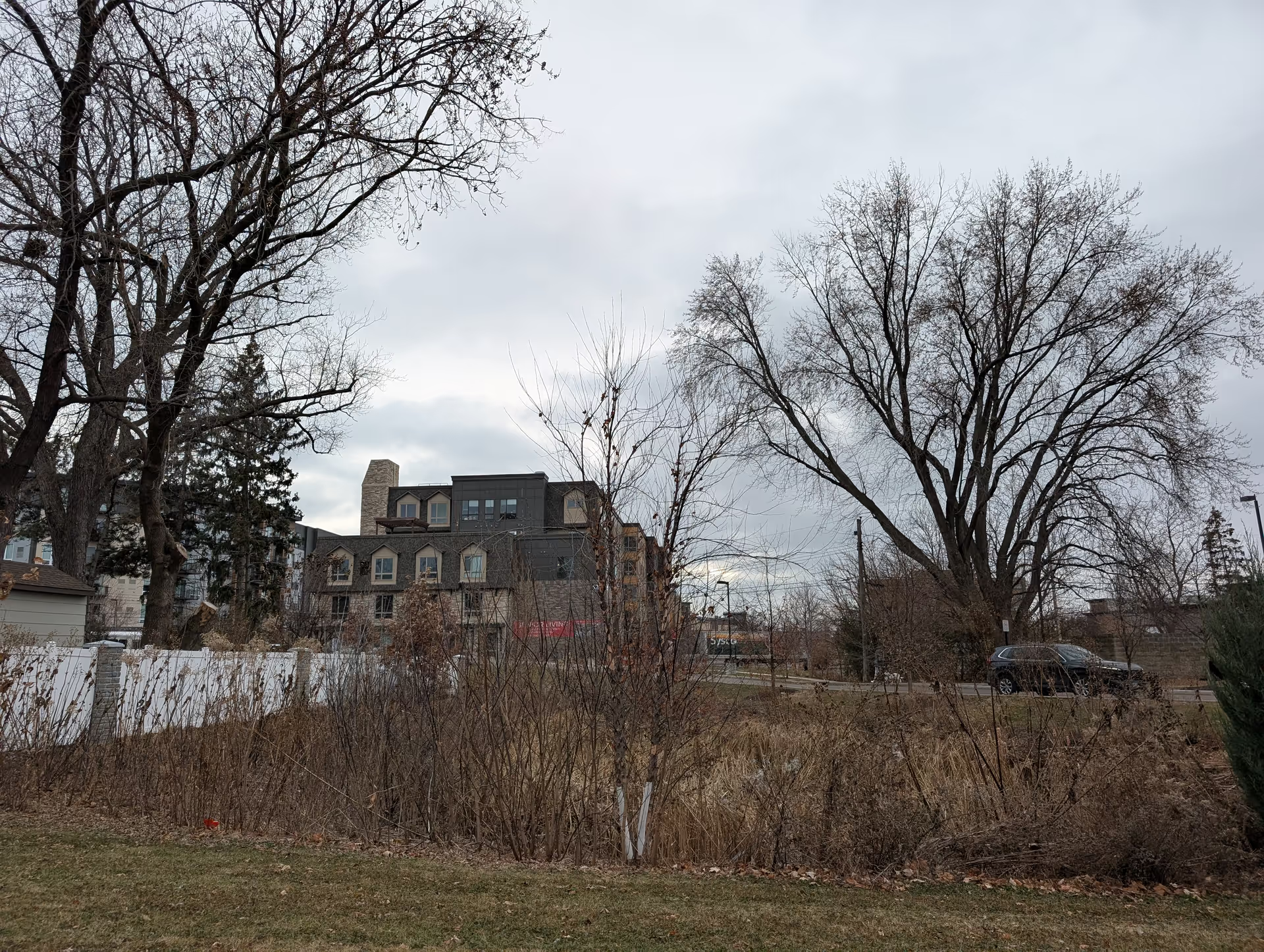
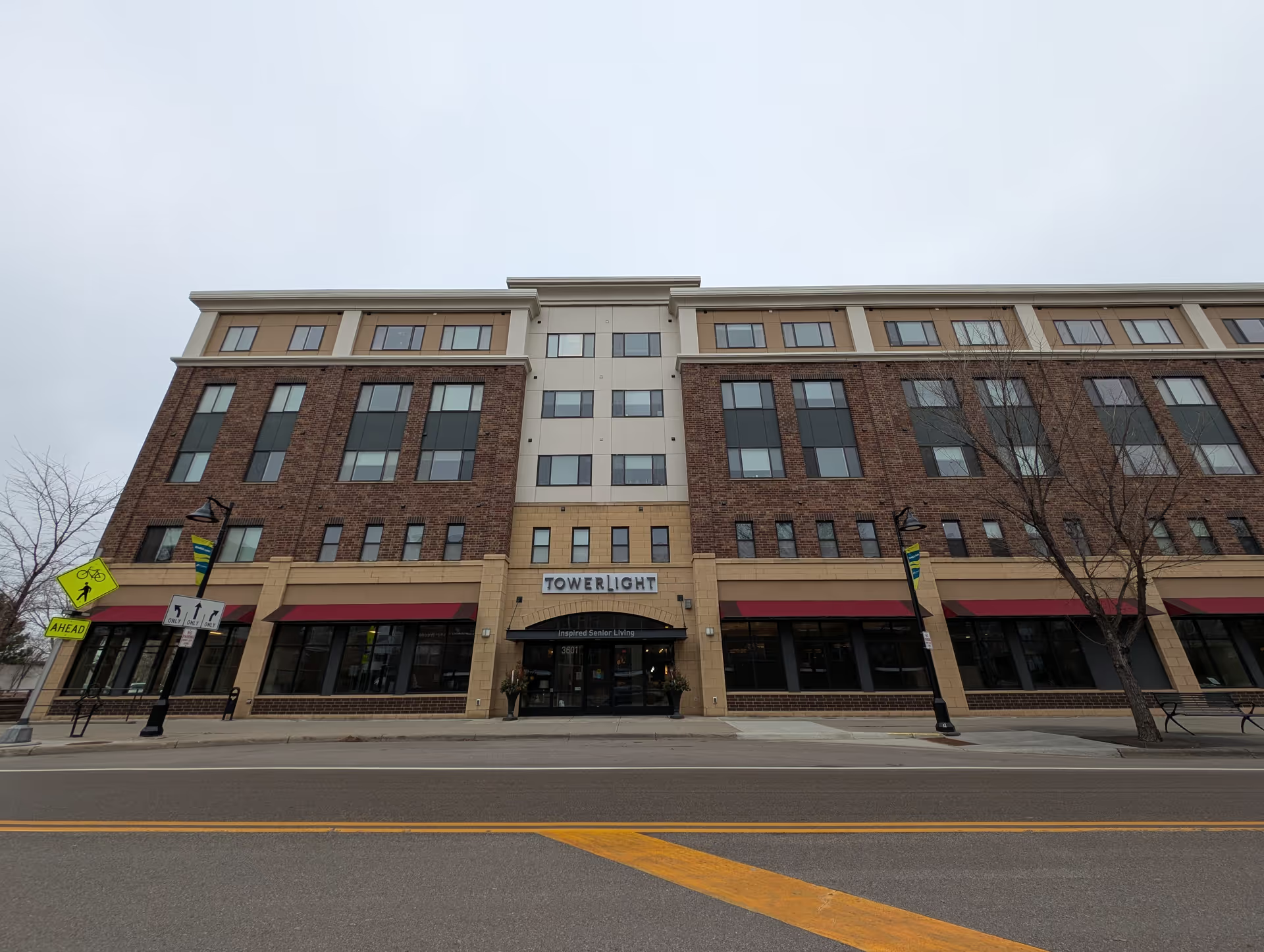
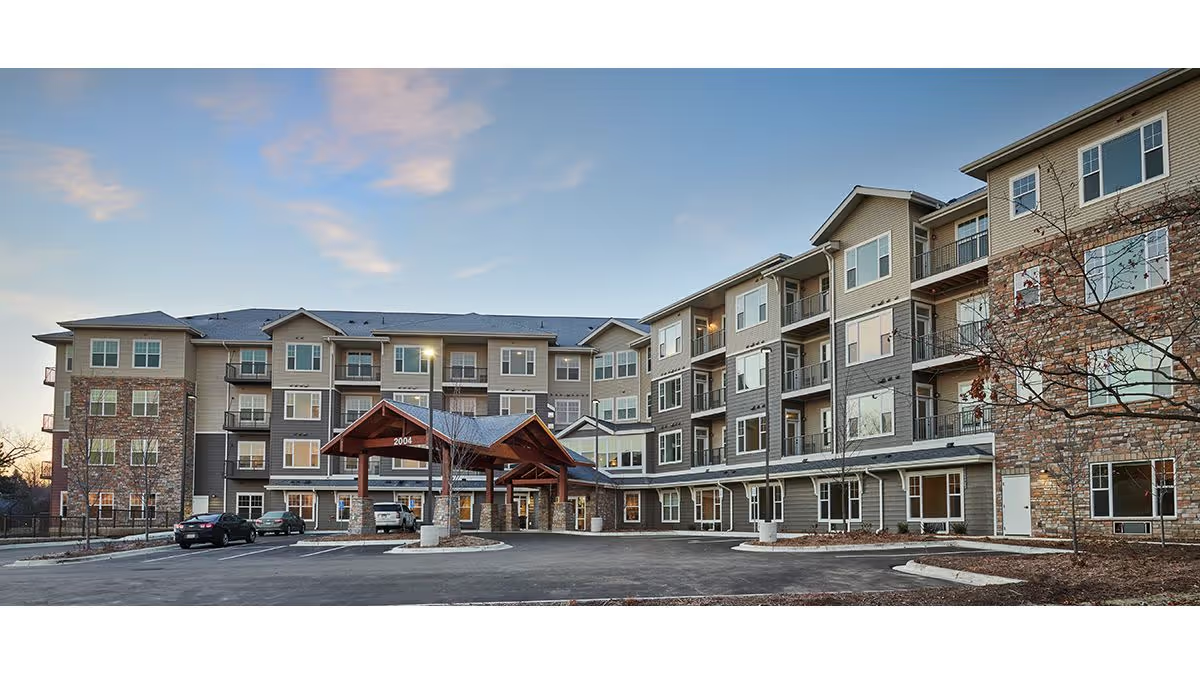
The Villa at St Louis Park presents a mixed picture: the physical plant and therapy services are frequently cited as strengths, while operational and care-delivery consistency appear to be the main areas of concern. Many commenters describe a clean, well-maintained, smoke-free building with large, bright private rooms and visible safety precautions. The facility's physical and occupational therapy offerings receive positive mention, and some families report reliable transportation arrangements and regular updates during critical periods.
Care quality and staffing are the most inconsistent elements across the reviews. Several accounts praise compassionate, attentive nurses, aides, and therapists who provide timely end‑of‑life care and accommodating service. At the same time, there are recurrent descriptions of chronic understaffing, long waits for call-light responses, and delays for personal-care tasks. These staffing shortfalls are linked to variability in resident experience: some residents receive prompt, patient care, while others encounter slow responses, rough handling concerns, missed or delayed medications, and limited assistance with bathing and hygiene. There are also statements raising concerns about clinical oversight and care coordination, including an isolated allegation of inappropriate clinical decision-making and role misrepresentation; such claims would merit direct inquiry during a visit.
Dining and activities present a similarly mixed pattern. Some reviewers report a varied, flexible menu and accommodating kitchen staff who will provide requested items; others describe inconsistent food quality, limited nutritious alternatives, and occasions when meals were perceived as inadequate. Opportunities for socialization and structured physical activity are described as limited in several accounts, with reports that residents spend substantial time in rooms rather than participating in communal activities or walking programs.
Facility maintenance and comfort receive both praise and critique. The building's aesthetics and upkeep are often noted positively, but practical issues recur: rooms described as excessively cold, uneven temperature control, insufficient overhead lighting, television and telephone accessibility limitations, and isolated sanitation concerns in some rooms or common areas. Operational lapses such as empty oxygen tanks, transfer glitches, lost laundry, and an intermittently unanswered main phone line are also mentioned, indicating gaps in routine processes.
Management and communications are uneven. Positive interactions with staff and timely family updates are reported in a number of cases, yet other accounts highlight difficulty reaching management, unanswered calls, inconsistent follow-through on concerns, and problems with property handling. These patterns suggest variability in administrative responsiveness and process reliability.
For prospective residents and families: an on-site visit and targeted questions are advisable. Ask about current staffing ratios by shift, average call-light response time, clinical oversight and incident-reporting procedures, specific therapy schedules and outcomes, sample menus and nutrition options, laundry and property-handling policies, room temperature controls and lighting, and recent measures taken to address any identified sanitation or maintenance issues. Verifying these operational details and observing a meal period or therapy session can help clarify whether the facility's strengths align with your expectations and care needs.