Overall impression: Reviews describe a facility with notable clinical and program strengths alongside operational inconsistencies. Strengths include a robust therapy program, 24-hour nursing coverage, engaged physicians, and social-services staff who provide outreach and follow-up. Many families cite clean, well-maintained spaces, attractive hospital-style rooms, an active calendar of activities, and staff members who are friendly and helpful.
Care and clinical oversight: The facility's physical therapy team and clinical leadership receive consistent praise; several reviewers highlighted a strong PT director and encouraging therapy staff. Nursing coverage is described as continuous and physicians are characterized as attentive. However, there are recurring concerns about medication administration practices and clinical handoffs. Reviewers describe instances where medication continuity and related processes appear inconsistent, and some identified high staff turnover as a factor that can disrupt continuity of care. One review raised a serious allegation of inappropriate staff conduct; that individual concern should prompt direct inquiry during a tour or meeting with management.
Staff and management: Staff are frequently described as respectful, friendly, and caring, and specific leaders such as the Director of Nursing and the social services director receive positive mention. At the same time, families describe uneven responsiveness to direct-care needs (for example, delayed call-light responses) and inconsistent follow-up from management after admissions events or outreach. These patterns suggest variability in day-to-day staff engagement and in managerial communication practices.
Dining and activities: Activity programming is consistently noted as a positive feature, with a variety of resident activities available. Dining comments are mixed—some reviewers praise the meals and presentation, while others describe an unsatisfactory dining experience. This indicates variability in meal quality or meal-service consistency that prospective residents should evaluate in person, especially at mealtime.
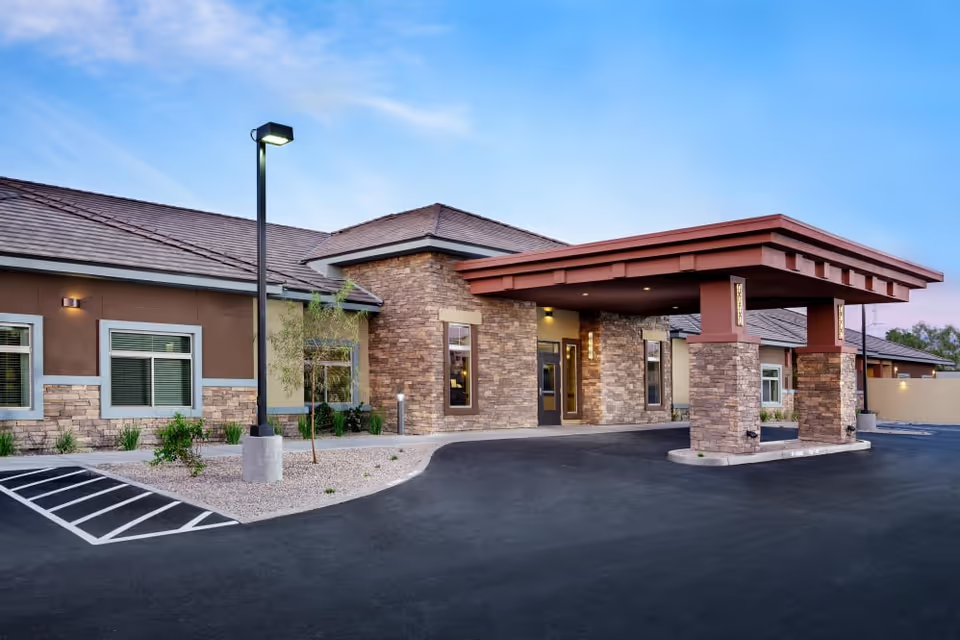
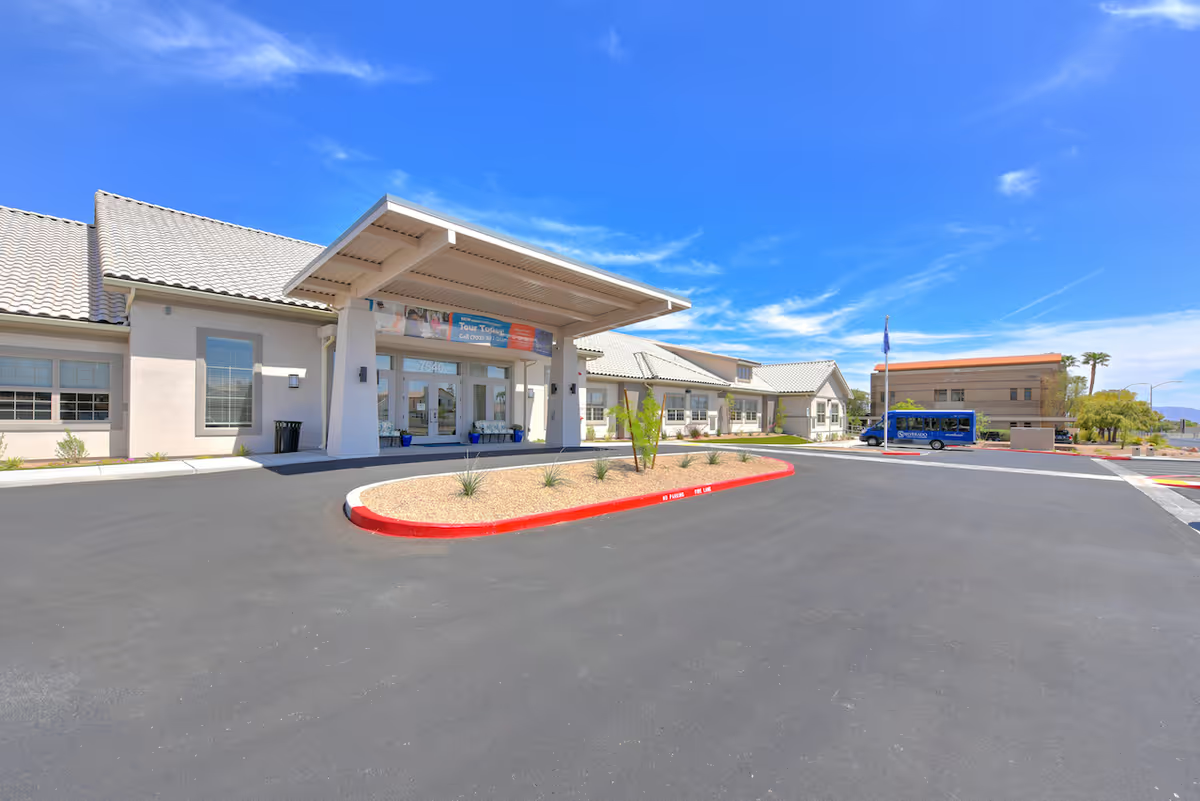
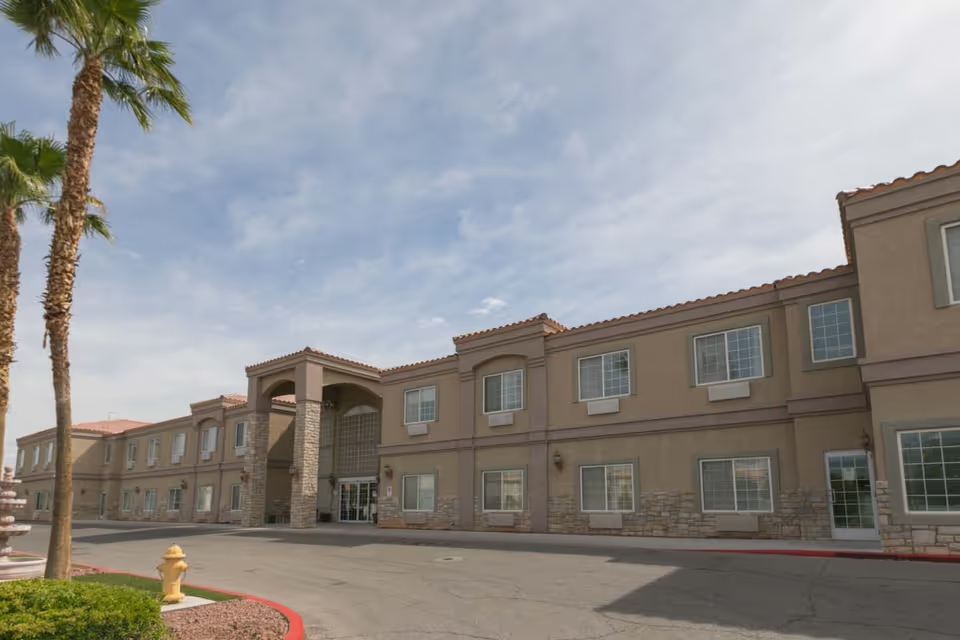
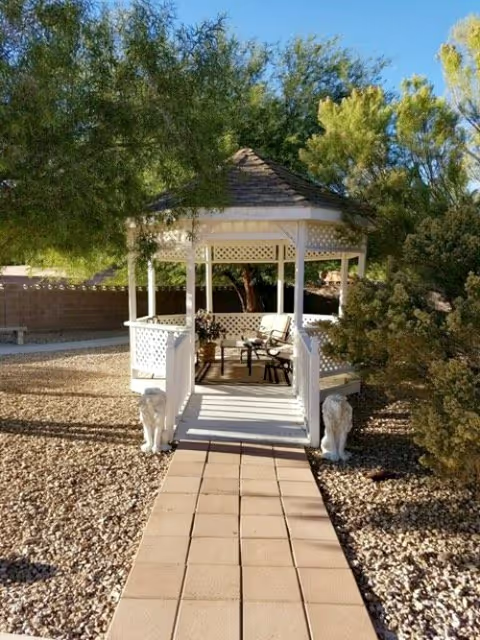
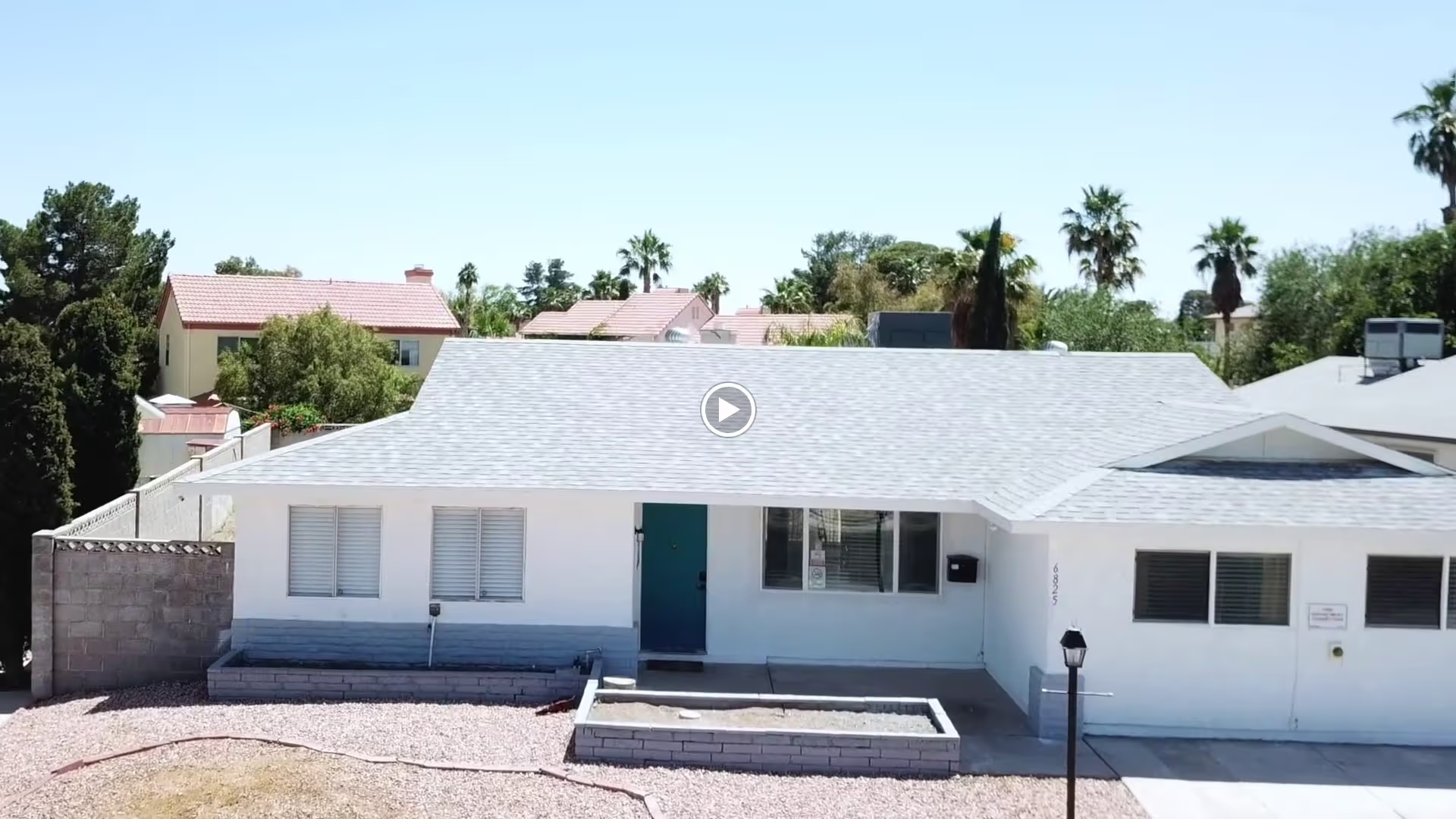
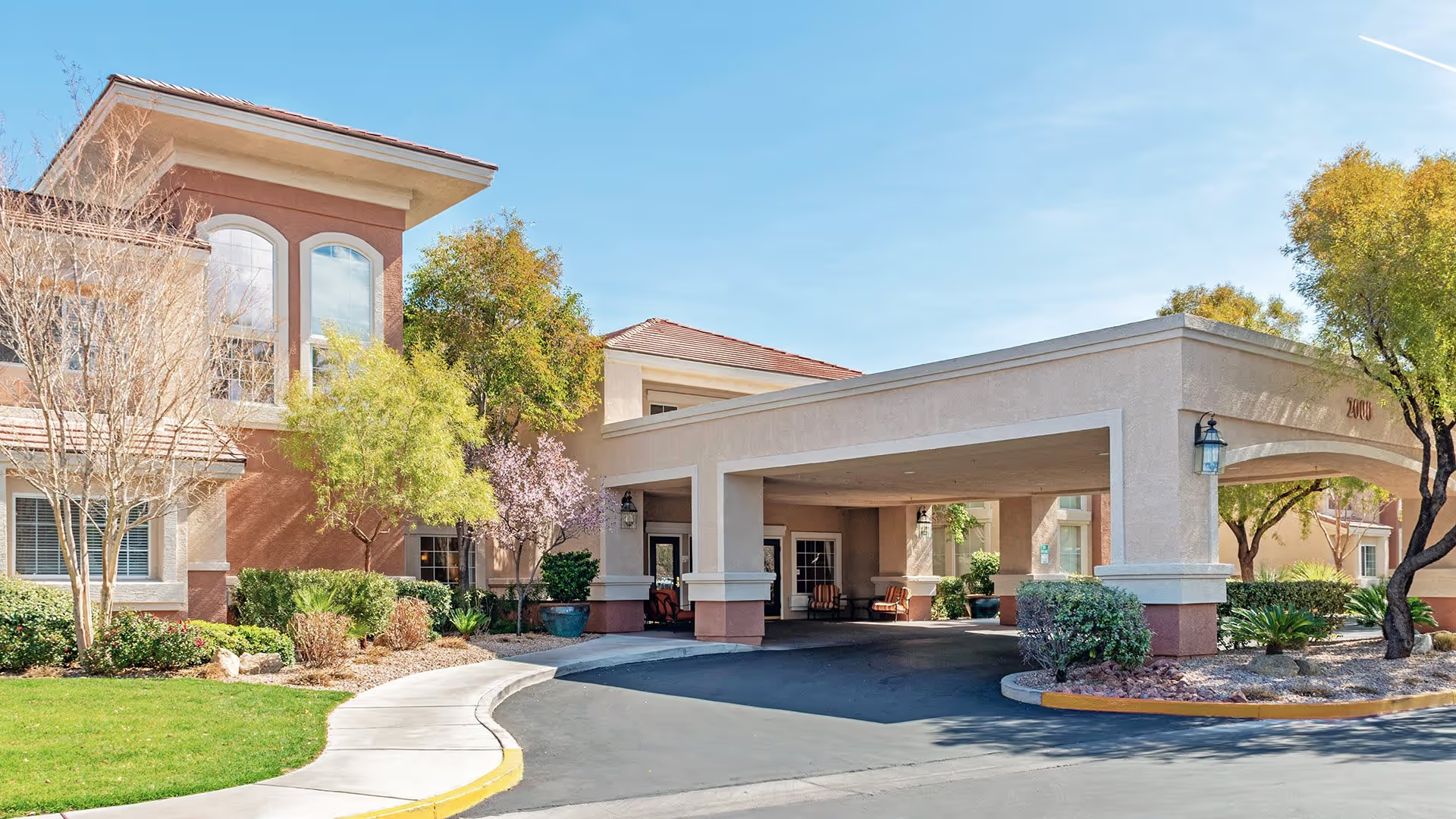
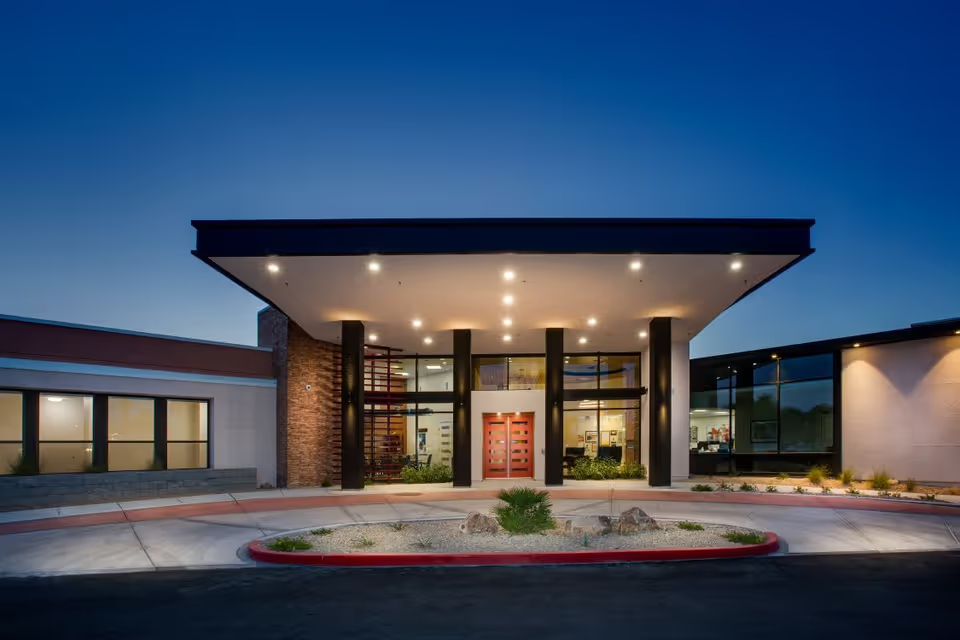
Facilities and resident experience: The building and rooms are commonly described as clean and well-maintained, with a more clinical or hospital-like aesthetic noted by some families rather than a homelike atmosphere. A few reviews raise sanitation concerns and incontinence-care delays in resident rooms, and at least one reviewer described missing personal items after a room move, suggesting gaps in personal-belongings handling and inventory procedures.
Notable patterns and recommendations for families: Strengths cluster around therapy, certain clinical leaders, and general cleanliness; weaknesses cluster around variable direct-care responsiveness, medication-management consistency, staff turnover, meal-service variability, and management follow-through. Prospective residents and families should consider asking about staff turnover rates and medication-administration protocols, observing a mealtime during a visit, reviewing the facility's procedure for room transfers and personal-item inventories, and meeting directly with the DON and the social-services director to understand follow-up practices. These targeted questions can help assess whether the facility's operational practices align with a family's expectations for continuity, responsiveness, and resident dignity.