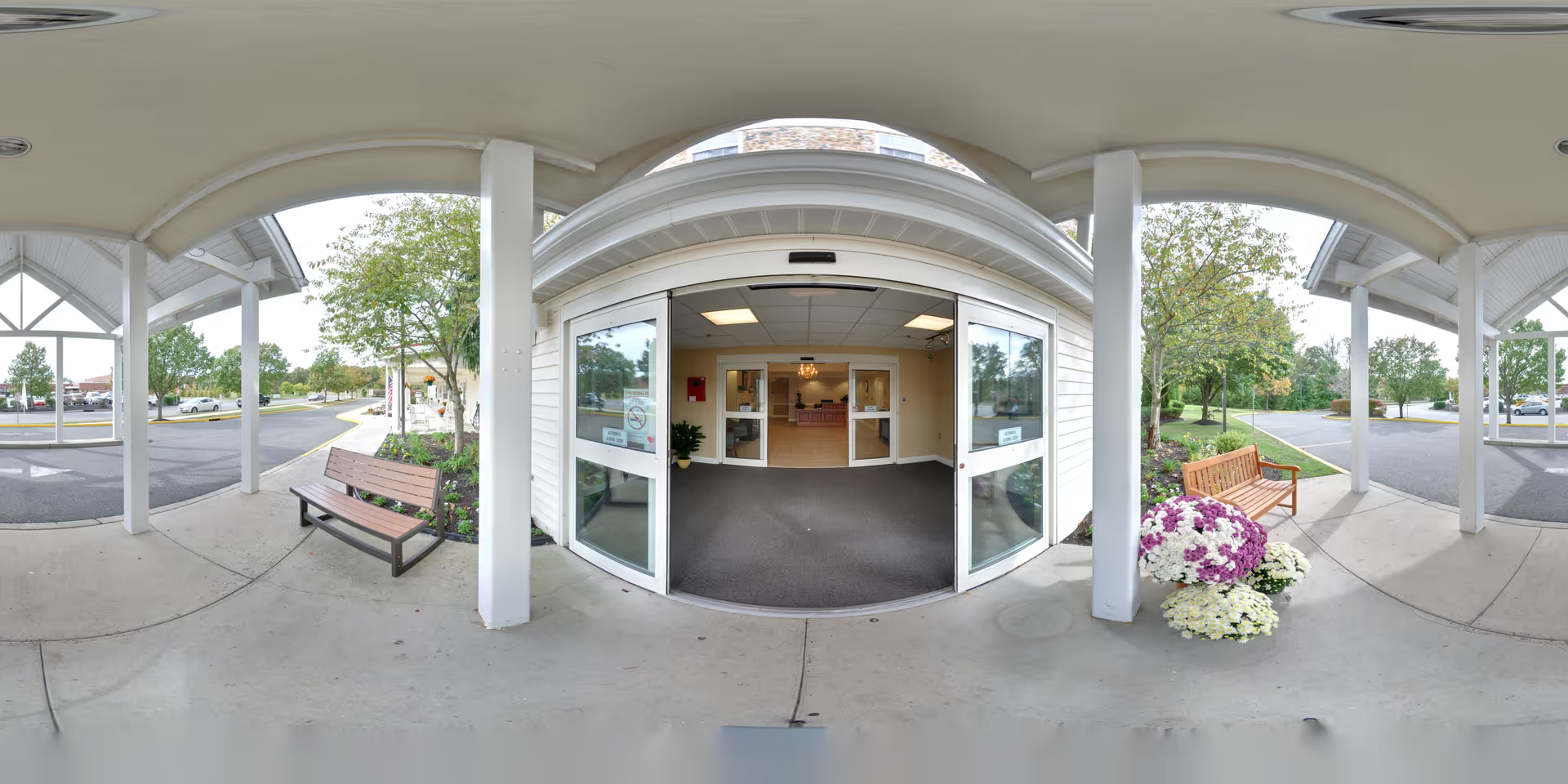
Overall impression: Reviews present a mixed but coherent picture. Many families and residents praise the compassion and professionalism of clinical and support staff, the facility’s emphasis on rehabilitation, and the cleanliness of common areas. At the same time, a number of operational and organizational concerns recur across accounts, creating variability in day-to-day resident experience.
Care and staff: Nursing teams and CNAs receive frequent positive mentions for attentive, compassionate bedside care and respectful interactions; individual staff members and the concierge/reception staff draw specific praise. The rehabilitation program is a clear strength for many residents — timely evaluations, coordinated PT/OT/dietitian input, and focused rehab plans are highlighted. However, reviewers also describe inconsistent staff professionalism and variable responsiveness. Delays in answering call bells (notably at night) and uneven conduct among team members create gaps in perceived reliability. This inconsistent responsiveness, combined with concerns about staffing mix, may affect continuity of care for some residents.
Dining and clinical nutrition: Dining experiences are uneven. Several reviews describe helpful coordination with dietary staff and appropriate therapy-related meal planning, while others raise concerns about adherence to therapeutic diet specifications and meal quality. Families considering residents with strict dietary needs or diabetes should verify current menu practices and dietitian oversight during a tour or intake conversation.
Activities and resident life: The facility’s activity programming and community features are frequently cited positively. Daily activities, celebratory events, and spiritual services (including a chapel) contribute to a home-like atmosphere for many residents. Housekeeping and common-area cleanliness are also strengths noted by multiple families.
Facilities and maintenance: Physical condition and room quality are inconsistent. Some areas and rooms are described as clean and well-maintained, while others show signs of underinvestment: outdated furniture, older mattresses and TVs, and small rooms. There are also isolated pest-control concerns that warrant attention. Prospective residents should inspect specific rooms and inquire about maintenance and upgrade plans.
Management, communication, and accountability: A primary negative pattern concerns communication and administrative follow-through. Reviews mention phone/voicemail routing issues, gaps in family notification after clinical events, and unsatisfactory complaint-resolution or reimbursement processes. There are also instances of lost or misplaced personal belongings and inadequate follow-up, which point to weaknesses in property-management and accountability systems. These operational gaps — rather than frontline caregiving alone — are likely contributors to variability in family satisfaction.
What to consider when evaluating this facility: The Bishop McCarthy Center appears to deliver strong, rehabilitative, person-centered care for many residents, supported by compassionate nursing and activity staff. At the same time, variability in responsiveness, room maintenance, dietary consistency, and administrative communication have been important pain points for some families. When evaluating placement, prospective residents and families should (1) meet the nursing and therapy teams, (2) review current staffing levels and on-call/night response protocols, (3) inspect prospective rooms for maintenance standards, (4) discuss therapeutic-diet procedures with dietary leadership, and (5) ask about the facility’s complaint-resolution and property-accountability processes.