Overview: Reviews for the facility describe a clear strength in hands-on care and rehabilitation, paired with operational inconsistencies that prospective residents and families should evaluate. Staff-level interactions are the most consistently positive element: nurses, CNAs, therapists, and several social workers receive repeated praise for compassion, attentiveness, clear communication, and advocacy. Physical and occupational therapy programs are frequently credited with rapid mobility gains and individualized treatment plans, and specialized pulmonary attention was mentioned for residents with respiratory needs.
Care and staff: Clinical caregiving and therapy teams are portrayed as professional and effective. Multiple comments highlight attentive nursing, caring aides, and a strong therapy culture that supports functional improvement and independence. Social-work support is also singled out as a positive, with examples of advocacy and proactive family communication. That said, there are recurring concerns about staffing levels: reviewers describe periods when staff availability was limited, which contributed to delays in attention and unmet needs. There are also isolated but serious complaints about staff conduct and accountability that contrast with the otherwise positive descriptions of frontline teams.
Dining and activities: Meal quality is generally described positively in terms of taste, though a few reviewers noted that presentation or offerings did not always match promotional images. Activity programming appears limited in scope and frequency; typical offerings mentioned include bingo, religious services, old movies, and occasional special events (for example, a drumming class and an afternoon tea). Where activities are engaging, they are appreciated, but overall the selection and regularity of programming may be modest for residents seeking a robust calendar of social and recreational options.
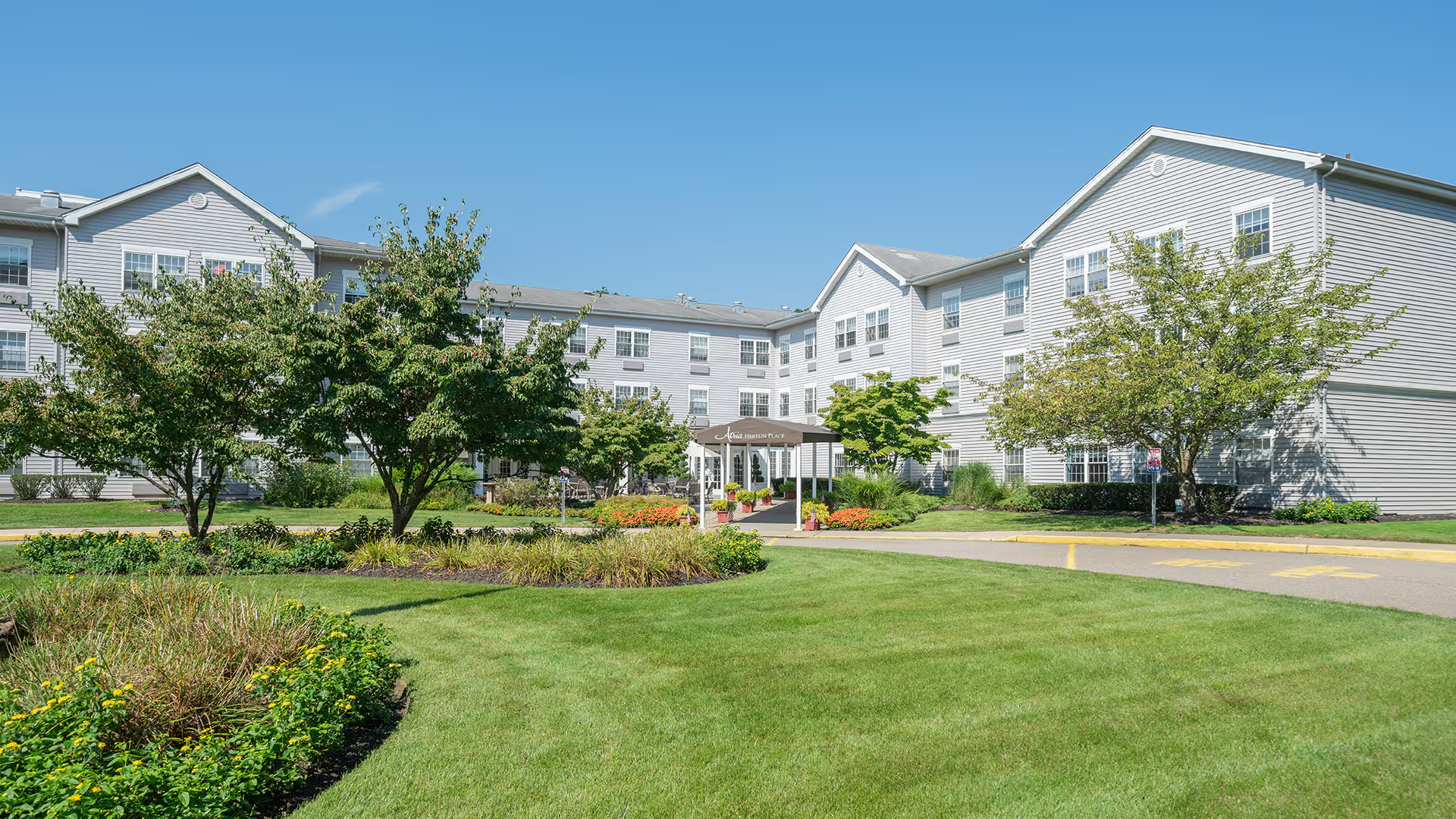
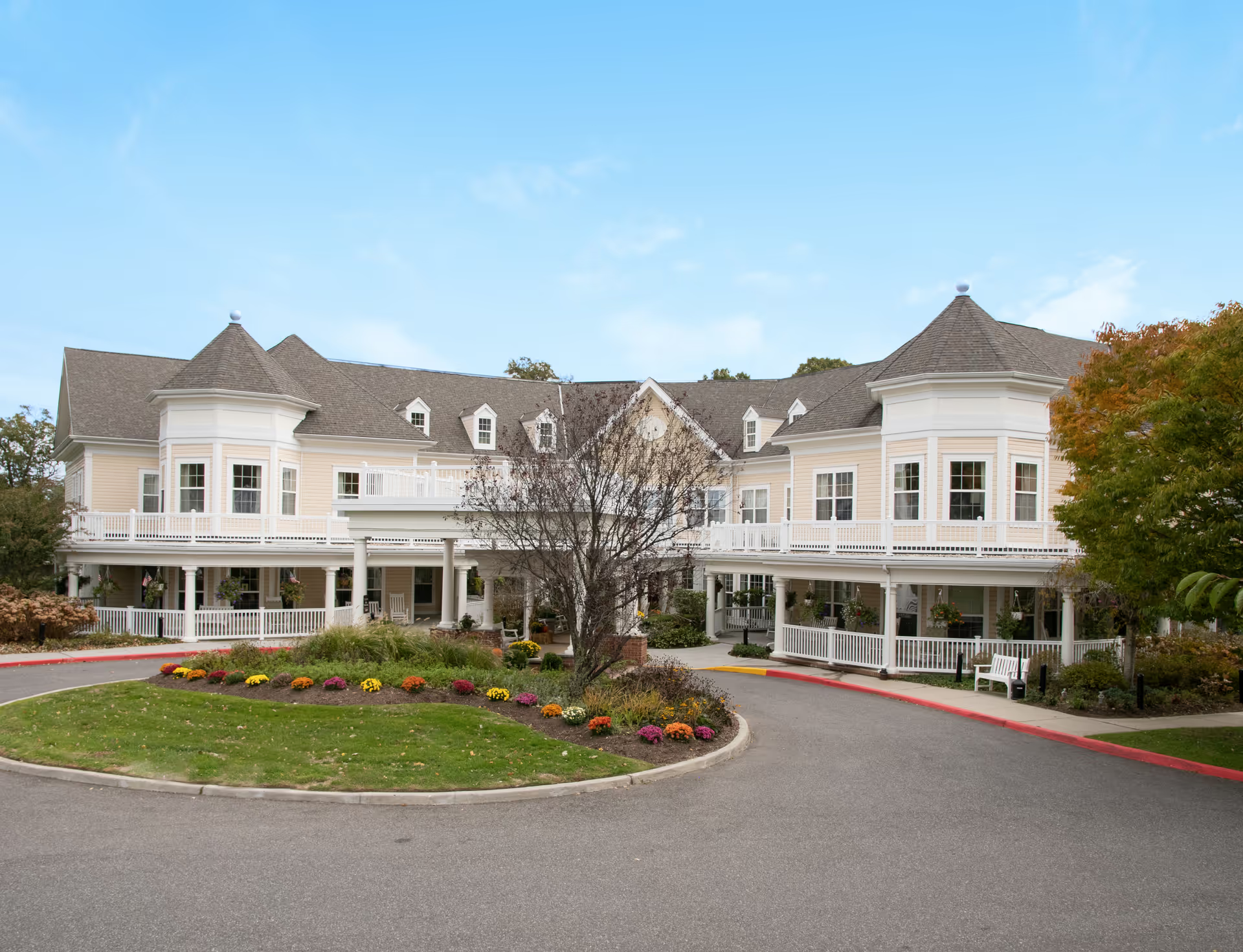
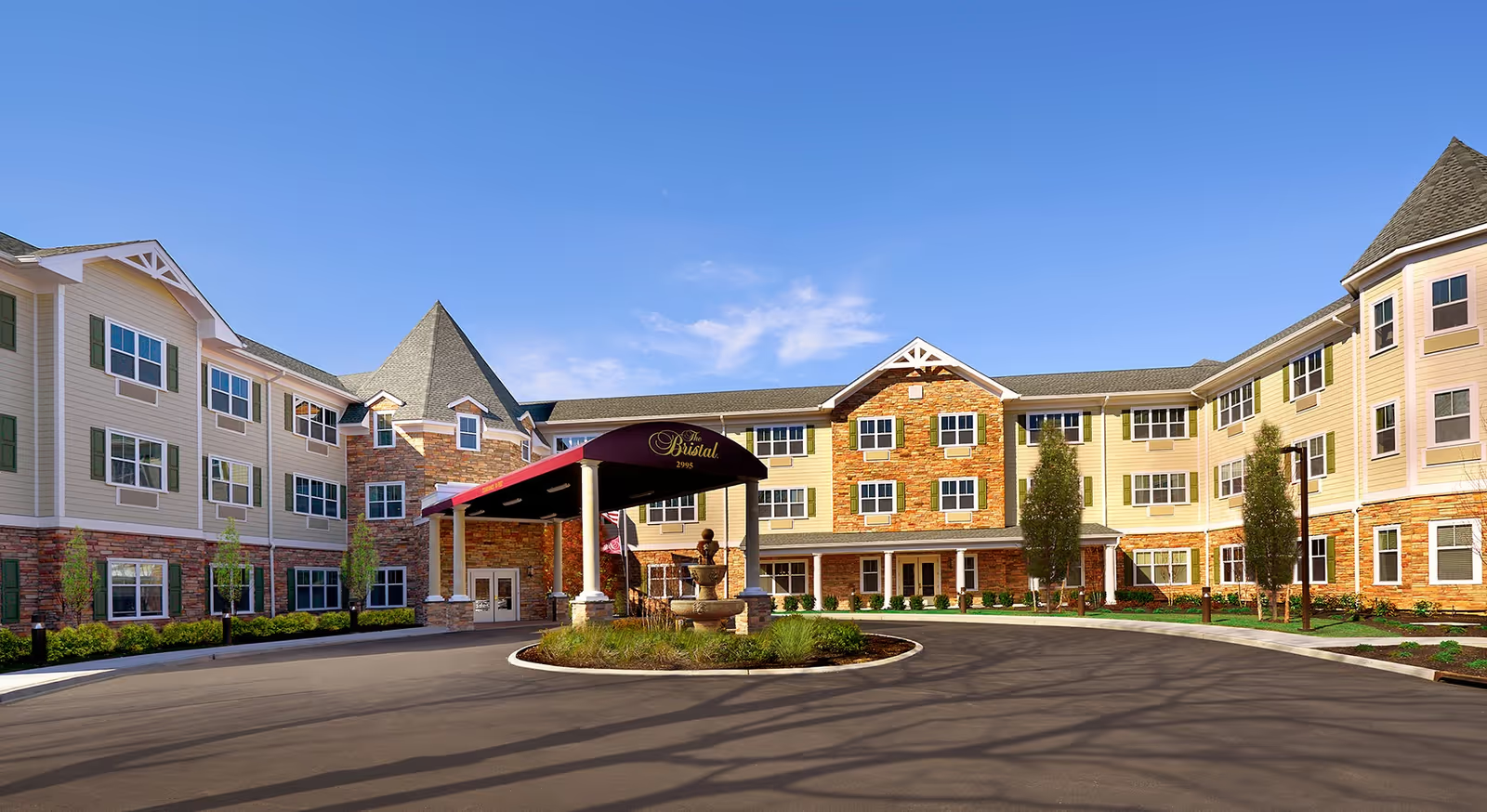
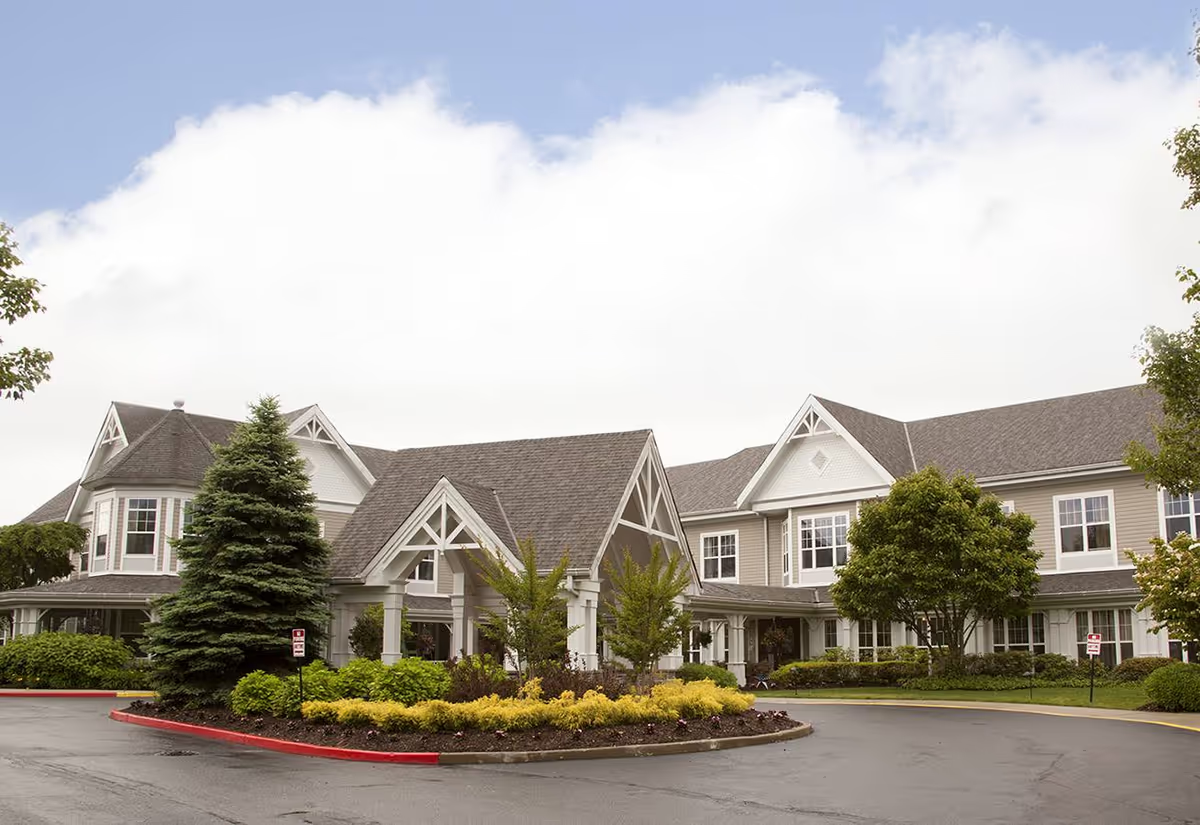
Facilities and environment: The facility is characterized as clean and bright in many common areas and therapy rooms, with specific praise for the lobby, bathrooms, and rehabilitation spaces. However, condition varies by unit: some floors and rooms are described as nicer than others, and there are noted odor concerns on particular units. The building is older in parts but has undergone some updates. Outdoor amenities are limited; a lack of designated outdoor seating was mentioned as a gap.
Management and operational patterns: Comments about management and administrative processes are mixed. Positive notes include professional, informative admissions interactions and proactive communication from some staff. Conversely, reviewers raised concerns about transparency around clinical changes (for example, unexplained weight loss), the clarity and tone of discharge discussions, and occasional examples of unprofessional conduct by specific staff members. There are also operational issues around personal-property handling and inventory that families should clarify during visits.
Notable patterns and guidance for visitors: Overall the dominant theme is strong direct-care and therapy capability, balanced against uneven facility condition and operational weaknesses. Prospective residents and families would benefit from visiting multiple units, observing staffing levels at different times of day, reviewing therapy plans and expected outcomes, asking about outdoor spaces and activity schedules, and discussing personal-property policies and discharge procedures. Requesting examples of physician coverage and protocols for clinical changes (including weight monitoring and family notification) can help clarify areas where reviewers identified gaps.