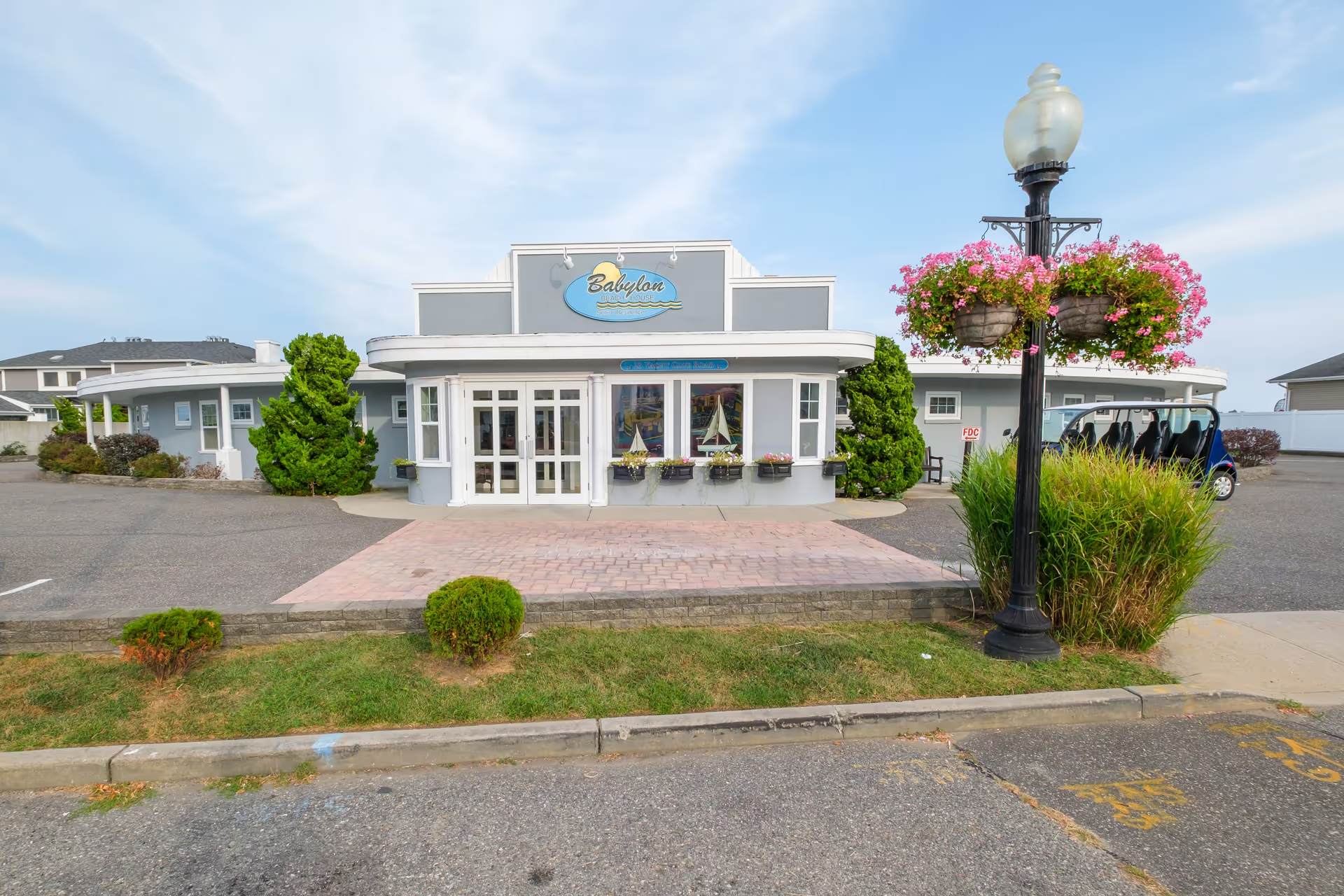
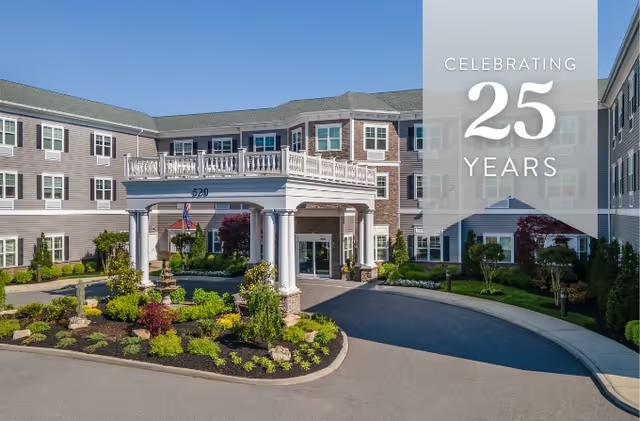
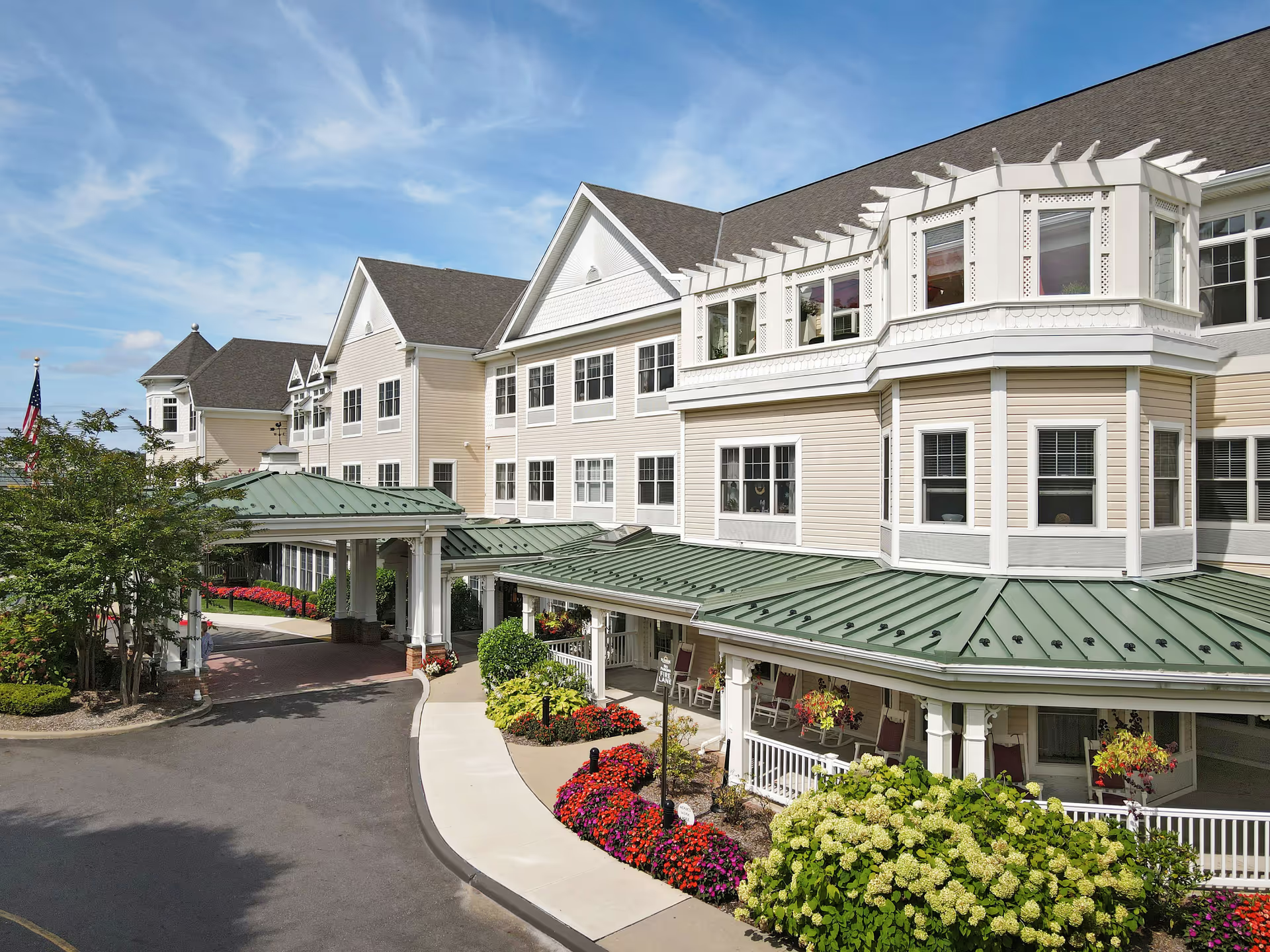
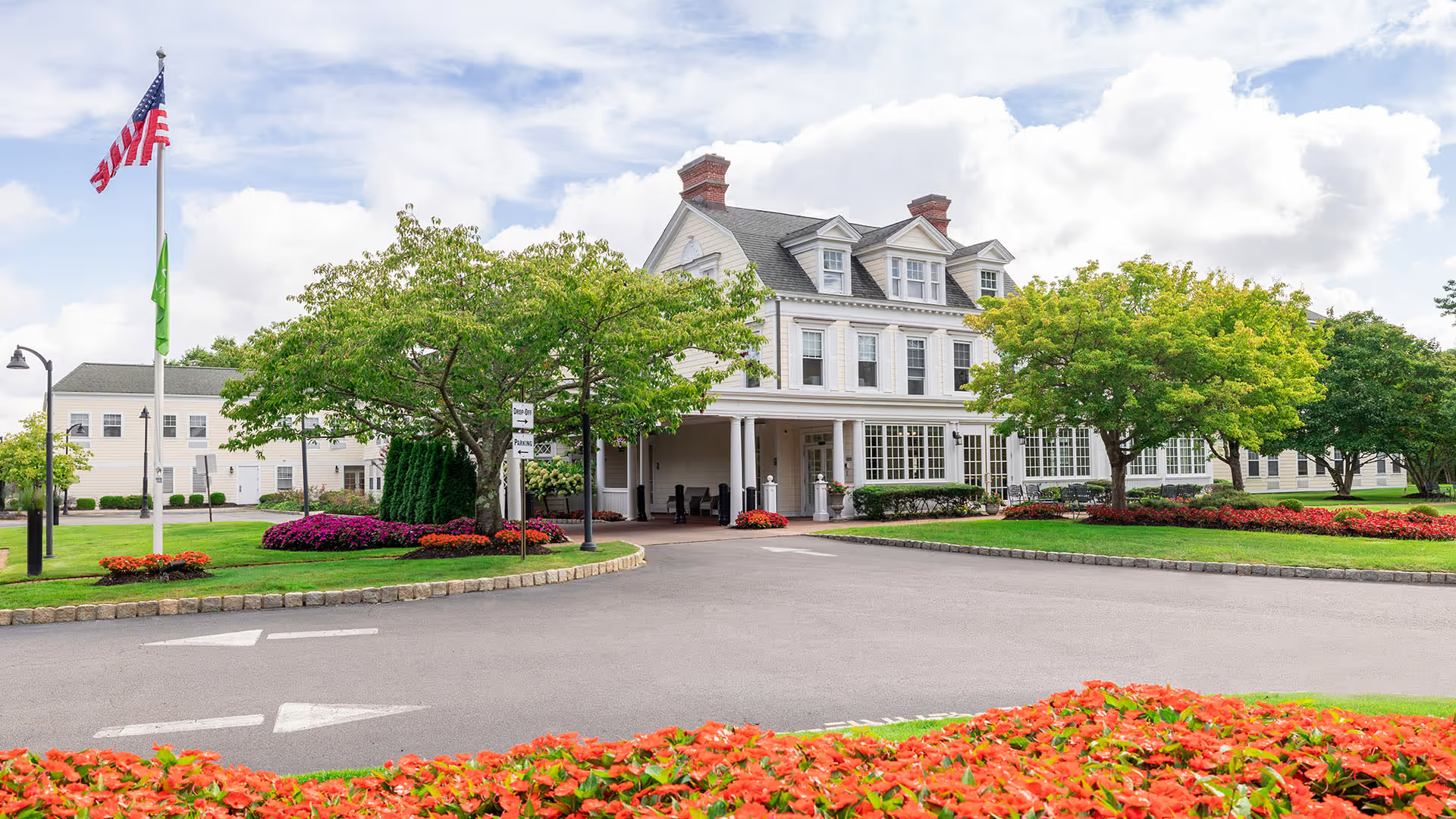
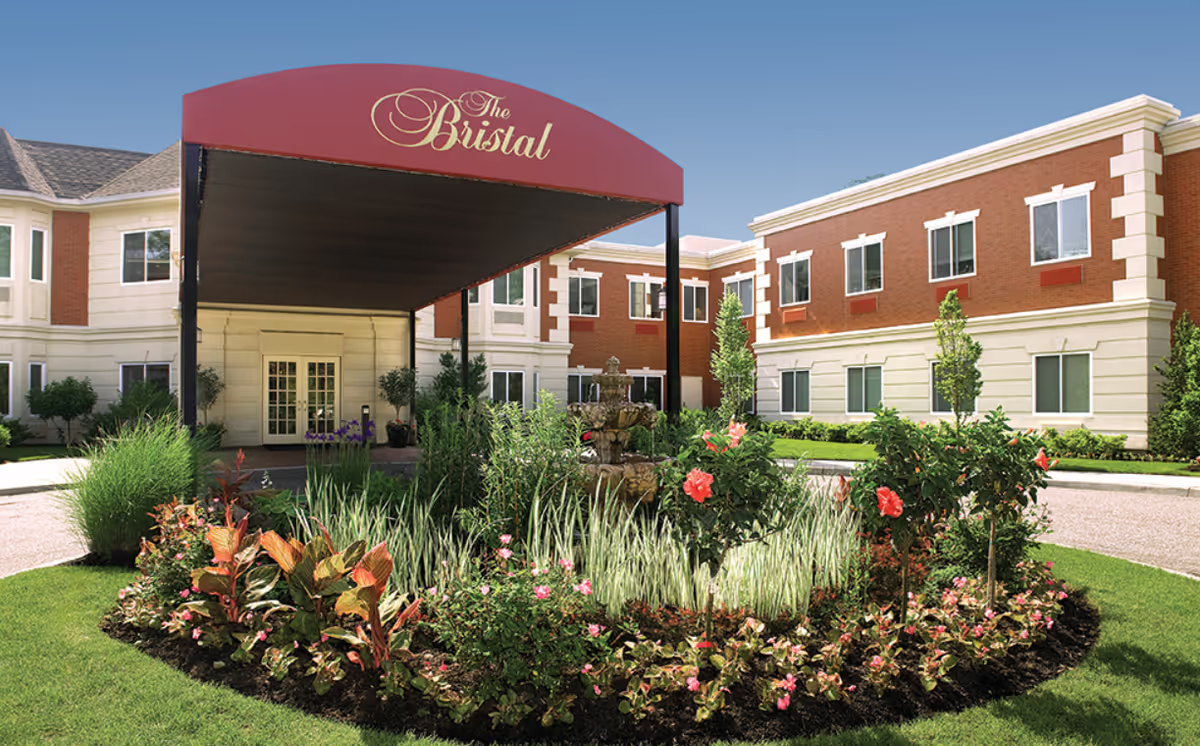
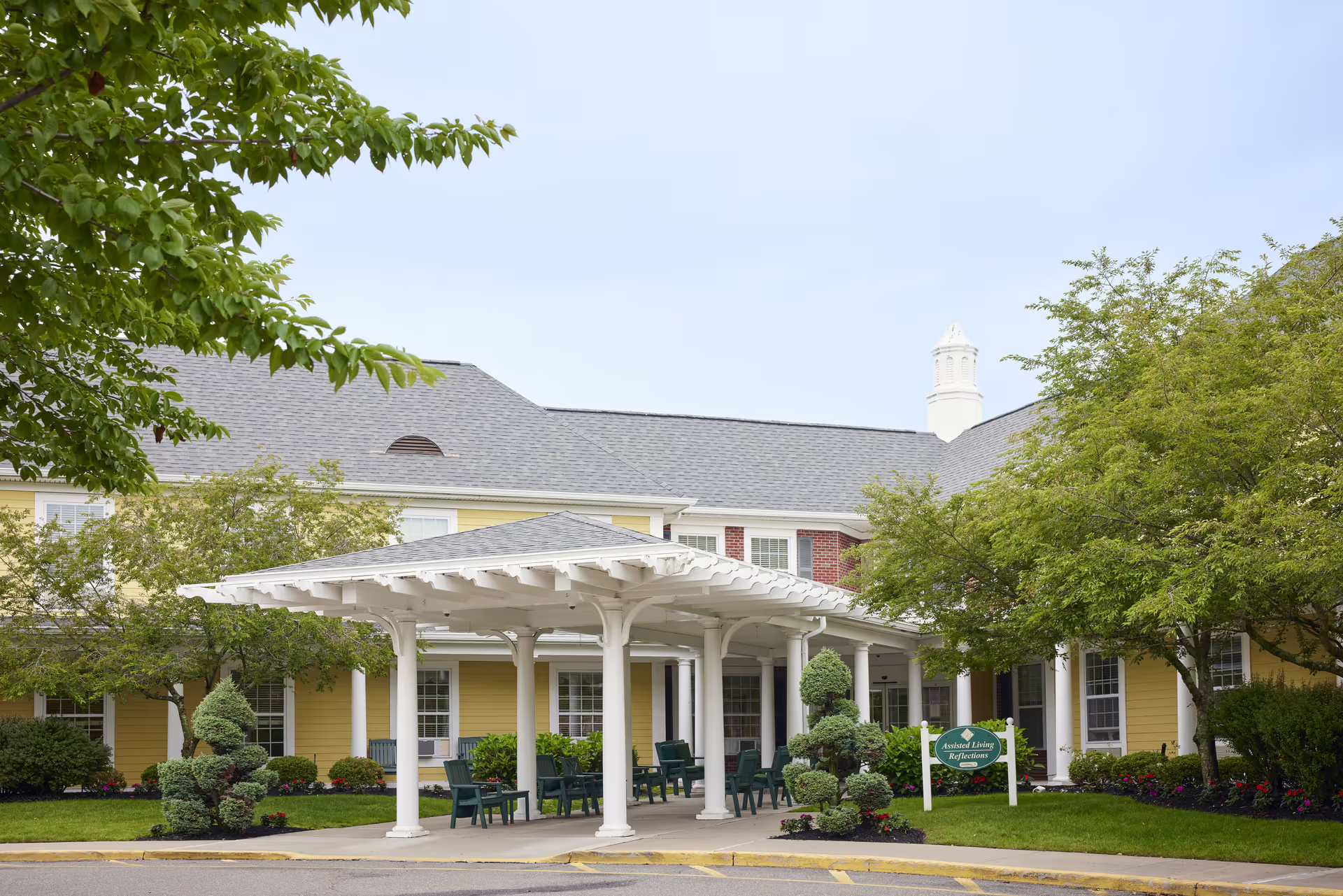
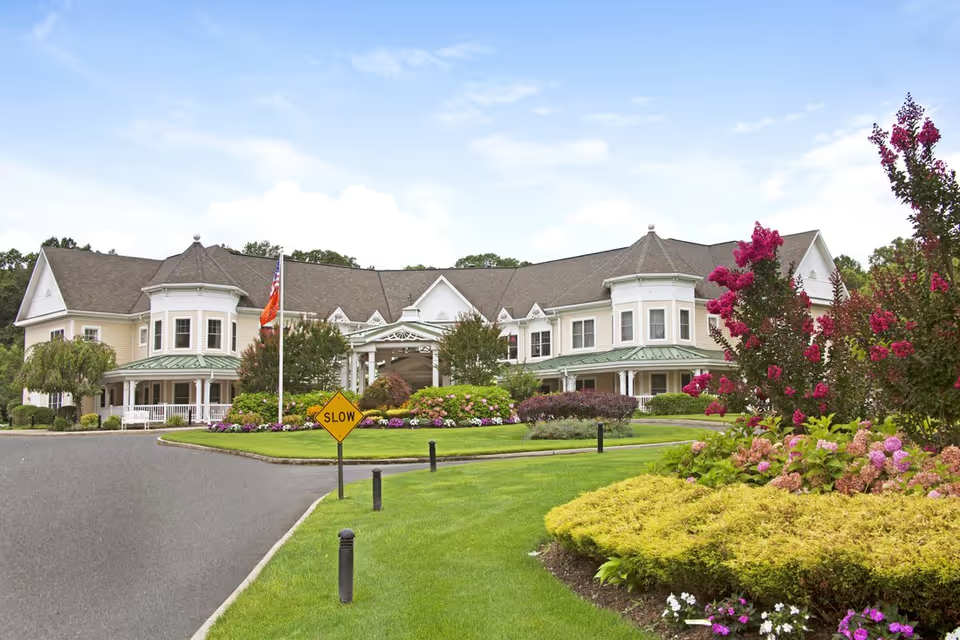
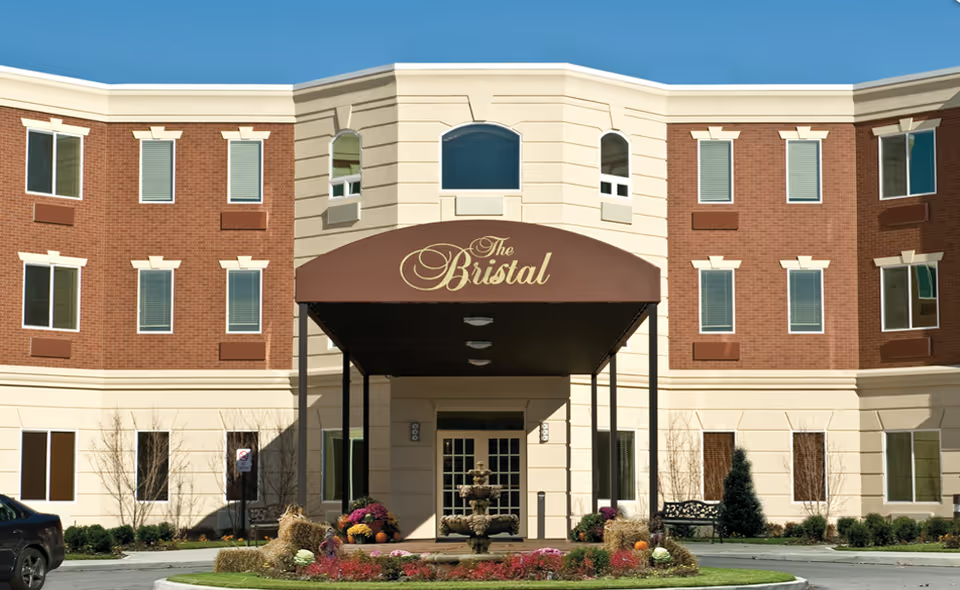
Reviews present a polarized picture of care at this facility. A clear, consistent strength is the rehabilitation program: many families describe effective physical, occupational and speech therapy, and short-term post-acute recovery that produced measurable improvement. The building and grounds are frequently praised — visitors note an attractive exterior, spacious campus, private rooms, and generally well-maintained public areas. Several reviewers also highlight positive interpersonal experiences with individual staff members (including social workers, specific nurses, and therapy personnel), and active recreation and entertainment programs that support social engagement.
At the same time, a sizable number of families describe operational and clinical concerns. Staffing instability — including shortages and frequent use of temporary or untrained float staff — is a recurrent theme and appears linked to delayed responses to call bells, inconsistent assistance with toileting and bathing, and variability in day-to-day resident supervision. Related clinical-process issues include uneven medication-administration oversight and gaps in routine assessment; reviewers characterized some nursing practice as task-focused rather than assessment-driven. Several accounts raise wound-care and hydration/nutrition management concerns and describe rehospitalizations that families attributed to these care gaps.
Dining and activities receive mixed evaluations: while some families praised the food, meals and recreation programming, others reported inconsistent meal quality and food-temperature problems. Facility investments in amenities (grounds, lobby, exterior) contrast with reports that certain interior maintenance and sanitation tasks are not uniformly addressed; some reviewers noted cleanliness concerns in specific rooms or behind closed doors. Safety- and equipment-related issues appear in multiple accounts — examples include problems with bed or alarm functioning, wheelchair fit and mobility-device management, and potentially hazardous door or architectural elements — indicating opportunities for stronger equipment checks and environmental risk mitigation.
Management and communication are additional areas of concern. Several families reported poor front-desk or administrative interactions, billing discrepancies, and limited or delayed family communication after clinical incidents. A number of reviewers described confrontational management responses and restricted family-access practices that complicated advocacy and follow-up. There are also isolated but serious complaints about post-incident investigation and handling, including concerns following a resident's death; these suggest a need for clearer incident-response protocols and family notification processes.
In summary, the facility combines notable strengths in therapy, individual compassionate staff, attractive surroundings, and robust activity programming with operational weaknesses in staffing consistency, timely basic-care delivery, clinical-assessment oversight, and administrative communication. Prospective residents and families should consider touring the facility, meeting unit staff, asking specifically about current staffing ratios and float-staff training, reviewing recent clinical survey results, clarifying billing procedures, and discussing incident-reporting and family-notification policies to assess how current operations align with their care priorities.