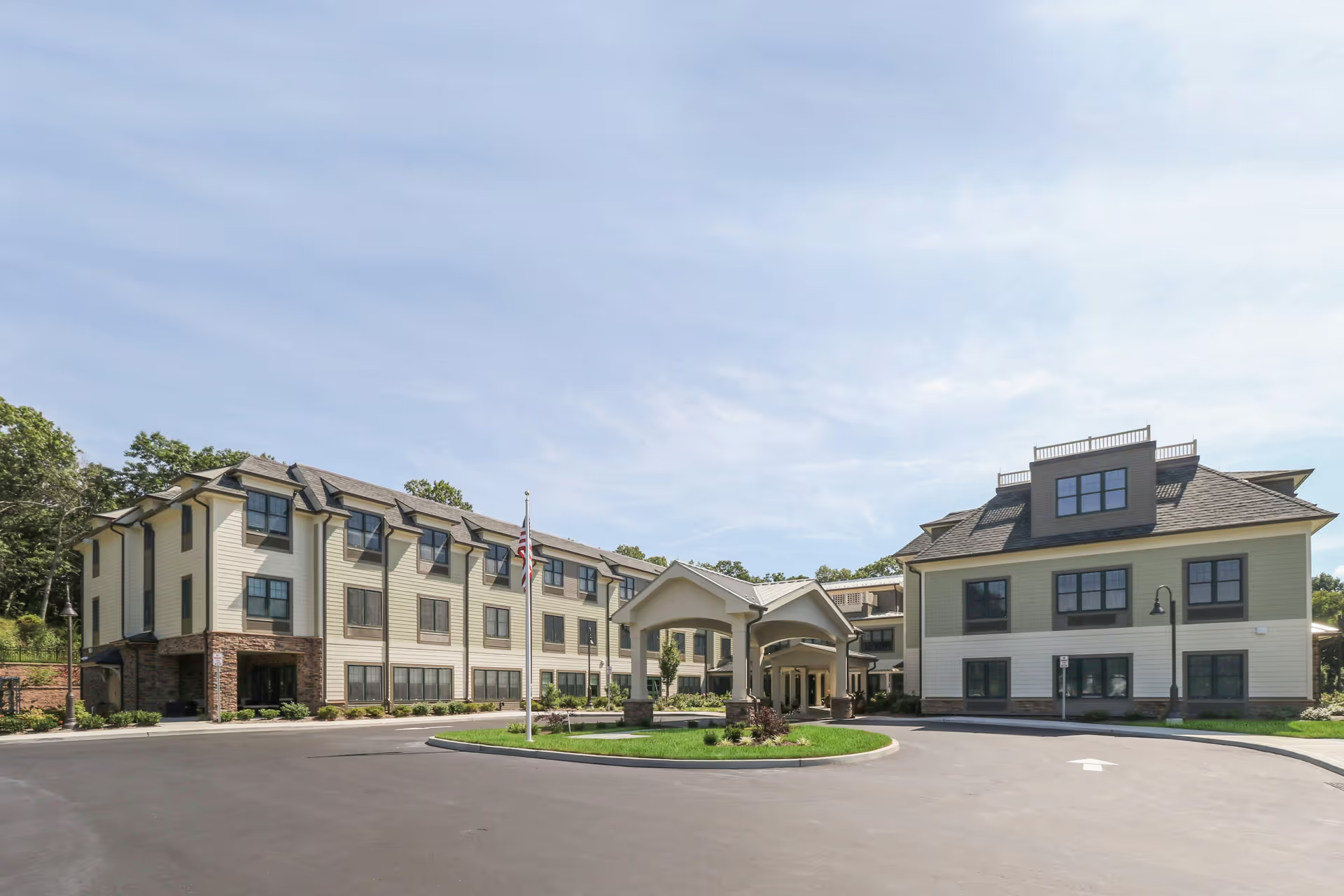
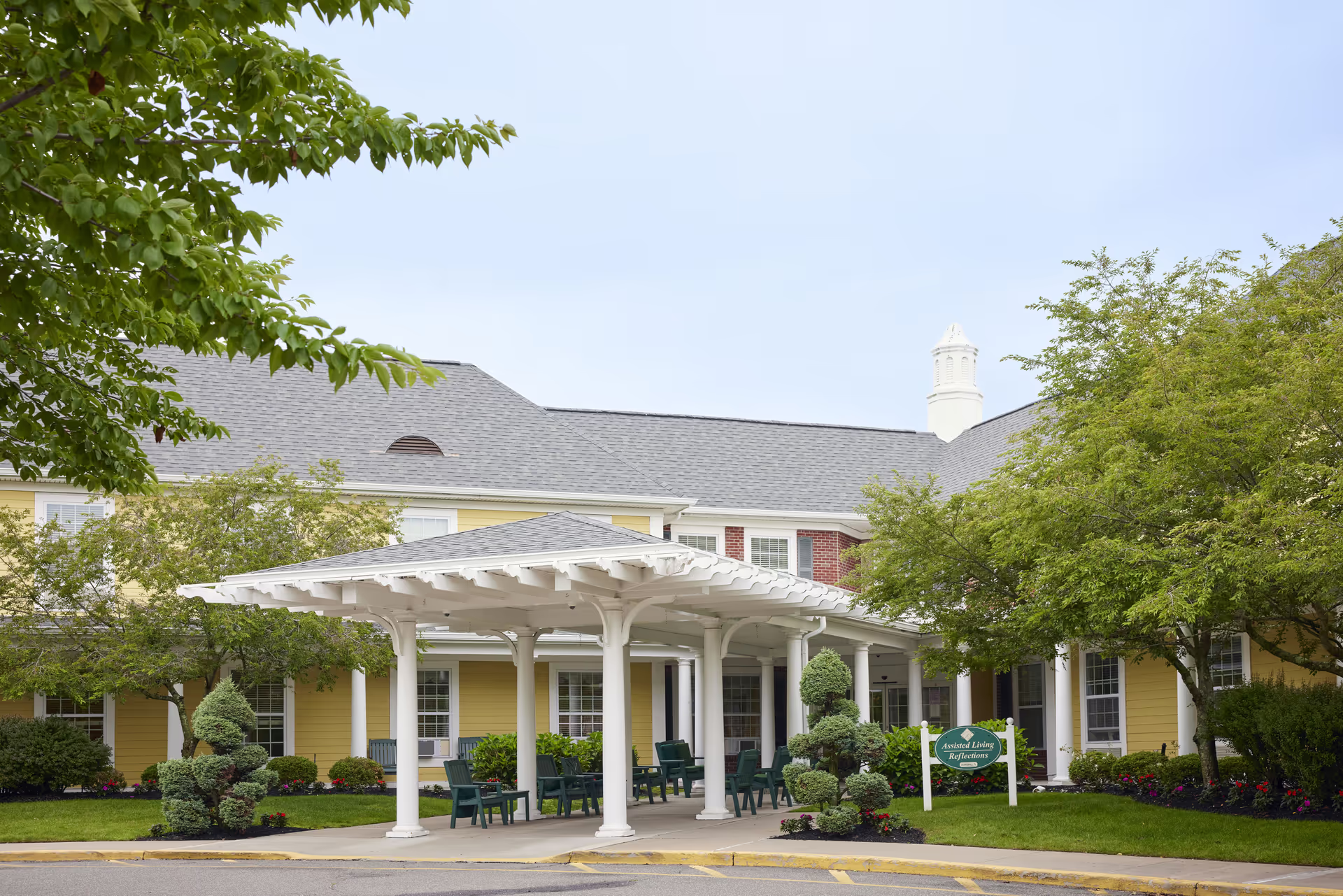
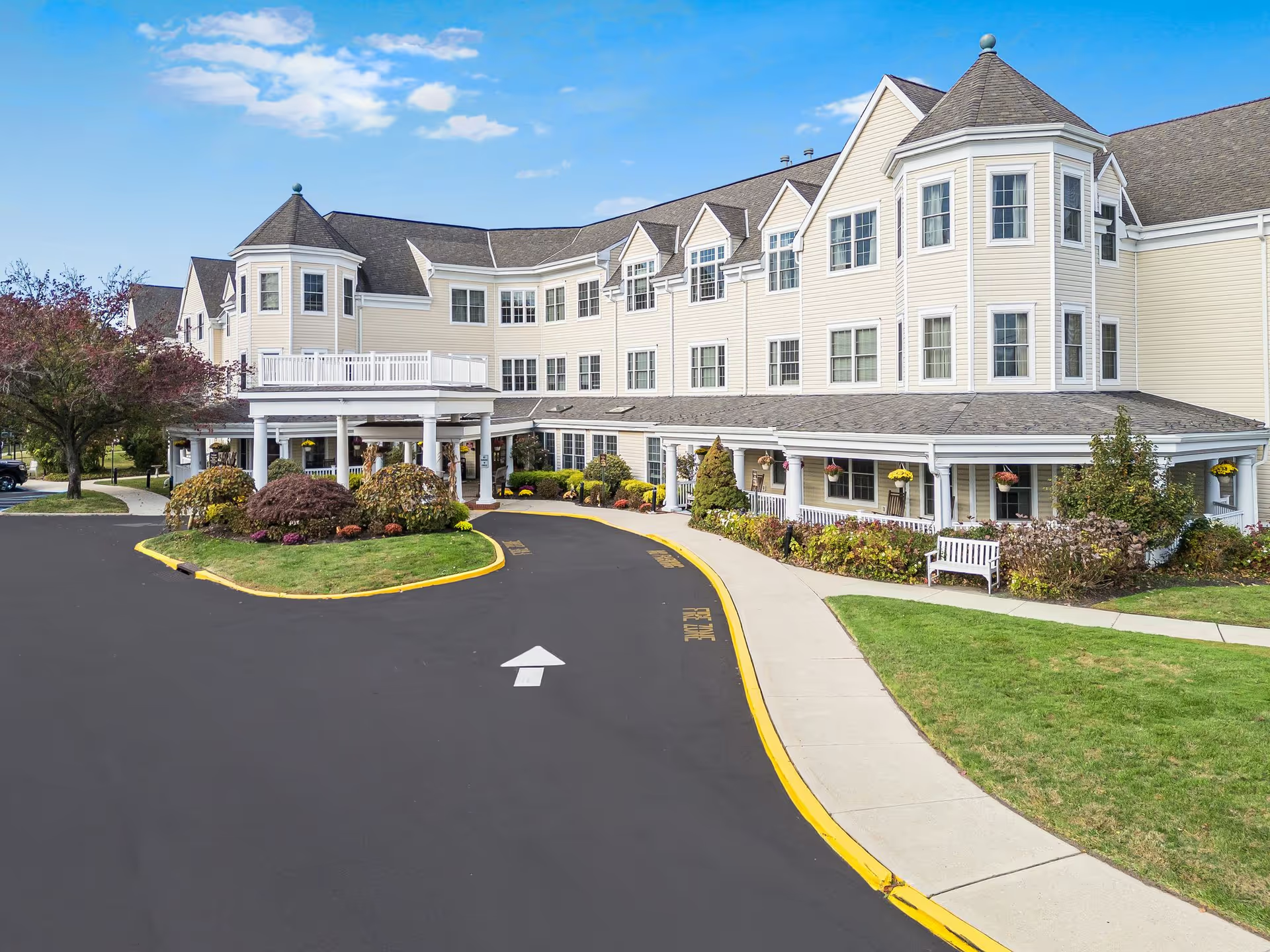
The Bristal Assisted Living at East Northport elicits a polarized set of impressions. Many families and residents describe a warm, hotel-like environment with attentive, compassionate staff and a strong activity program. Positive elements frequently cited include dedicated memory-care expertise, on-site nursing and visiting physician support, comprehensive therapy spaces, and multiple secure outdoor courtyards. The facility’s recreational leadership is regularly praised for inventive programming, frequent off-site trips, holiday events, and social dining that contribute to resident engagement and improved mood for many residents.
Clinical care and staffing present a mixed picture. A substantial number of comments highlight knowledgeable, patient, and caring caregivers as well as effective hospice and end-of-life support. At the same time, reviewers raise consistent operational concerns about staffing stability—notably high turnover and limited overnight coverage—which reviewers link to delays in personal care and variability in clinical oversight. Related themes include questions about medication-management processes and occasional lapses in timely response to clinical needs; these have, in a few cases, resulted in escalations that families found distressing. Reviewers also identify gaps in sanitation and incontinence-care follow-up that indicate inconsistent execution of routine personal-care tasks.
Dining and meal service are another area of contrast. The community markets a restaurant-style dining experience and many residents report attractive presentation, social dining, and special-event menus. However, recurring criticisms focus on inconsistent temperature and doneness, limited healthy or fresh vegetable options, and an emphasis on processed items at times. Families also noted instances of menu items running out or being rationed during peaks, suggesting opportunities to improve meal-service continuity and nutritional variety.
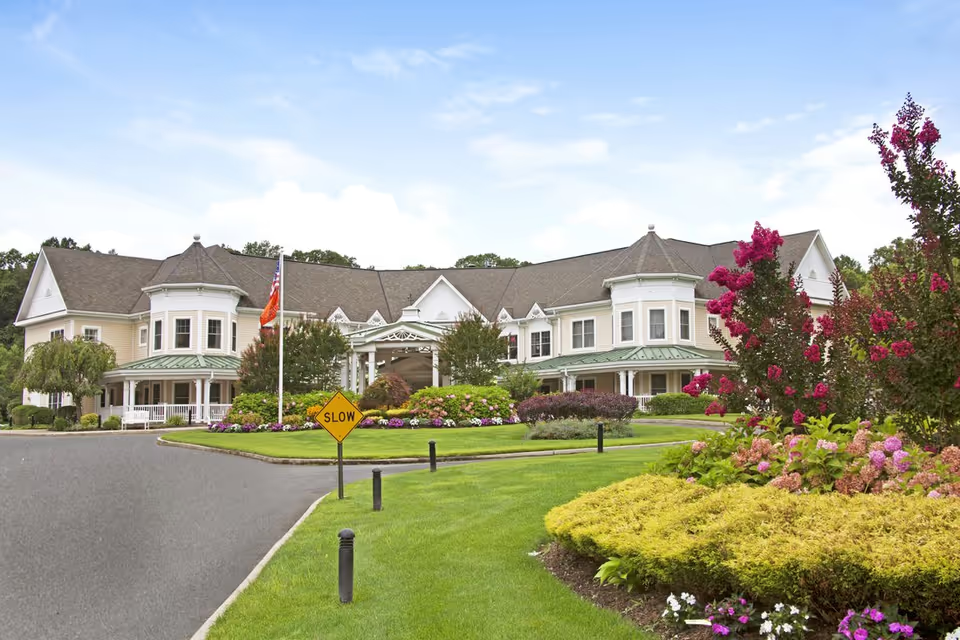
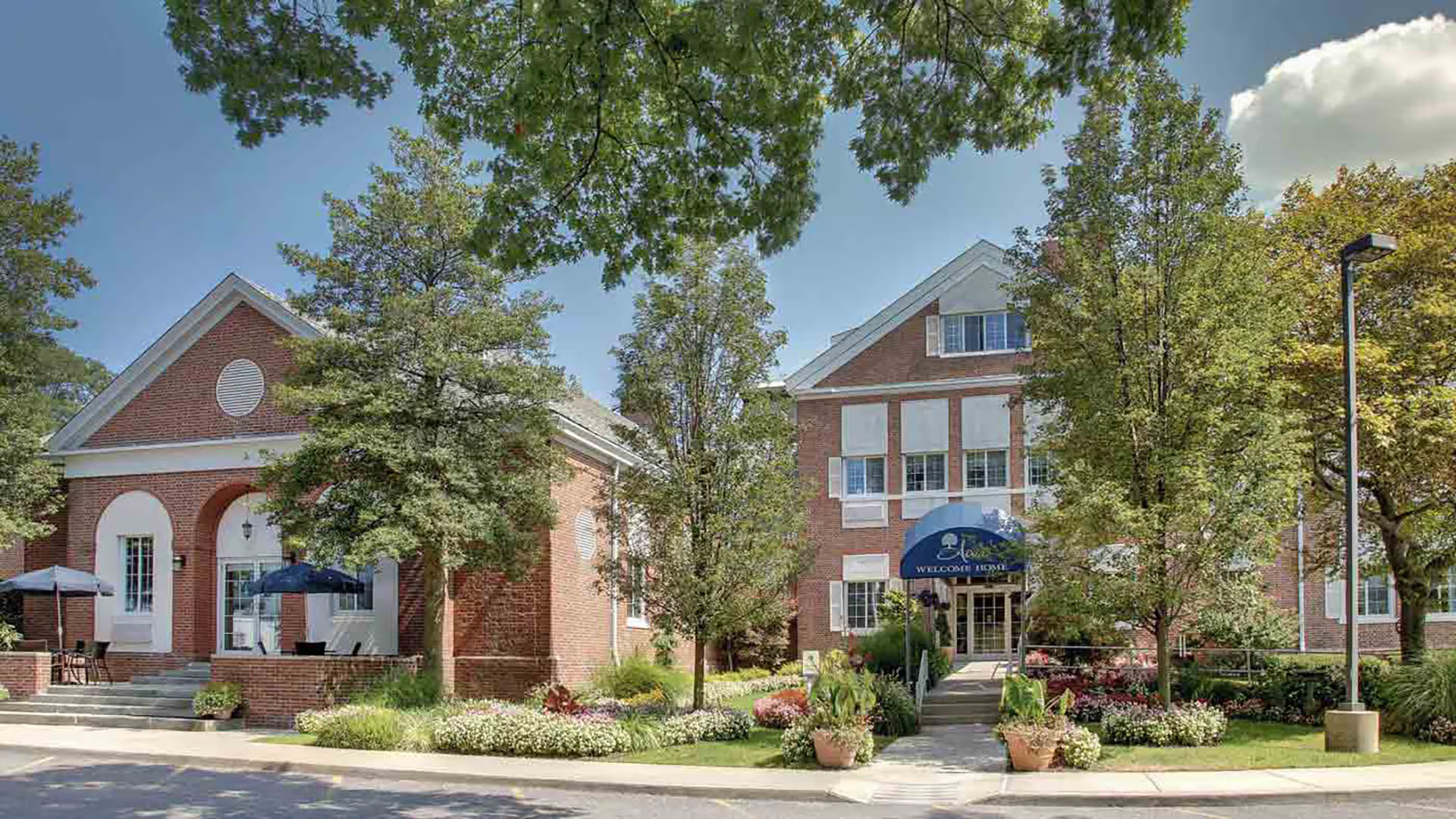
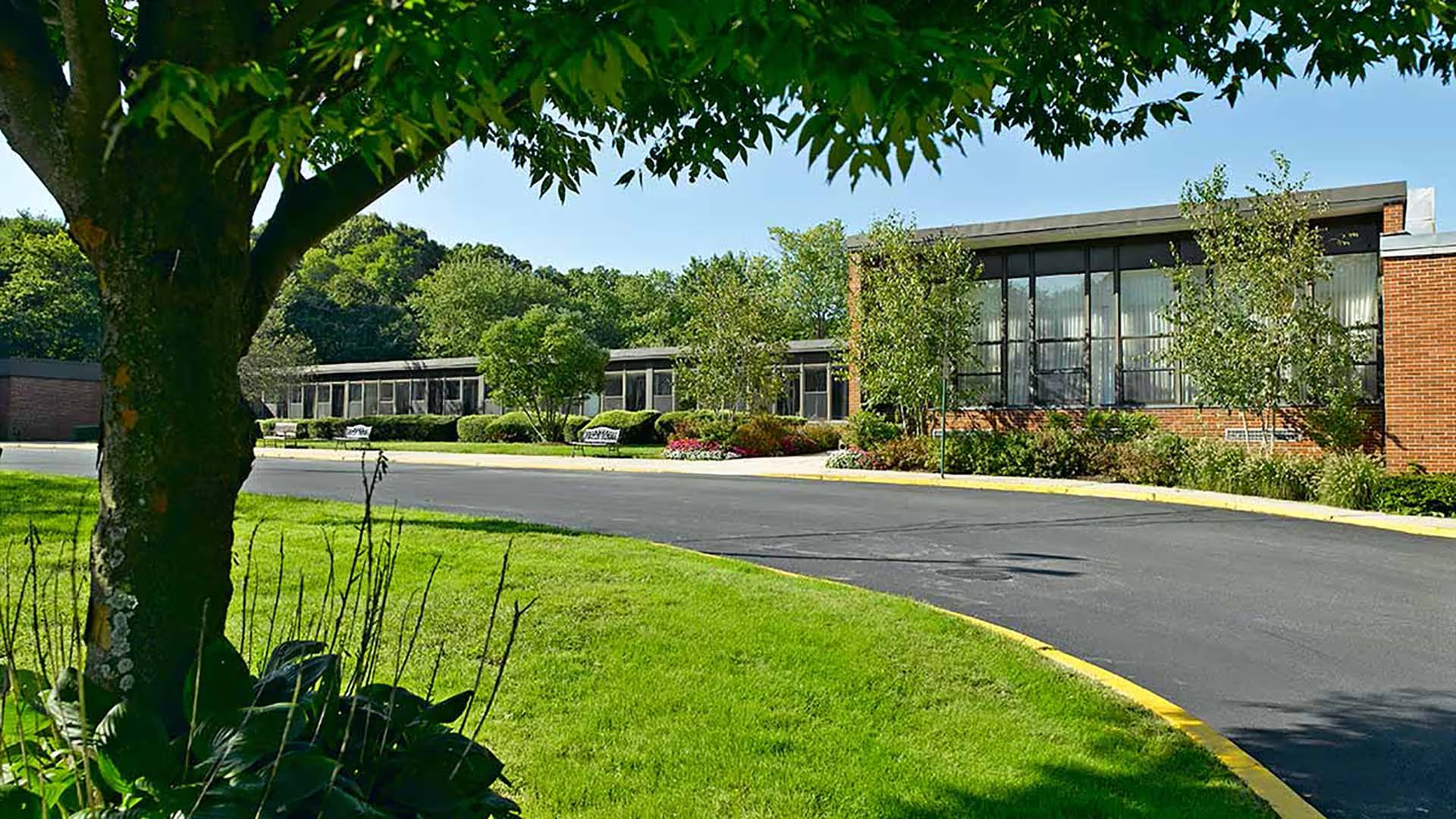
The physical environment is widely regarded as a major strength: the building is described as immaculate, modern, and hotel-like, with bright apartments, good housekeeping, and numerous amenity spaces (theater, café, salon, pool). That said, several reviewers observed that some decorative choices and seating are not optimally adapted for residents with cognitive or mobility impairments (for example, abstract repetitive artwork and seating that is not ergonomically senior-friendly). Management and administrative responsiveness receive generally positive comments about hands-on leadership and an open-door approach, but there are also accounts of inconsistent communication, billing disputes, pressure around care-level transitions, and periodic management turnover.
Taken together, the pattern suggests that The Bristal at East Northport offers many features families value—engaging programming, strong memory-care capabilities, robust amenities, and a welcoming atmosphere—while also exhibiting operational weaknesses that affect consistency of care. Prospective residents and families should weigh the facility’s strong recreational, clinical, and environmental offerings against the reported variability in staffing, meal consistency, clinical oversight, and communication. For those considering a move, on-site interviews with nursing leadership, a detailed review of staffing patterns (including night coverage), and clarifying billing and incident-communication policies would help assess whether the community’s strengths align with an individual’s clinical and daily-living needs.