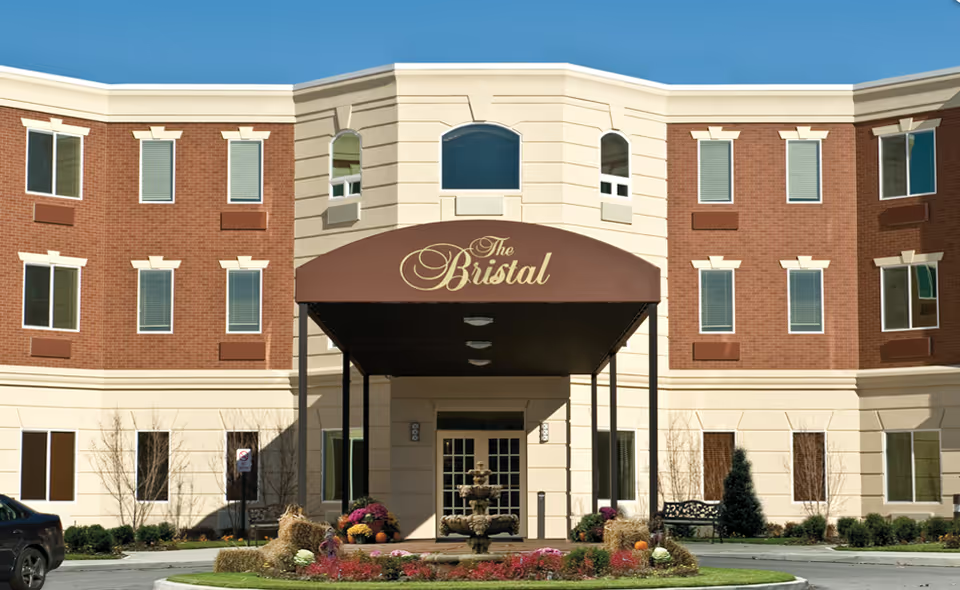
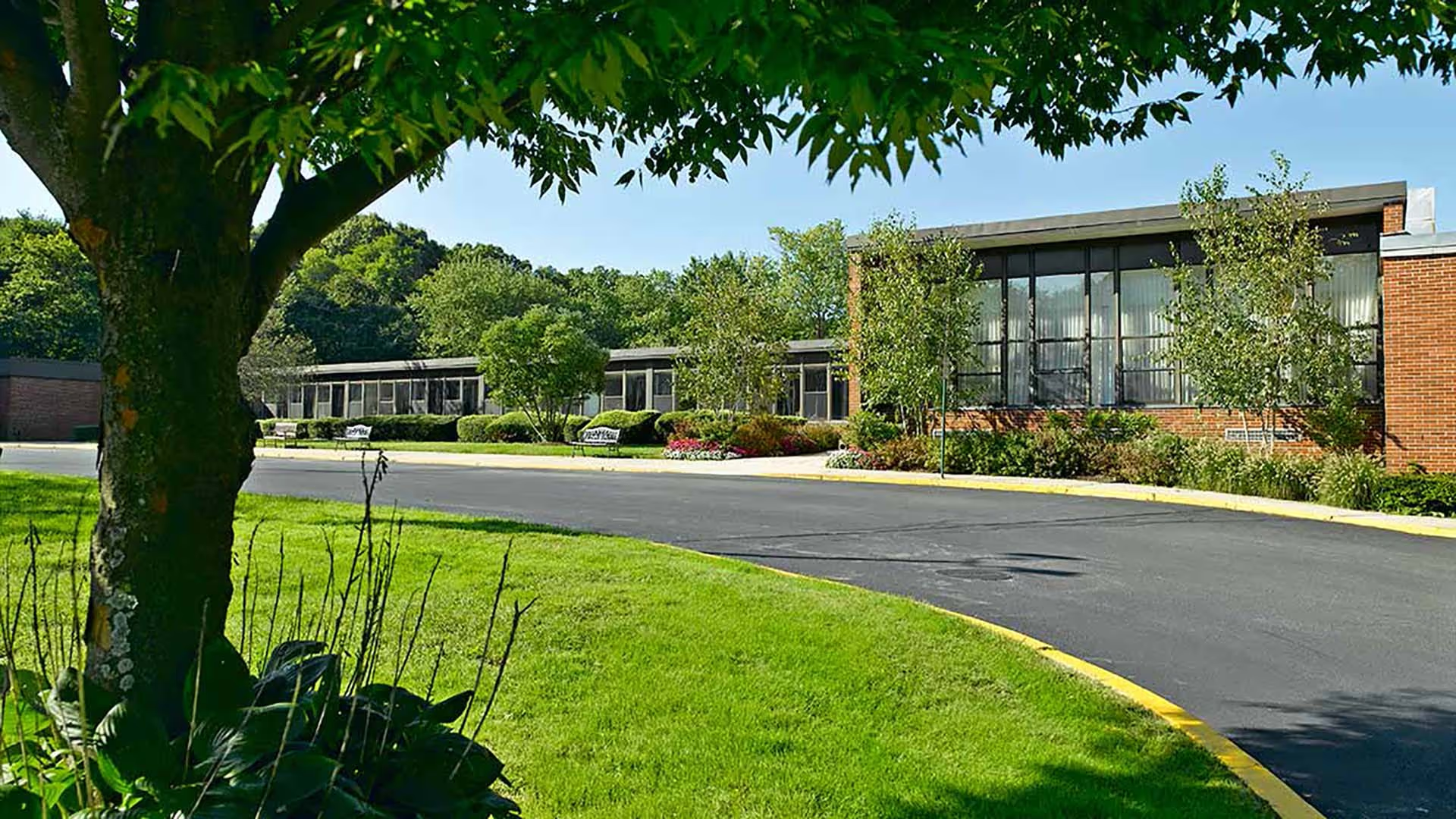
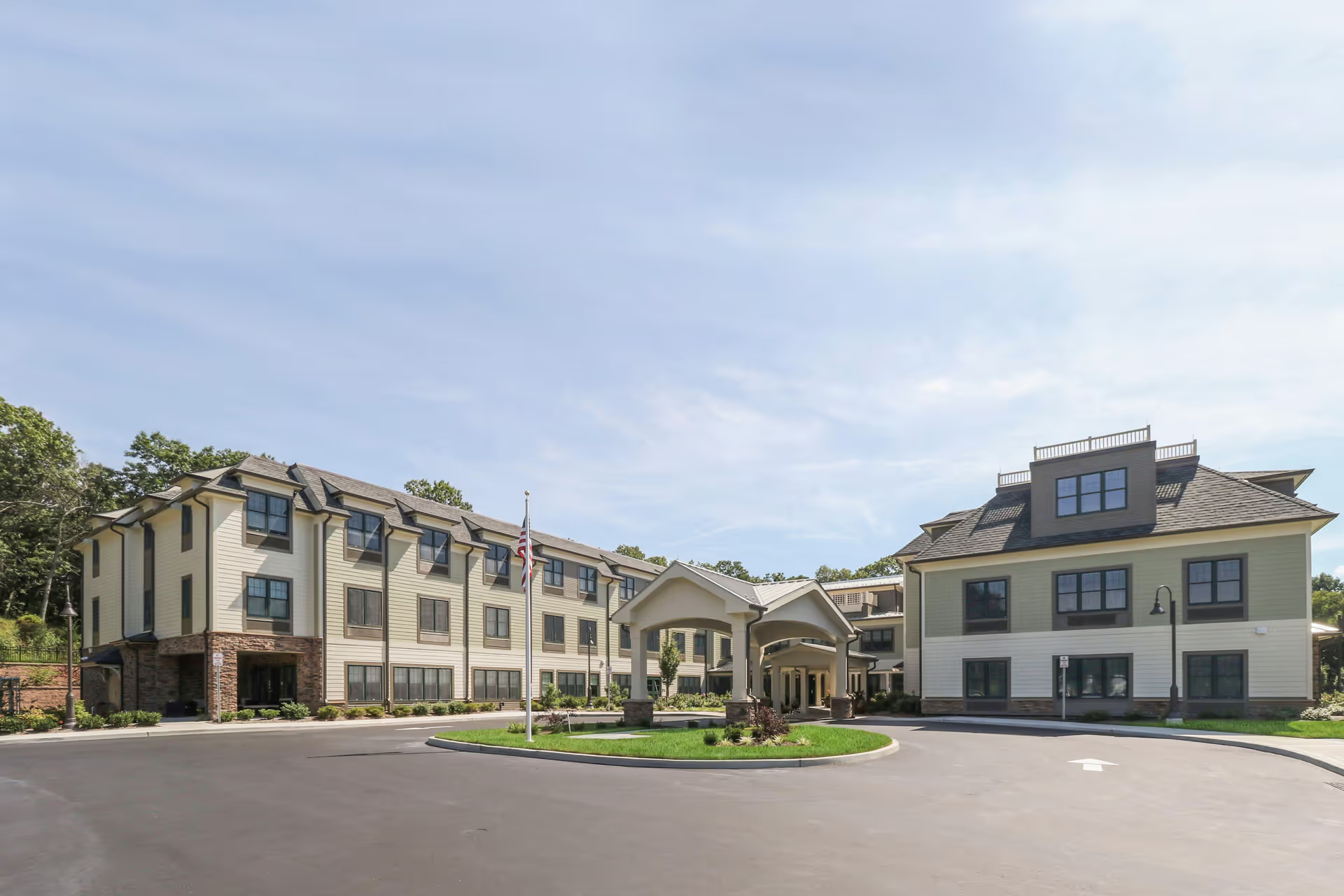
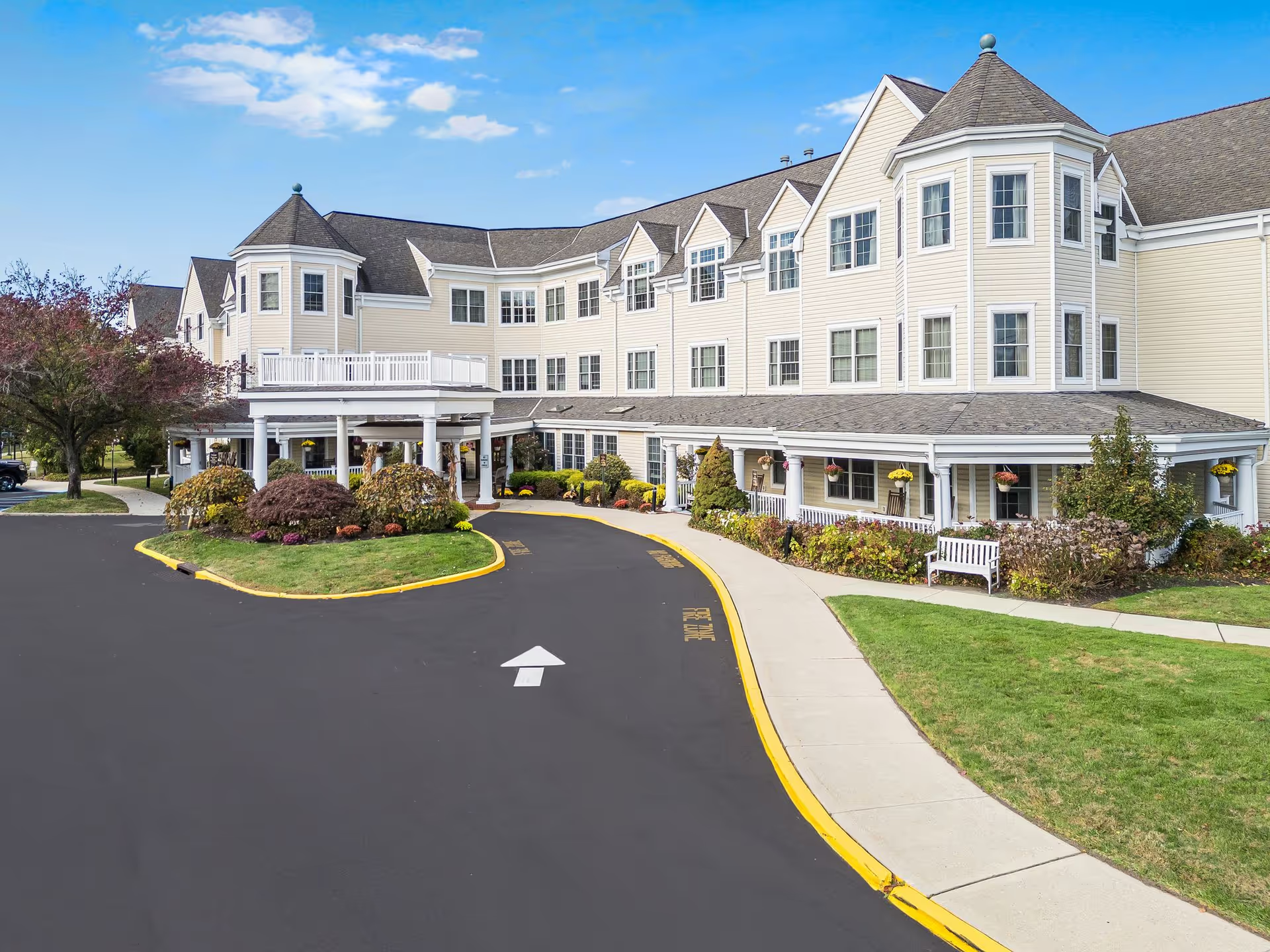
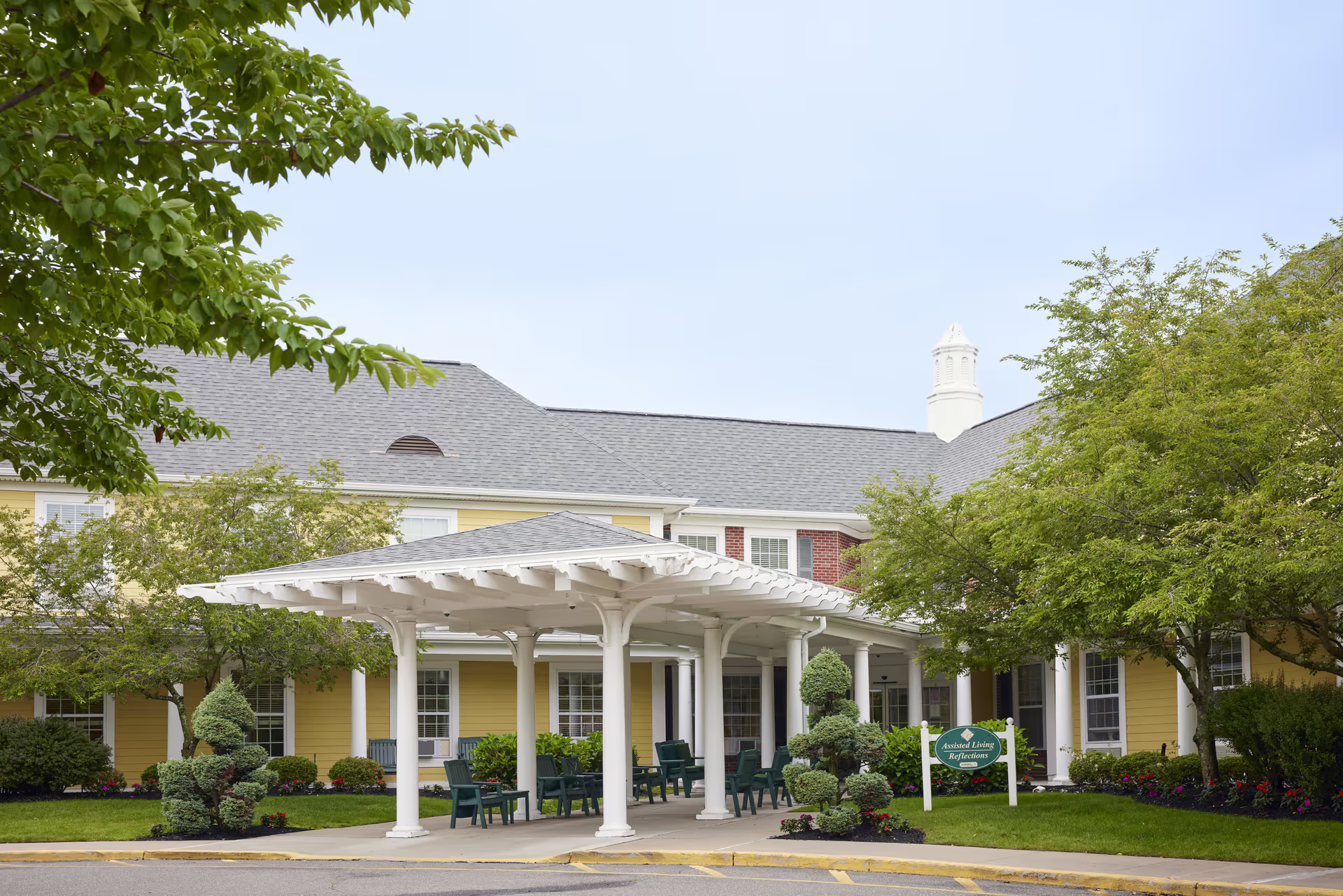
Atria East Northport presents a mixed profile across reviews: many families and residents praise the facility’s hospitality-oriented features, while others describe operational weaknesses that have affected clinical care and day-to-day supervision. Strengths most consistently noted include a well-appointed building with attractive common areas, renovated and spacious apartment options, and a resort-like dining environment. The dining program is frequently described as plentiful and flexible, with an attentive chef and multiple entree choices; breakfast offerings and special meal accommodations receive particular commendation. On-site amenities such as a café, salon, movie theater, library, and therapy/wellness services (including physical therapy, a pool, and a gym) contribute to an engaged social environment and a strong sense of community for many residents.
Staffing and direct care elicit divergent impressions. Numerous accounts highlight compassionate, responsive nurses, social workers, and caregiving staff who facilitate smooth transitions and provide individualized attention. Housekeeping and laundry services are often characterized as reliable, and many reviewers report positive continuity of staff and low turnover in certain teams. However, a substantive pattern of concerns also appears: inconsistent staffing levels, delayed responses to resident calls, and gaps in supervision—particularly on the memory-care unit—have been reported. These operational shortcomings are associated with safety-related complaints, communication breakdowns with families, and instances where clinical documentation or incident logging were considered inadequate. Several reviews raised serious safety and clinical concerns, including delayed attention to falls and medication-management questions; these items suggest the need for prospective families to verify staffing ratios, response protocols, and medication policies directly with the facility.
Activity programming and memory-care offerings are another area of mixed feedback. Many residents benefit from a robust activity calendar (exercise classes, movies, social events, animal visits, and on-site group programming), and the facility supports an involved community with frequent opportunities for socialization. At the same time, reviewers describe the memory-care unit as having fewer tailored outings and less dynamic programming for residents with dementia; some families would like more frequent off-site trips and activities specifically adapted to cognitive impairment. The memory-care courtyard and locked-unit design are noted positives for safety and outdoor access, but reviewers also flagged locked doors or restricted access during daytime hours as limiting resident mobility in some circumstances.
Management, fees, and administrative processes show variability in performance. Admissions and transition support are described as smooth and communicative by many families, and marketing materials and tours often make a strong first impression. Conversely, several reviewers identify issues with billing transparency, upfront community fees, insurance correspondence delays, and renovation-related disruptions. Food quality and portion sizes are reported inconsistently across units, with some residents praising restaurant-style meals while others find portioning and offerings unsatisfactory—this inconsistency sometimes correlates with placement on specific care floors. Cleanliness is generally praised in common areas and private units, though targeted sanitation and incontinence-care issues are noted in certain care areas and warrant direct inquiry.
Overall, Atria East Northport appears to offer substantial amenities, an active community life, and high-quality dining for many residents, supported by dedicated clinical and social staff in several areas. At the same time, recurrent operational themes—staffing consistency, response times to calls and incidents, medication-management practices, memory-care program breadth, and administrative transparency—emerge as areas for prospective residents and families to investigate further. For families considering placement, it would be prudent to review current staffing ratios for the intended unit, emergency-response protocols, medication administration policies (including patch and dosing procedures), incident-logging practices, and fee/billing terms before making a decision.