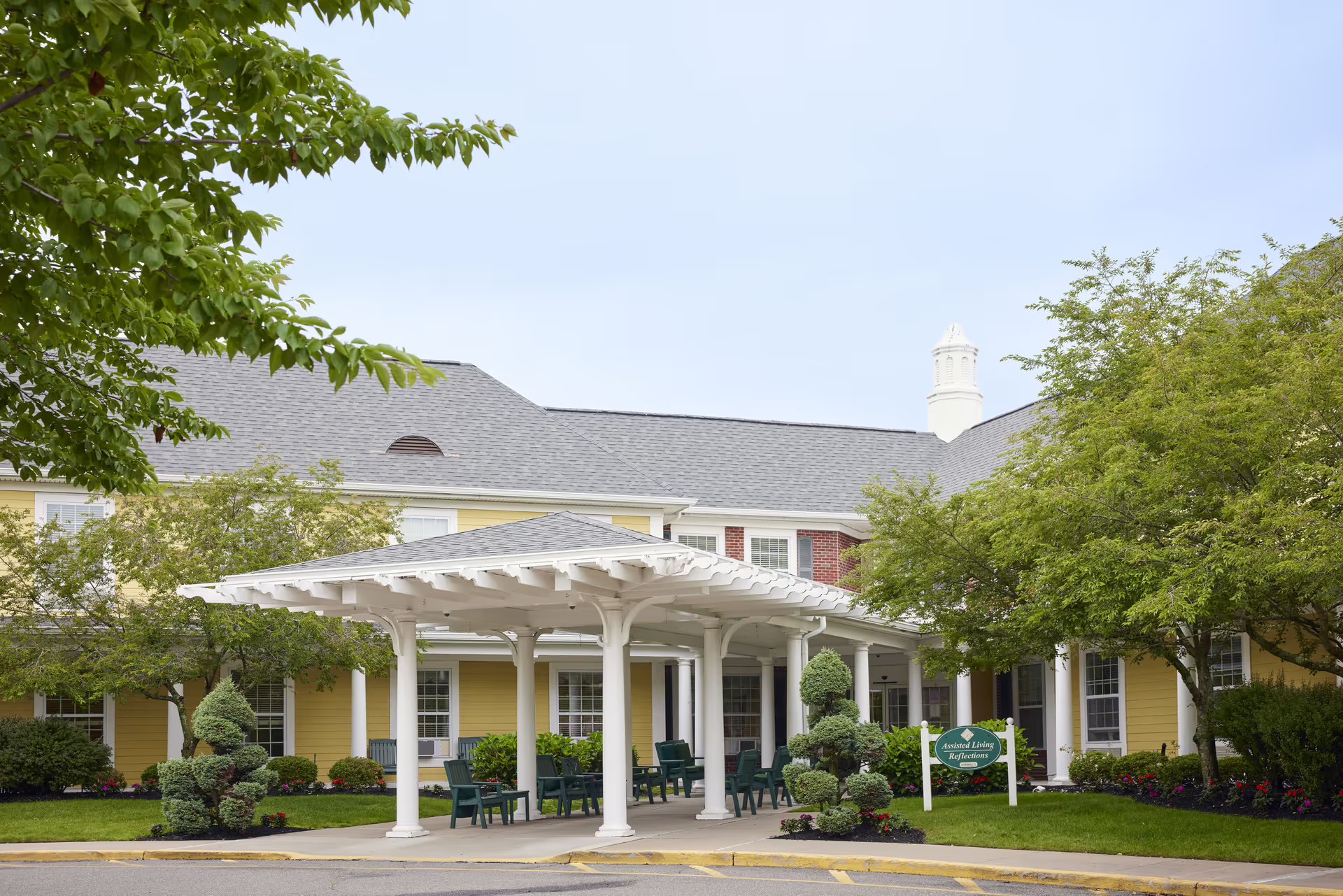
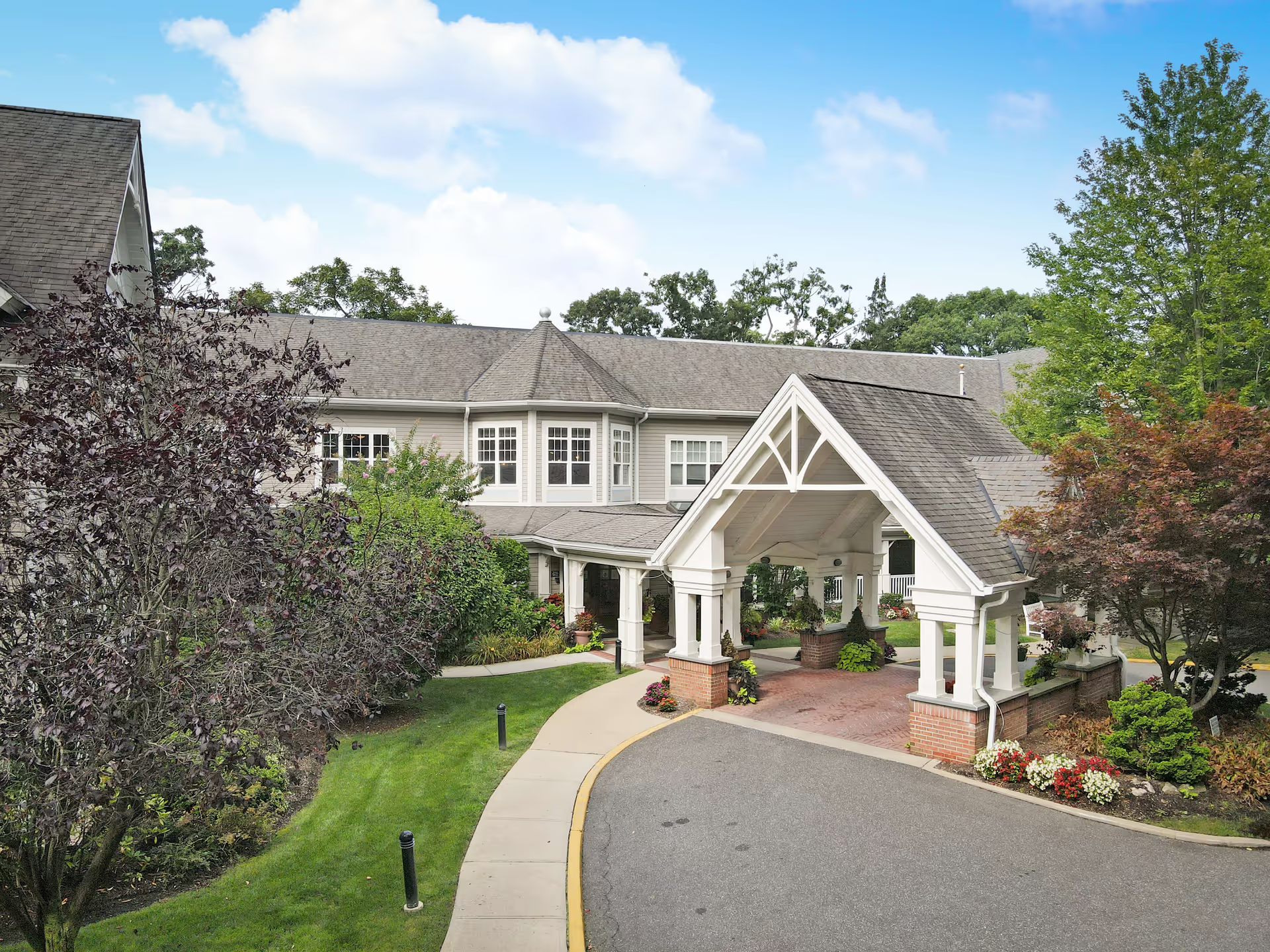
Sunrise of Dix Hills presents as a well-appointed, hospitality-oriented assisted living community with a number of consistently noted strengths. Families and residents praise a warm, respectful culture: staff are frequently described as kind, courteous and attentive, with personalized interactions such as greeting residents by name. The building and grounds are regularly highlighted for their attractive, homey presentation — clean interiors, Victorian-style details in places, manicured landscaping, secure courtyards and accessible outdoor seating. On-site amenities (physical therapy, beauty salon, bistro, exercise and movie rooms) and practical room features (studio and private apartment options with kitchenettes) support an independent assisted-living lifestyle.
Clinical and caregiving services receive mixed but generally positive feedback. Many reviewers note capable nursing and therapy support, hands-on aides in memory-care areas, and a strong day-to-day caregiving presence that families describe as family-like. At the same time, several accounts point to operational gaps in medical coordination: delays in psychiatric access, uneven follow-up after clinical events, and concerns about how higher-acuity needs are handled. These comments suggest that while routine nursing and therapy services are robust, families with residents who require frequent or complex medical oversight should verify clinical staffing levels, transfer-safety practices, and access to external providers.
Dining and programming are important differentiators. The main dining rooms and bistro receive many compliments for attentive service, servers who learn resident preferences, and appealing offerings like fresh-baked items and beverage stations. However, reviewers also describe variability in meal quality across units, with memory-care meals sometimes characterized as less appetizing. Activities are another strong point for many: arts and crafts, music, outings and imaginative holiday events keep residents engaged. Contrasting feedback describes some programming as repetitive or not sufficiently stimulating for all residents and, in isolated cases, the absence or turnover of activity coordination.
Operational themes emerge around staffing, housekeeping and cost. Multiple reviewers describe periods of understaffing and staff performing multiple roles (caregiving combined with kitchen or housekeeping tasks). This multi-tasking has been associated with inconsistent housekeeping coverage (laundry or trash collection lapses) and perceptions that value does not match the price for all families. The community is positioned at the higher end of the local market, and reviewers advise prospective families to examine fee structures and a la carte charges carefully.
Management and communication show a split pattern: admissions and sales staff, as well as some leadership figures, are often praised for helpful, empathetic transition support and clear communication. Conversely, other reviewers describe inconsistent nursing leadership, gaps in accountability, and instances of poor family communication during critical incidents and infection-control events — concerns that include questions about end-of-life communication and timeliness during outbreaks. Prospective residents and families should ask targeted questions during tours about nursing leadership, incident-reporting processes, staff-to-resident ratios, housekeeping responsibilities, meal differences by unit, psychiatry and specialty access, and protocols for family notification.
Overall, Sunrise of Dix Hills appears to serve families seeking a hotel-like assisted living environment with active social programming and a strong hospitality focus. It is well suited to residents who value a warm community, attractive facilities and a range of on-site amenities. Families requiring consistent, high-acuity clinical management or tight, transparent cost structures should evaluate the facility’s medical coordination practices, staffing stability, and billing details before committing.