Asheboro Rehabilitation and Healthcare Center elicits a mixed but specific set of impressions. Many families and residents describe a compassionate, family-oriented culture delivered by nursing staff and CNAs, and several accounts highlight strong rehabilitation services that produced measurable mobility and independence gains. The facility is often characterized as clean and well maintained, with attractive views and an active activities program; admissions and office staff are frequently described as helpful and personable.
Care quality shows a clear pattern of strengths and weaknesses. Positive experiences emphasize attentive nursing, helpful CNAs, and effective physical/occupational therapy with good functional outcomes after hospitalization or stroke. At the same time, a number of submissions identify operational problems that affect clinical reliability: inconsistent medication timing, delays in responding to call bells or emergent needs, and concerns about wound-care and pressure-injury management. These operational issues have the greatest impact on perceptions of clinical quality and safety.
Staffing and culture are described as uneven. Several reviewers praise long-tenured and knowledgeable administrators and named staff who provide hands-on, family-focused attention. Conversely, other accounts point to variability in staff conduct, occasional curt interactions, and delayed or absent responses during overnight hours. These contrasts suggest that resident experience is sensitive to staffing patterns and individual caregiver behavior.
Dining and activities are frequently cited as strengths but with variability. The facility offers structured social programming (bingo, coffee service, nail spa, special-event meals such as "Tasty Tuesdays") and a proactive activities director; these features contribute to social engagement and resident satisfaction. Meal quality and service timing receive mixed feedback: some families praise the food and event dining, while others report late meals or cold breakfasts, indicating inconsistency in meal-service execution.
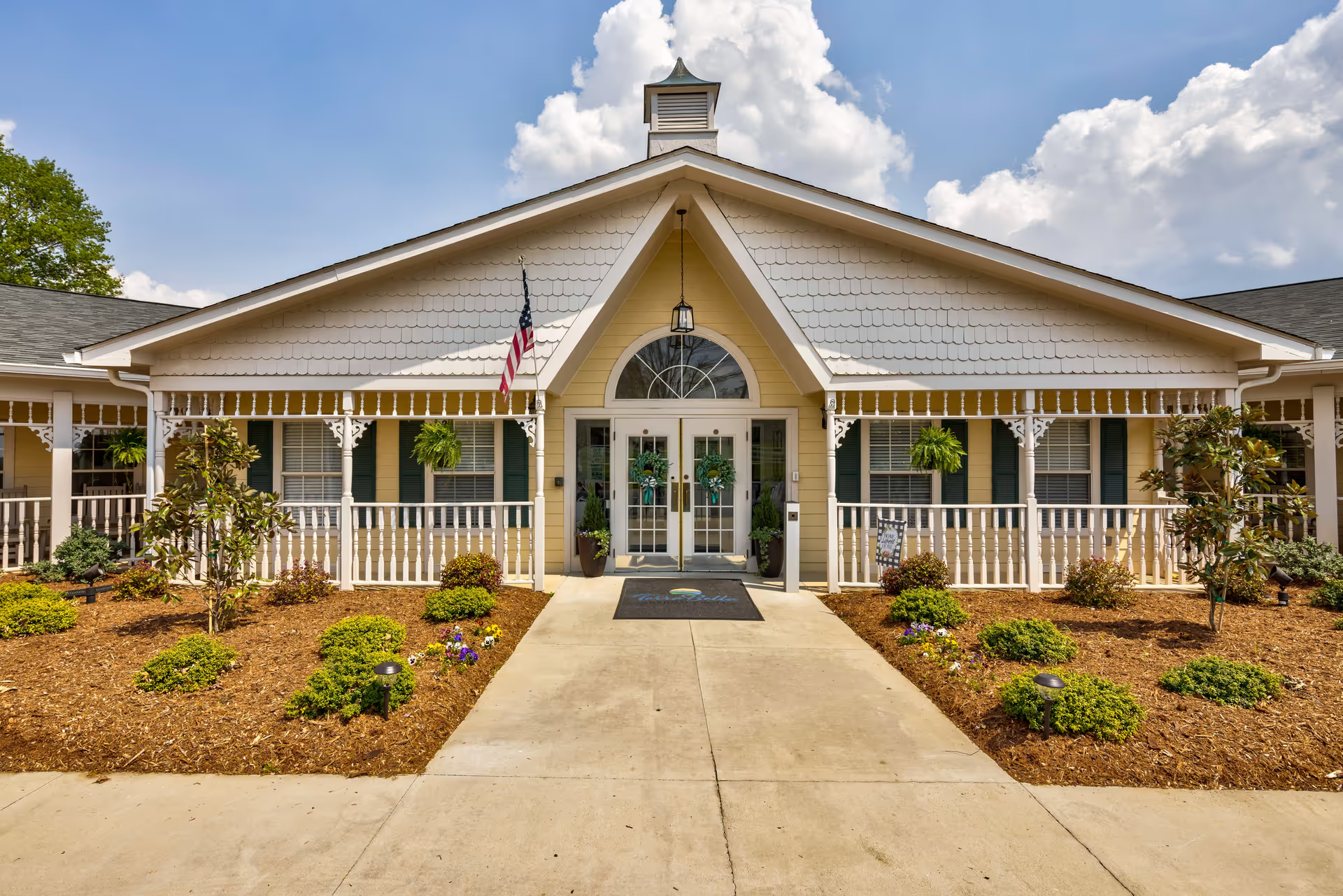
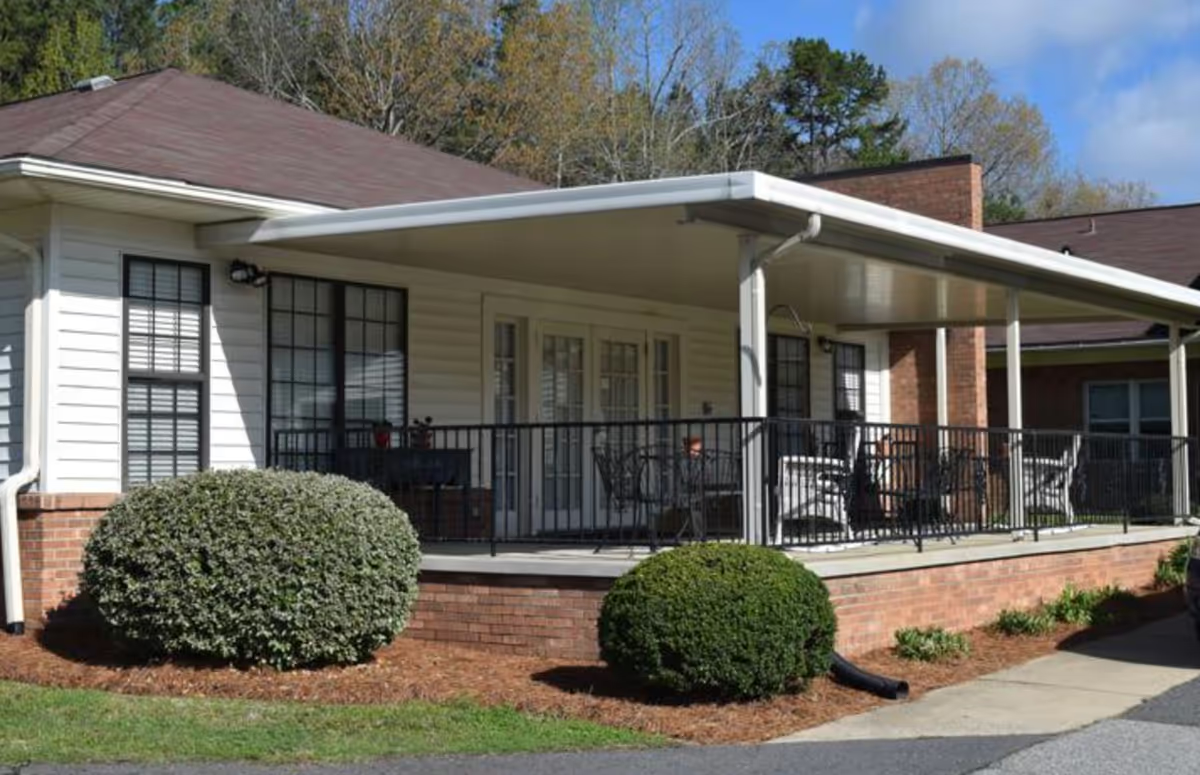
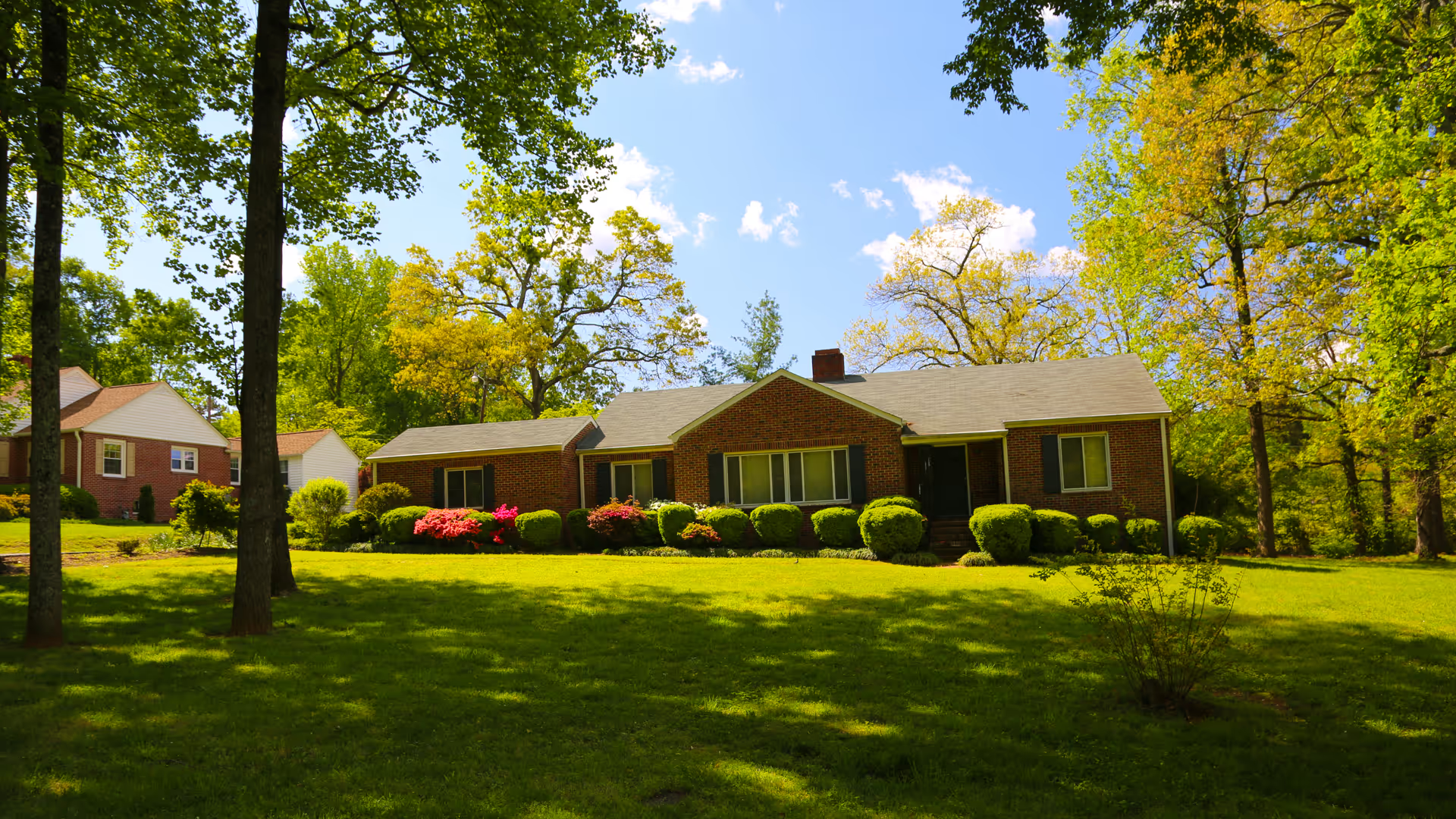
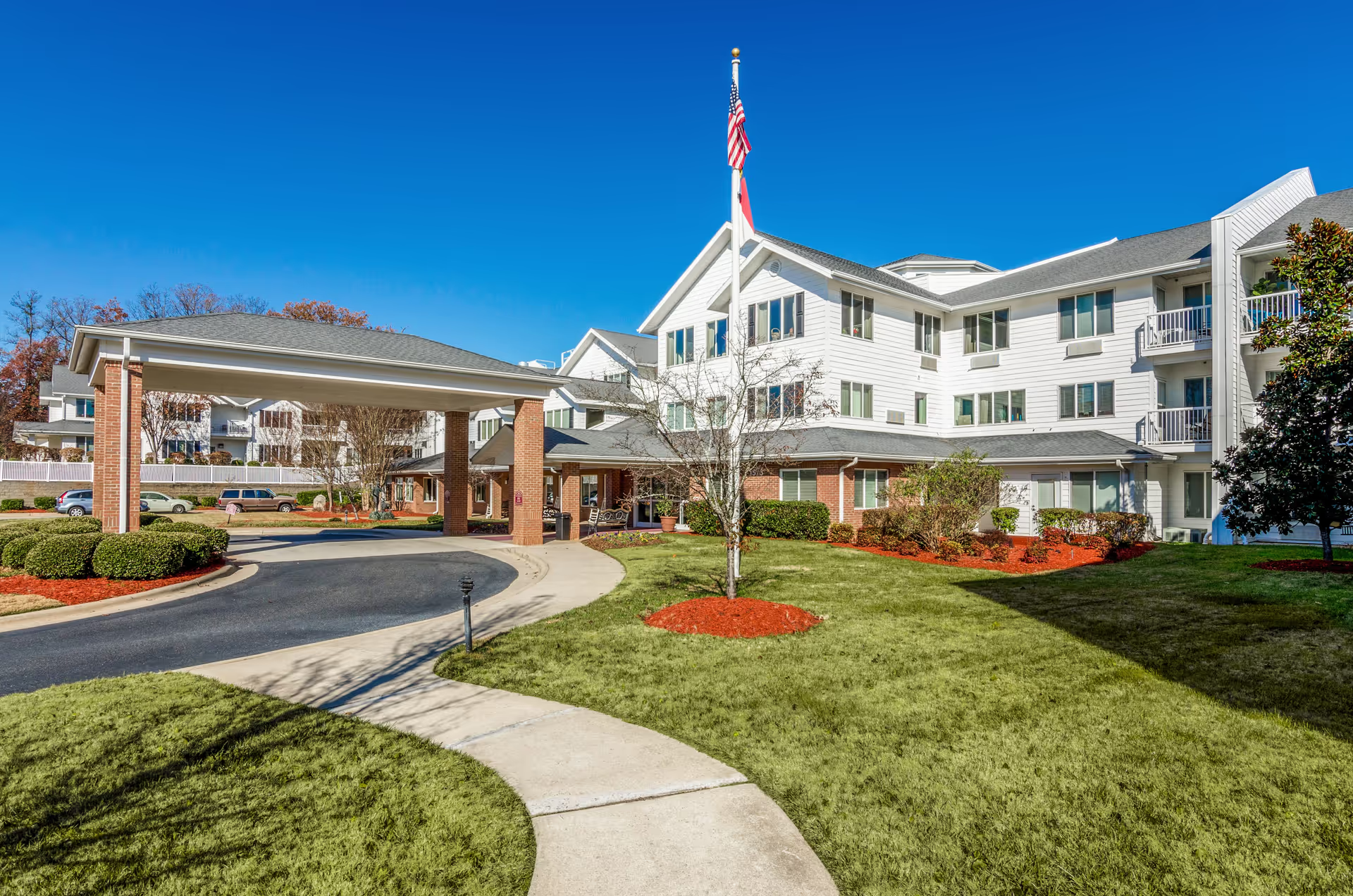
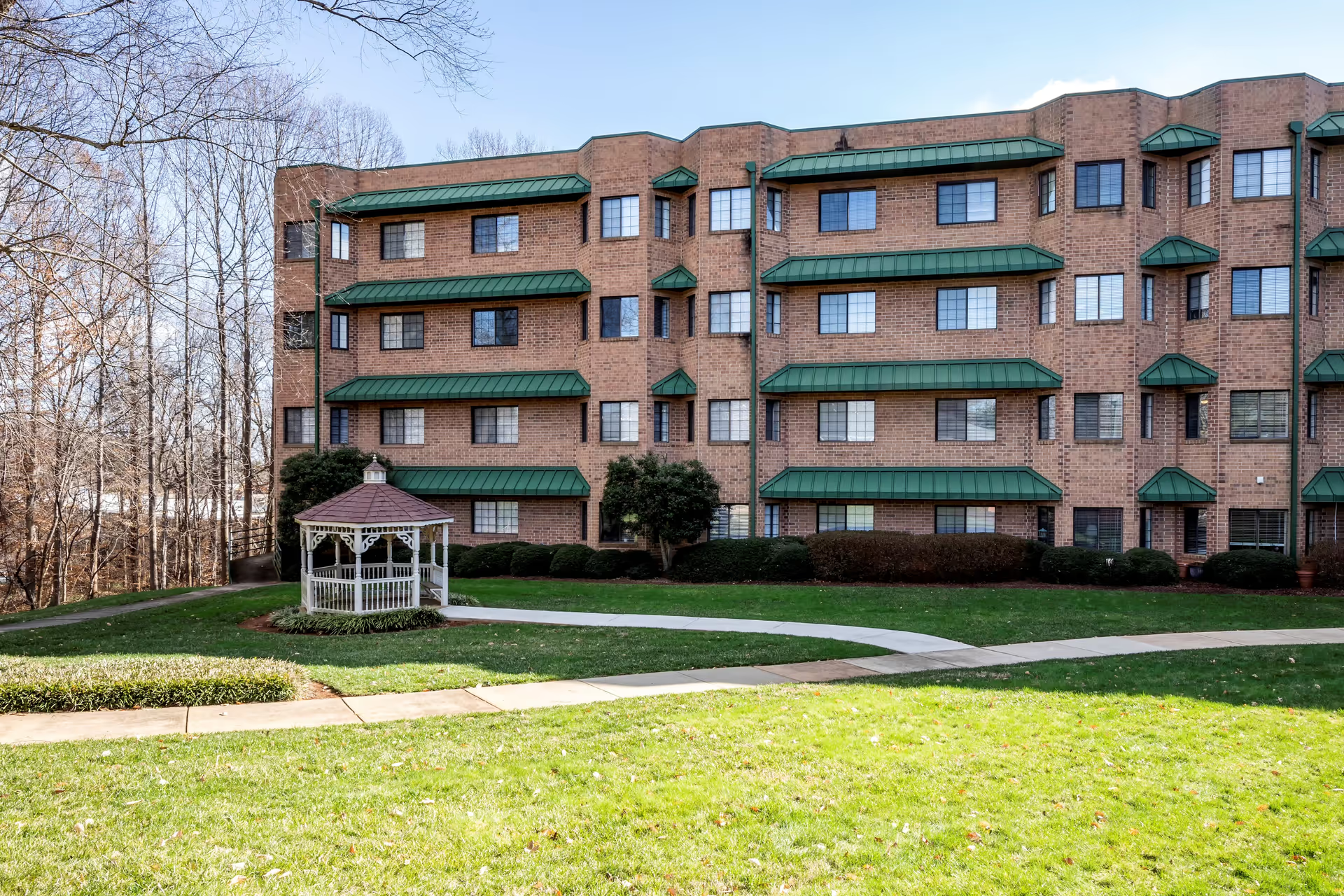
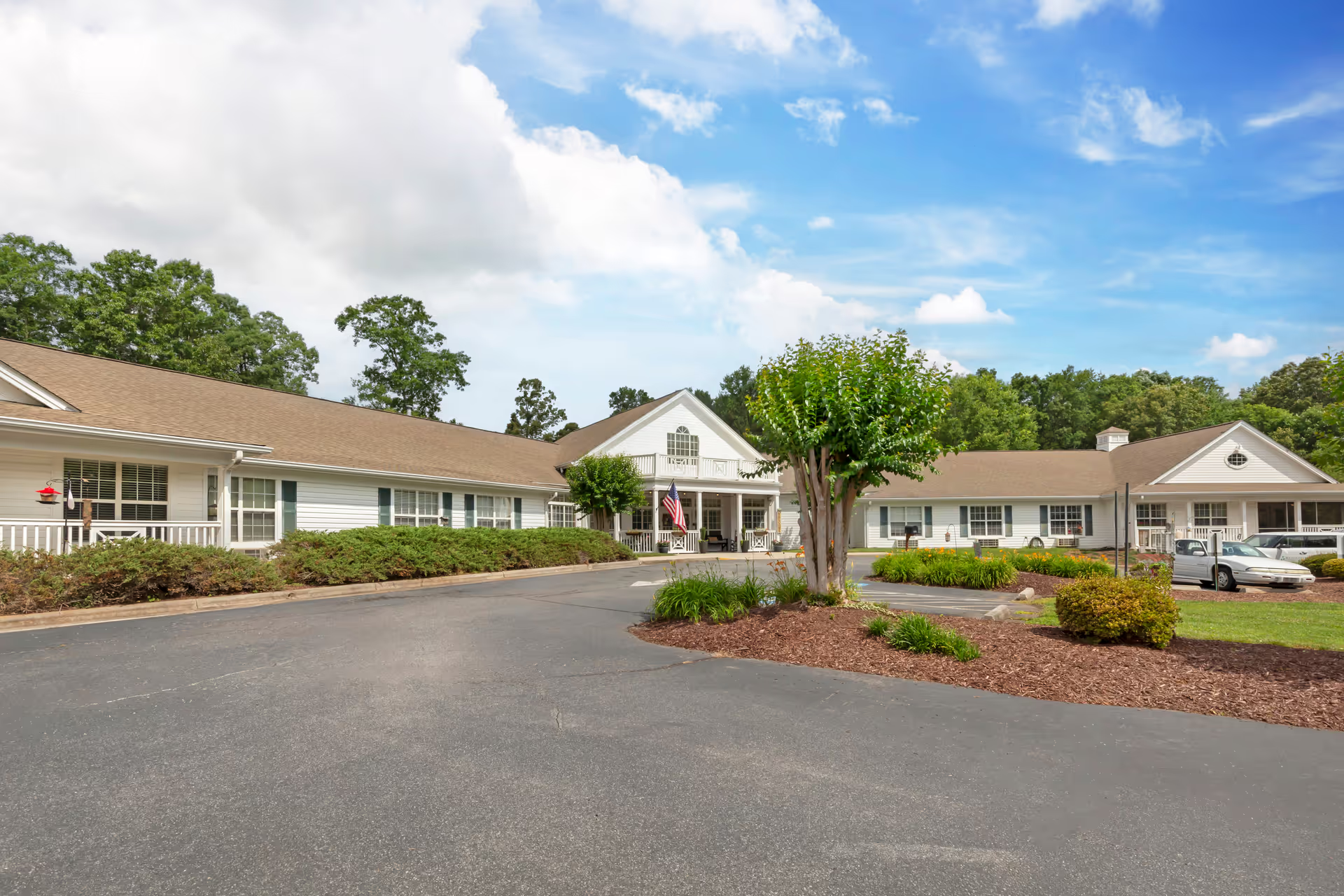
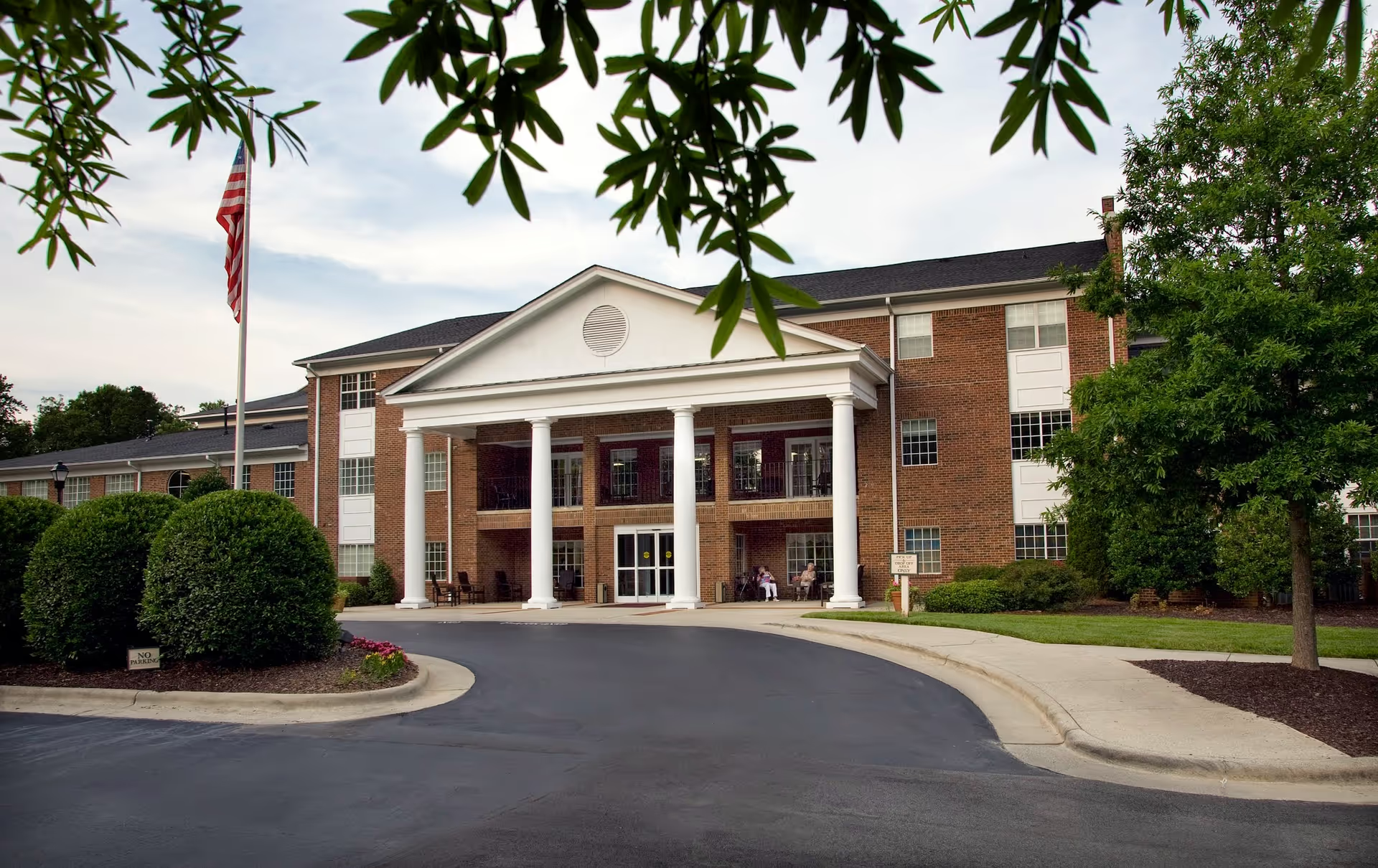
Facility appearance and safety considerations are similarly mixed. Many reviews describe a pleasant, home-like environment and well-kept common areas with scenic views. However, other observations raise concerns about variability in housekeeping, occasional unsecured entry or checkout-process lapses, and instances that suggest gaps in property and personal-asset safeguards.
Management and communication are recurring themes. The administrator and some office staff receive positive mention for being knowledgeable and personable, but there are repeated concerns about delayed family notifications regarding clinical decline, slow care-plan updates, and challenges with phone or complaint-resolution processes. In a few cases these communication gaps intersected with higher-stakes situations (including concerns following a resident's death and allegations of financial misconduct), which heightened family dissatisfaction and eroded trust.
Notable patterns for prospective residents and families: the facility appears to perform well for short-term rehabilitation and engagement-focused residents, particularly where strong therapy and activities involvement are priorities. Families valuing close, timely clinical communication, consistent medication administration, secure handling of personal items, and reliable overnight responsiveness should discuss these operational areas with administrators before placement. Asking about staffing levels, wound-care protocols, call-bell response expectations, visitation flexibility during infection-control events, and written procedures for handling personal belongings can help set expectations and identify whether the facility’s operational practices align with a prospective resident’s needs.