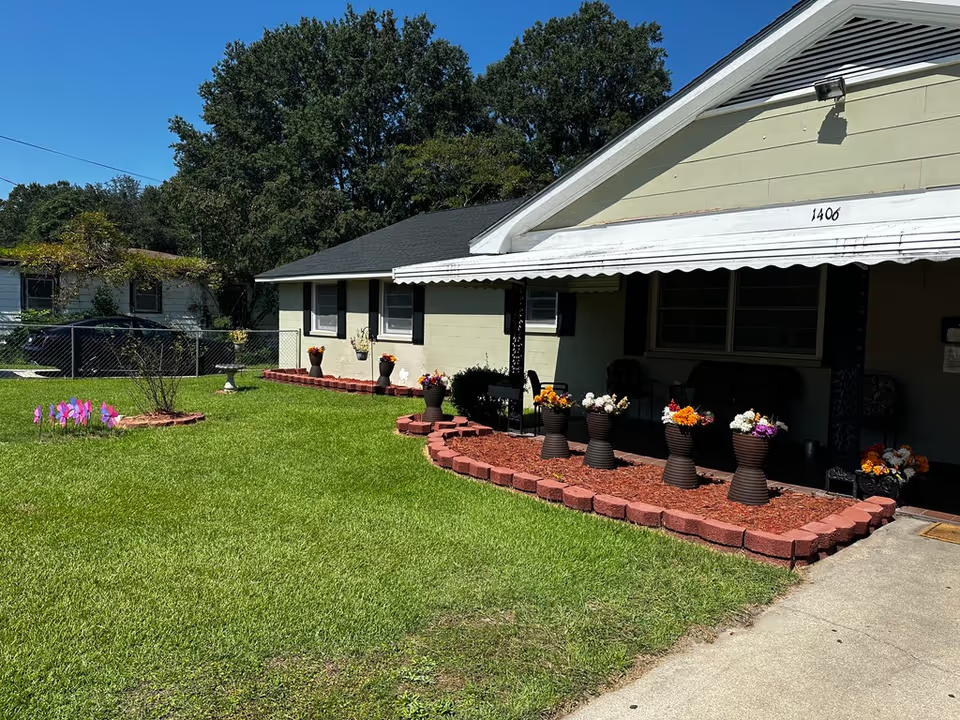
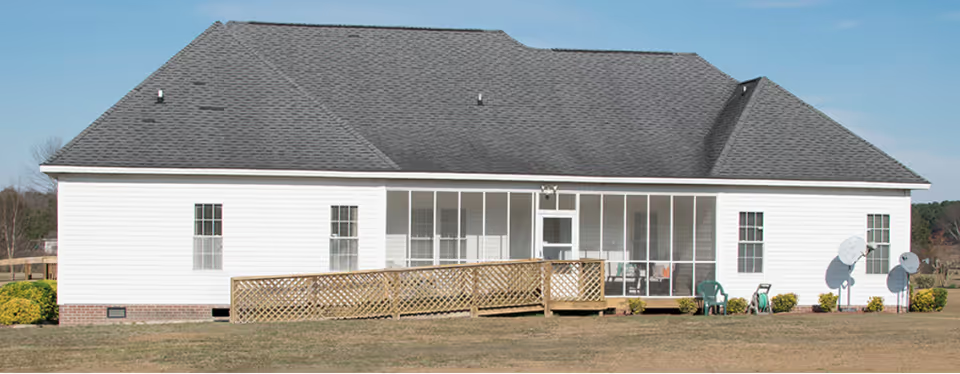
Goldsboro Rehabilitation and Healthcare Center presents a mixed pattern of strengths and persistent operational weaknesses. Its rehabilitation program is a clear asset: physical and occupational therapy, along with engaged rehab leadership, are frequently credited with measurable functional improvements and successful home discharges. Several families described positive, individualized therapy plans, use of the garden and on-site amenities to support recovery, and helpful admission processes that eased transitions into short-term stays.
Nursing and caregiver quality appears uneven. Multiple accounts describe compassionate, attentive nursing and aides on particular units and shifts; those staff members are singled out for supportive bedside care and effective coordination with rehab teams. However, other units and night shifts are associated with slow call‑button responses, limited staffing coverage, and inconsistent bedside practices. These disparities contribute to variable clinical experiences: where staff ratios and engagement are adequate, residents show progress and satisfaction; where they are not, families report delays in care and safety monitoring concerns.
Clinical governance and documentation are recurring areas of concern. Reviews indicate inconsistent medication administration and gaps in record management, including missing clinical documents and discharge paperwork. Several families described limited physician involvement and delayed or inconsistent clinical interventions, which compounded worries about pain management, infection management, and fall-prevention practices. Infection-control knowledge and PPE practice gaps were mentioned in some accounts, suggesting areas for targeted staff education.
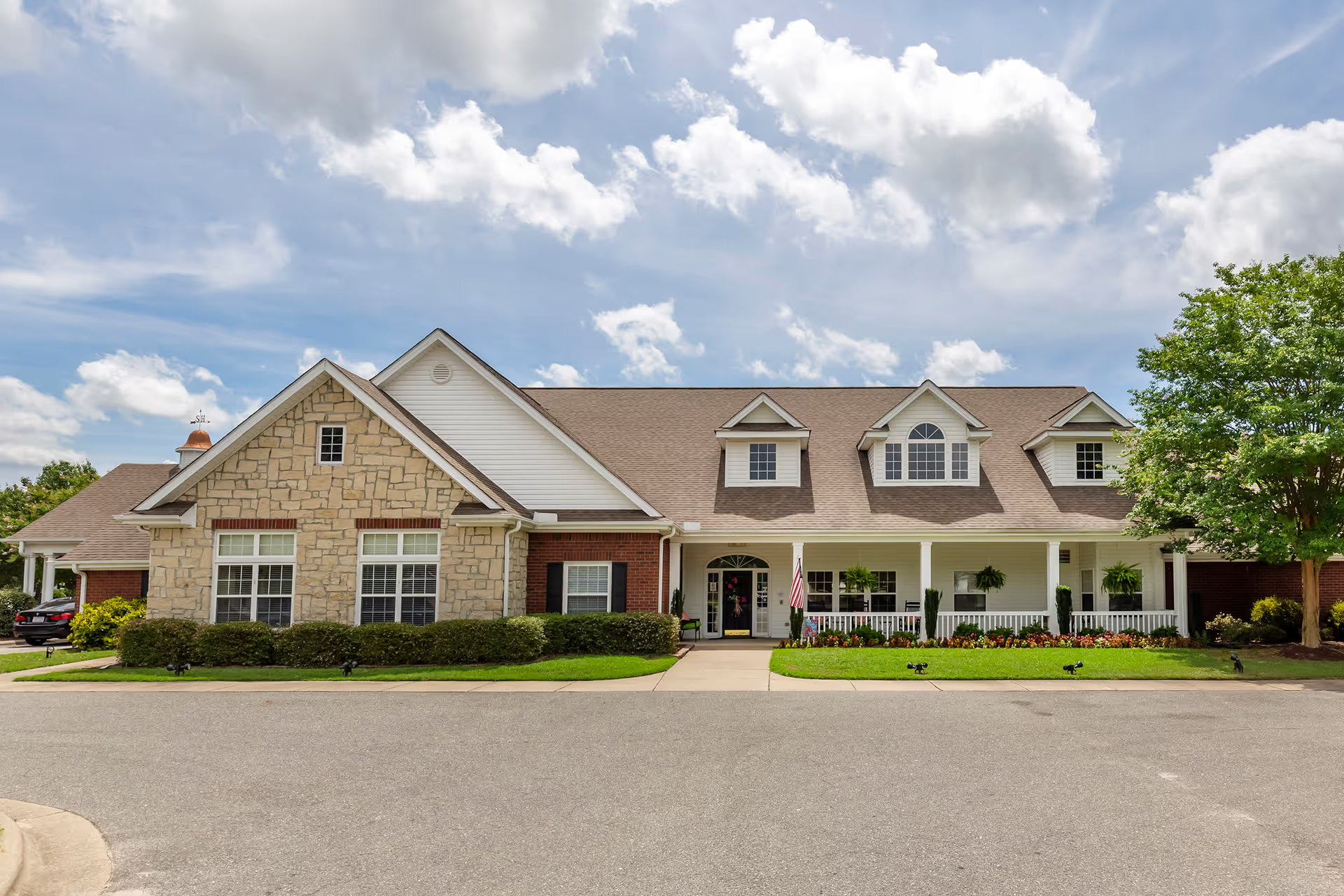
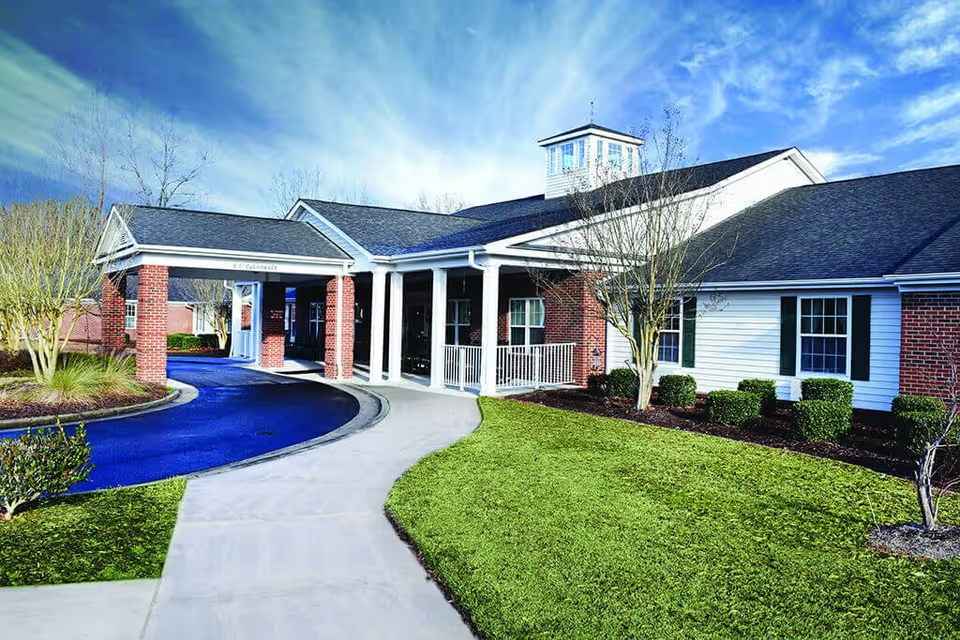
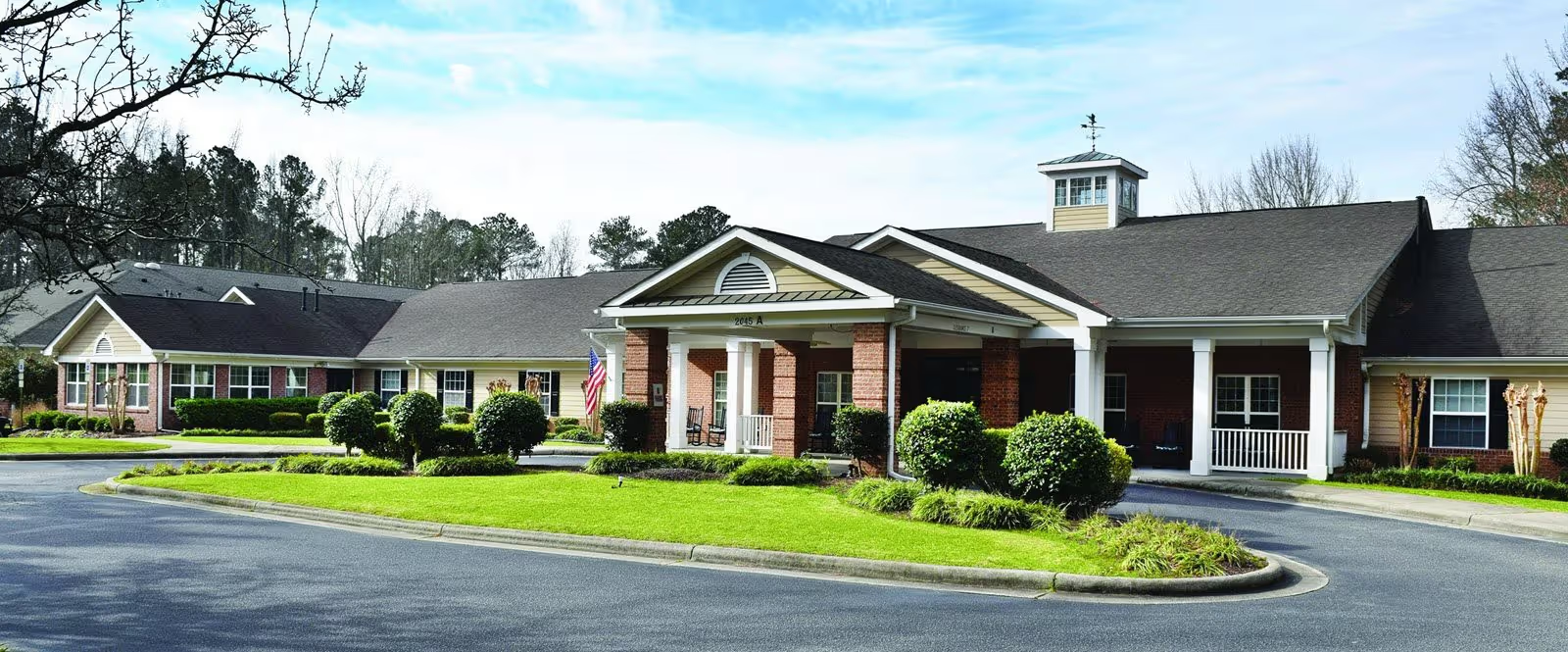
Facility operations and services are similarly mixed. Many residents and families praise the activities program, friendly admissions staff, and certain clean, well-kept portions of the building. Dining quality garnered positive remarks for some residents, and amenities such as a beauty shop and garden are appreciated. Conversely, maintenance and sanitation concerns were cited for particular rooms or halls, and property controls and inventory processes (personal items and medical records) were described as unreliable by several families.
Management and communication present another notable pattern. Positive encounters with individual administrators, therapists, and front‑line staff contrast with reports of unresponsiveness from leadership in resolving billing, documentation, and serious family concerns. High staff turnover and reports of low morale were described as contributing factors to inconsistent care quality. Families advised that outcomes often depend on unit assignment and shift, and recommended ensuring clear communication and advocacy when a loved one is admitted.
In summary, Goldsboro demonstrates strong capabilities as a rehabilitation provider with standout therapy services and many caring staff. At the same time, persistent issues with staffing consistency, medication/documentation controls, family communication, infection‑control practices, and management responsiveness create variability in resident experiences. Prospective residents and families should weigh the facility’s rehabilitation strengths against these operational concerns, seek clarity about unit assignment and staffing levels, and confirm care and documentation procedures during admission and discharge planning.