Overall impression: Reviews describe a facility with strong clinical rehabilitation strengths and a generally warm, well-kept environment, combined with recurring operational concerns that families should weigh when evaluating placement.
Care and clinical services: The facility receives consistent praise for its rehabilitation and physical-therapy programs; several accounts describe measurable functional improvement following therapy. Nursing and caregiving staff are frequently characterized as compassionate and respectful, and many families note attentive day-to-day assistance. At the same time, reviewers raise concerns about timeliness of clinical response — particularly for residents with cognitive impairment — and describe situations that suggest gaps in monitoring frequency and follow-up care. A few accounts reference hospital-level complications following delayed attention, which underscores the need to confirm individualized monitoring plans and escalation pathways during admission.
Staff and professionalism: Staff are generally described as friendly, skilled, and welcoming to visitors; admissions and some administrative staff receive positive mention for smoothing transitions. Nonetheless, reviewers also describe variability in staff attentiveness and communication tone, including examples of distracted caregivers and adversarial family–staff interactions. Understaffing is a recurrent operational theme and is linked in reviews to slower responses to calls and reduced oversight during peak periods.
Dining and nutrition: Experiences with dining are mixed. Multiple reviewers compliment the food, while others indicate that meal preferences were not always met and that weight loss or nutrition monitoring became a family concern. Prospective families should ask about menu flexibility, weight/nutrition monitoring protocols, and individualized meal planning for residents with appetite or swallowing issues.
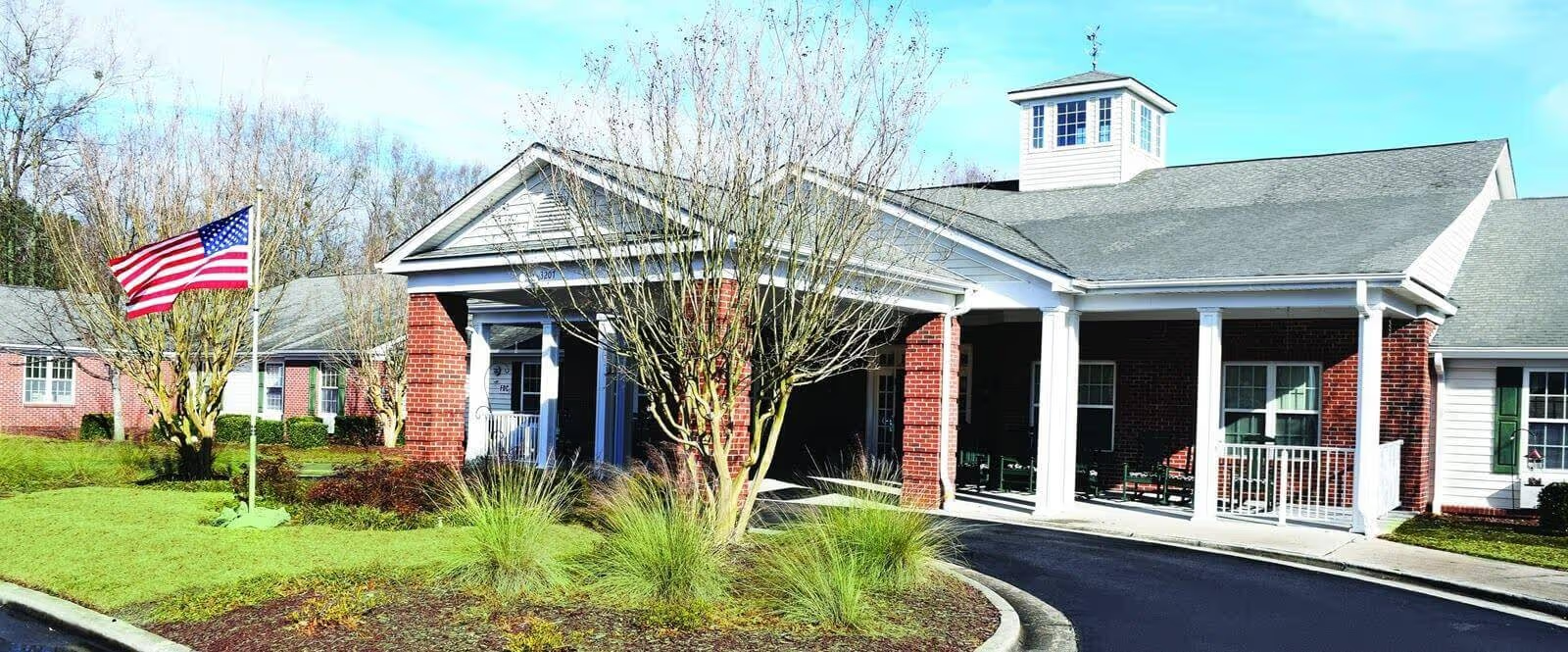
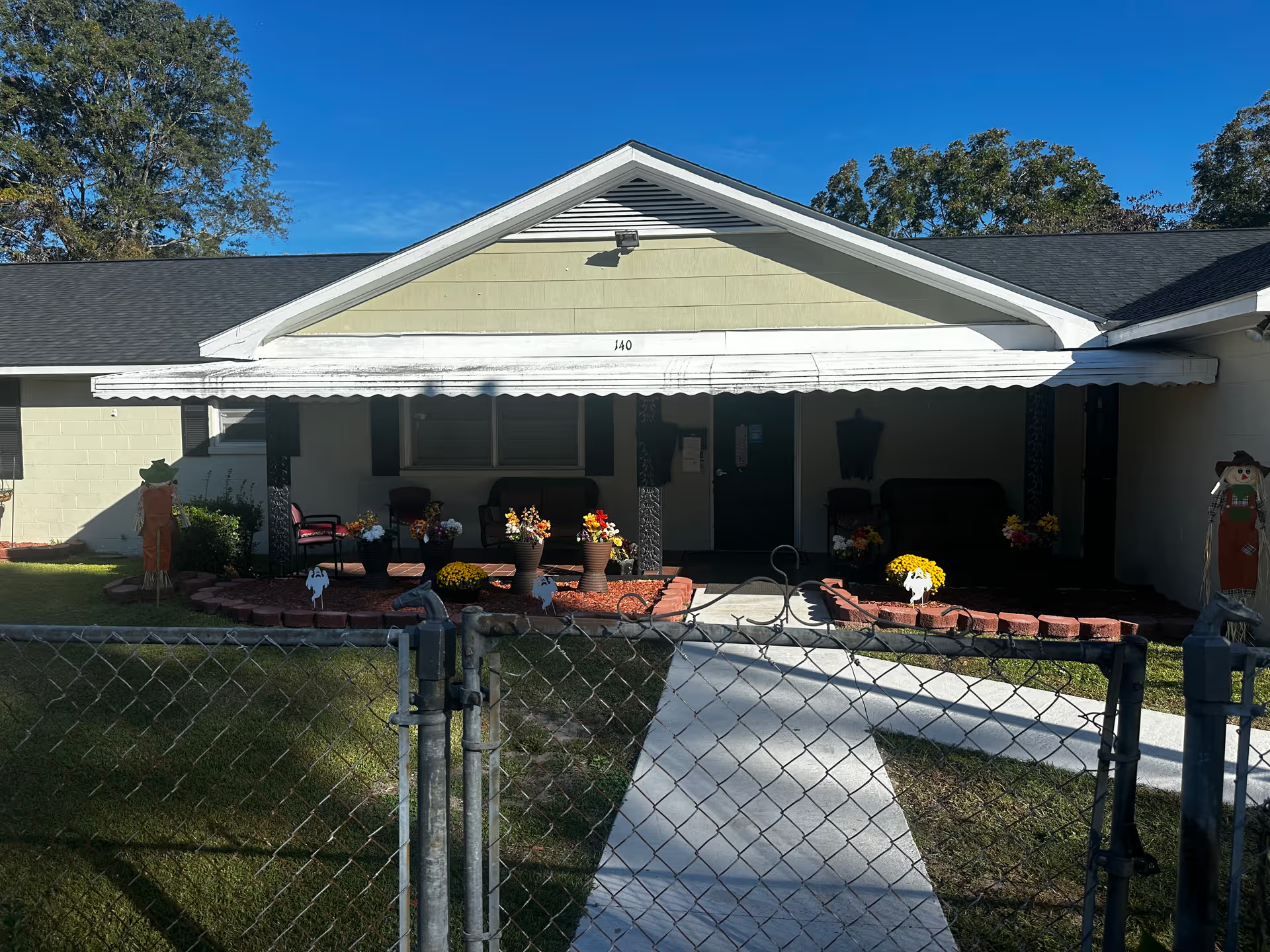
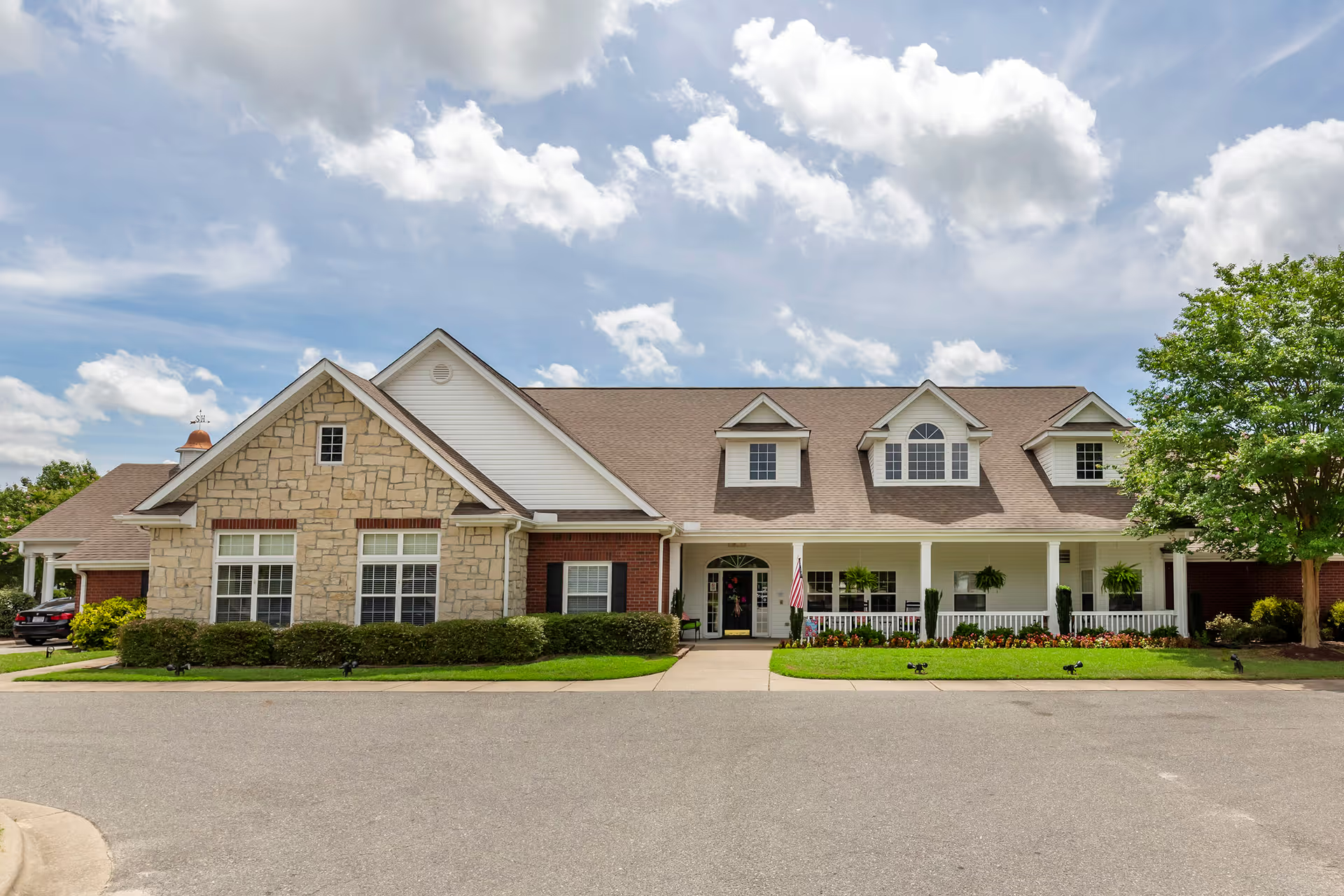
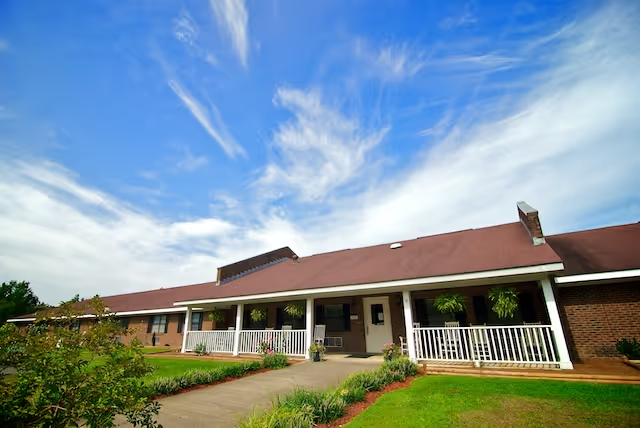
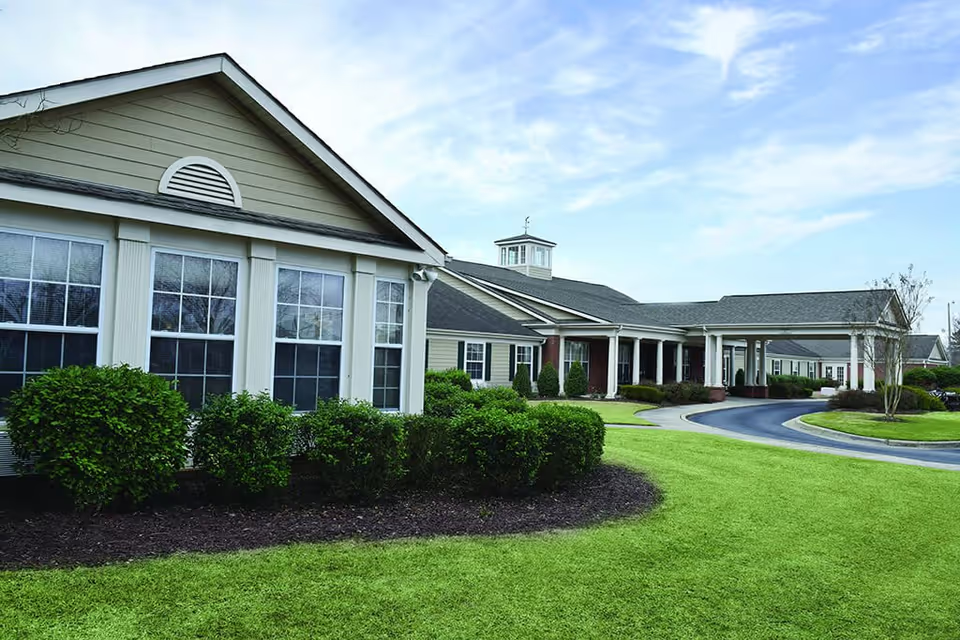
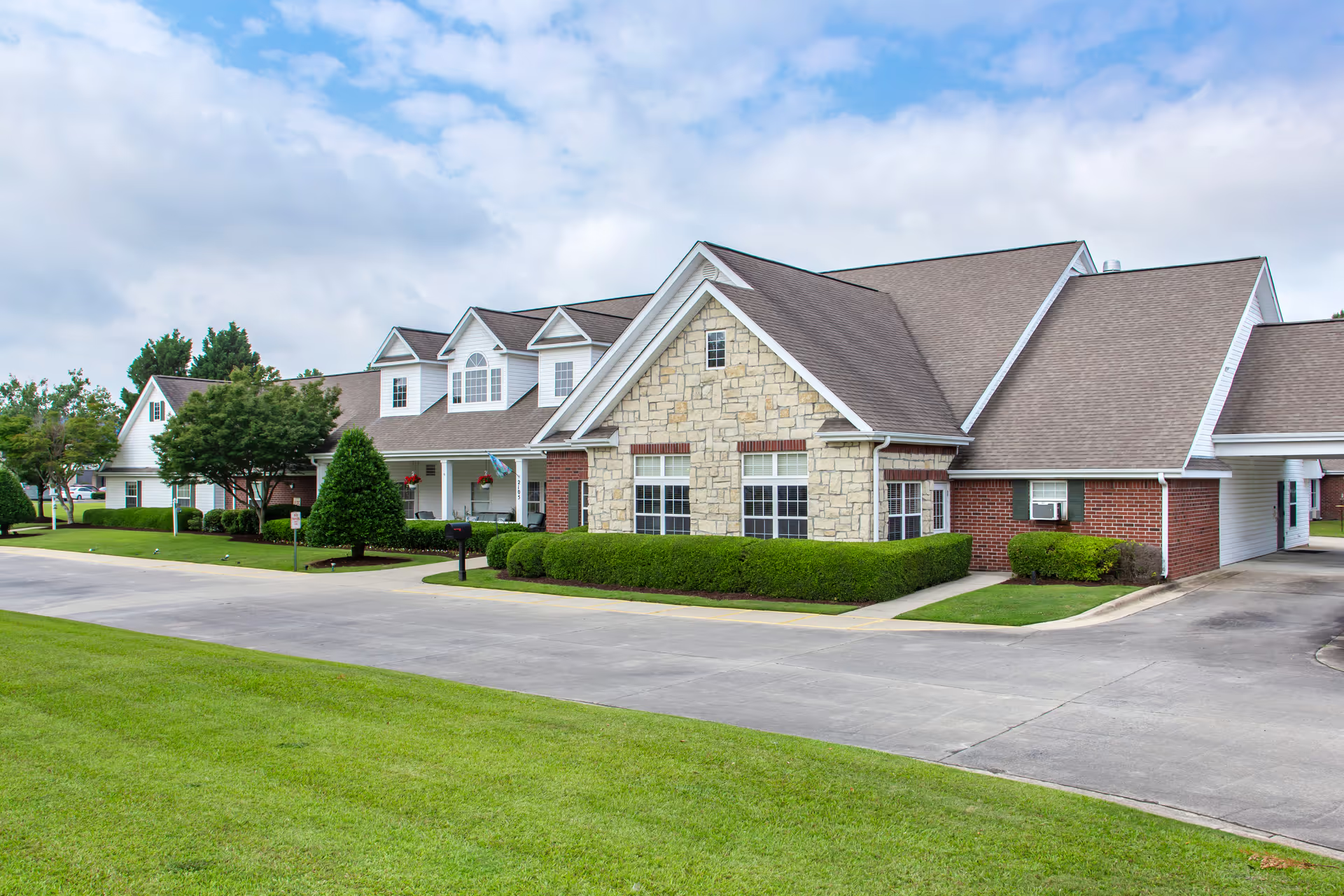
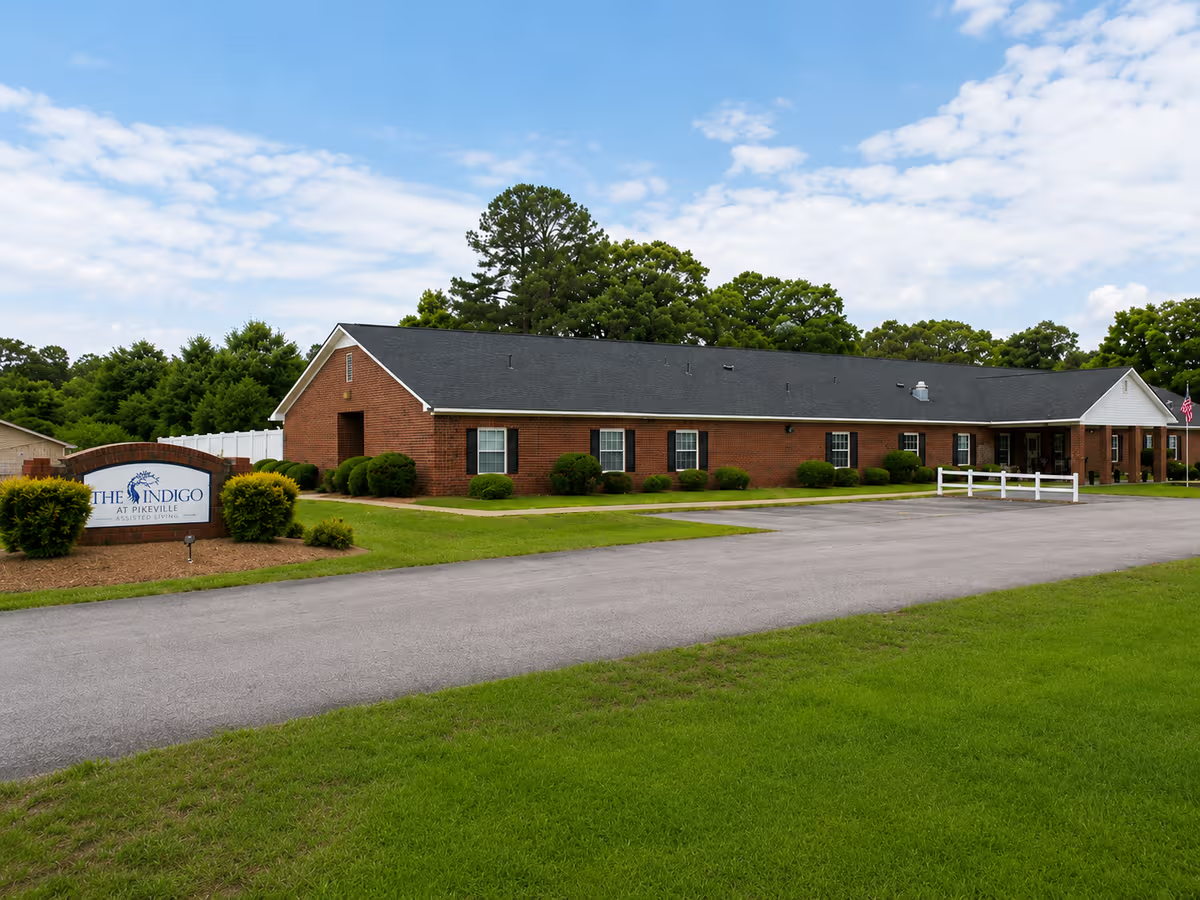
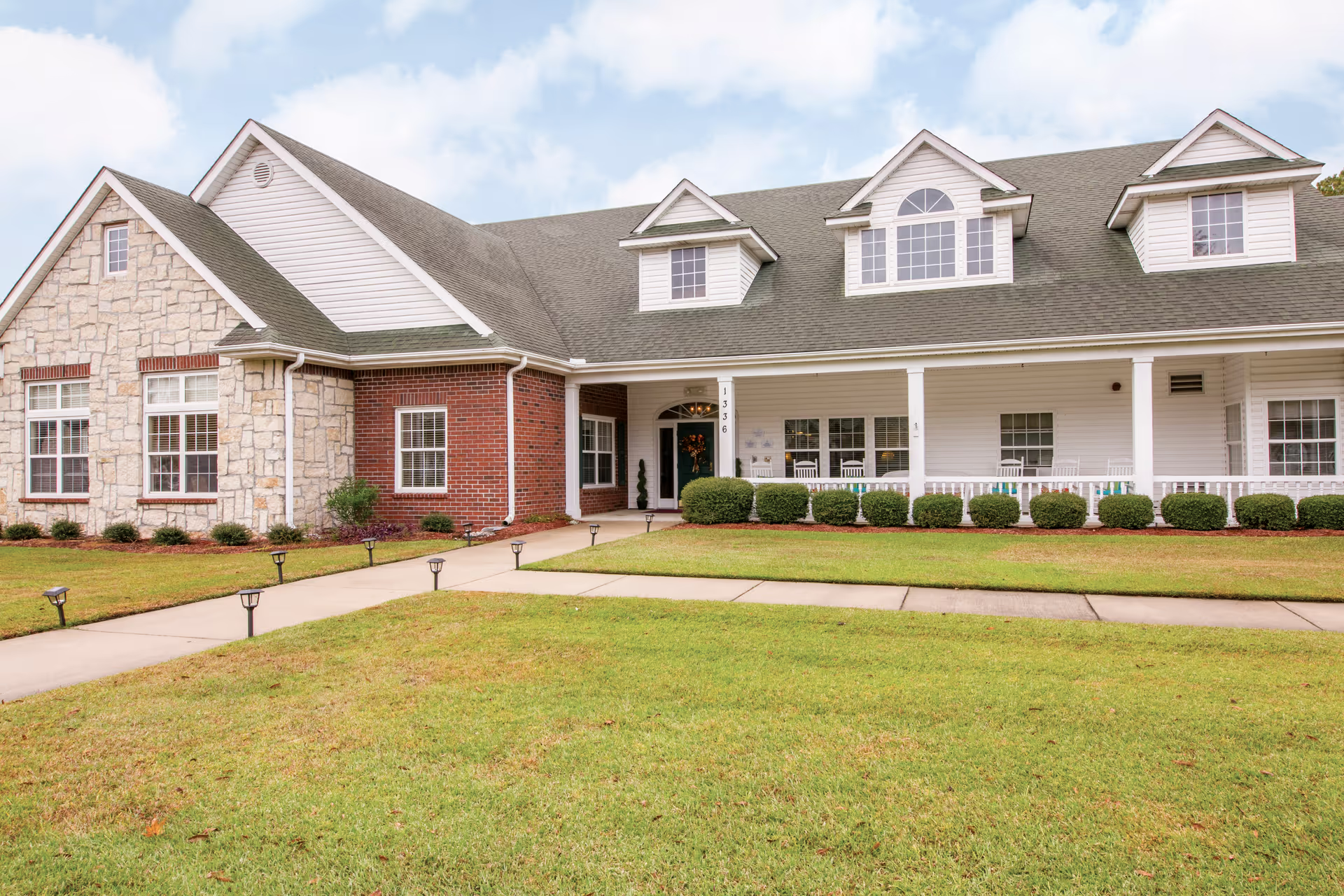
Activities and environment: The building and grounds are frequently described as clean, well-designed, and odor-free, with private rooms and pleasant views. Activity programming is cited as robust and engaging — including a therapy-dog program — though there are isolated notes about staff turnover in activities and a quieter afternoon schedule in some units. Housekeeping and facility maintenance are generally viewed positively.
Management and communication: Administrative responsiveness appears uneven. Positive experiences with admissions staff contrast with reports of slow or limited responses when families raise serious concerns, including outbreak communication and requests for care-plan meetings. Several reviewers asked for clearer arrival information, a family brochure about services and lost-item recovery, and more proactive communication around infection-control events.
Notable patterns and recommendations: Strengths center on rehabilitation, a clean and welcoming physical environment, and many compassionate caregivers. The main operational weaknesses to probe further are staffing levels and their effect on responsiveness, monitoring practices for residents with dementia or high fall risk, alarm/call-system reliability, consistency of nutrition management, and transparency of administrative communication. Prospective families should ask for specific staffing ratios, monitoring schedules for cognitive impairment, alarm-response procedures, infection-control communication plans, and documented care-plan meeting processes before placement.