Overall assessment: Review content shows a facility that elicits strongly polarized experiences. Many families and visitors describe a clean, well-kept building with engaged therapy services, pleasant dining, and front-line employees who provide compassionate, individualized attention. At the same time, several serious operational concerns are described that point to variability in care quality and administrative processes.
Care quality and clinical operations: Rehabilitation and therapy are consistently praised — reviewers note goal-focused physical and occupational therapy that emphasizes functional daily-living tasks and makes measurable progress. Nursing and CNA staff are frequently described as caring and attentive, with examples of individualized grooming and presentation. Contrasting accounts identify systemic weaknesses: staffing shortages and workload pressures that appear to contribute to delayed responses to clinical changes, slow transfers to higher-level care when indicated, and inconsistent monitoring. There are specific concerns related to pressure-injury management and infection-prevention practices that suggest uneven implementation of clinical protocols across shifts or units.
Staff conduct and communication: Many reviewers single out individual staff members and departments (admissions, therapy, housekeeping, front desk, administration) for positive interactions and strong responsiveness. However, other accounts describe inconsistent professionalism, curt or dismissive communication, and difficulty getting timely information. These patterns, along with reports of frequent staff turnover or new hires, point to variability in the resident experience depending on staffing and shift.
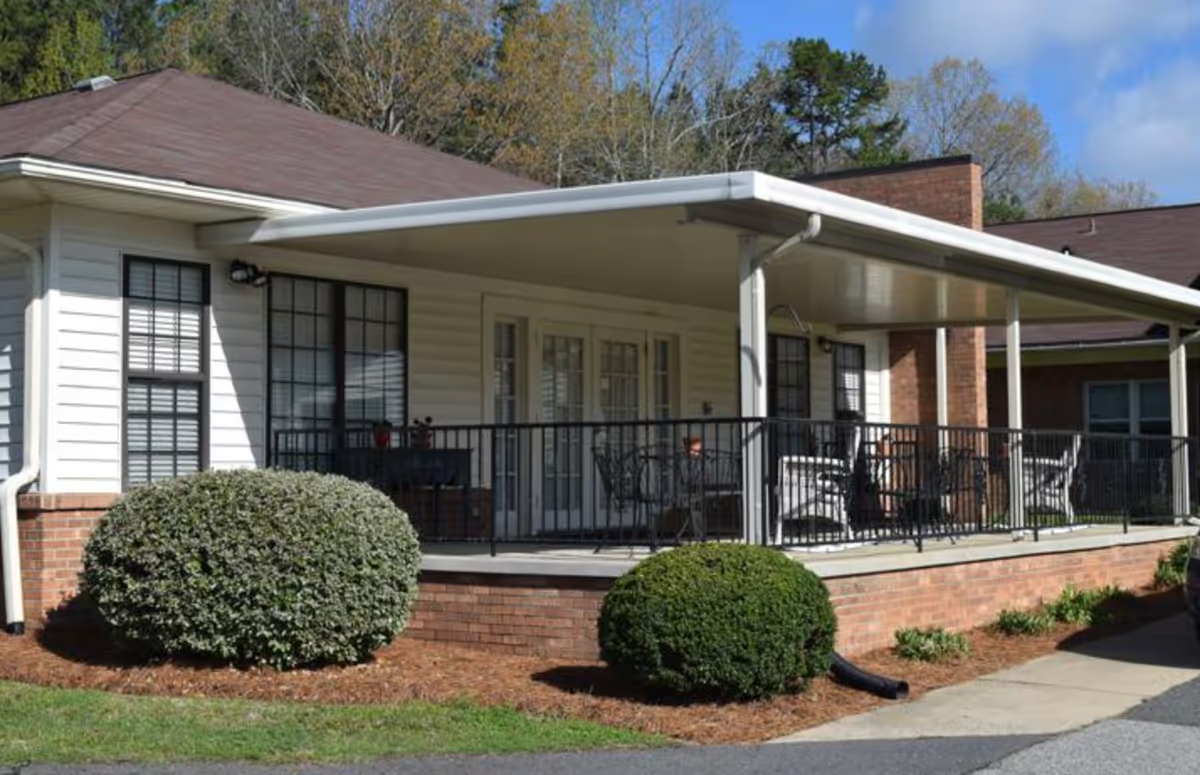
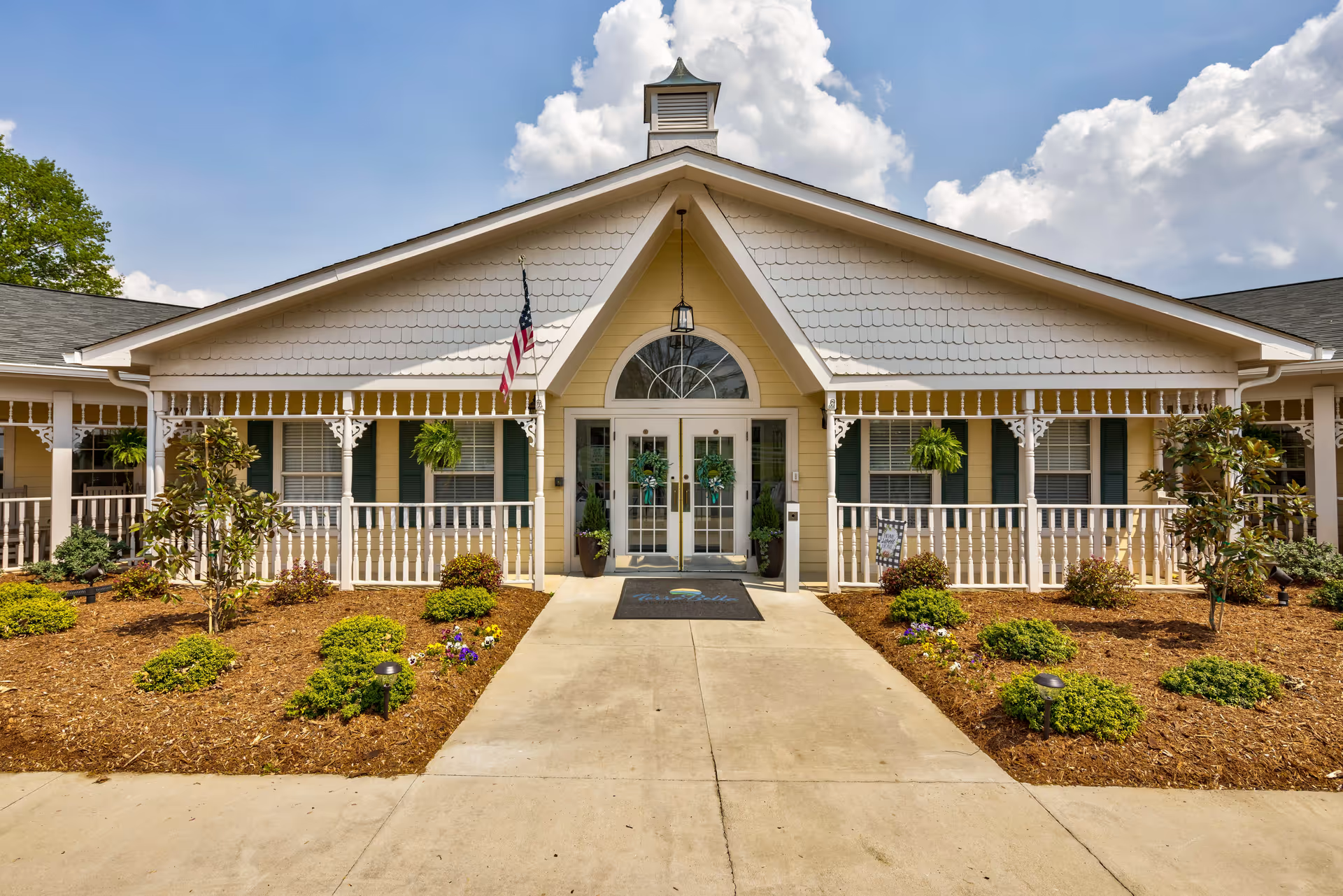
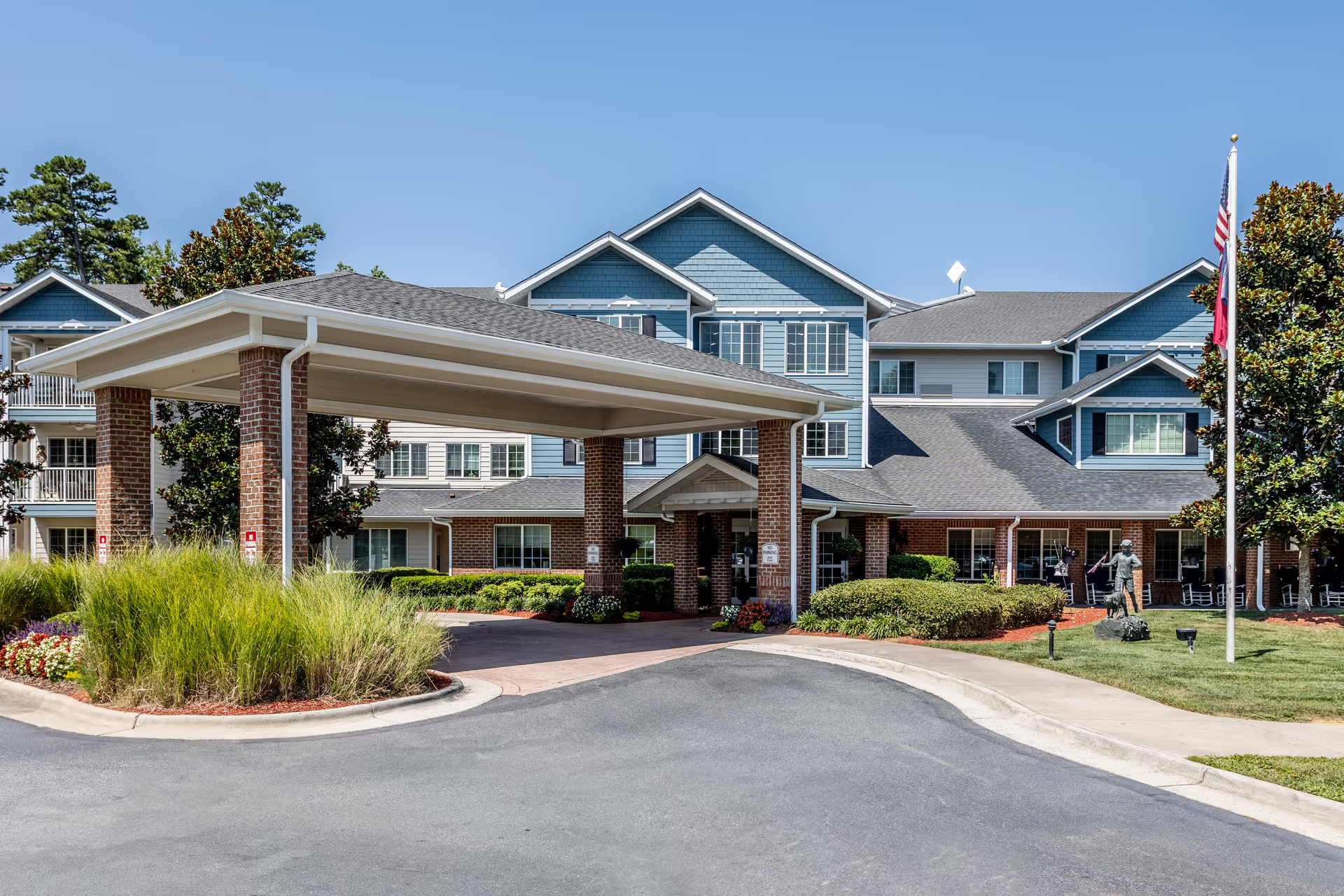
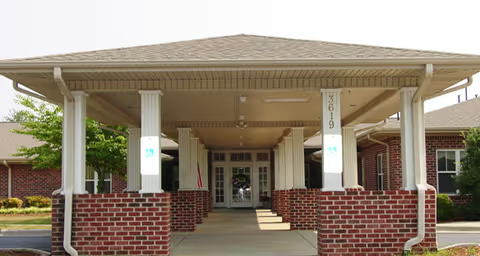
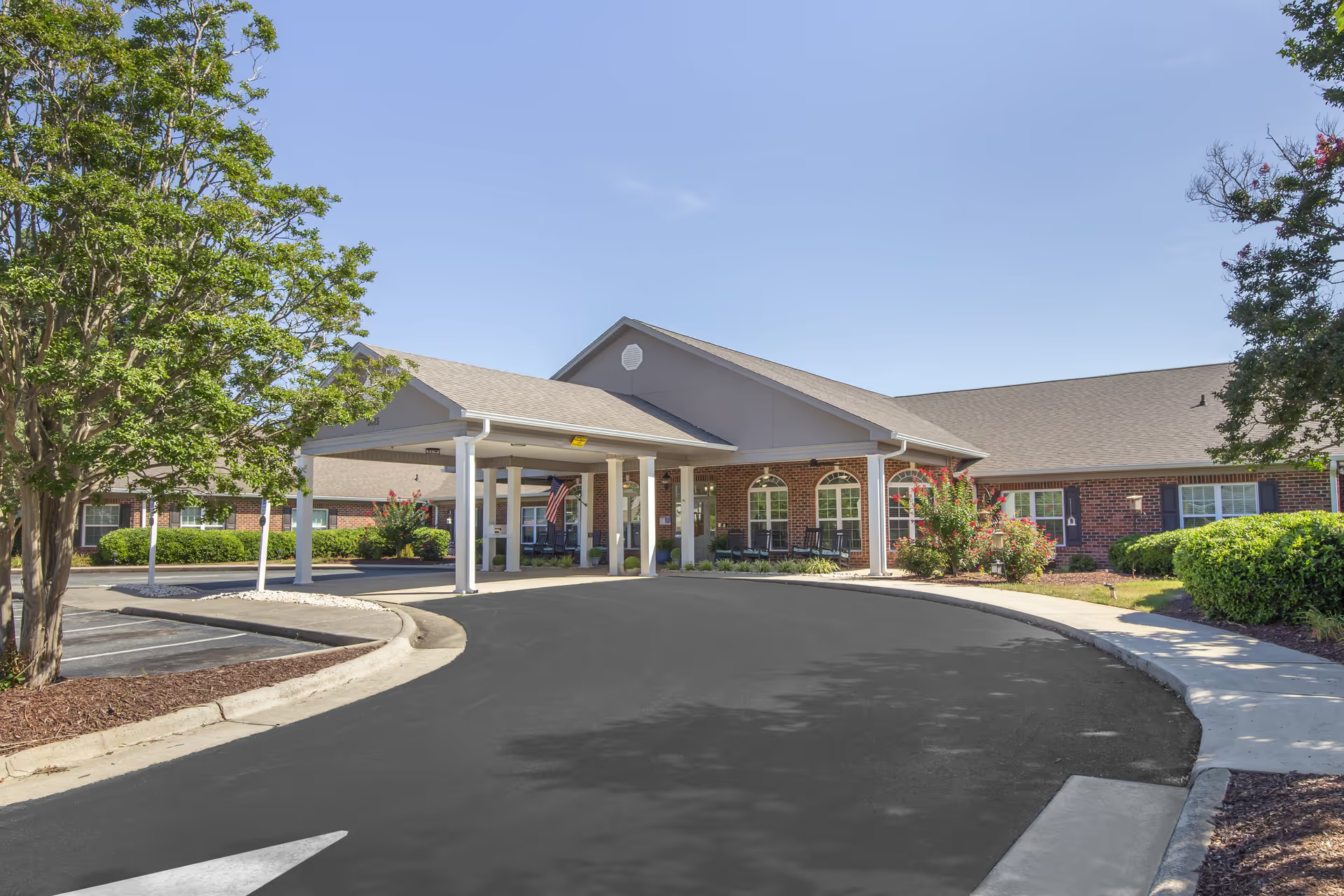
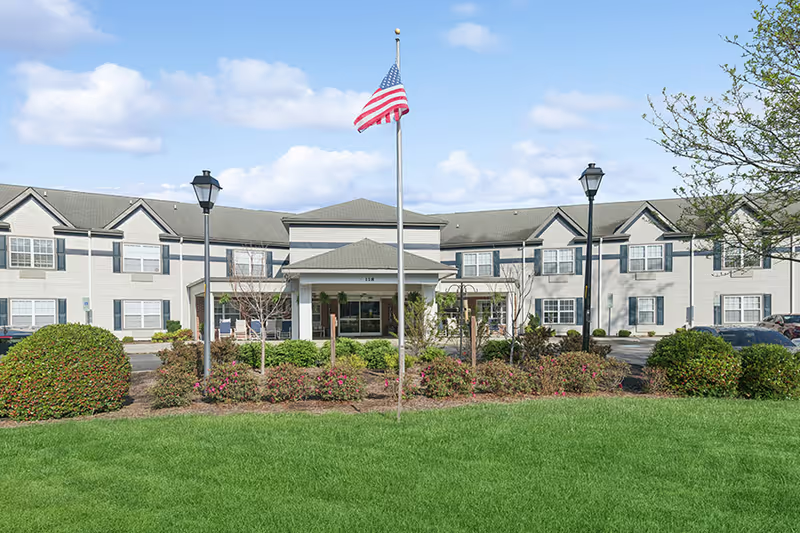
Dining, activities, and environment: Dining is a clear strength for many — food is described as tasty, plentiful, and varied. Activity programming and therapy-based social offerings are also highlighted as engaging and beneficial to residents' functional goals. The facility environment is described as pleasant and home-like, with diligent housekeeping and a welcoming front desk contributing to a positive atmosphere. Isolated sanitation concerns are mentioned in a minority of accounts and should be probed during a tour.
Management, administration, and policies: There are repeated comments that administration can be responsive and that recent management changes have led to visible improvements. At the same time, reviewers raised operational issues around billing, administrative processes, and property security. There are also serious family-level concerns about end-of-life coordination and hospice facilitation, including at least one account alleging that hospice options were not supported in the manner the family expected. Additionally, some reviewers perceive organizational incentives or reimbursement-focused decision-making that may influence care transitions.
Notable patterns and guidance for families: The overall pattern is mixed — many very positive experiences coexist with a set of recurring operational vulnerabilities. Prospective residents and families should plan an in-person visit and ask targeted questions: current staffing ratios and weekend coverage, wound-care and infection-prevention protocols, transfer and hospital-communication procedures, hospice and end-of-life coordination policies, personal-item security processes, and billing/insurance clarification. Asking to meet therapy staff, housekeeping, and an administrator can help clarify whether the positive operational practices cited by many reviewers are consistently applied.
In summary, Ramseur Rehabilitation and Healthcare Center has clear strengths in rehabilitation therapy, dining, and in several engaged front-line staff and departments. Those positives are tempered by recurring concerns about staffing consistency, clinical monitoring and response, communication, and certain administrative practices. A focused tour and direct questions about the operational areas identified above will help families evaluate whether the facility’s strengths align with their priorities and whether management has effectively addressed the cited weaknesses.