Overall impression Chardon Center elicits a polarized set of evaluations: several families and clinicians praise the facility for its rehabilitation services and for individual staff members who provide attentive, goal-focused care, while an equal number of accounts identify persistent operational problems that affect day-to-day resident experience. The facility demonstrates clear strengths in therapy and in certain long-standing caregiving relationships, but reviewers frequently describe systemic issues that undermine consistent delivery of basic care.
Care quality and clinical follow-through Therapy services — physical, occupational and speech — are consistently cited as a strength. Reviewers describe measurable functional gains, well-structured rehab plans, and staff who are goal-oriented and able to train families for home care. At the same time, there are recurring concerns about clinical follow-through: delayed or inconsistent assessments, limited use of diagnostic testing in some cases, and gaps in medication administration and documentation. These patterns suggest variability in clinical oversight and in the processes that ensure timely evaluation and treatment escalation.
Staffing, conduct, and continuity Feedback about staff is mixed. Many accounts highlight compassionate, dedicated aides, nurses and therapists — with specific staff members singled out for excellent care and communication. However, the facility also appears to experience uneven staffing patterns, frequent use of agency personnel, and high turnover. Those operational stresses are associated with delayed responses to call lights, inconsistent personal-care routines, and variability in staff professionalism. There are also isolated but serious concerns about hiring/screening practices and conduct that families felt warranted external reporting.
Dining and activities Dining impressions vary: some families describe appealing meals and proactive meal planning, while others report inconsistent food quality, cold or undercooked plates, and small portions. Snack availability and substitution policies are also a point of contention for some families. Activity programming exists and is engaging for some residents, but several reviewers felt programming was limited or unevenly available across units.
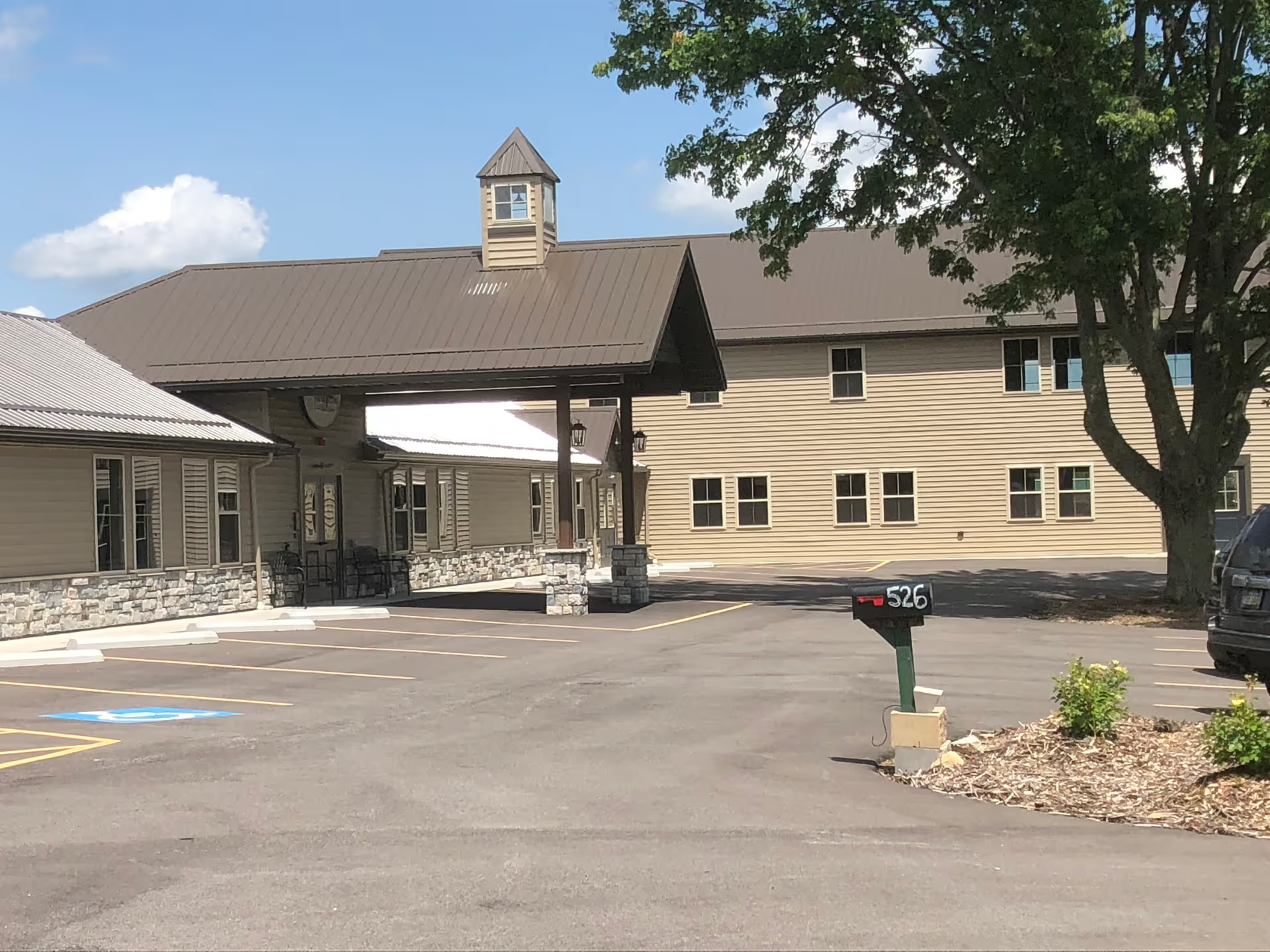
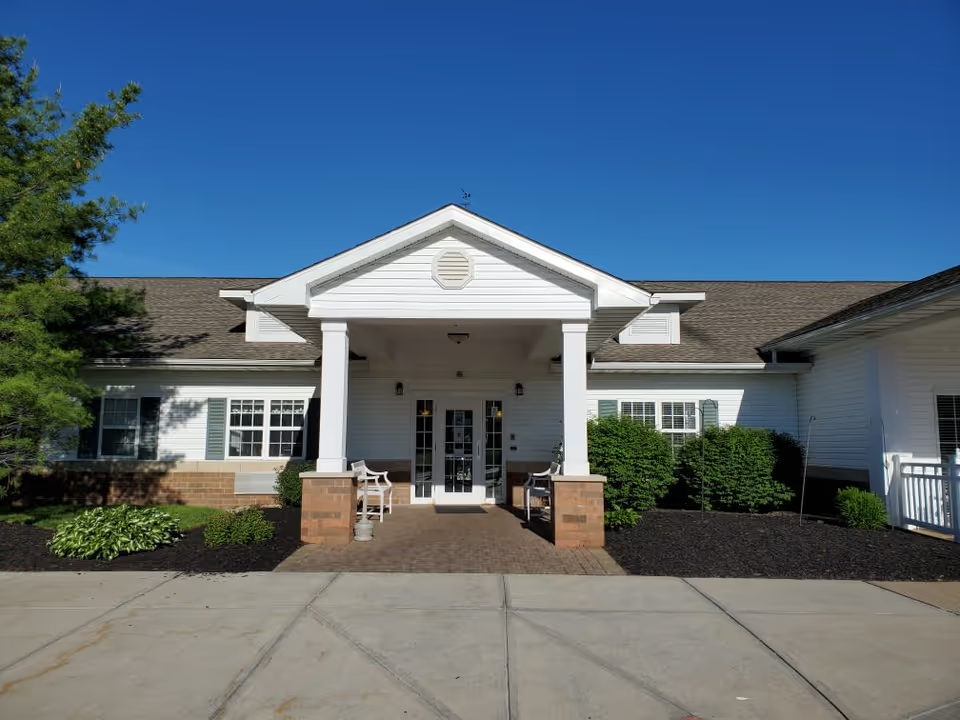
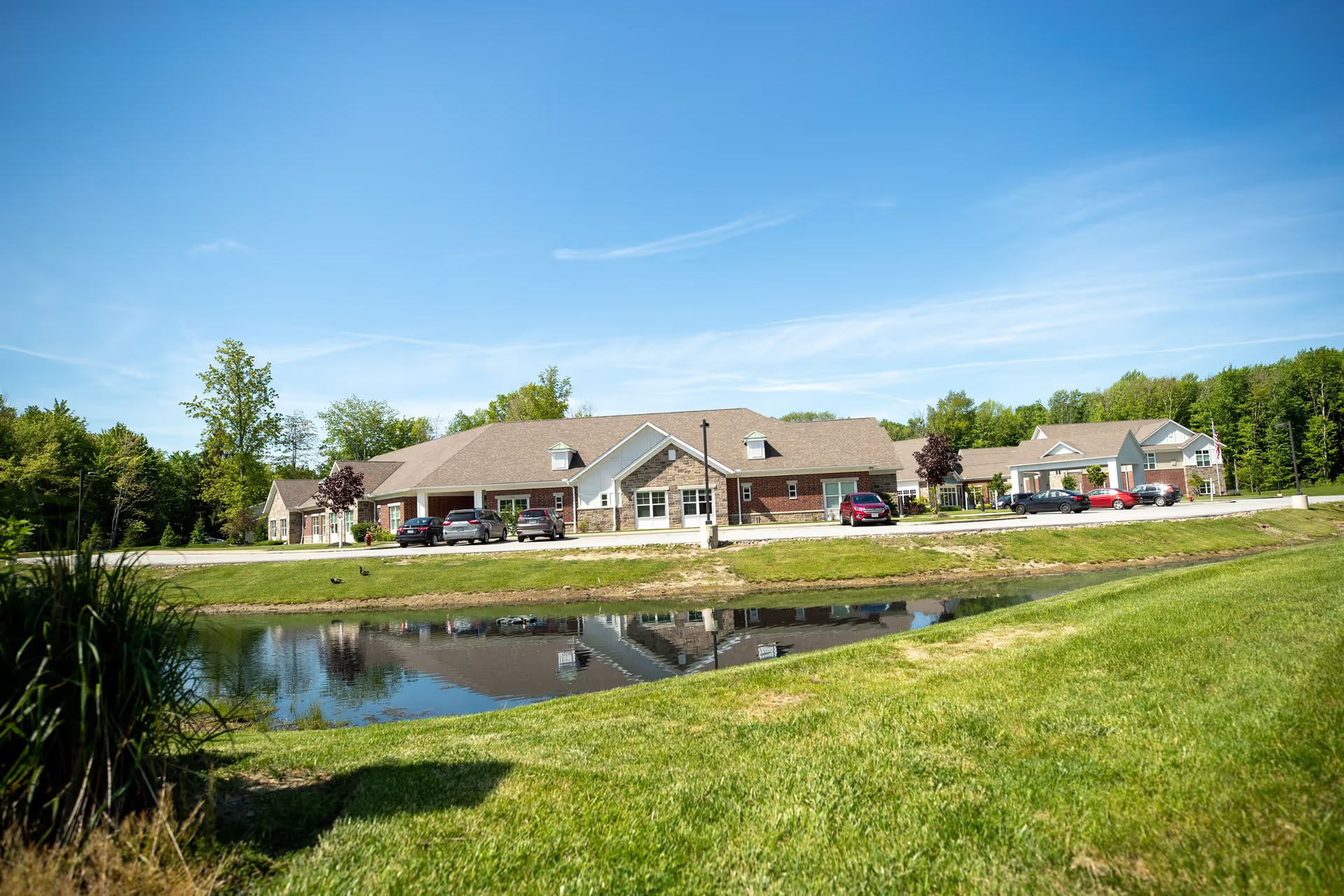
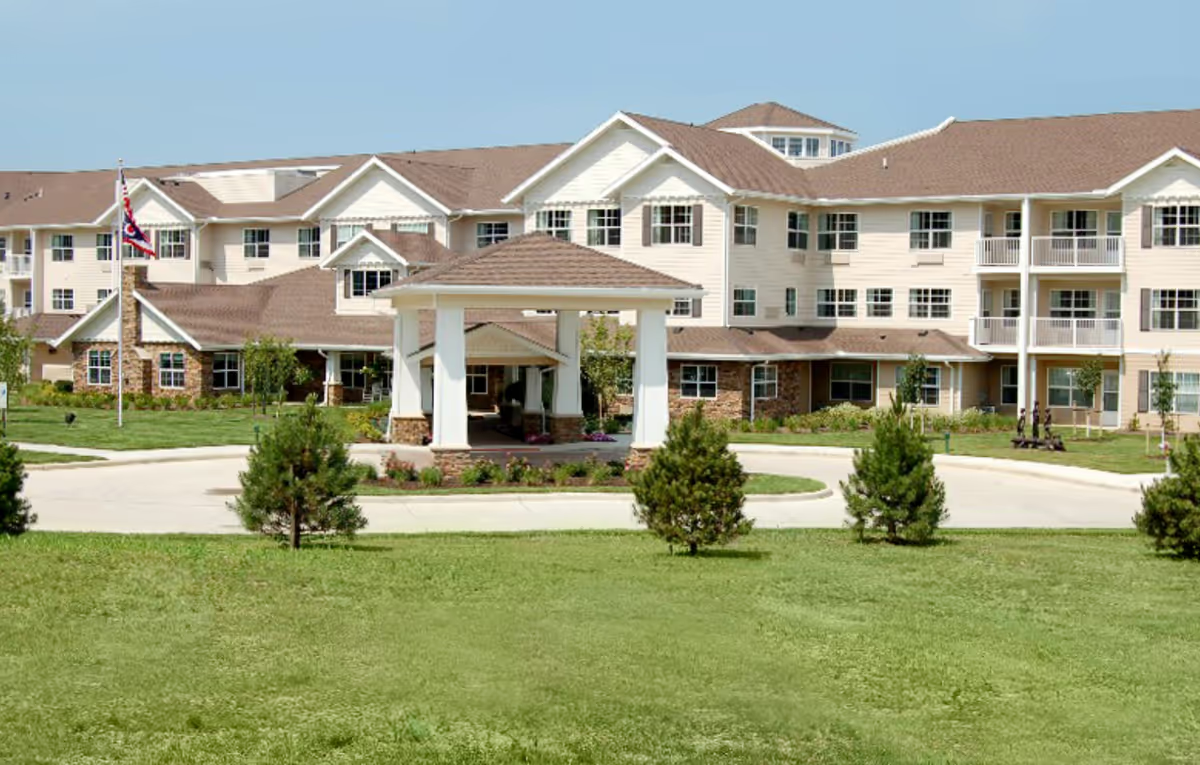
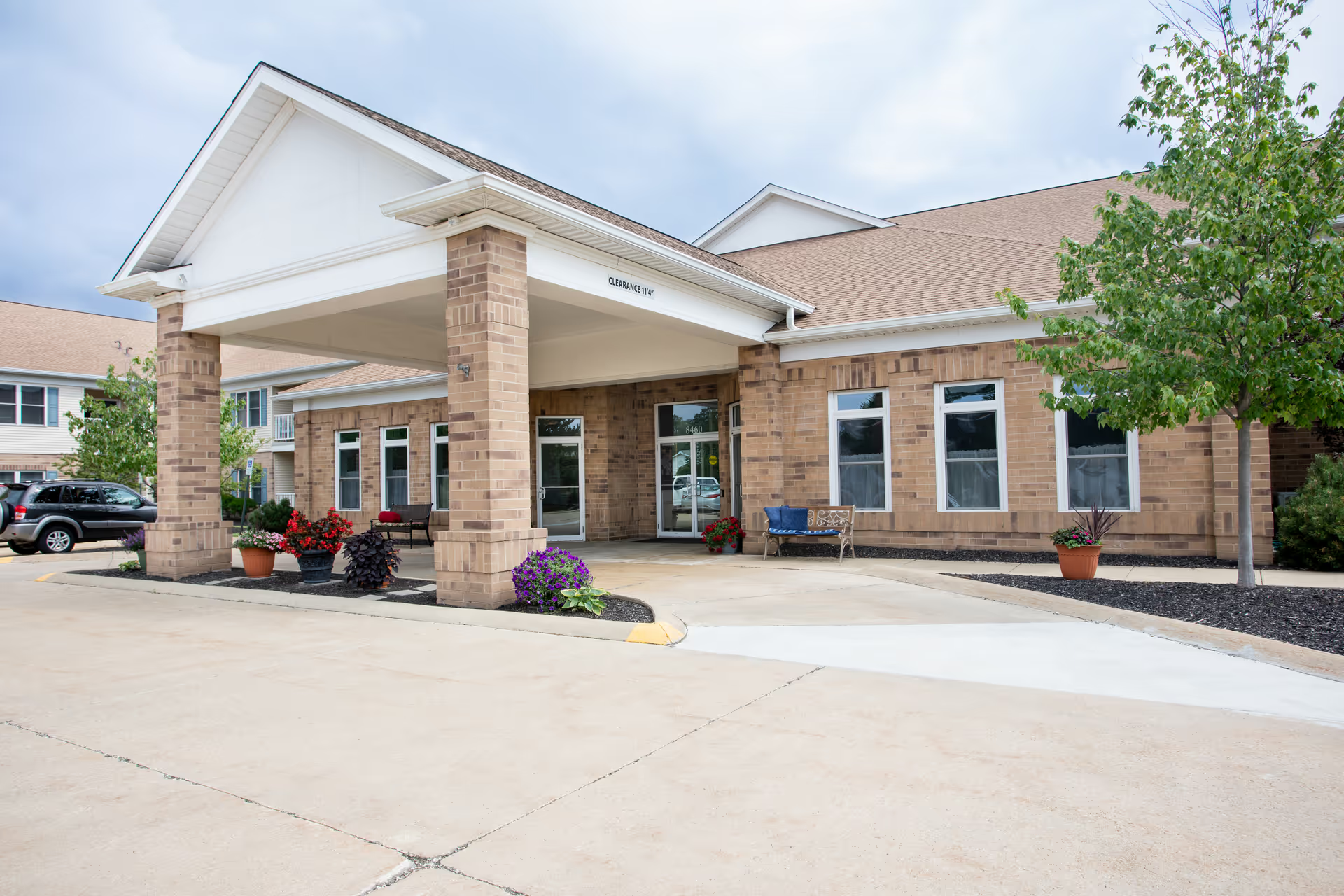
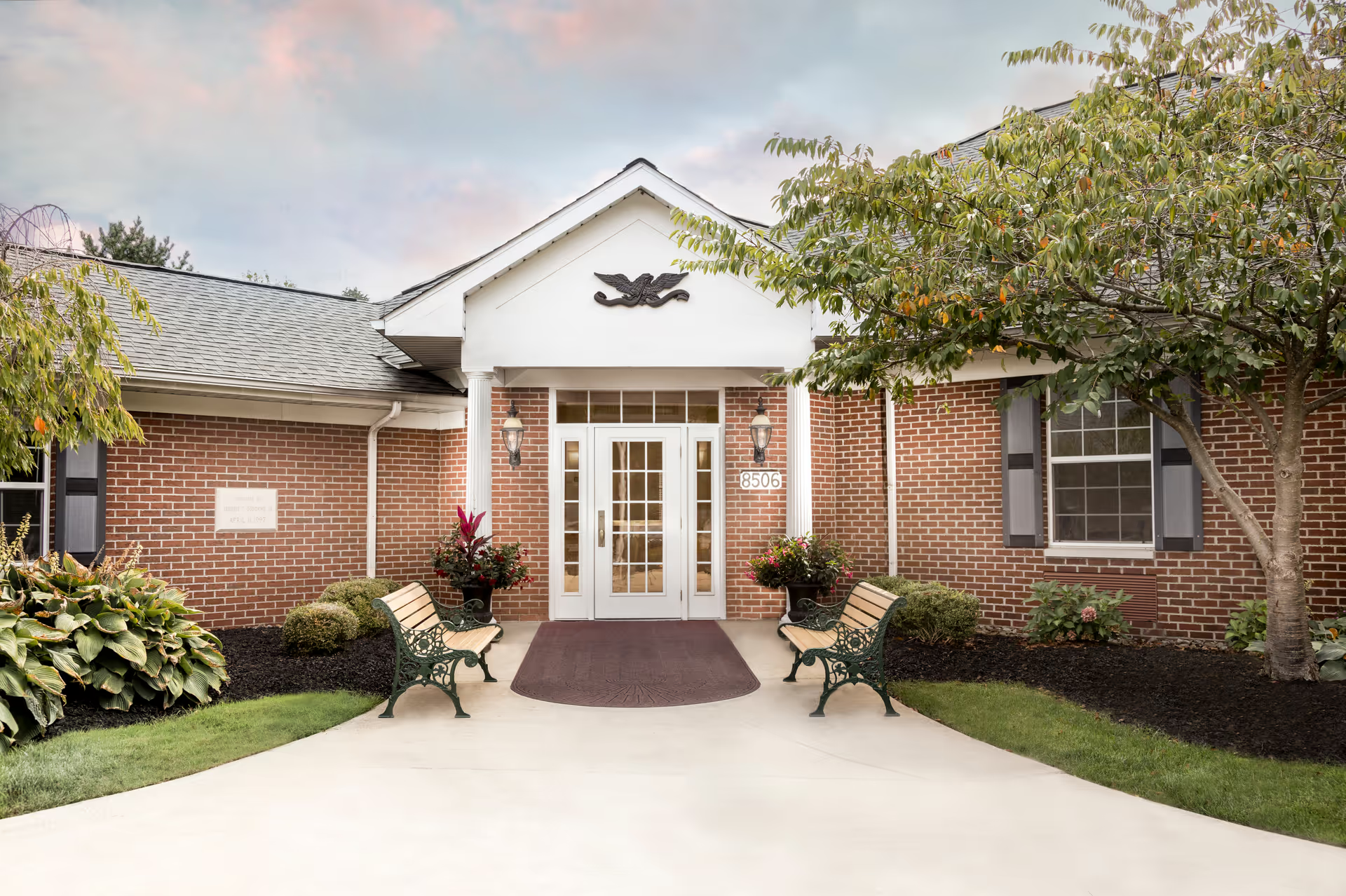
Facilities, cleanliness, and infection control The building and public areas receive generally positive comments for maintenance and aesthetic upkeep. Nonetheless, multiple reviewers raised sanitation and odor concerns in resident rooms and certain corridors, along with inconsistent housekeeping practices such as irregular linen changes and bathing schedules. Infection-control practices were described as inconsistent in some accounts, with recommendations that the facility reinforce PPE and screening protocols to protect residents and visitors.
Management, communication, and administration A prominent theme is variability in administrative responsiveness. While some families experienced welcoming front-desk staff and engaged directors, others reported poor complaint resolution, opaque billing or Medicaid-eligibility handling, and unsatisfactory follow-up after adverse events. Communication gaps between clinical staff, management, and families contributed to frustration. There is at least one allegation related to privacy during a care conference and other serious family concerns following a resident outcome; these items indicate a need for clearer policies and more consistent family engagement.
Patterns and considerations for prospective families Prospective residents and families should weigh the facility’s strong rehabilitative capabilities and the presence of several highly regarded caregivers against recurring operational weaknesses: inconsistent staffing, variable basic-care routines, cleanliness and infection-control concerns, and administrative communication gaps. For someone prioritizing aggressive rehab and who can confirm stable caregiving teams and robust clinical oversight on their unit, Chardon Center may offer meaningful benefit. Families for whom consistent daily caregiving, timely clinical follow-up, and transparent administrative practices are paramount should ask detailed, unit-specific questions about staffing ratios, agency-staff use, housekeeping schedules, medication oversight procedures, infection-control protocols, and family-communication processes before committing.