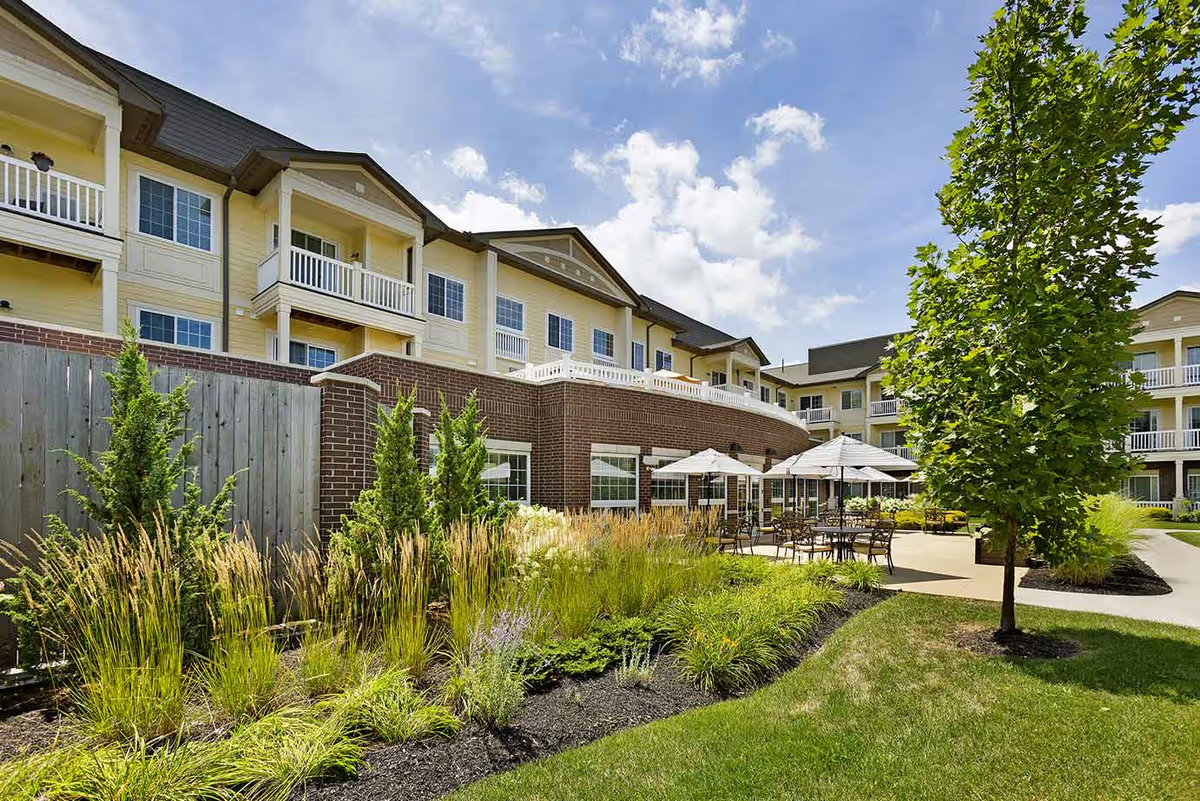
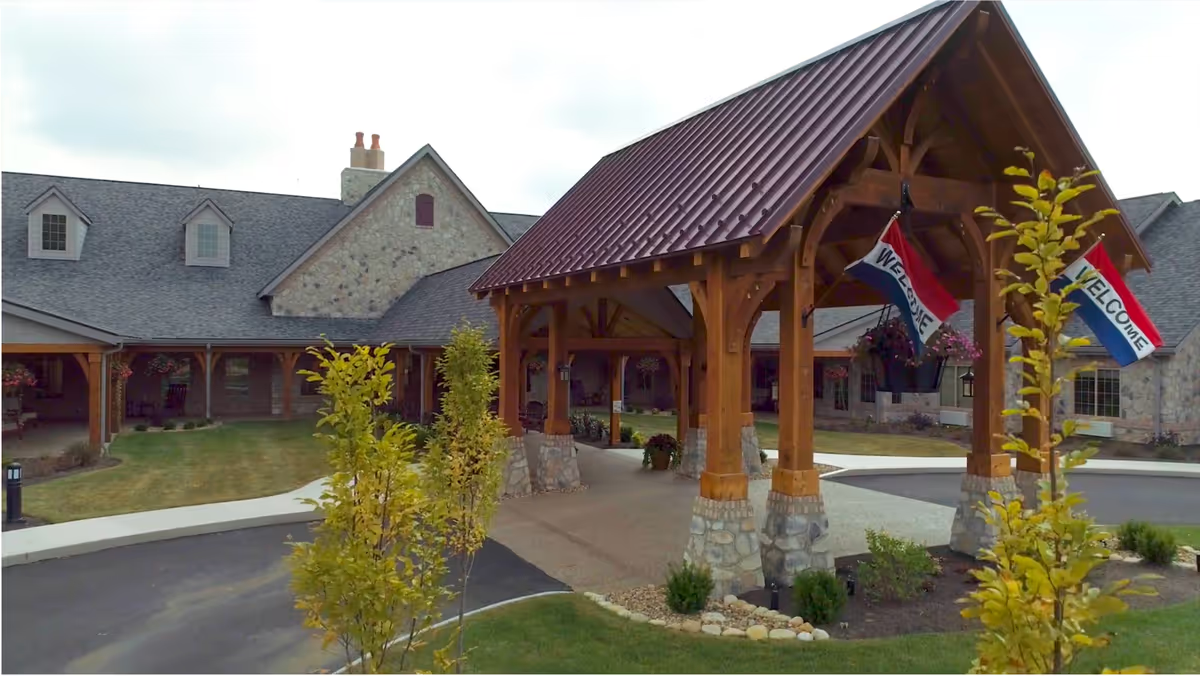
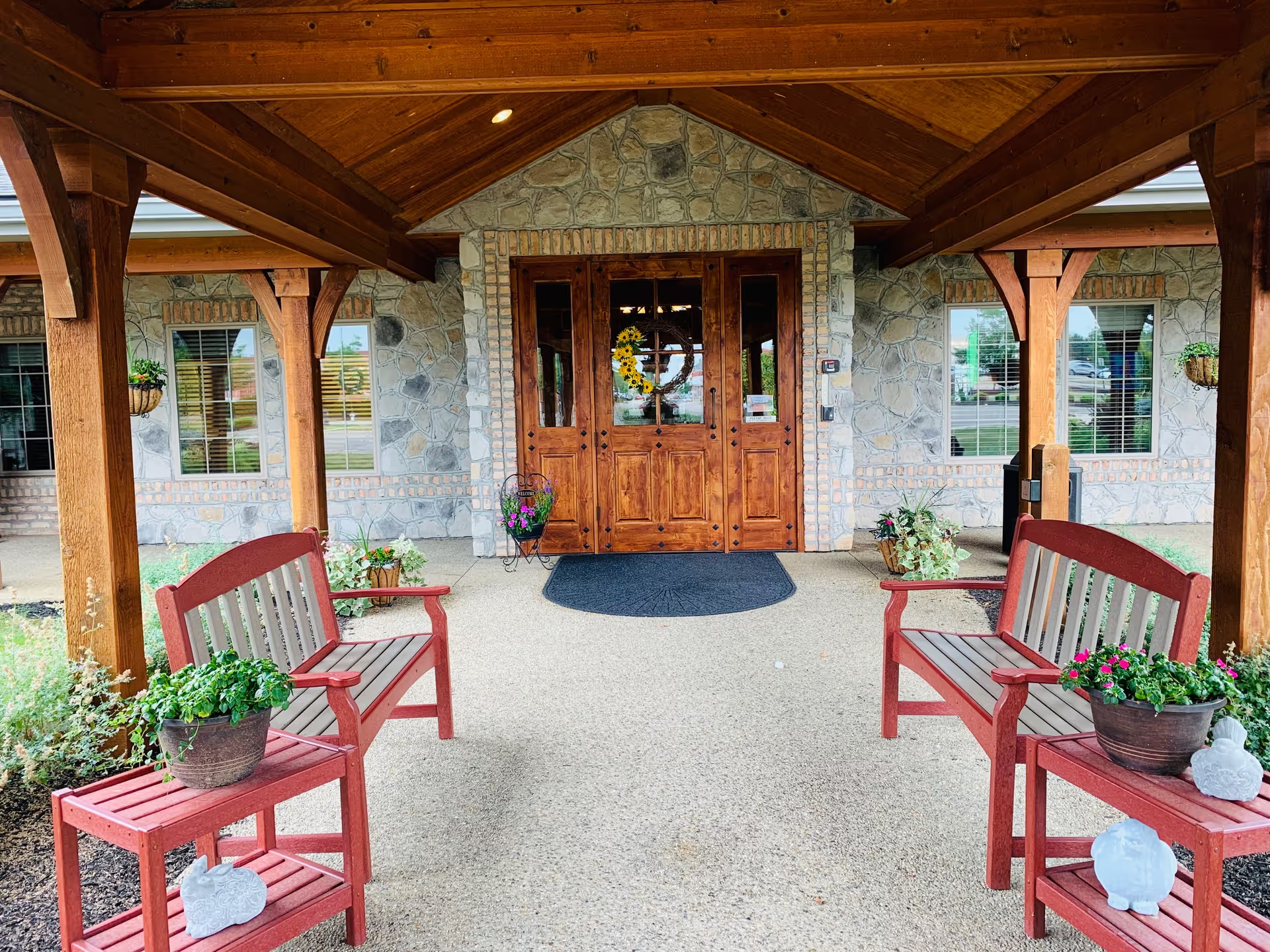
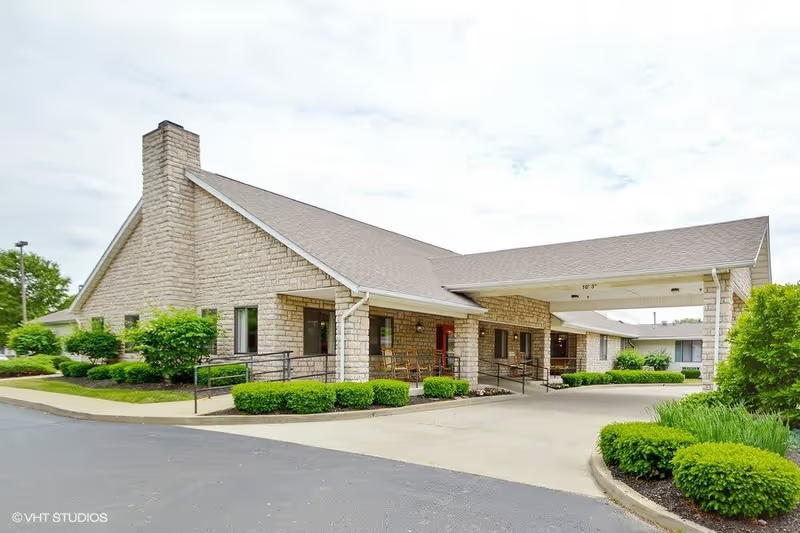
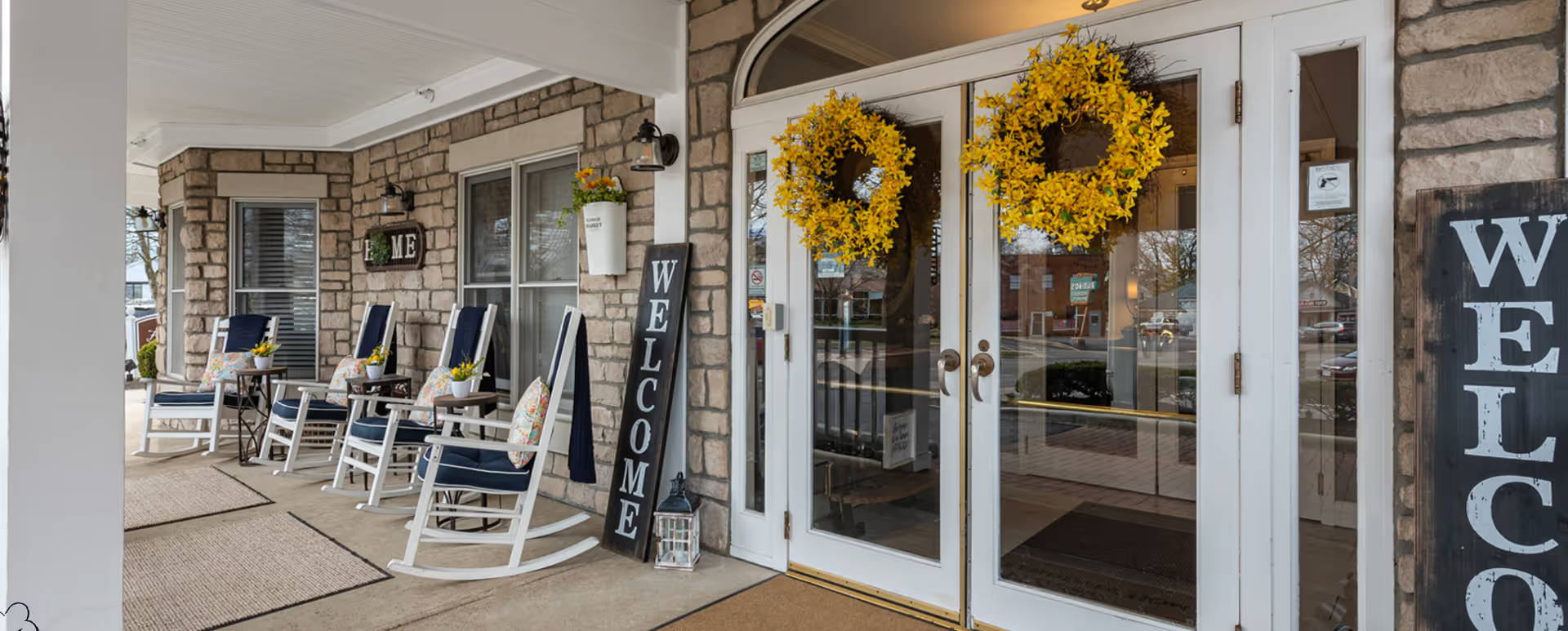
The collection of reviews describes a facility with a mix of clear strengths and substantial operational weaknesses. On the positive side, families and some clinical sources highlight compassionate caregivers, visible and experienced leadership, and strong rehabilitative services. Physical and occupational therapy receive consistent praise for producing good outcomes, and one set of comments emphasizes advanced respiratory care staffing and real‑time monitoring technology. Several reviewers also noted a welcoming executive director, family-inclusive practices, hospice availability, and generally well‑kept public spaces that create a warm first impression.
Care quality and staffing present a divided picture. Positive accounts describe attentive nurses and aides who provide comforting, hands‑on care. Conversely, there are frequent concerns about inconsistent responsiveness to call bells, delays in attending to basic needs, and evidence of nursing understaffing that contributes to prolonged waits for assistance. Related operational weaknesses include inconsistent bathing and incontinence‑care procedures, lapses in skin checks and repositioning that raise pressure‑injury risk, and problems with medication documentation and timely administration.
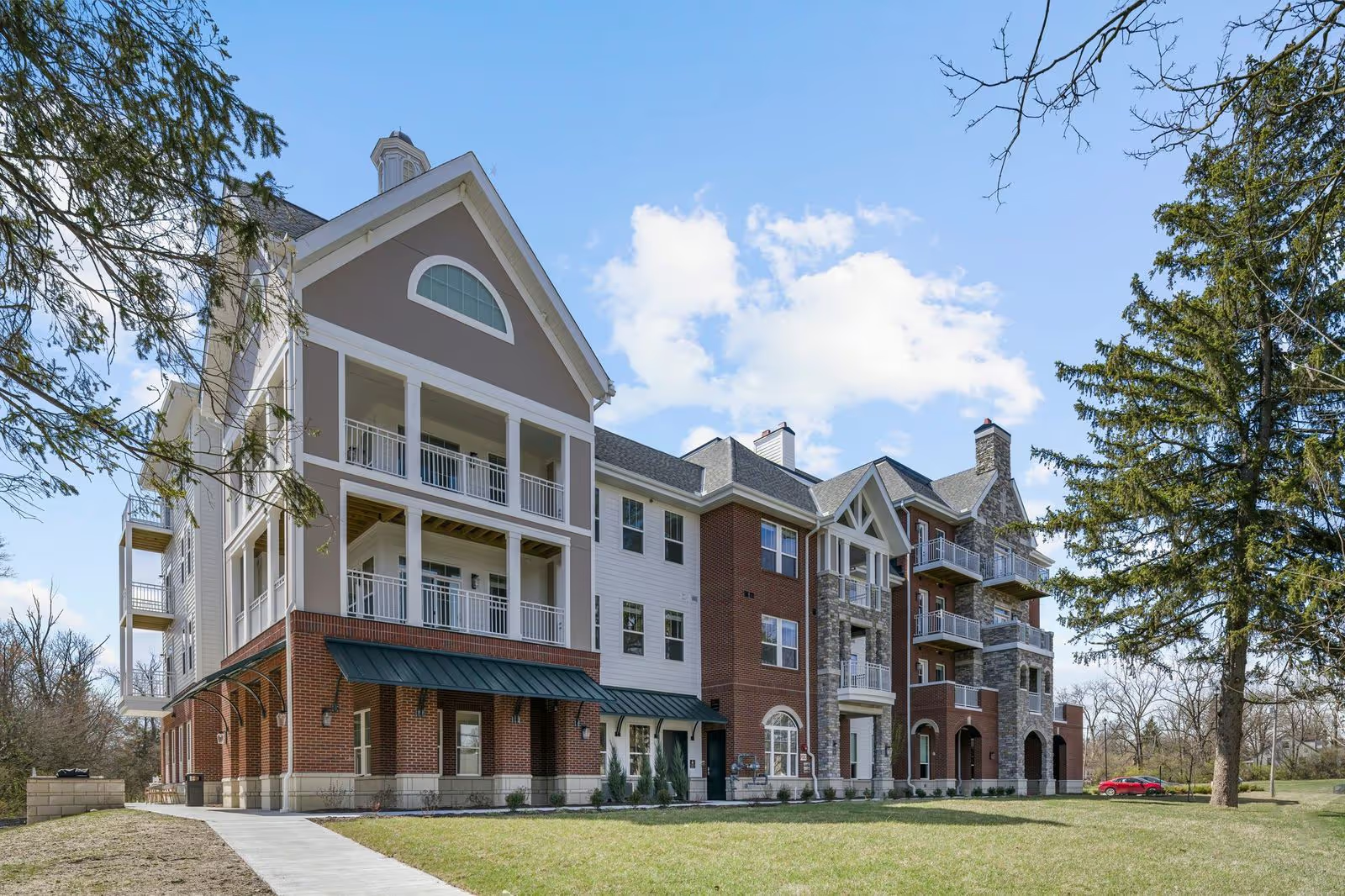
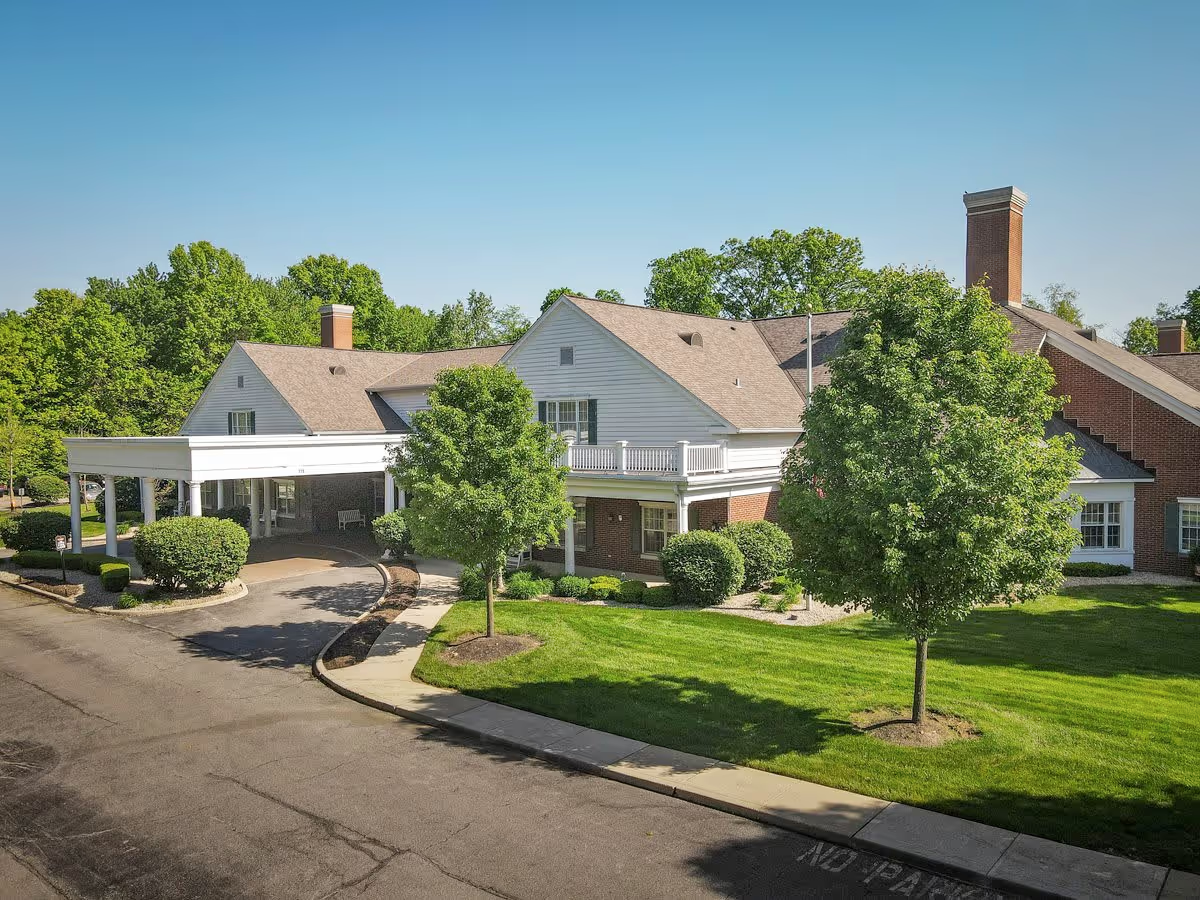
Facility condition and logistics are another area of disparity. Some visitors and family members describe clean, well‑maintained common areas and shiny floors; multiple others describe sanitation and maintenance inconsistencies in resident rooms and bathrooms, including moisture‑related damage. Reviews also raise issues with laundry services and personal‑linen management, small or crowded room layouts (including shared rooms and limited space for equipment), and instances where room photos did not match the on‑site conditions. Meal service earns mixed comments — staff sometimes accommodate preferences, but there are repeated notes about inconsistent food quality and missed dietary/allergy considerations.
Management, communication, and administrative processes show similar contrasts. On the positive side, leadership visibility and on‑site manager engagement are cited as reassuring. However, recurring concerns include poor communication about transfers and discharges, records not matching actual status changes, and billing or refund delays. Some reviewers perceive administrative priorities as being driven by occupancy rather than individualized care. These operational gaps compound clinical concerns when families are trying to arrange transitions or follow up on care issues.
Notable patterns for prospective residents and families: the facility can deliver high-quality rehabilitative and respiratory care and may provide a supportive, family‑oriented environment when staffing and management align. At the same time, there are repeat themes of inconsistent staffing levels, lapses in routine nursing processes (bathing, repositioning, medication documentation), and intermittent maintenance and laundry failures. These patterns suggest variability in day‑to‑day reliability across units or shifts.
When evaluating this facility in person, consider asking targeted questions about current staffing ratios and call‑response metrics, skin‑inspection and repositioning protocols, medication‑administration and documentation practices, laundry turnaround and room‑maintenance procedures, and the facility’s process for discharge coordination and billing resolution. A direct tour of the specific unit and room, verification of therapy and respiratory staffing levels, and discussion with the on‑site leadership about how they address the concerns above will help clarify whether this community fits an individual resident’s needs.