Overall impression The Landings of Westerville elicits predominantly positive feedback focused on staff quality, rehabilitative services, and its physical environment, while a subset of reviews raises operational concerns that prospective families should evaluate in person. Many families highlight compassionate caregiving, proactive nursing leadership, and a strong therapy program that supports measurable functional gains. At the same time, recurring operational themes — especially related to staffing consistency, responsiveness, and personal-care scheduling — appear in some accounts and warrant targeted questions during a tour.
Care and staff Clinical care and interpersonal staffing are the facility's most frequently praised elements. Reviewers commonly describe nurses, aides, therapists, and advanced practice clinicians as professional, caring, and communicative. Several accounts cite an attentive nurse manager and effective interdisciplinary coordination, with social work and discharge planning often identified as strengths. The rehabilitation program (PT/OT and STNA assistance) is repeatedly credited with restoring independence and meeting rehab goals; the ventilator/complex-care unit also receives specific commendation for clinical competence.
Operational inconsistencies and safety-related themes Alongside strong endorsements, reviews point to operational weaknesses that may affect everyday care. The most consistent concerns involve staffing variability across shifts, which reviewers link to slower call-light responses, delays in basic assistance (including bathing and personal-care scheduling), and occasional lapses in medication-handling practices. Incontinence-care delays and related sanitation concerns are mentioned in several critical accounts; these statements describe care-process gaps rather than systemic infrastructure issues. A number of families also reported communication gaps during care transitions or admissions, and a few noted administrative friction around admissions for residents with complex behaviors and billing interactions. These patterns suggest variability by unit and by shift; prospective residents should ask about current staffing ratios, on-shift clinical coverage, and protocols for medication administration and personal-care scheduling.
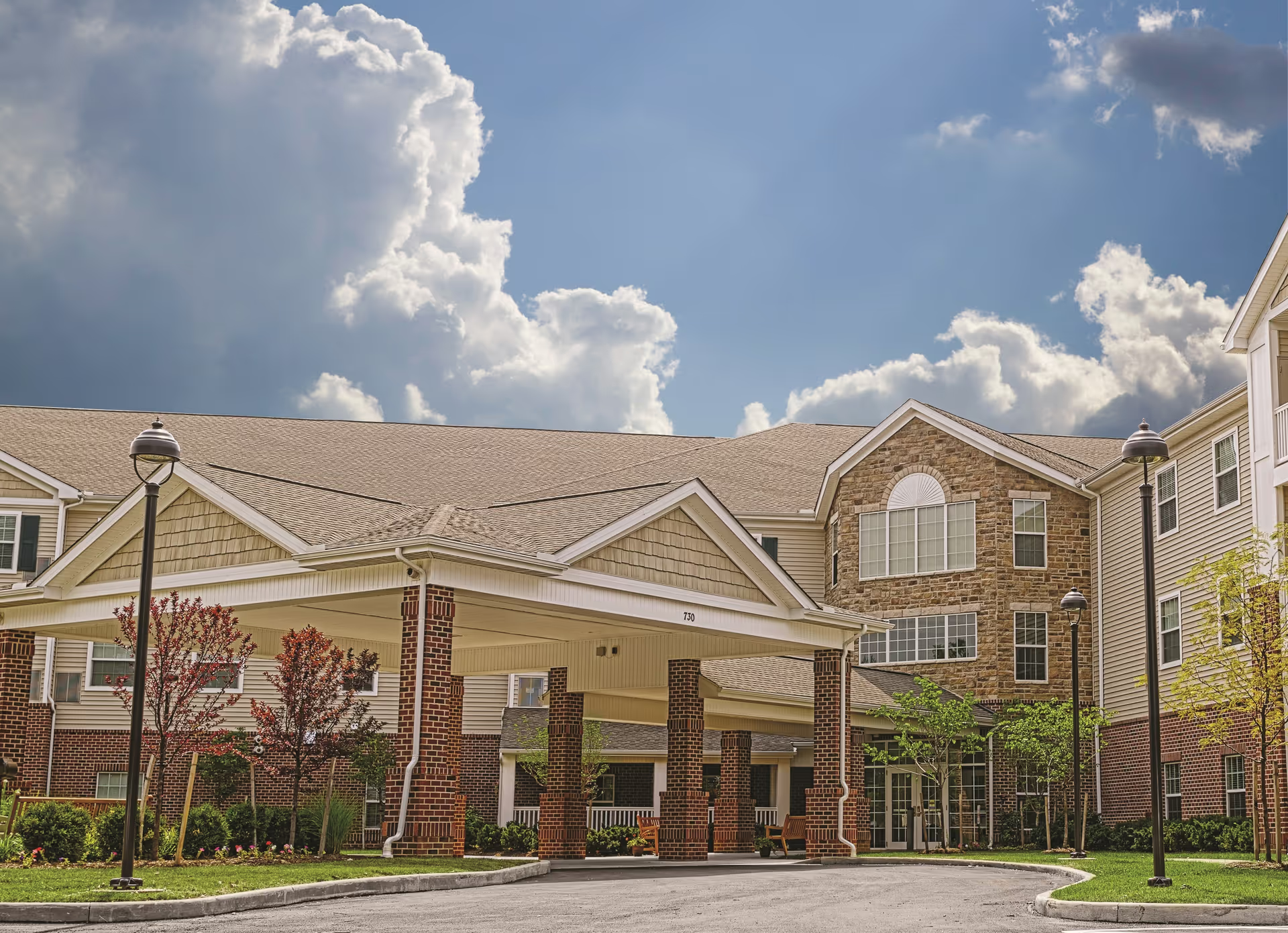
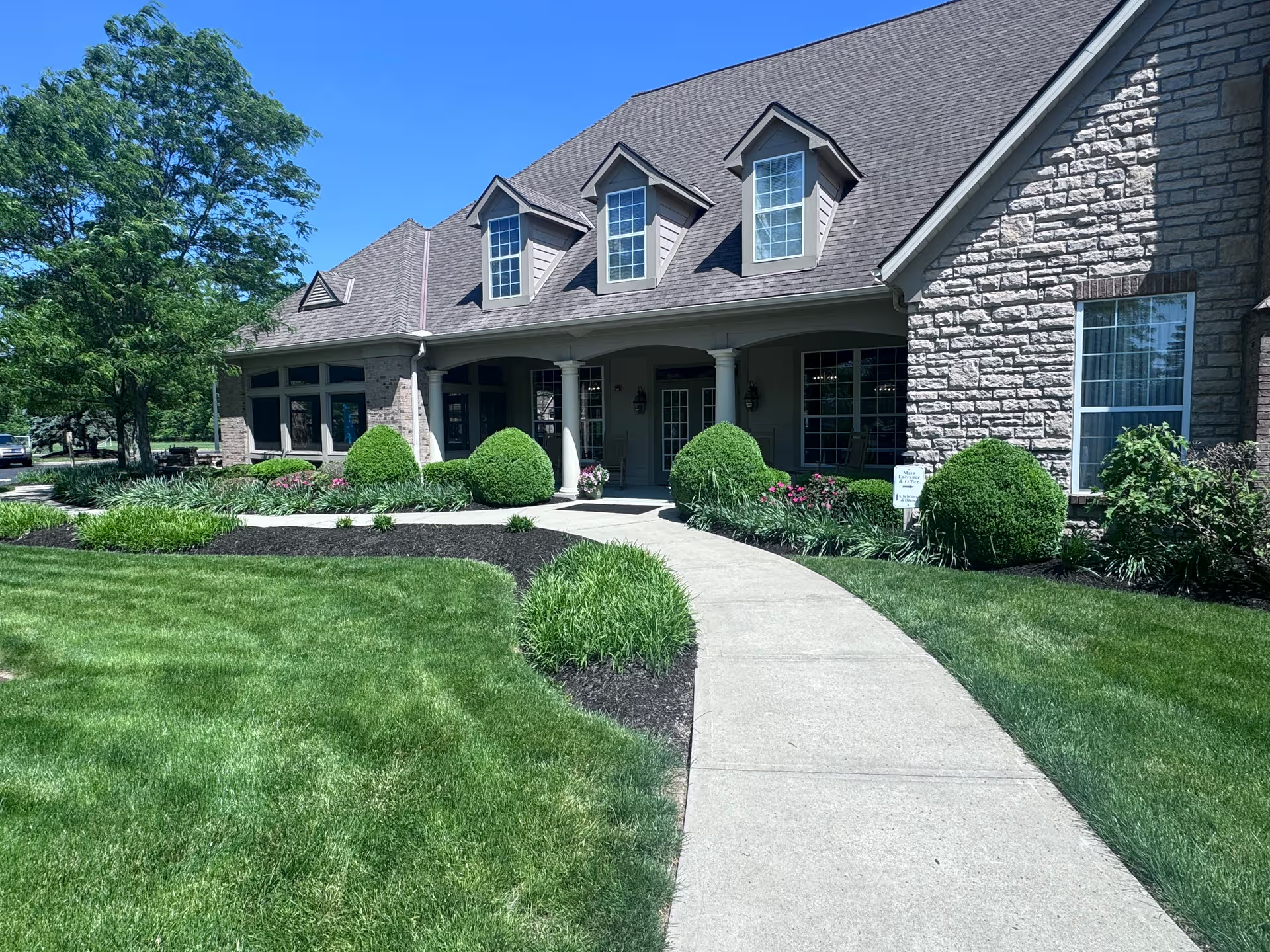
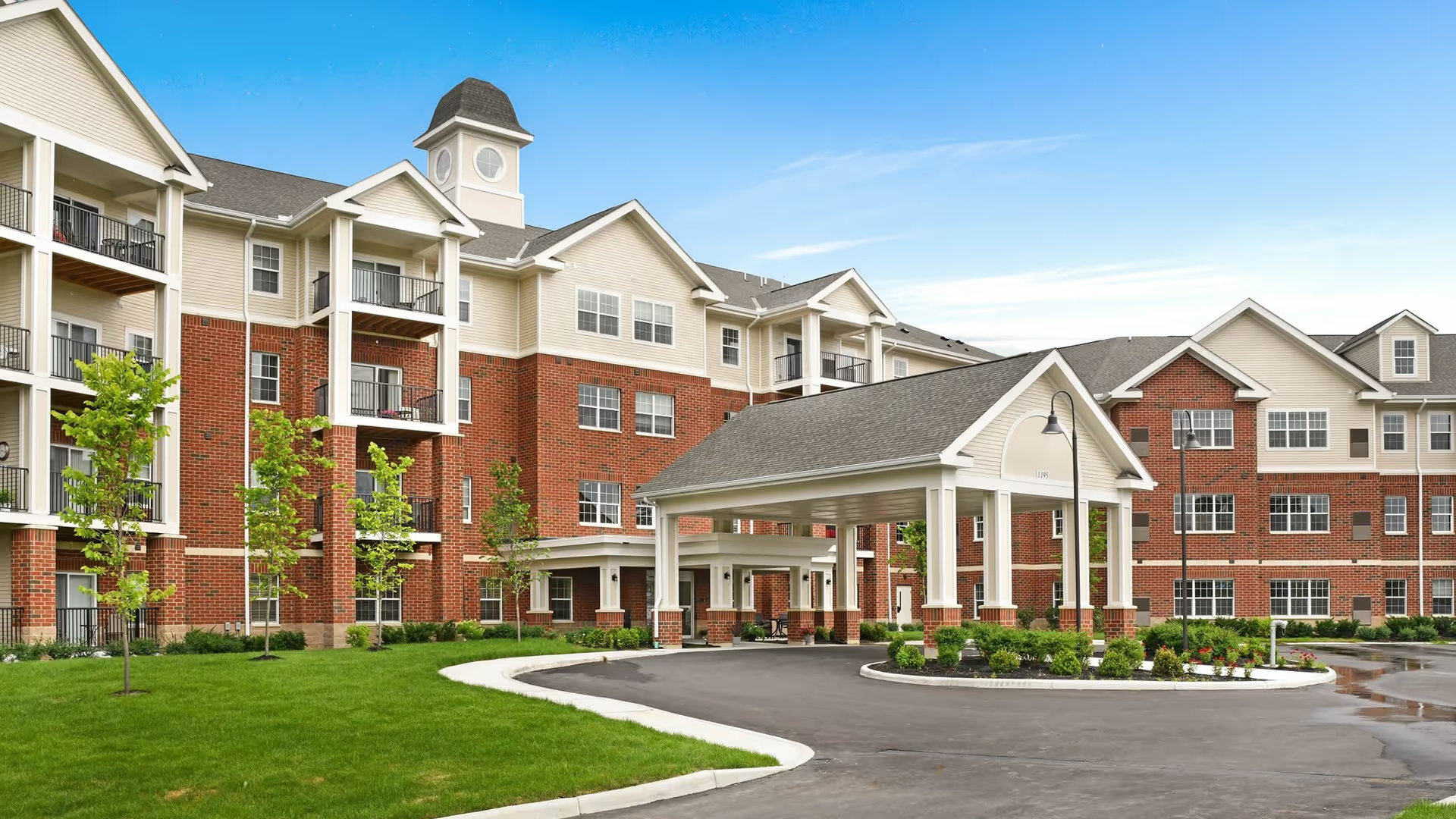
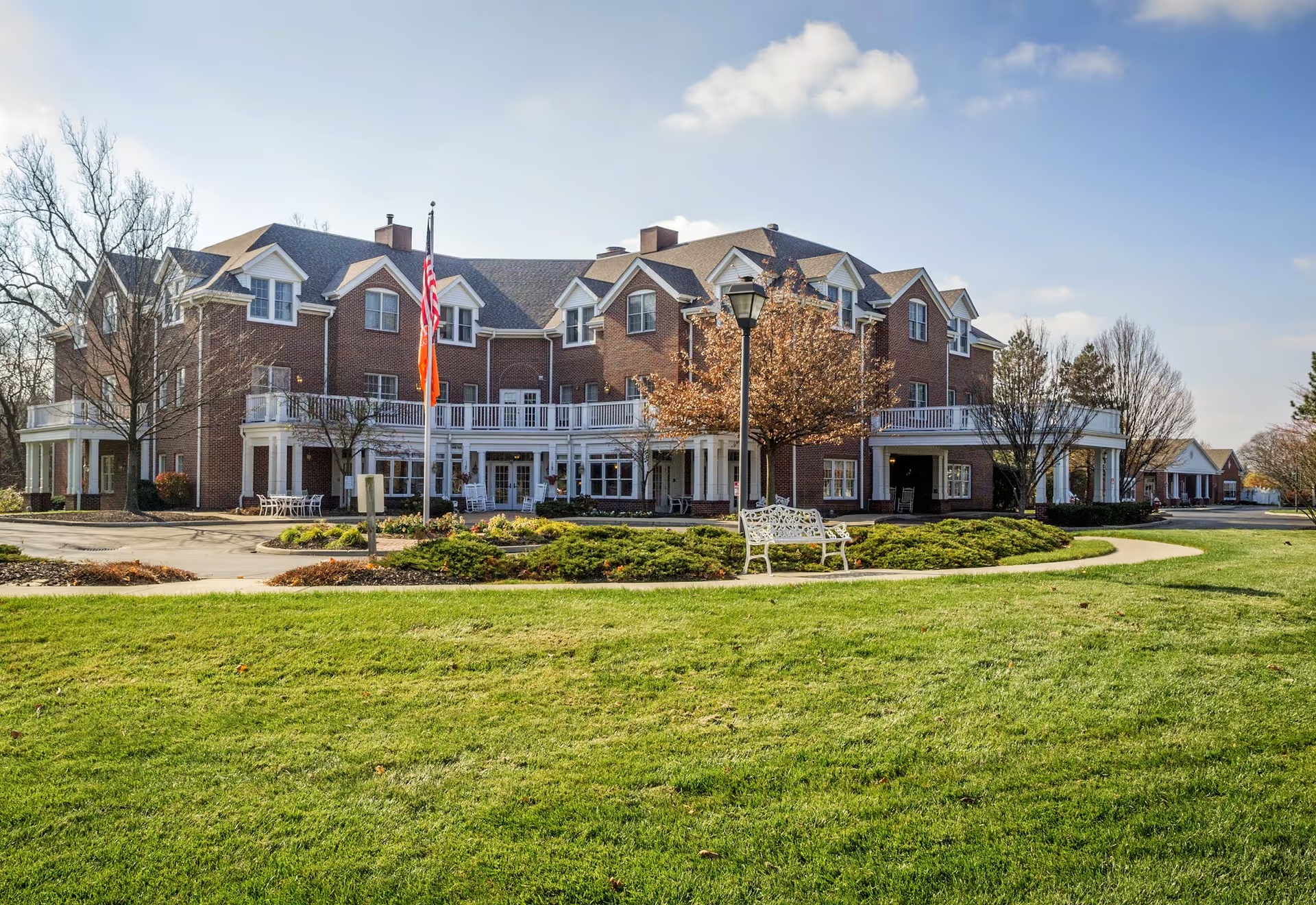
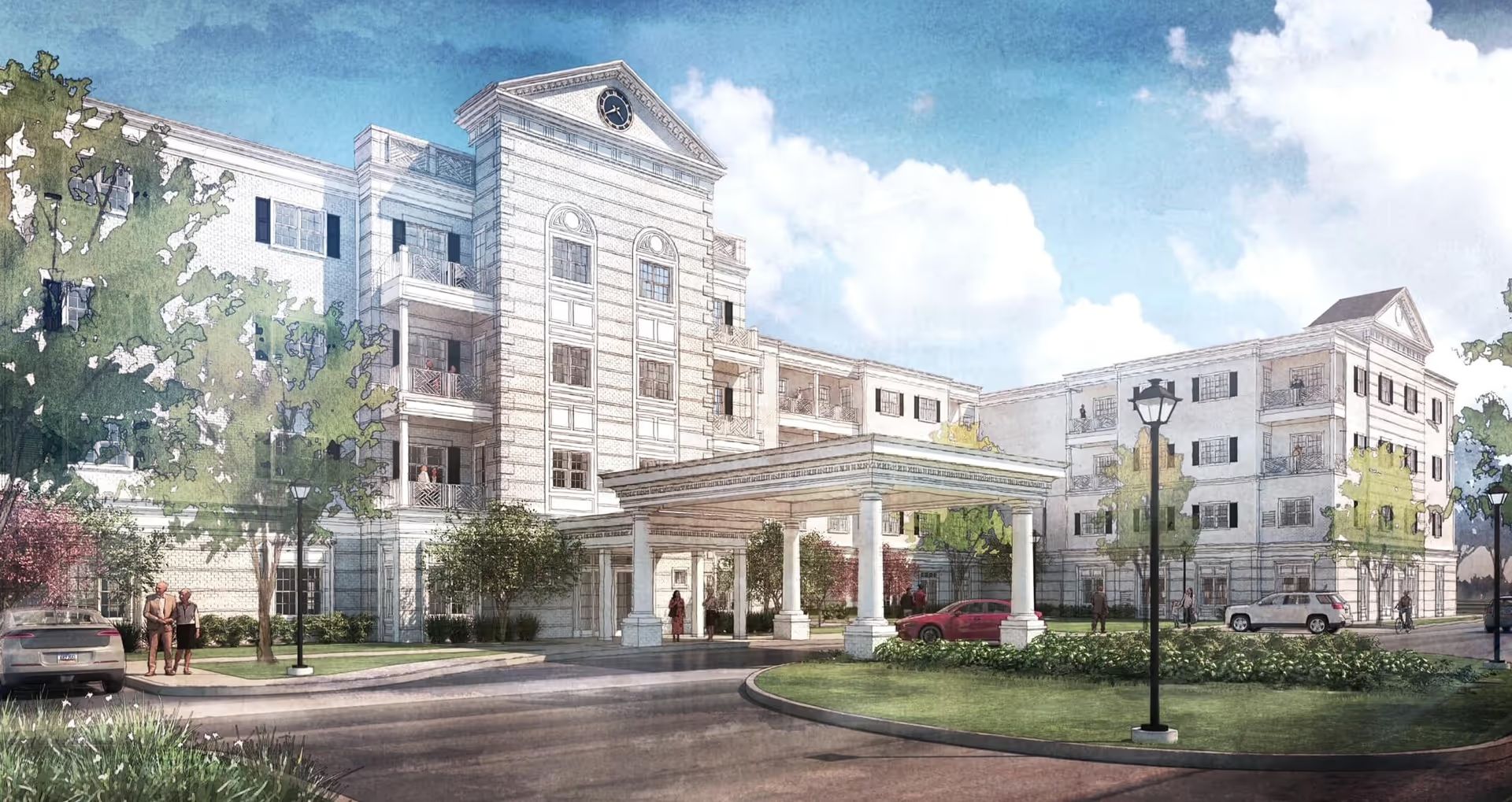
Dining, activities, and environment The facility's dining and activities programs receive generally favorable remarks: reviewers mention varied menus, alternate options, dietary accommodations, and a pleasant dining room. That said, there are isolated comments about inconsistent meal quality and service continuity. Activities are described as engaging and well-attended, with organized outings and social programming that contribute to a family-like atmosphere. Physically, the campus is described as clean, modern, and attractive — with notable features such as a marble-floored lobby, courtyard, large rooms, and a welcoming common area — which many families cite as contributing to overall resident well-being.
Management and recommendations for visitors Leadership and front-line management are often praised for responsiveness and supportive discharge planning, though a subset of reviewers says they had to advocate to obtain timely attention or resolve issues. Given the mix of strong clinical praise and operational variability, it is advisable for prospective residents and families to tour the specific unit of interest, ask unit-level staffing and response-time questions, review medication-administration protocols, and inquire about personal-care schedules and incontinence management. Observing mealtimes and speaking directly with the therapy team and current families can help assess consistency in day-to-day operations. Overall, the Landings of Westerville demonstrates clear strengths in clinical rehabilitation, staff compassion, and facility quality, while exhibiting operational areas — notably staffing consistency and responsiveness — that deserve careful, unit-specific inquiry prior to placement.