Overall impression: Reviews portray a facility with a clear rehabilitation focus and several strong operational elements, alongside recurring operational weaknesses that affect clinical reliability and family confidence. Rehabilitation services (physical, occupational and speech therapy) receive frequent praise for effectiveness and engagement, and many accounts describe attentive aides and therapy staff who assisted patients to regain mobility. At the same time, clinical care experiences are uneven: some families describe excellent, attentive care, while others report significant lapses in nursing responsiveness and clinical follow-up.
Care quality and clinical oversight: Therapy teams are a consistent strength and are often cited as the primary reason for positive outcomes. However, reviewers describe variability in nursing and physician practices — including delayed medication and wound care, inconsistent monitoring of patients after falls, and delayed escalation to higher-acuity settings. These descriptions suggest gaps in incident escalation procedures, handoff communication, and overnight/weekend staffing coverage that can compromise continuity of clinical oversight.
Staff and communication: Many frontline staff, aides and activity personnel are characterized as kind and supportive, and some family contacts and liaisons are described as helpful. Conversely, several reviews cite unreturned calls, slow responses from nursing leadership or the director of nursing, and inadequate family notification about incidents or transfers. Administrative follow-up is also inconsistent: examples include billing problems and delays in returning family inquiries, which contribute to frustration even when direct-care staff are perceived positively.
Dining, activities and rehabilitation programming: Dining is generally viewed positively — fresh, varied meals with the ability to order alternatives are noted as strengths — although occasional meal-quality and delivery-hygiene concerns are described. Activity programming that supports rehabilitation (music therapy, occupational-therapy–led exercises, bingo and group games) is in place and appreciated, but participation can be limited by infection-control measures or staffing constraints.
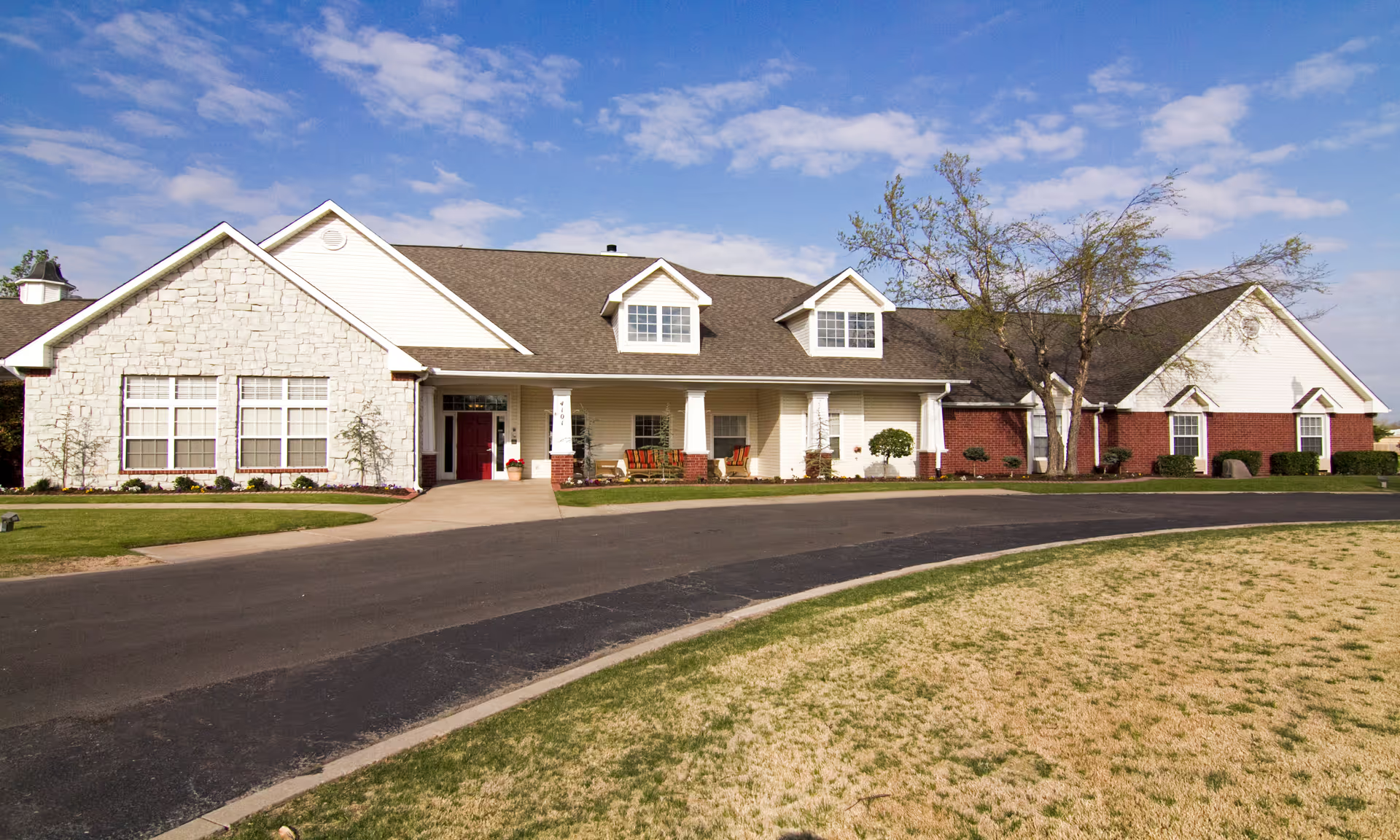
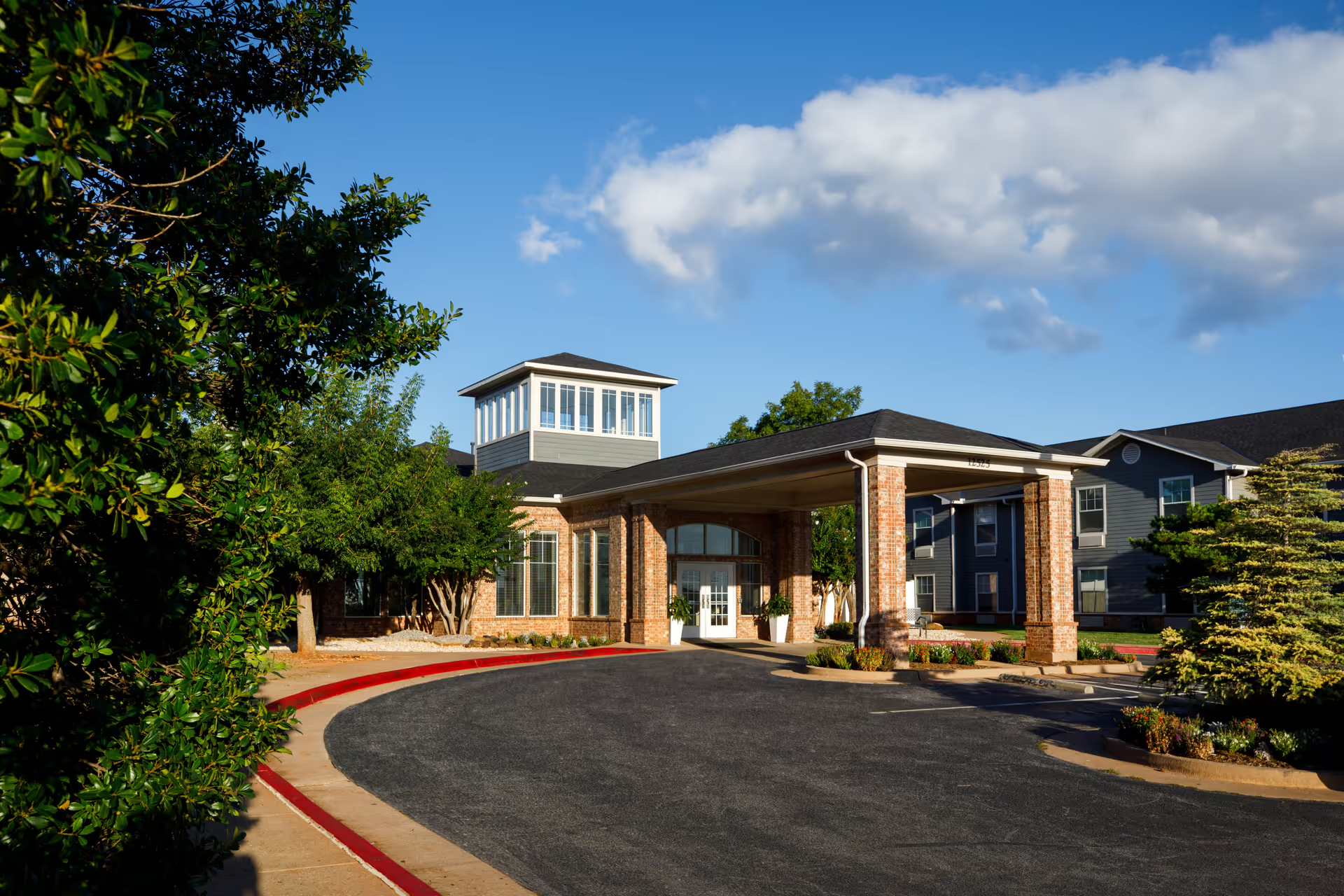
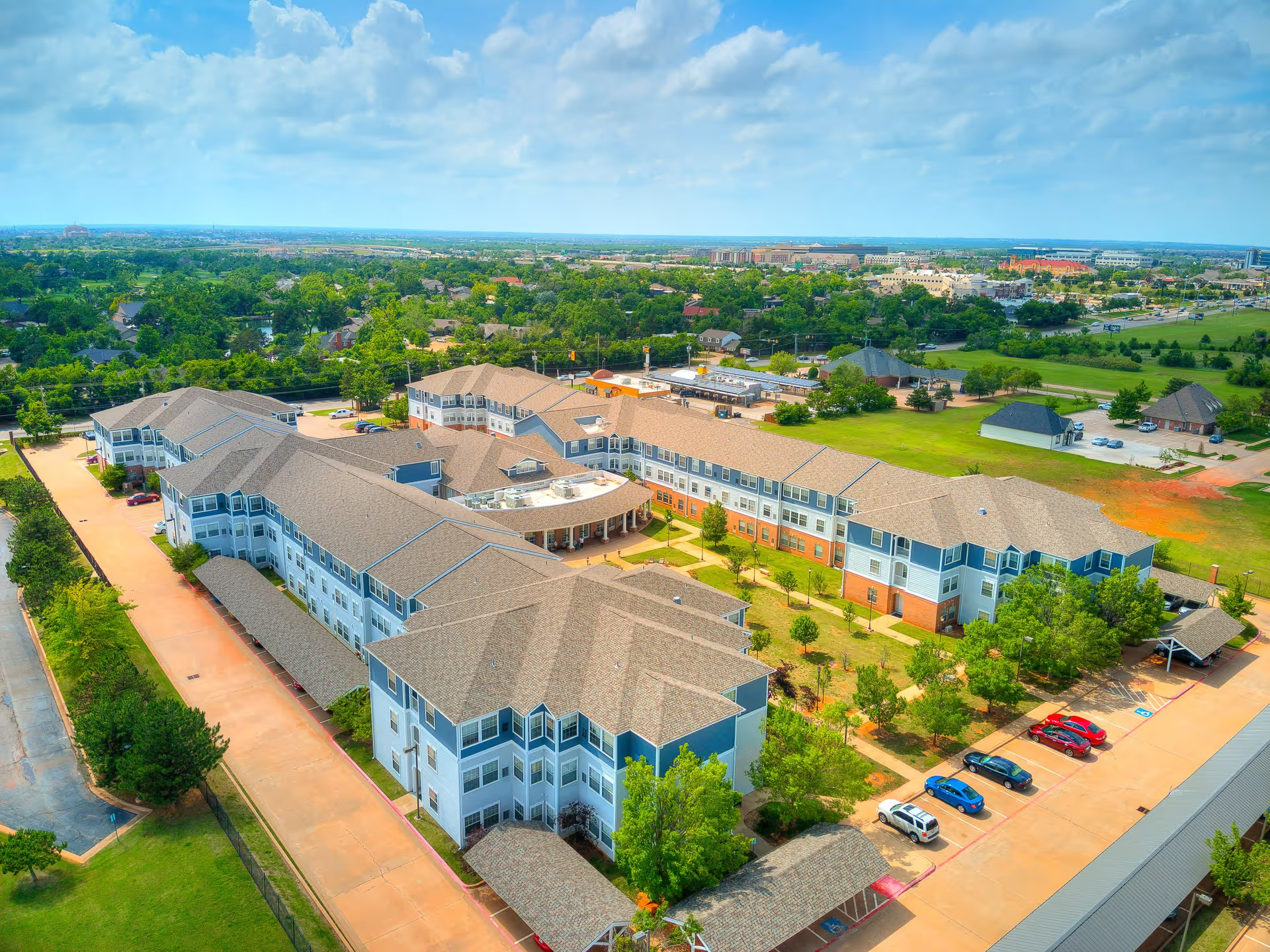
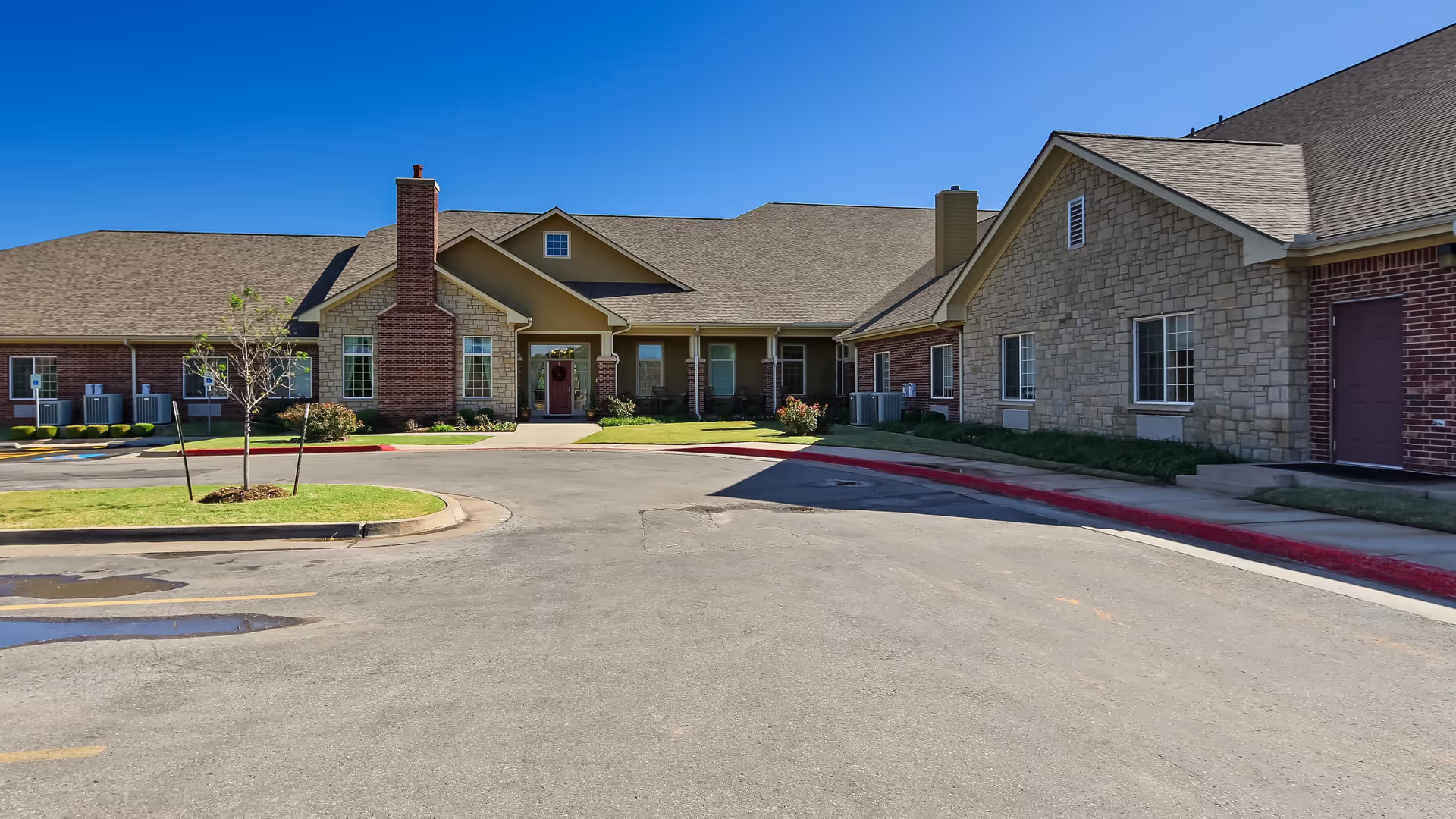
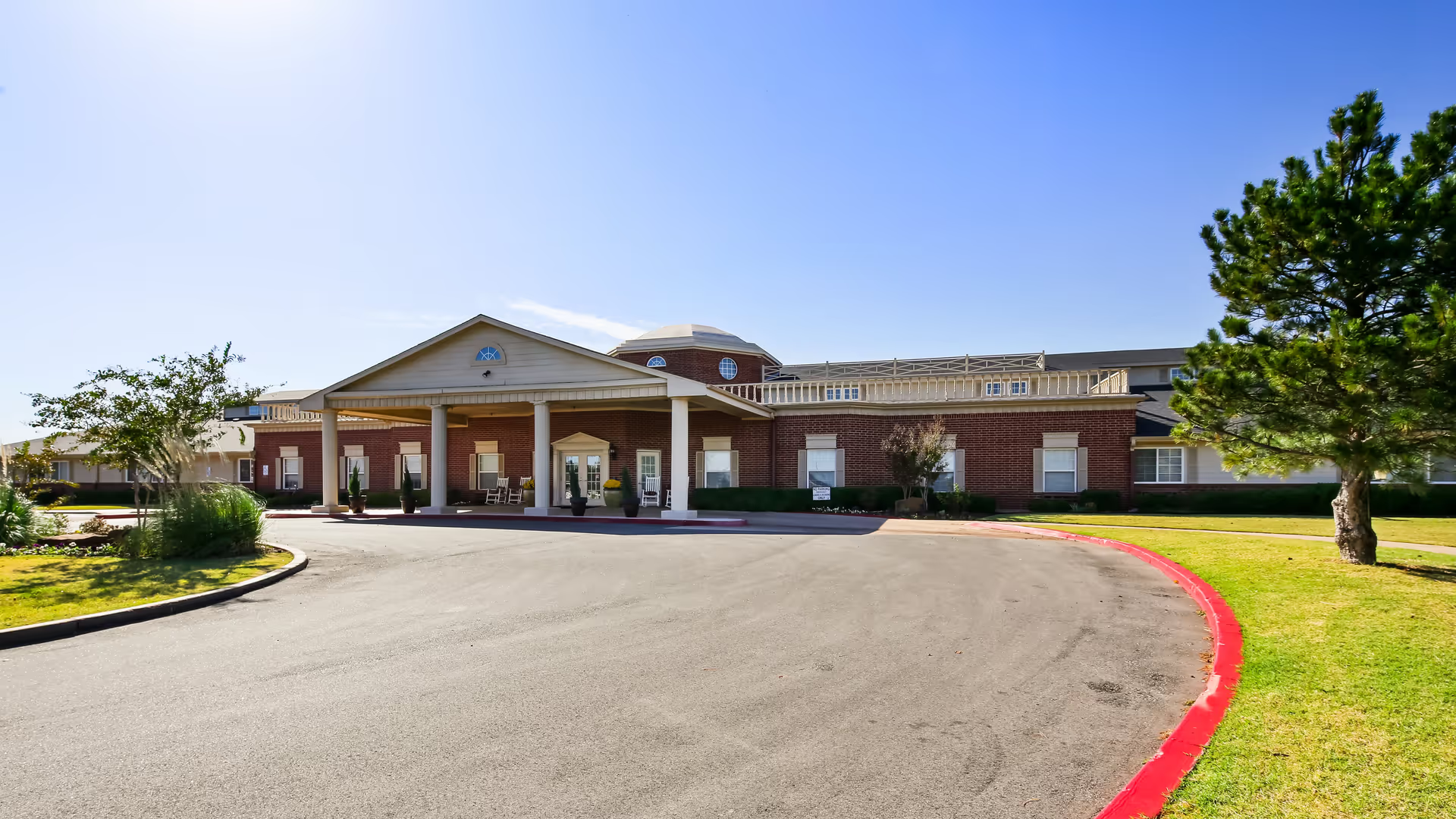
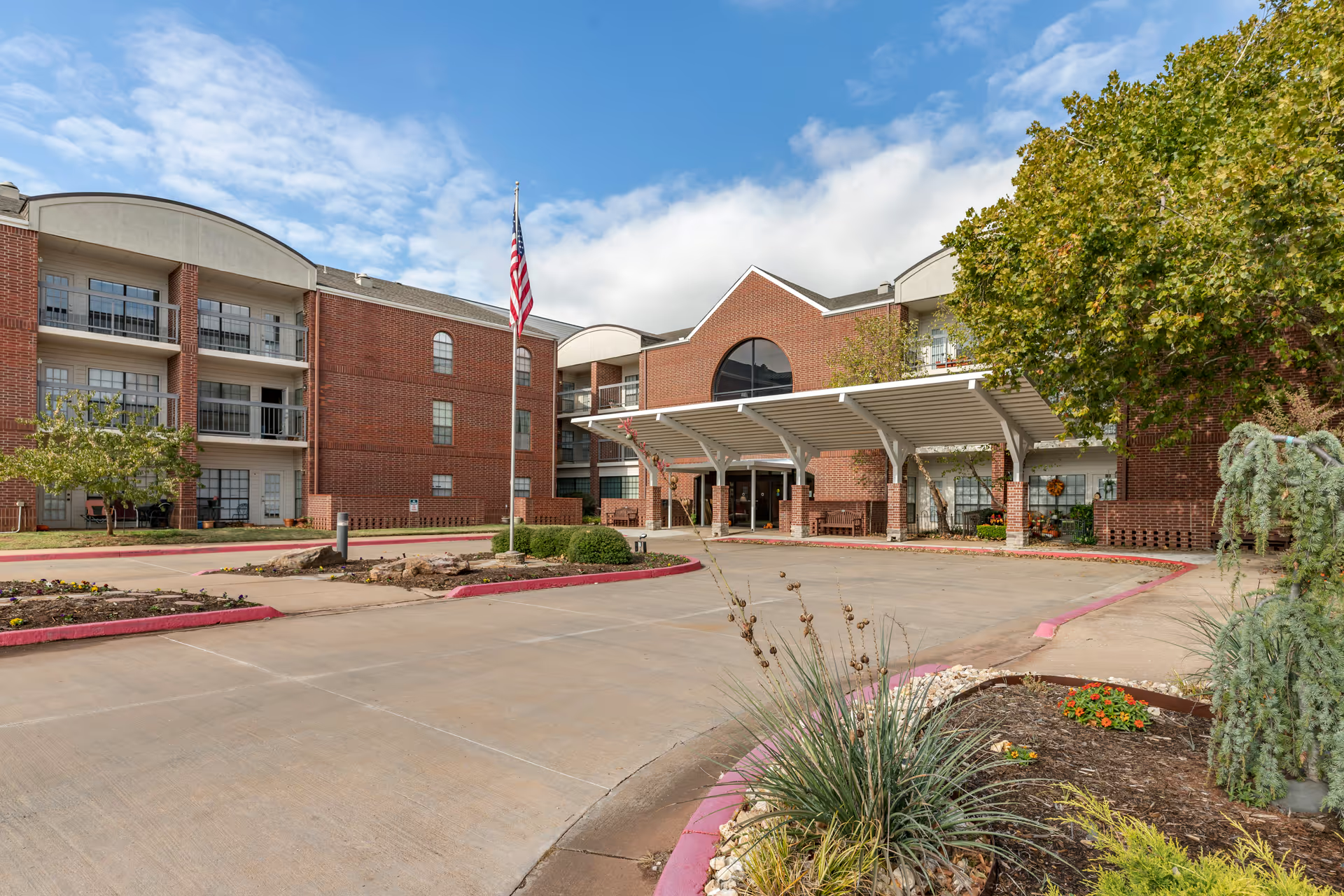
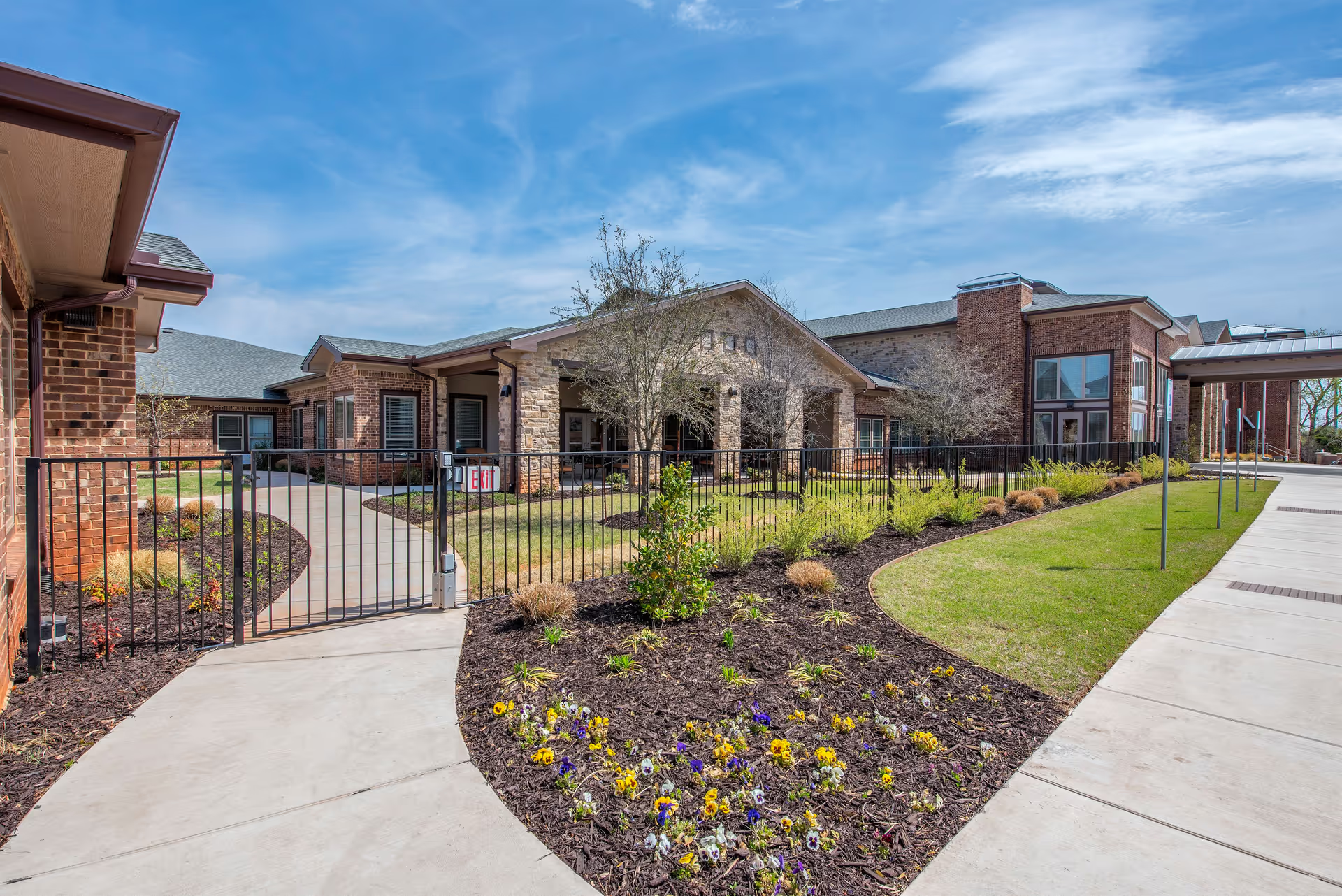
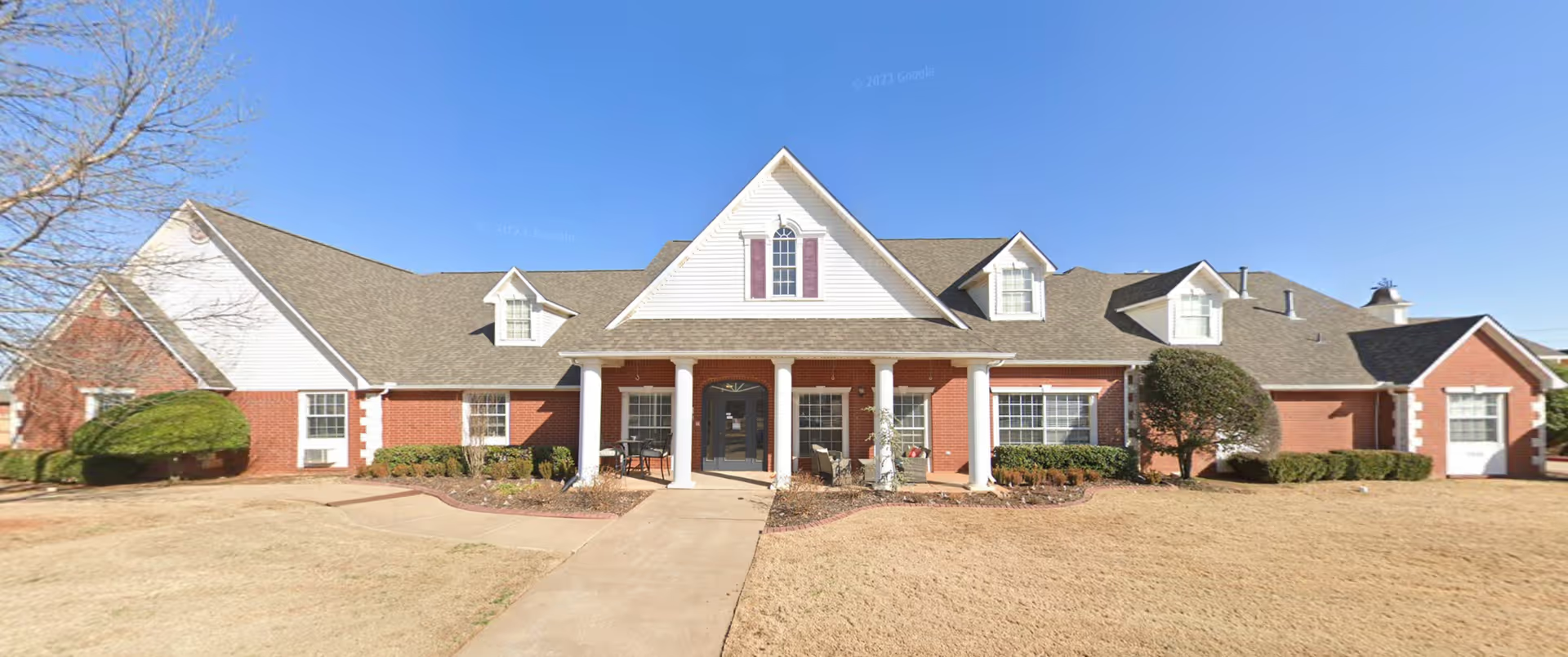
Facilities and amenities: The physical environment is described as clean with large, quiet rooms and welcoming common areas; on-site refreshments and a pleasant entryway are also mentioned. At the facility level, however, there are recurring maintenance and environment issues (minor unfinished repairs, dated interior areas, inefficient heating in some rooms) and parking constraints. Some families mention unexpected costs for ancillary services such as salon work.
Management and notable patterns: The pattern across reviews is one of high variability: strong therapy and compassionate direct-care staff coexist with uneven nursing responsiveness, inconsistent clinical escalation, and administrative shortcomings. Infection-control events and COVID-related isolation have affected some residents' experiences, and a few serious individual incidents highlighted deficiencies in communication and care transitions. Prospective residents and families should weigh the facility's strong rehabilitation capabilities against the potential for inconsistent clinical oversight and should ask specific questions about overnight/weekend staffing, fall- and transfer-escalation protocols, communication policies for incidents, and billing practices prior to admission.