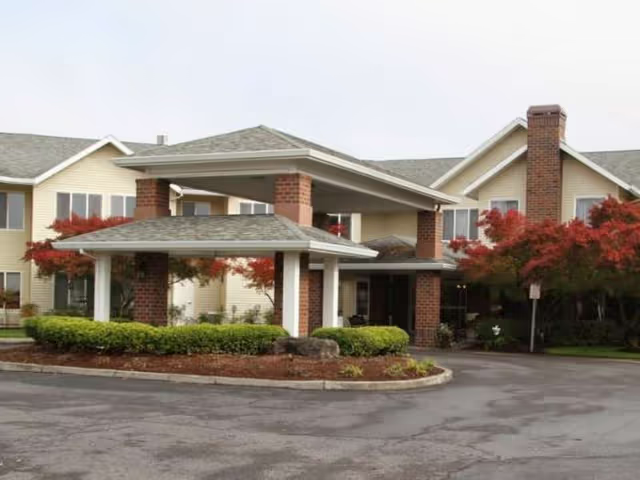
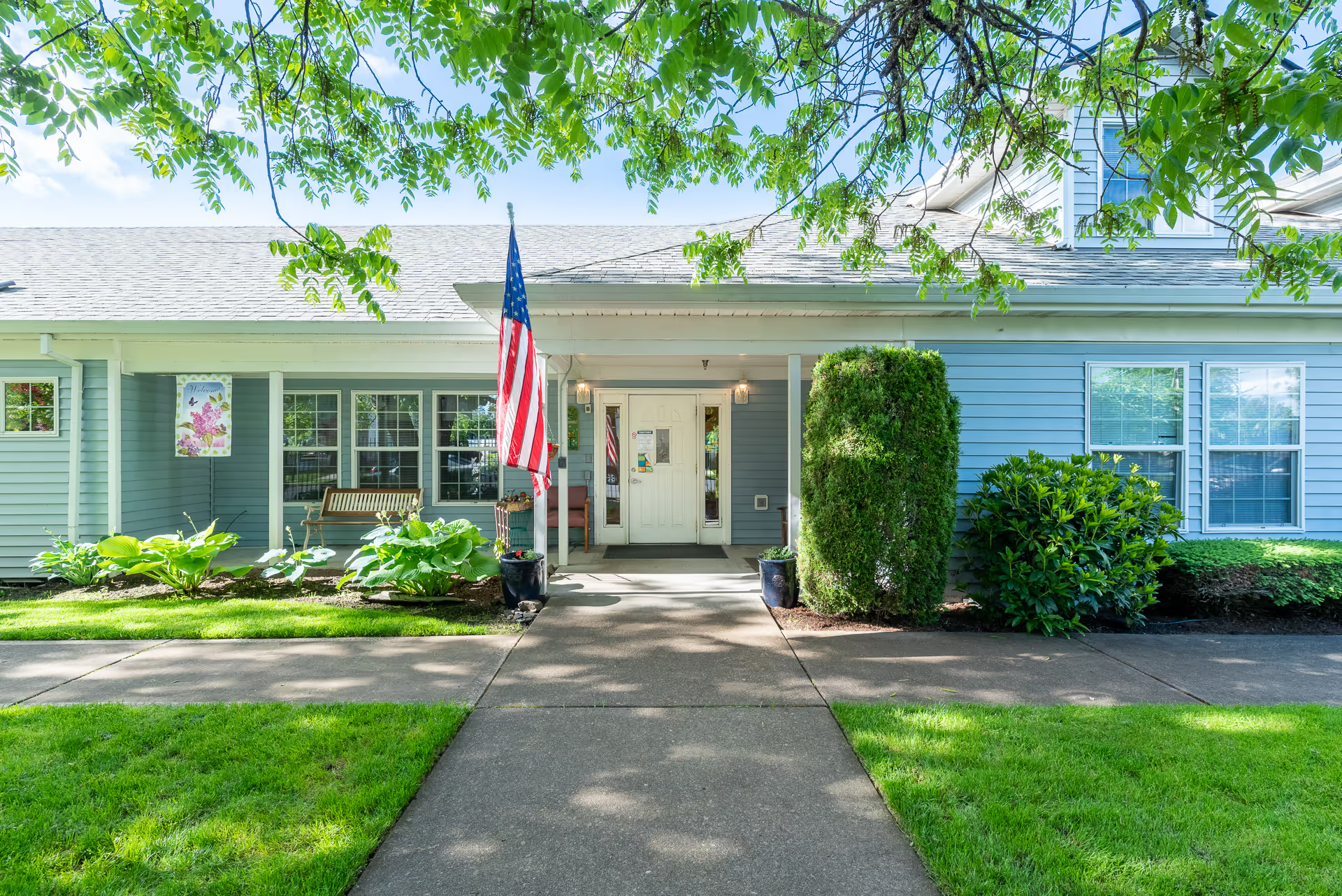
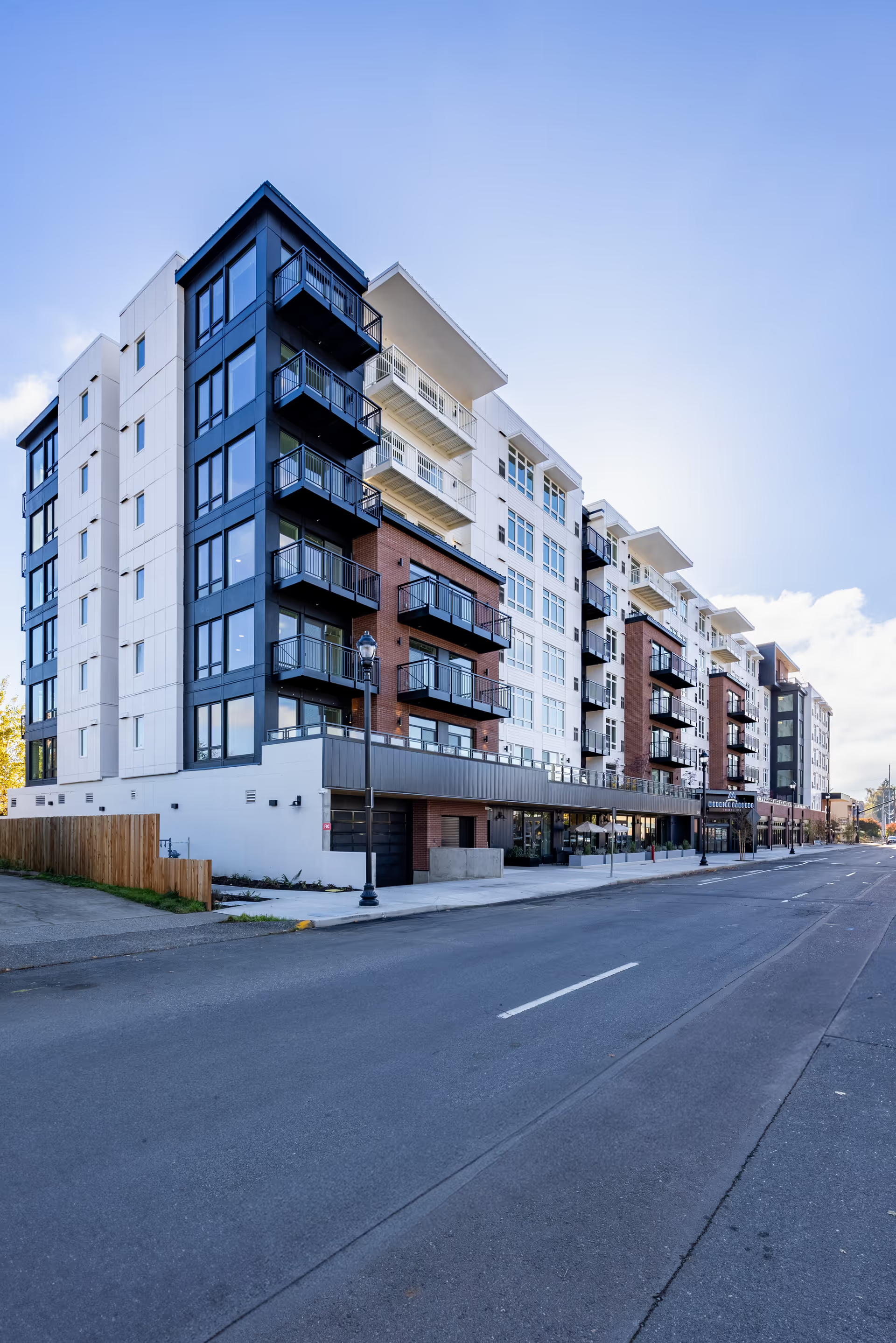
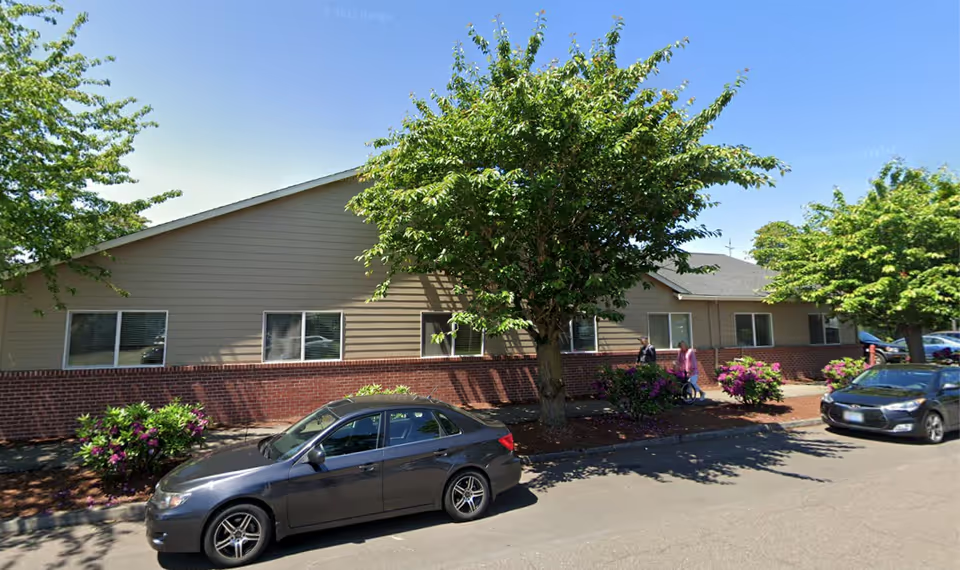
Forest Grove Post Acute elicits a consistent split between clinical and rehabilitation strengths on one hand and operational inconsistencies on the other. Many families and patients praised the caregiving teams — RNs, CNAs, and therapy staff — for compassionate bedside care, strong rehabilitation results, and focused PT/OT that helped people regain mobility and return home. Social services, admissions staff, and some house providers were singled out for responsiveness, thoroughness, and effective appointment and equipment coordination. Housekeeping and interior maintenance are frequently described as high quality, and several accounts highlight large rooms and comfortable resident spaces.
Clinical care and therapy are the facility’s clearest strengths. Reviewers repeatedly note skillful physical and occupational therapy, attentive wound and pain management, and staff who advocate for resident needs. These clinical strengths appear to be supported by interdisciplinary teamwork and by staff who are willing to individualize treatment plans and meal requests. Multiple narratives describe successful rehab trajectories, clear medication instructions at discharge, and therapy-driven functional gains.
Operational weaknesses emerge most often around staffing, responsiveness, and coordination. Staffing levels and peak-time coverage were characterized as inconsistent, with delayed call-light and phone response cited as an ongoing concern. Several accounts described uneven administrative follow-through — for example, unanswered phone calls, delayed complaint resolution, and variable responsiveness from management — which can undermine family confidence. Reviewers also described gaps in staff training for safe transfers and other hands-on skills, and occasional concerns about staff conduct or communication tone. Language barriers and inconsistent communication were also noted as limiting family engagement in care planning.
Dining, activities, and the physical campus show mixed feedback. Many families appreciated flexible meal accommodations and found the food acceptable to very good; others raised concerns about menu planning, repetitive entrees, and variable preparation quality. Activity programming received praise from some reviewers but was characterized as limited or uneven by others. While interior housekeeping and maintenance are often praised, a subset of reviewers described sanitation and odor concerns in outdoor or service areas and intermittent cleanliness issues around staff workstations and common areas.
Management-related patterns are mixed: some families found leadership approachable, communicative, and effective at coordinating equipment and discharge, while others experienced policy-driven barriers to timely access to adaptive equipment or reported that administrative responses were slow or unhelpful. A regulatory inquiry by the Oregon Ombudsman was mentioned in reviews, which underlines the importance of confirming current oversight and follow-up when evaluating the facility.
For prospective residents and families: the facility demonstrates notable clinical and rehabilitation capabilities and a staff culture that many find caring and effective. At the same time, ask specific operational questions during tours — current staffing ratios and peak-coverage plans, call-response times, staff training in safe transfers, meal-scheduling and menu-rotation practices, activity schedules, and equipment-access policies. Verify communication preferences and language supports, and consider contacting local oversight resources for the latest regulatory status. These steps will help determine whether the facility’s clinical strengths align with a family’s expectations for responsiveness and operational consistency.