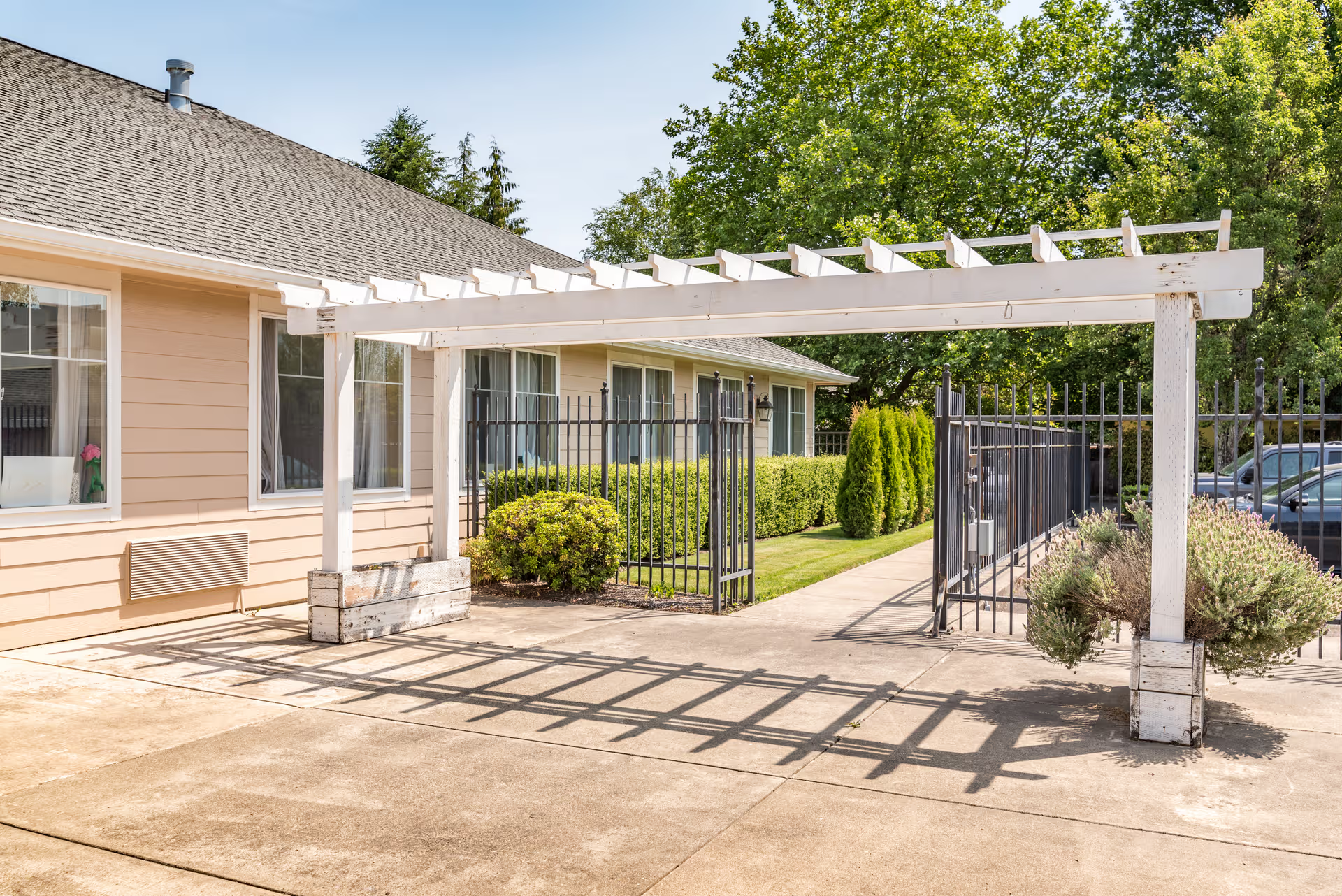
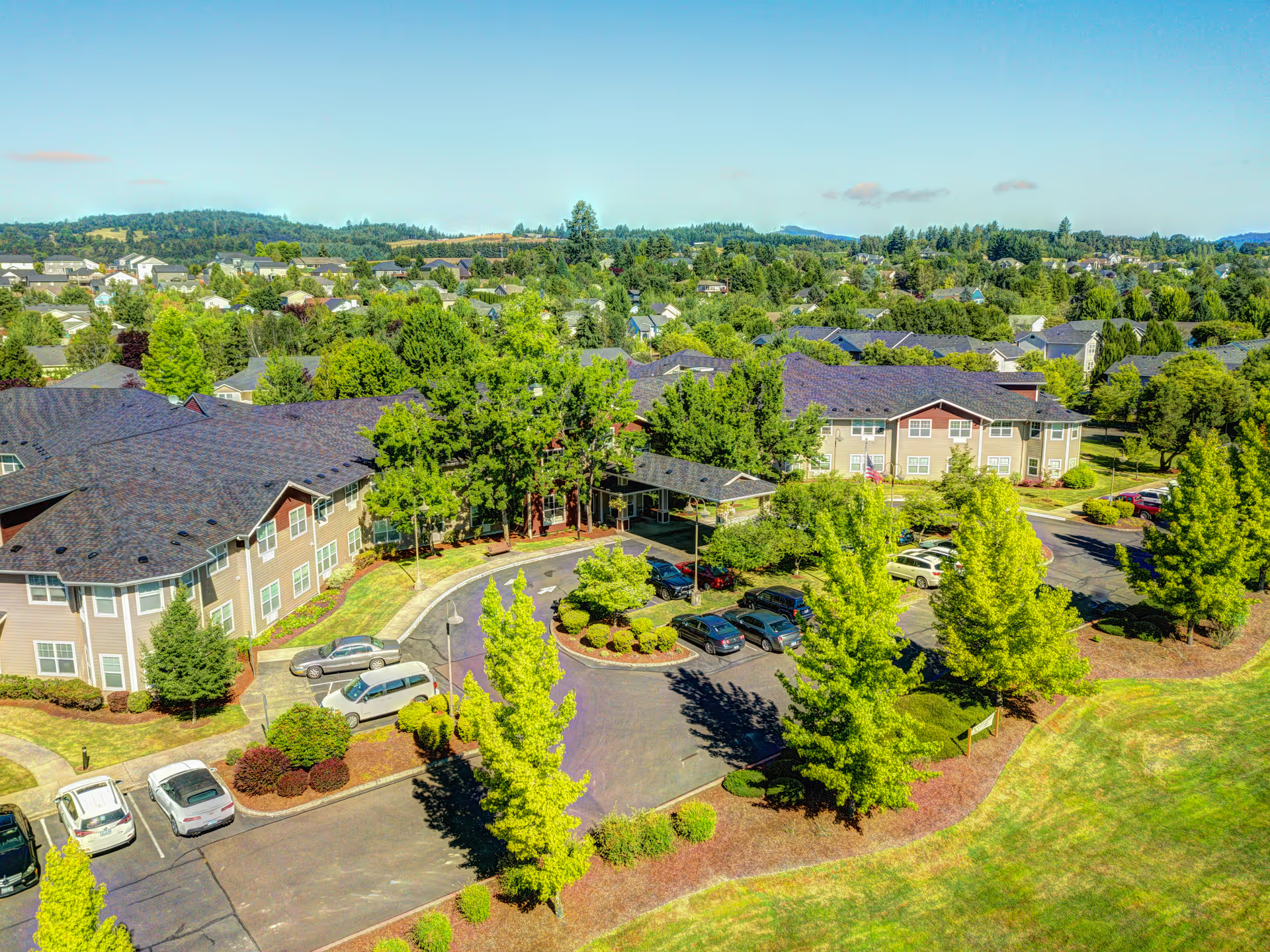
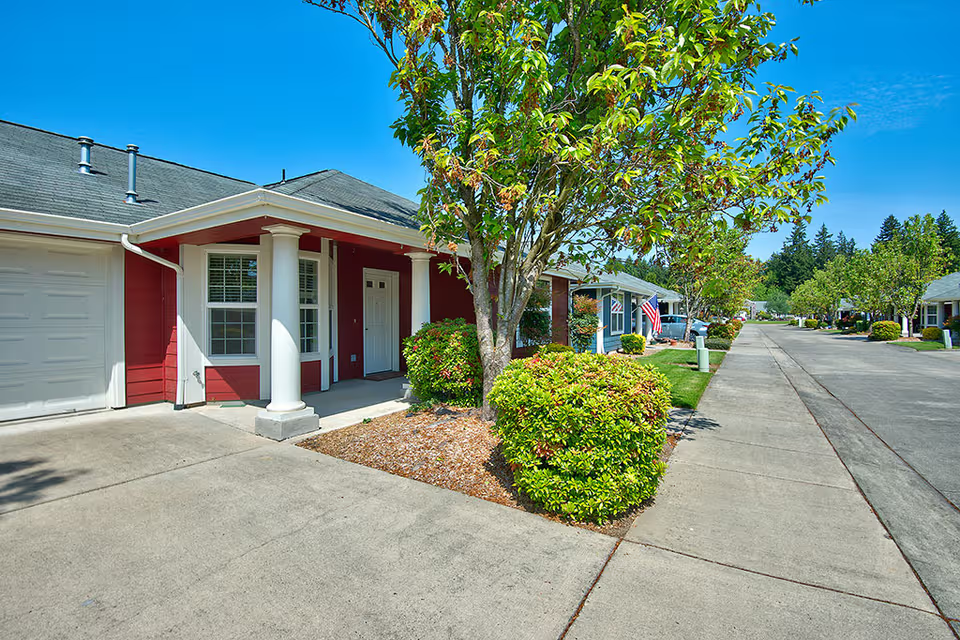
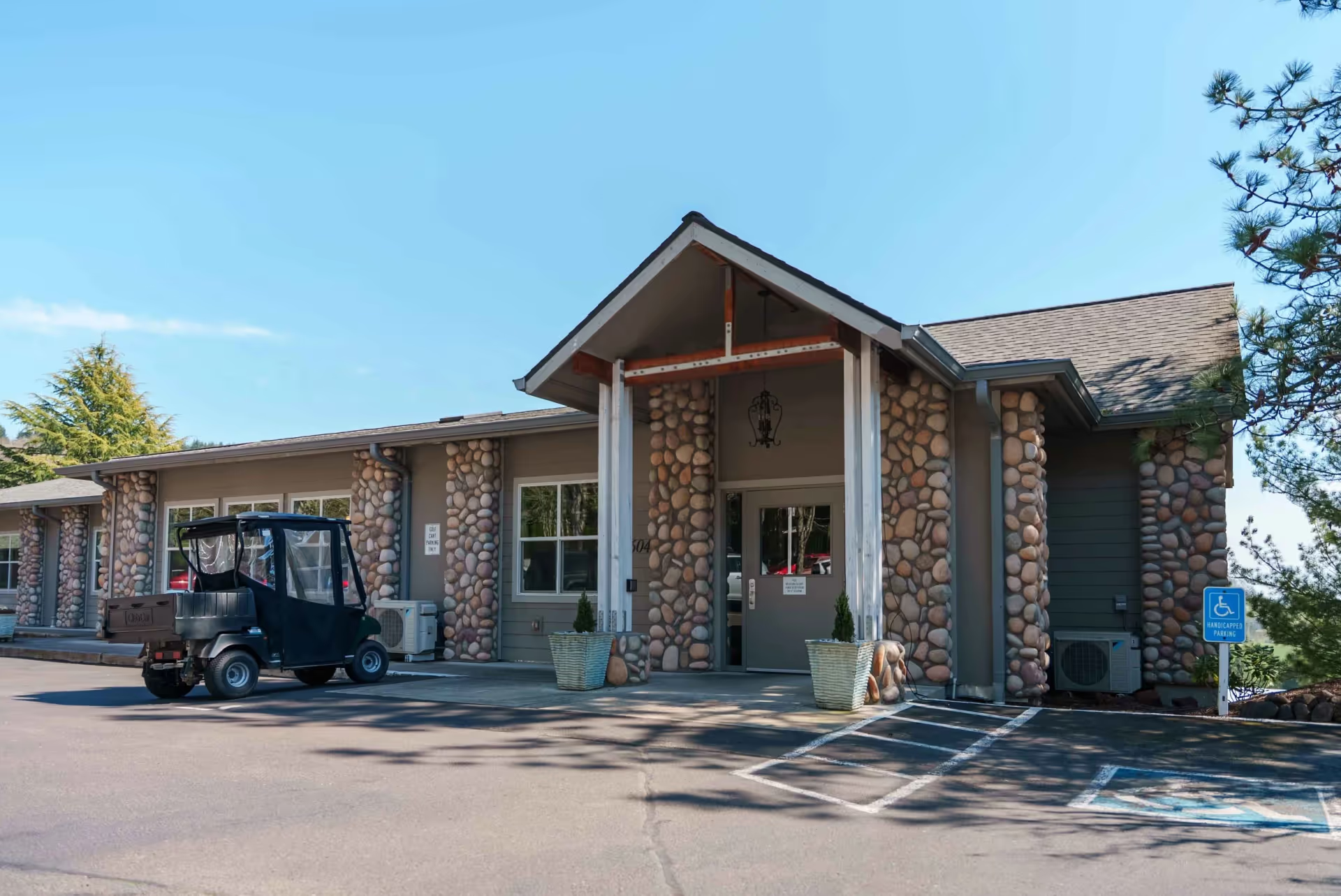
Overall impression: Prestige McMinnville elicits strongly mixed feedback. Many families and residents praise the facility's caregiving staff, rehabilitation program, and supportive atmosphere, while other accounts identify operational weaknesses that families should evaluate before placement. The facility's strengths center on interpersonal care and amenities; the most consistent concerns involve clinical processes, sanitation, staffing consistency, and communication.
Care quality and clinical operations: Reviewers frequently commend individual caregivers, nurses, and therapists for compassionate, resident-centered care and effective rehabilitation outcomes. The rehab team and on-site clinical staff receive repeated positive mention for skill and motivation. However, a recurring operational theme involves medication-administration lapses and delays, wound-care timing issues, and inconsistencies in repositioning/incontinence schedules. There are also several accounts of disputed fall-risk assessments and inconsistent clinical documentation; prospective families should ask for current protocols for medication management, wound care, and fall-prevention when evaluating placement.
Staff, leadership, and communication: Many reviewers highlight responsive administrators and maintenance staff and note improvements under recent leadership changes. At the same time, there are persistent notes about uneven leadership consistency, communication breakdowns with families, and variable staff responsiveness—particularly during certain shifts or periods of high turnover. These patterns translate into both positive experiences (where staff go above and beyond) and negative ones (where families perceive slow responses or dismissive communication). Clarifying leadership structure, staff-to-resident ratios by shift, and escalation pathways is advisable.
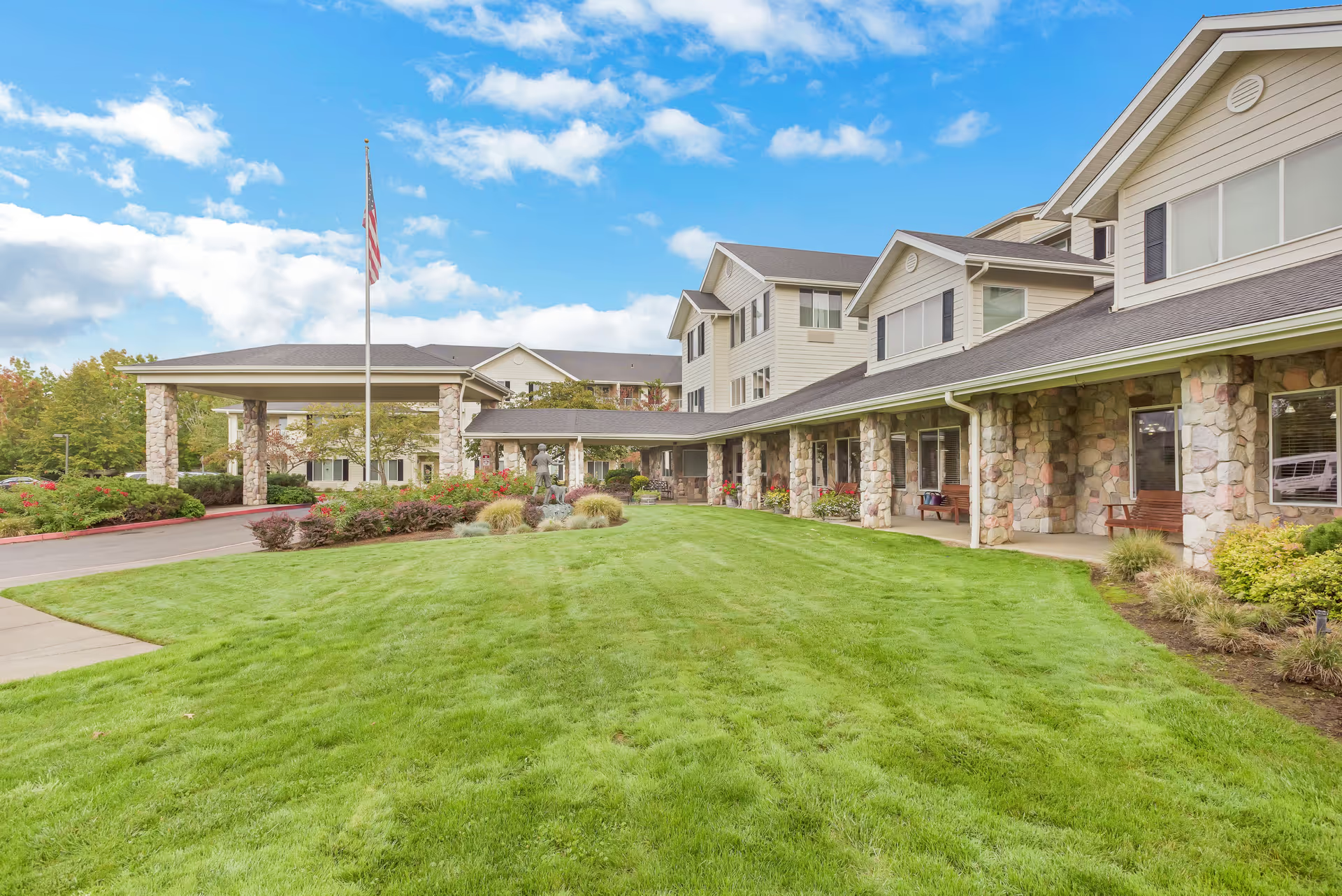
Dining, activities, and amenities: The facility offers organized activities, a strong social community, transportation, exercise rooms, and opportunities to personalize private rooms. Many residents appreciate the welcoming atmosphere and scenic outdoor spaces. Dining receives mixed assessments: some find meals accommodating, while others describe institutional-style food, inconsistent temperature, and higher cost. Activity programming is generally seen as a strength, though a few families felt there could be more variety or accessible common areas for residents who wish to socialize beyond their rooms.
Facilities, cleanliness, and infection control: Several reviewers praise clean, well-maintained common areas and prompt maintenance response. Counterbalancing that, other accounts raise sanitation concerns and note an infection-control or pest-control event and uneven adherence to infection protocols. Given these divergent accounts, visitors should inspect unit-level cleanliness, ask about recent infection-control audits, and review housekeeping schedules and policies.
Notable patterns and recommendations: The pattern across reviews is one of strong interpersonal caregiving interspersed with operational inconsistencies. For prospective residents and families: tour at different times of day (including evenings and nights), request written medication-management and infection-control policies, ask for current staffing ratios and turnover statistics, observe dining service during a meal, and review recent quality or licensing survey results. Asking for references from recent families and confirming how clinical concerns are escalated and communicated will help form a balanced assessment tailored to individual care needs.