Experiences at Willowbrook Terrace are sharply mixed. Residents and families describe compassionate caregivers, helpful nurses, and effective therapy, with some former residents saying staff helped them regain strength and felt like an extended family. Other accounts raise concerns about delayed responses to symptoms, inconsistent clinical follow-up, and continuity of rehabilitation. A few families described concerns involving infections or skin issues and delays in clinical escalation. One family raised end-of-life care concerns, including communication about a hospital transfer, and said the resident later died following sepsis. These accounts reflect serious individual experiences and should be weighed alongside the positive reports; they are not independently verified here.
Staff interactions also vary in the reviews. Some families praise staff for being attentive, professional, and informative, and one visitor appreciated seeing the administrator engage directly with residents and staff. Other families describe communication as inconsistent, including concerns about staff responsiveness, tone, training, and turnover. Reports also differ on family communication and coordination with social services, including discharge planning, insurance questions, and notification of decision-makers.
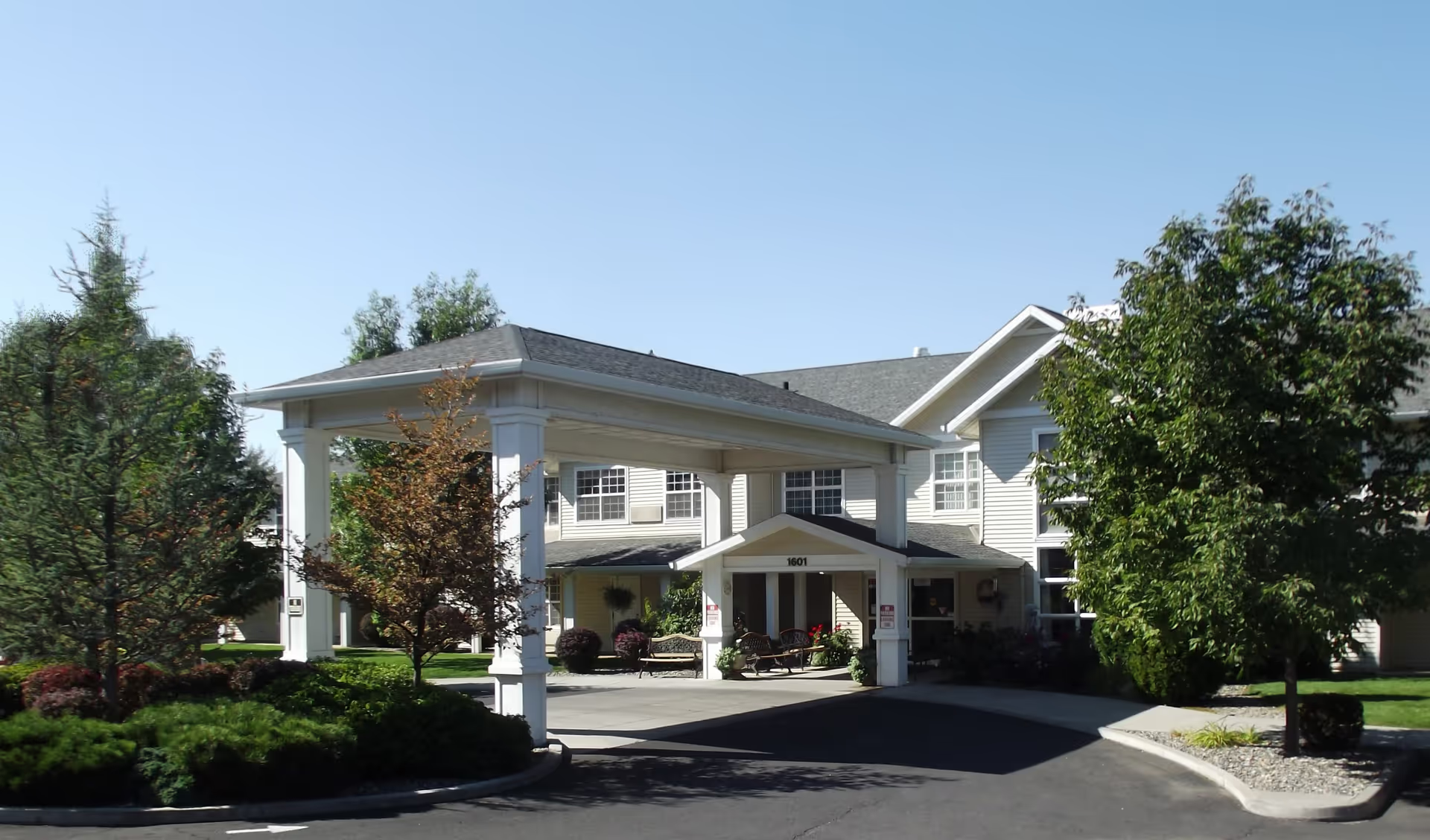
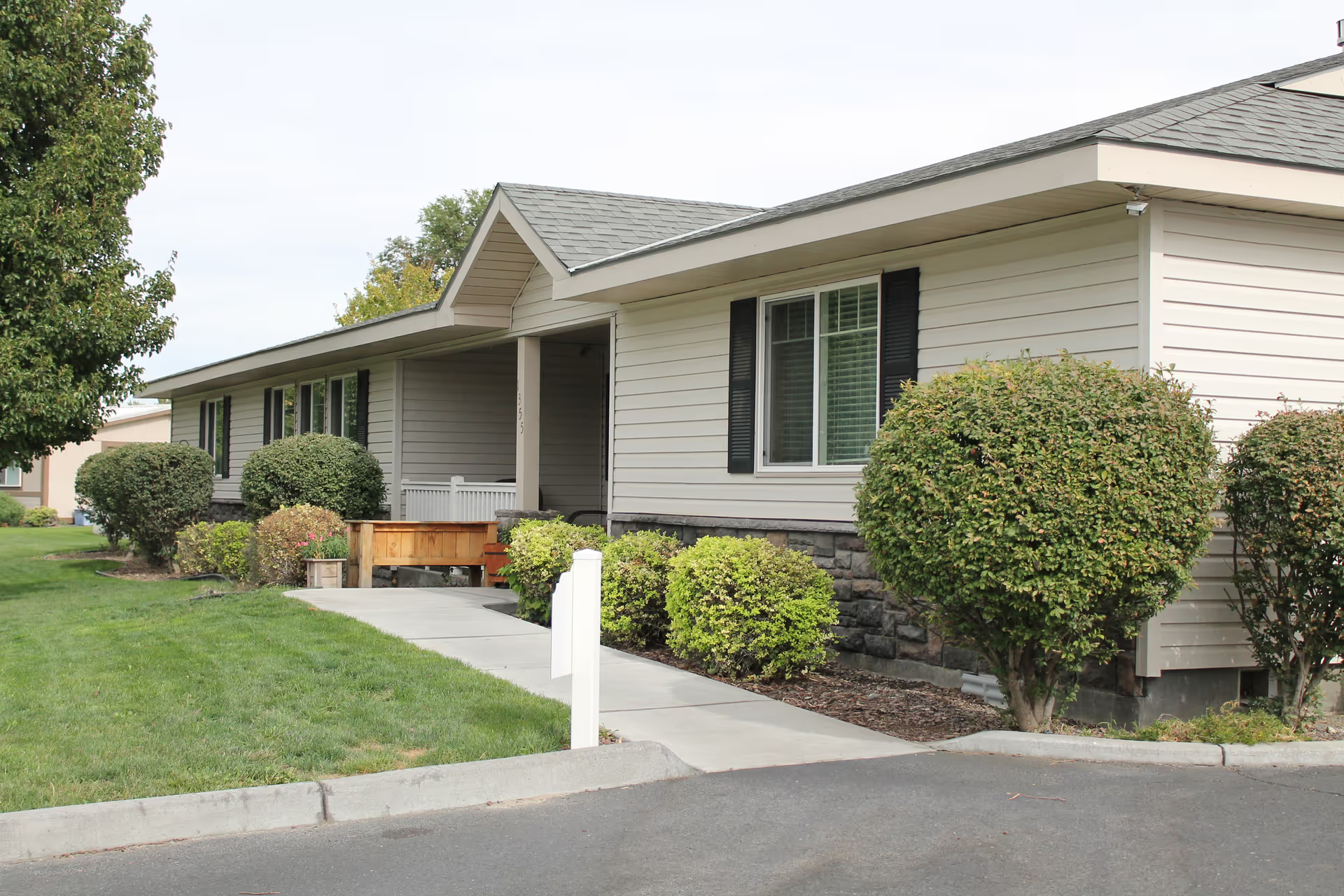
Dining feedback is divided: some residents and families appreciated the meals, including dishes prepared from scratch, while others described food as unappealing or portions as inadequate. Activities received positive comments, with one resident highlighting regular programming. The building was described as older but renovated, and another reviewer found it clean and well maintained; other accounts raised concerns about room upkeep and personal-care routines.
Overall, the strongest recurring positives are kind individual caregivers, therapy, and supportive experiences with some administrators and staff. The main areas families may wish to explore before choosing the facility are clinical oversight and response procedures, rehabilitation planning, call-light response, medication and consent processes, family-notification practices, staffing consistency, and how meal preferences and personal-care needs are handled. Given the substantial difference between positive and negative accounts, prospective residents and families may benefit from asking about current staffing, physician coverage, escalation protocols, and discharge planning.