Overall impression: Reviews describe a facility with notable strengths in hands-on clinical care and resident-centered supports, particularly for people living with dementia, alongside persistent operational and infrastructure challenges. Families frequently highlight compassionate, attentive caregivers and therapeutic services that contributed to measurable clinical improvement for some residents. At the same time, accounts raise concerns about building condition, consistency of facility services, and certain safety and dignity-related practices.
Care quality and staff: Multiple comments emphasize empathetic, engaged caregiving — nurses, CNAs, and named staff members were described as kind, attentive, and respectful. The dementia unit is repeatedly identified as a strength, with staff able to provide individualized attention and preserve resident dignity. Clinical resources such as an on-site wound-care physician and active rehabilitation teams were credited with positive outcomes (for example, wound healing and regained mobility). Reviewers also appreciated proactive communication from nursing staff and administrators who engage with families.
Dining and therapy: Therapy and rehabilitation services receive positive notice; the facility has a physical-therapy area and families report effective rehab programs. Activities programming, social events, and on-site services such as hairdressing are cited as available and beneficial for resident quality of life. Meal quality appears inconsistent across accounts — some families describe satisfactory meals while others characterize dining-service issues and a lack of menu flexibility. This variability suggests uneven dining experiences that may depend on staffing and day-to-day operations.
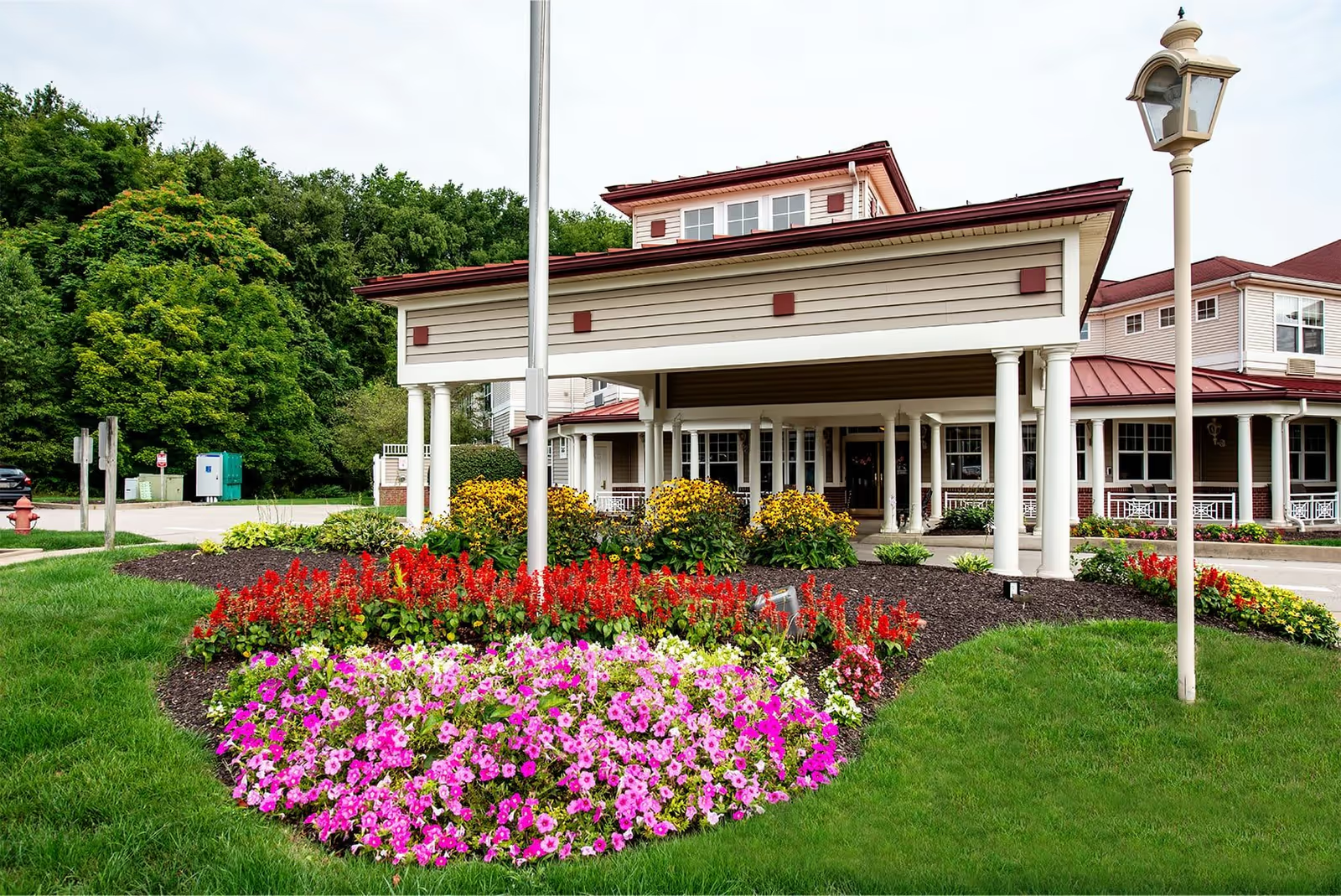
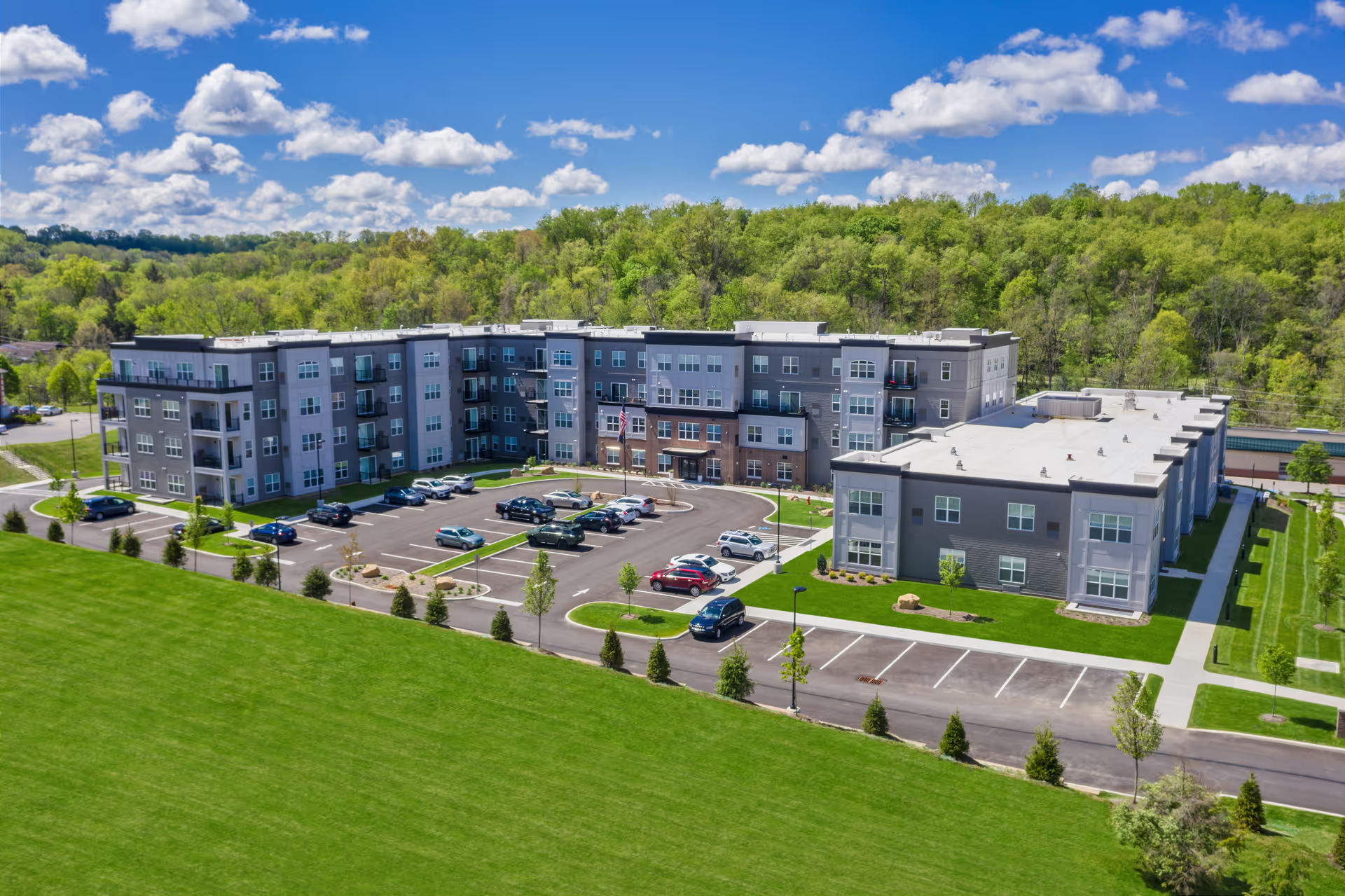
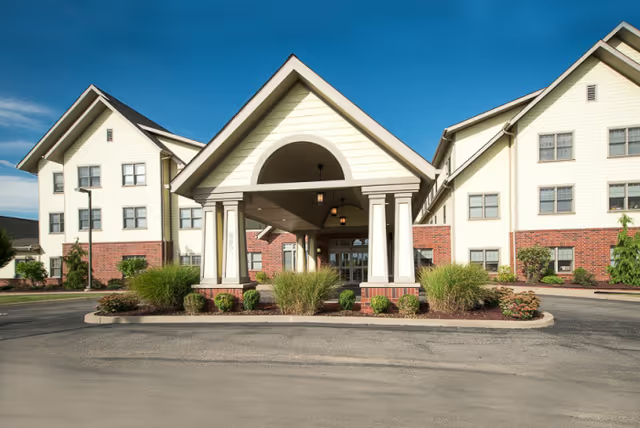
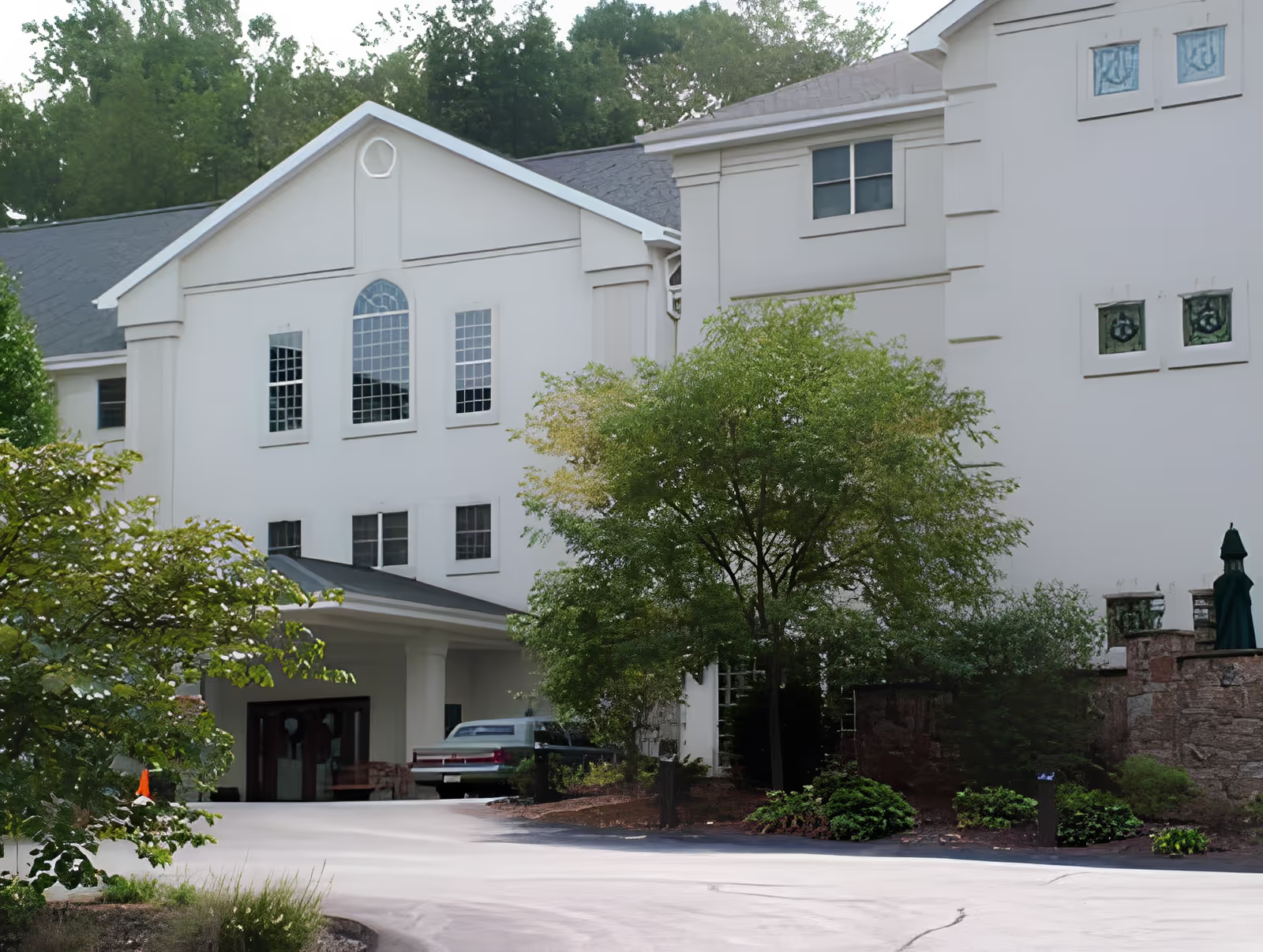
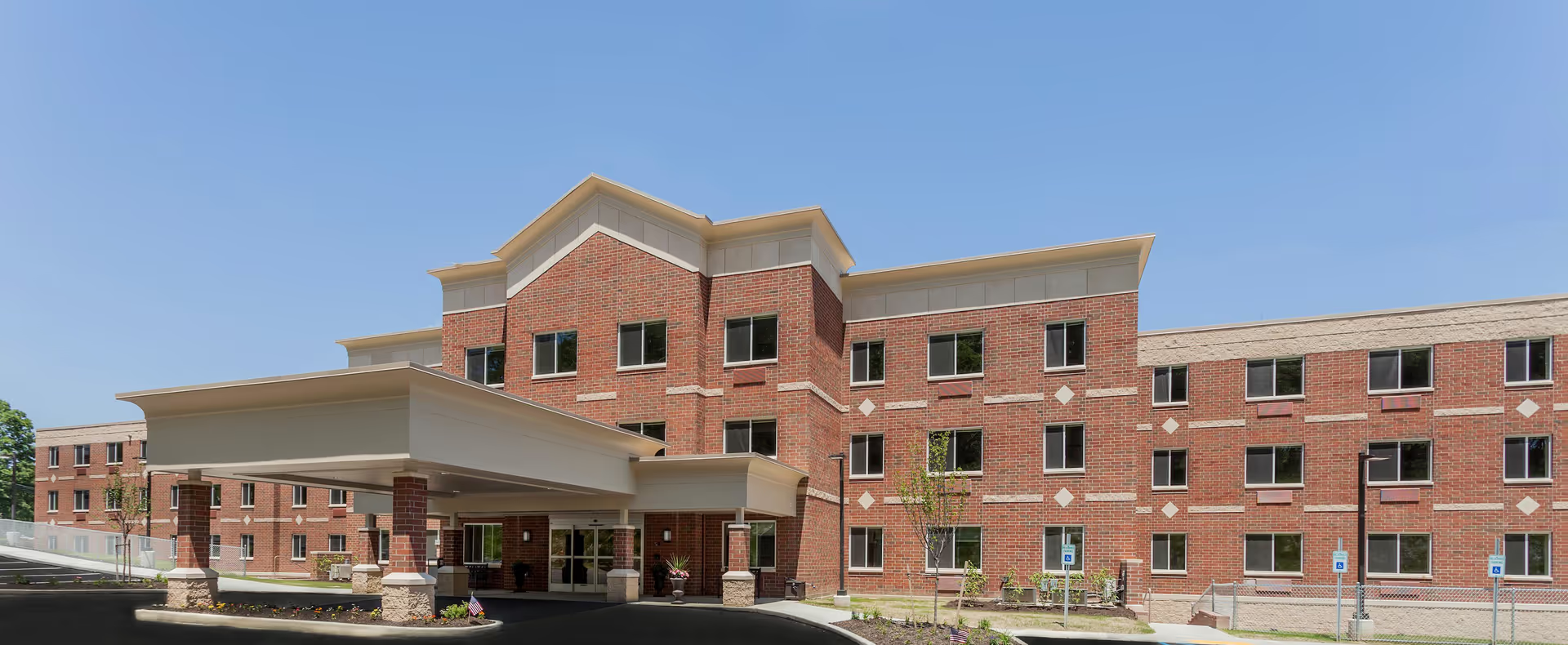
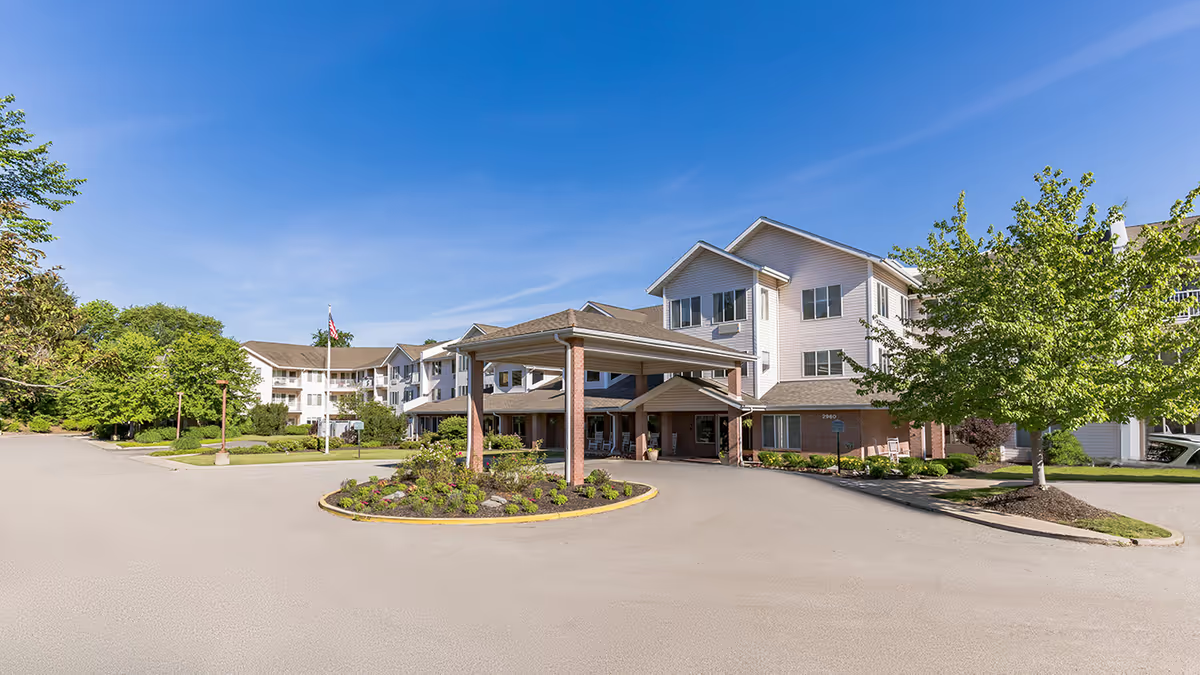
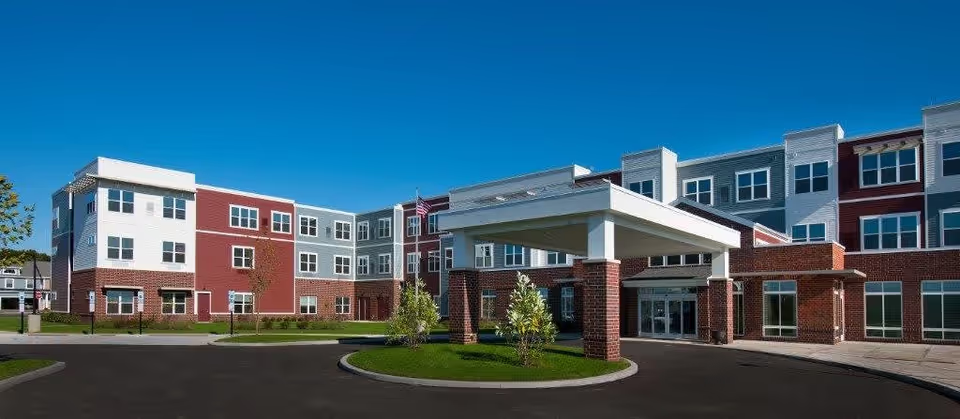
Facilities and cleanliness: Some reviewers describe clean, well-kept rooms and reliable laundry and bedding services, while others note sanitation concerns in parts of the building. Infrastructure issues are a recurring theme: aging building systems, plumbing failures, and general maintenance needs were cited. Crowded room layouts and limited personal space in certain units also reduced perceived comfort for some residents. Responsive maintenance and accommodation of personal furniture were appreciated where present, but structural and sanitation issues appear uneven across the facility.
Management, safety, and policies: Several families praised administrators who are visible and engaged, and hospice coordination was described as welcoming and well-supported. However, operational weaknesses were also highlighted: inconsistent staffing levels and slow responses to call bells or bed alarms indicate gaps in frontline coverage and responsiveness. There are also concerns about staff conduct and communication tone in a subset of accounts, and at least one report raised safety questions about resident supervision. Additionally, policies related to toileting were described as restrictive by some families and perceived to affect resident dignity. These patterns point to areas where policy clarification, staffing stabilization, and targeted training could improve reliability and resident experience.
Notable patterns and recommendation: The dominant positive themes are compassionate dementia care, engaged nursing and therapy teams, and helpful ancillary services (laundry, maintenance, hairdressing). The dominant negative themes are inconsistent facility upkeep, variability in cleanliness and dining, staffing and responsiveness gaps, and occasional concerns about conduct and supervision. Prospective residents and families should weigh the facility’s strong clinical and dementia-care capabilities against the variability in infrastructure and operational consistency; an in-person tour focusing on specific units, inspection of room layouts and plumbing, discussion of staffing ratios, and review of toileting and alarm-response policies would help clarify whether the facility meets an individual’s priorities.