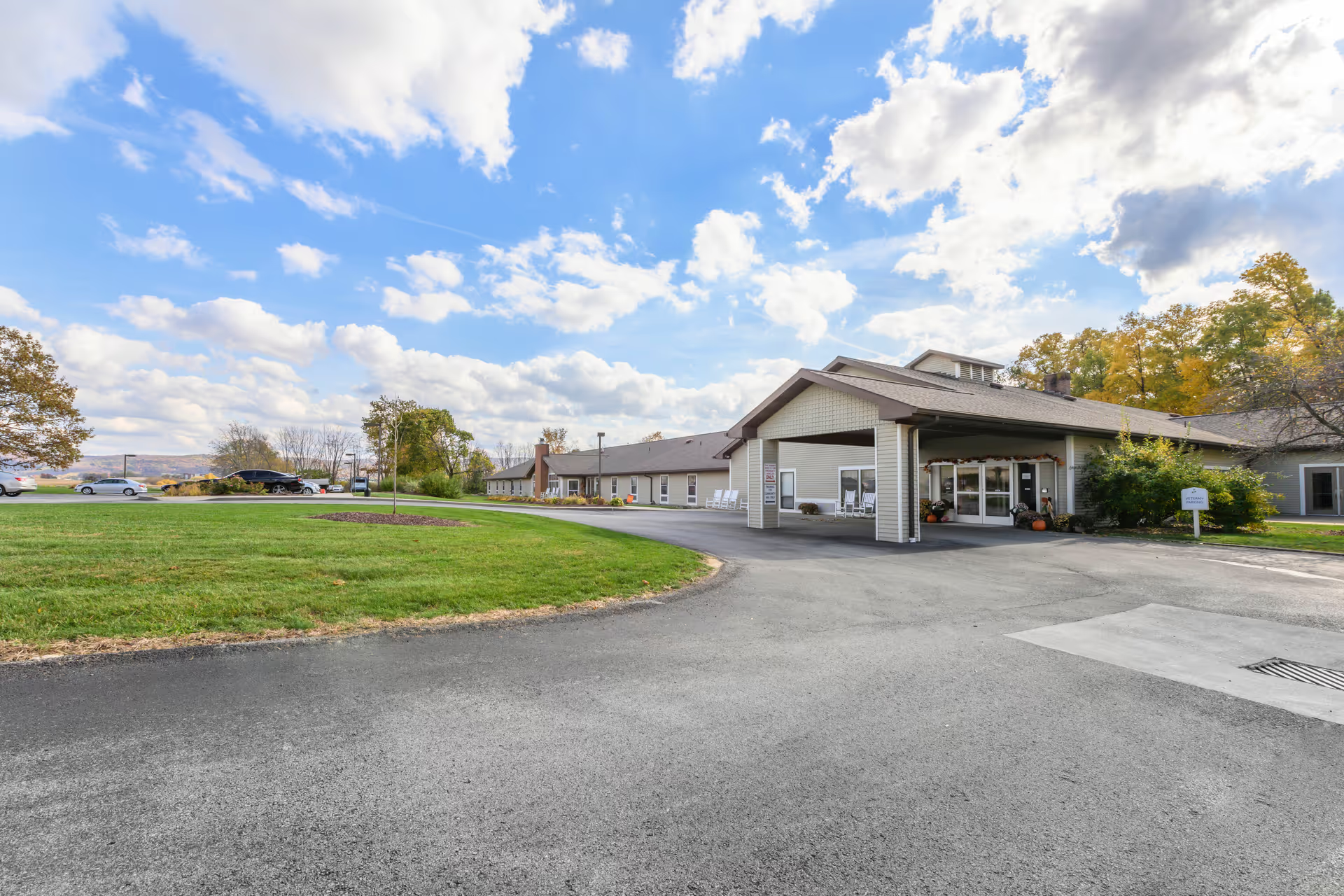
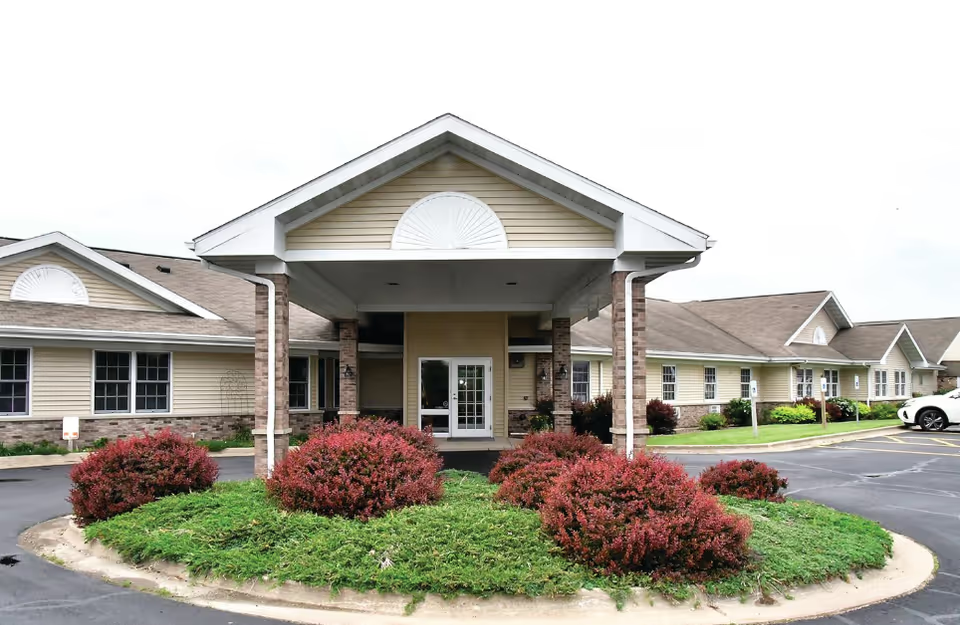
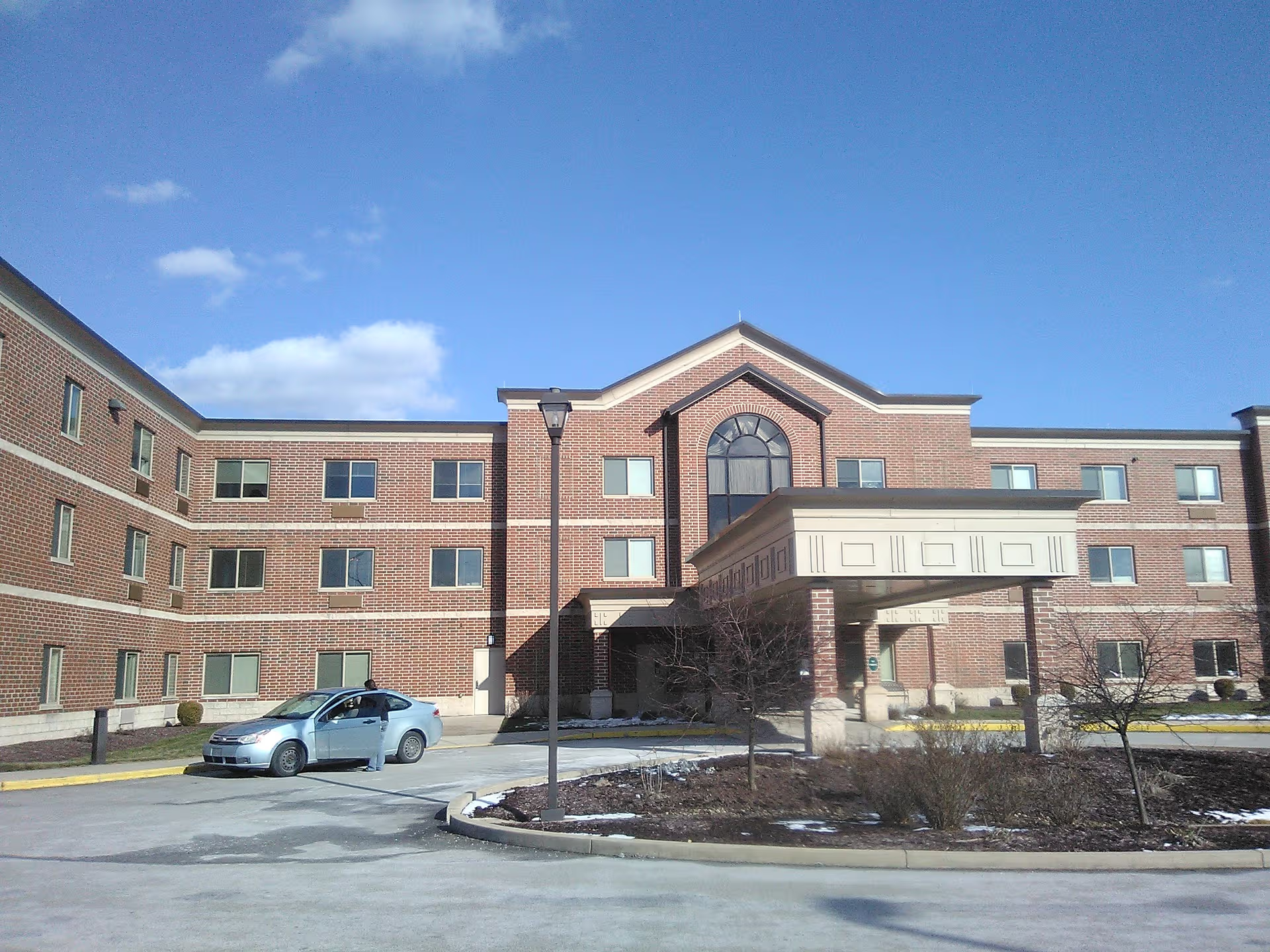
Reviewers describe a facility with a clearly mixed performance profile. Strengths most consistently identified relate to direct-care personnel: many accounts praise compassionate, attentive nurses and helpful front-line staff who facilitate treatments, infusion services, laboratory draws, and records coordination. Several reviewers highlighted positive emergency outcomes and effective short-stay care when the department operated efficiently. Recent renovations and a new cardiology office were noted as facility improvements that contribute to a more comfortable patient experience.
At the same time, a pattern of operational weaknesses emerges. Emergency-department waits are frequently described as prolonged, and multiple accounts indicate inconsistent triage and gaps in care coordination that can delay diagnostics, treatment, or specialist follow-up. Communication problems appear across clinical and administrative interactions: families describe unclear discharge instructions, delayed test-result notifications, and difficulties reaching clinicians directly. Billing and scheduling errors are recurrent administrative issues that create frustration and added travel or time burdens for patients and families.
Clinical concerns range from inconsistent pain and symptom management to uneven infection-control practices and questions about discharge stability and post-discharge planning. There are also sanitation and room-cleaning concerns, as well as reports that bedside responsiveness can be delayed. Importantly, a small number of serious individual allegations — including claims of inappropriate staff conduct and concerns following a resident's death — were described; these accounts represent severe issues that would warrant formal review by facility leadership and regulators.
Patterns in staff behavior are mixed: many encounters are described as respectful and reassuring, while others report dismissive or rude interactions, inconsistent bedside manner among providers, and variability between shifts. Administrative staff receive similar mixed assessments—some are helpful and expedient, while others are associated with scheduling mistakes and unhelpful billing communications.
Dining, activities, and programmatic offerings receive little substantive detail in the available commentary, so no clear pattern about food service or recreational programming can be established from these reviews. Facility improvements and renovations are underway in places, which may address some environmental and flow issues, but operational concerns (triage, staffing consistency, billing accuracy, discharge processes, and visitor policy flexibility) recur enough that prospective patients and families should ask targeted questions about those areas when considering care here.
Recommendations for prospective patients and families: verify expected wait times and triage procedures for emergency visits, confirm how follow-up and specialist referrals will be arranged, get written discharge instructions and medication plans, and clarify billing or preauthorization expectations in advance. For facility leadership: prioritizing consistent triage protocols, improving interdepartmental communication, strengthening discharge and follow-up workflows, and addressing allegations of inappropriate staff conduct and sanitation complaints would likely have the most impact on patient experience and safety.