Overall assessment: Reviews describe a mixed performance profile. The facility receives consistent positive feedback for its rehabilitation services, on-site snack shop, and many dining experiences; at the same time, reviewers raise sustained operational concerns in the skilled-nursing areas that affect resident safety, hygiene, and family communication.
Care quality: Rehabilitation and therapy services are a clear strength — families and former patients frequently note good progress in mobility and meaningful engagement with physical and speech therapy. Conversely, skilled-nursing care is described as uneven. Key operational issues include slow response times to call buttons, inconsistent personal-care routines (including bathing and incontinence-care follow-through), and lapses in wound-care and medication-management adherence. These patterns suggest variability in clinical oversight and handoff practices between shifts or units.
Staff and conduct: Individual staff members, particularly therapists and snack-shop personnel, are often singled out as compassionate, helpful, and effective. However, reviewers also identify concerns about staff attentiveness, including use of personal devices during shifts and a perceived roughness or inconsistency in handling and positioning. Staffing behavior and responsiveness appear inconsistent across teams, contributing to divergent family experiences.
Dining and activities: The on-site snack shop and many of the facility meals receive strong praise for taste, variety, and presentation; several comments name the snack-shop staff as a highlight. Activity programming and therapy-friendly engagement are also strengths noted by reviewers, with opportunities for social interaction and rehabilitation tied into daily routines. At the same time, there are intermittent complaints about meal temperature and occasional lapses in service continuity.
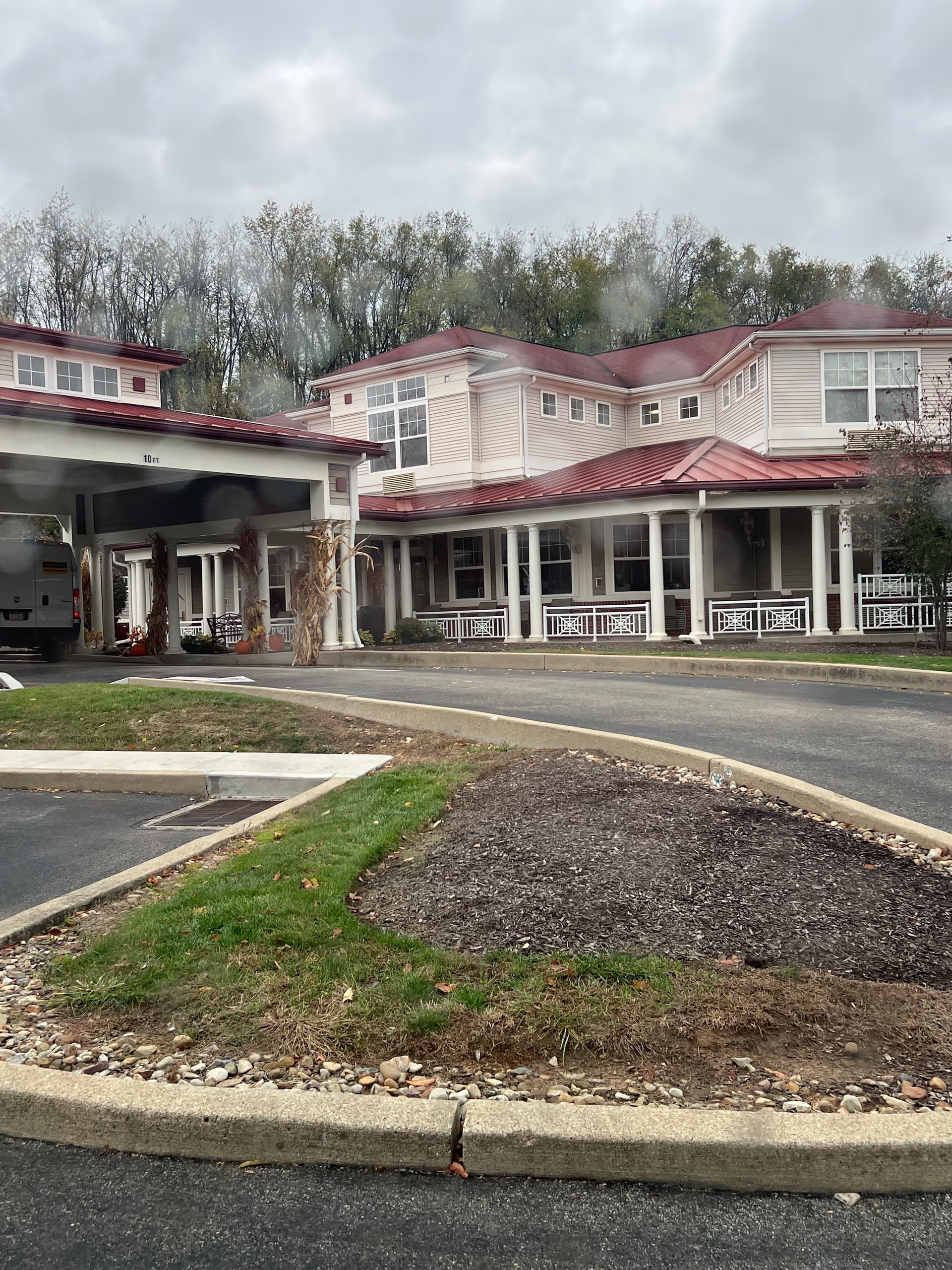
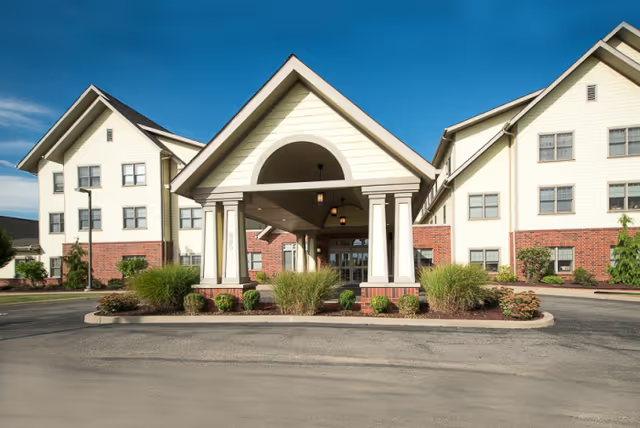
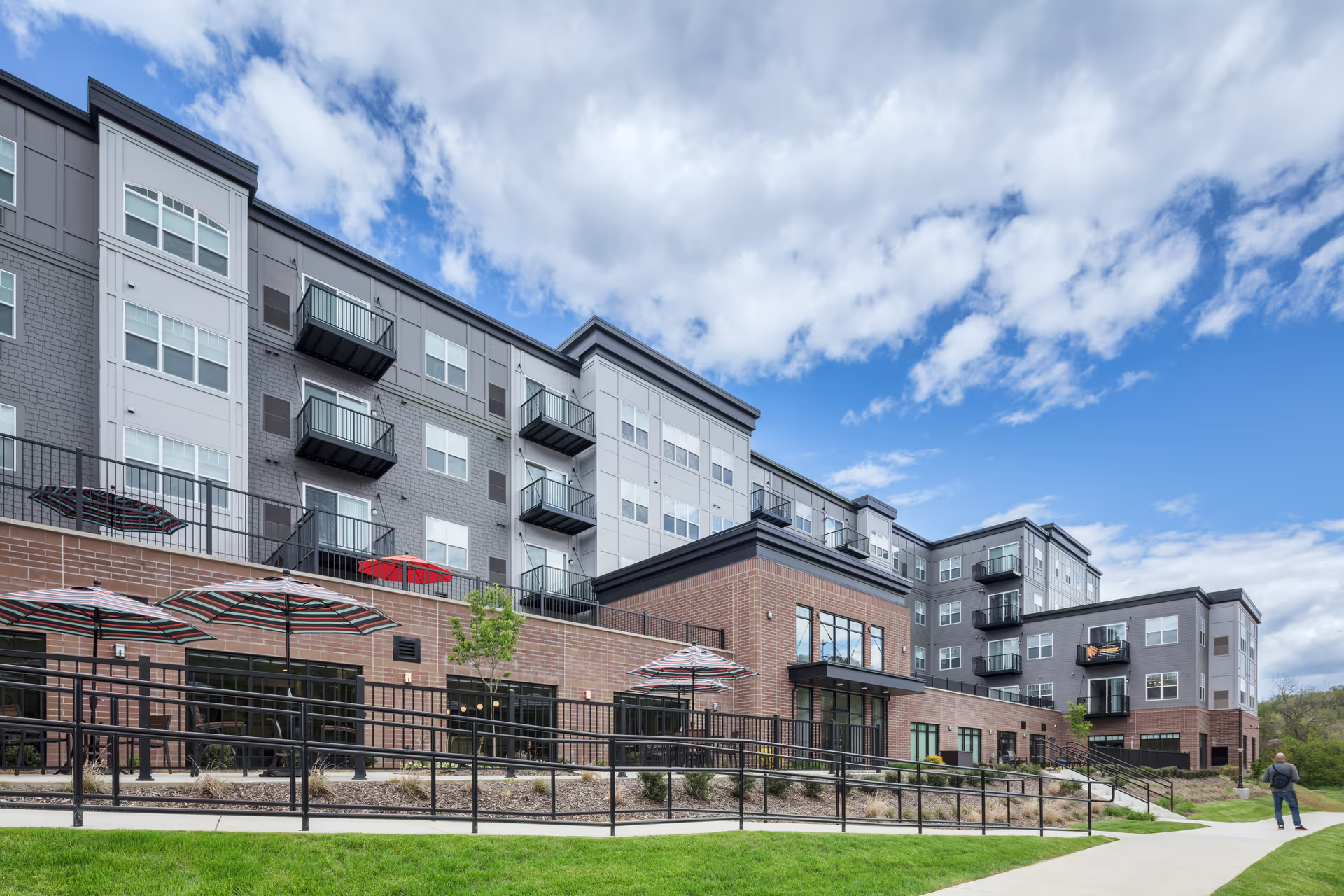
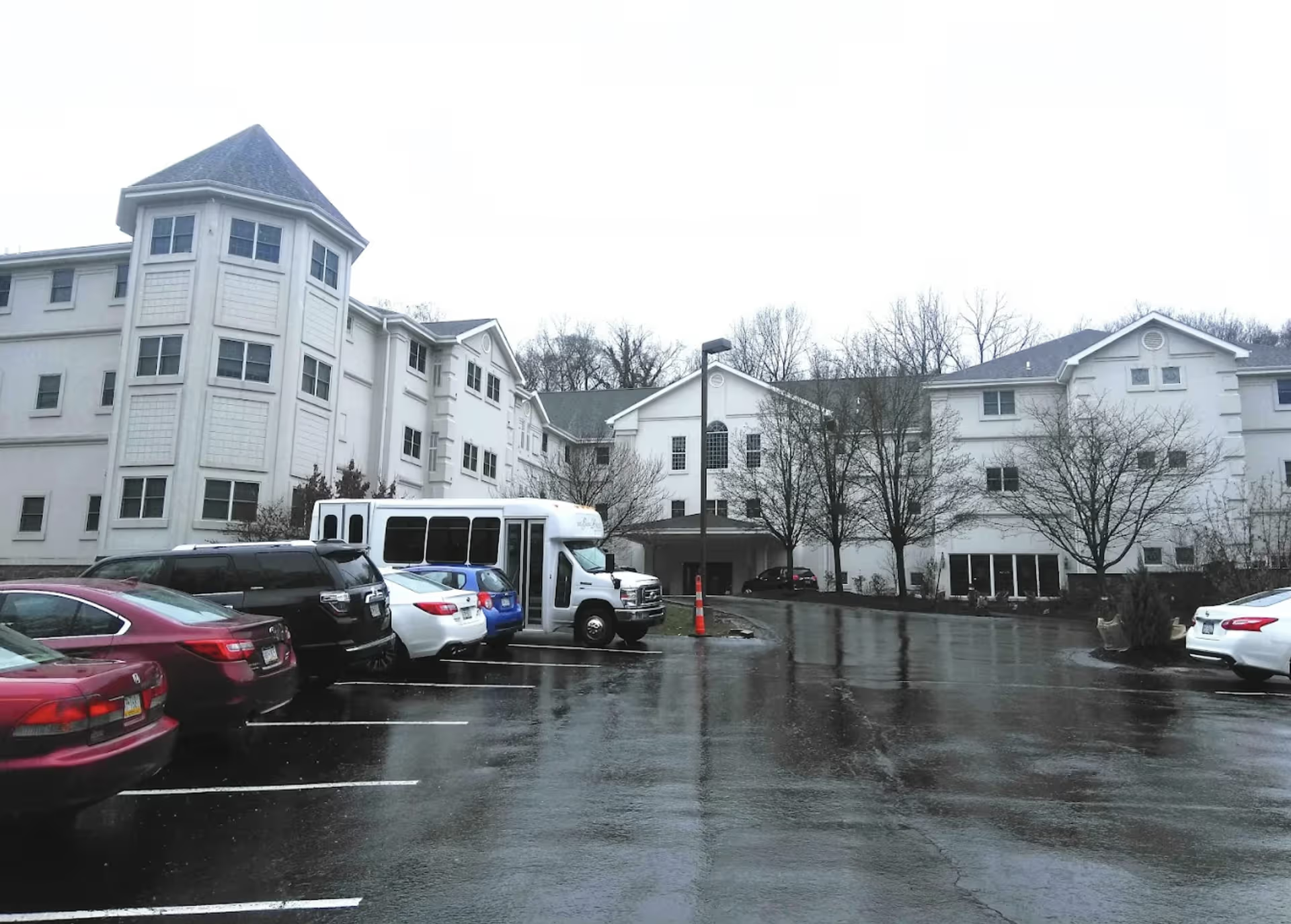
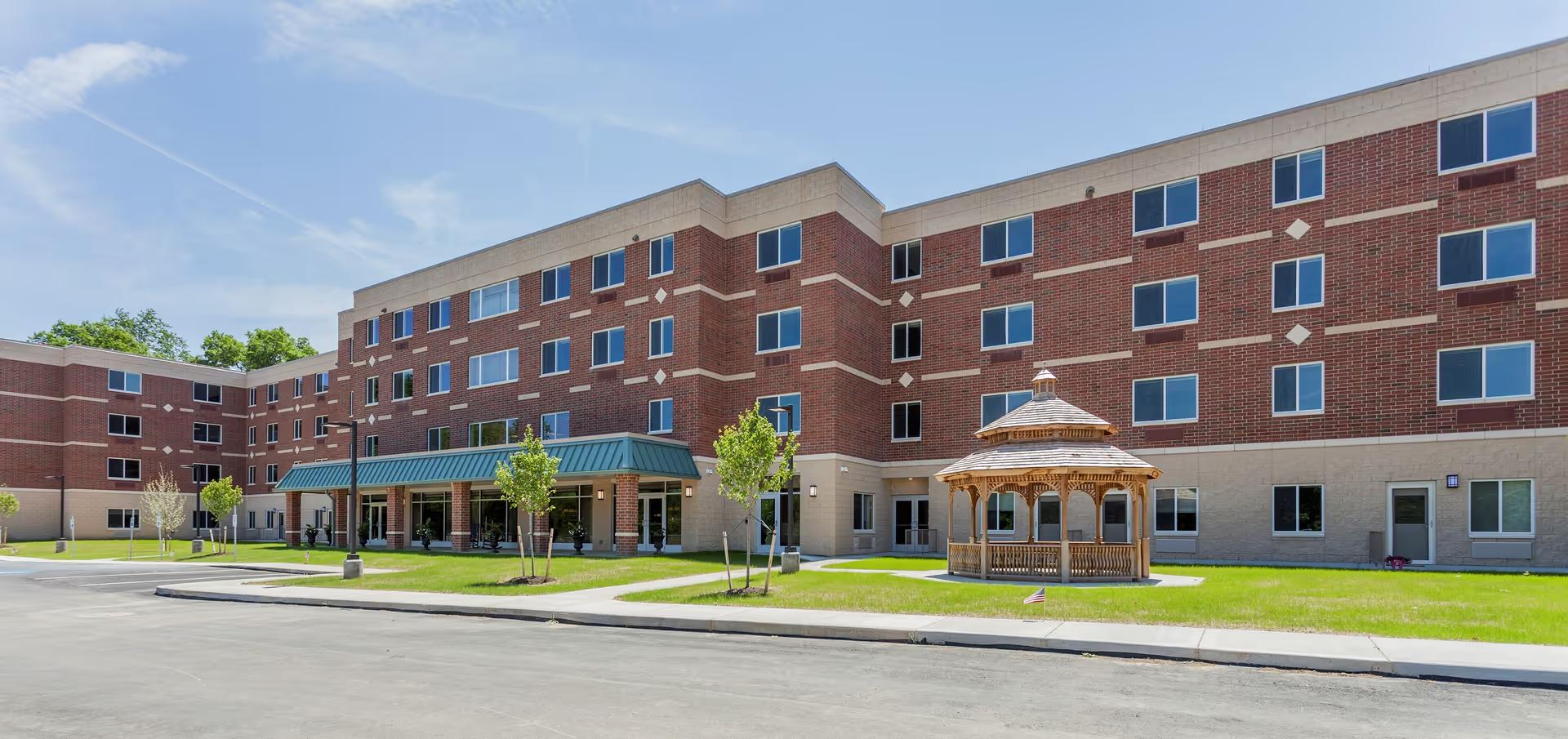
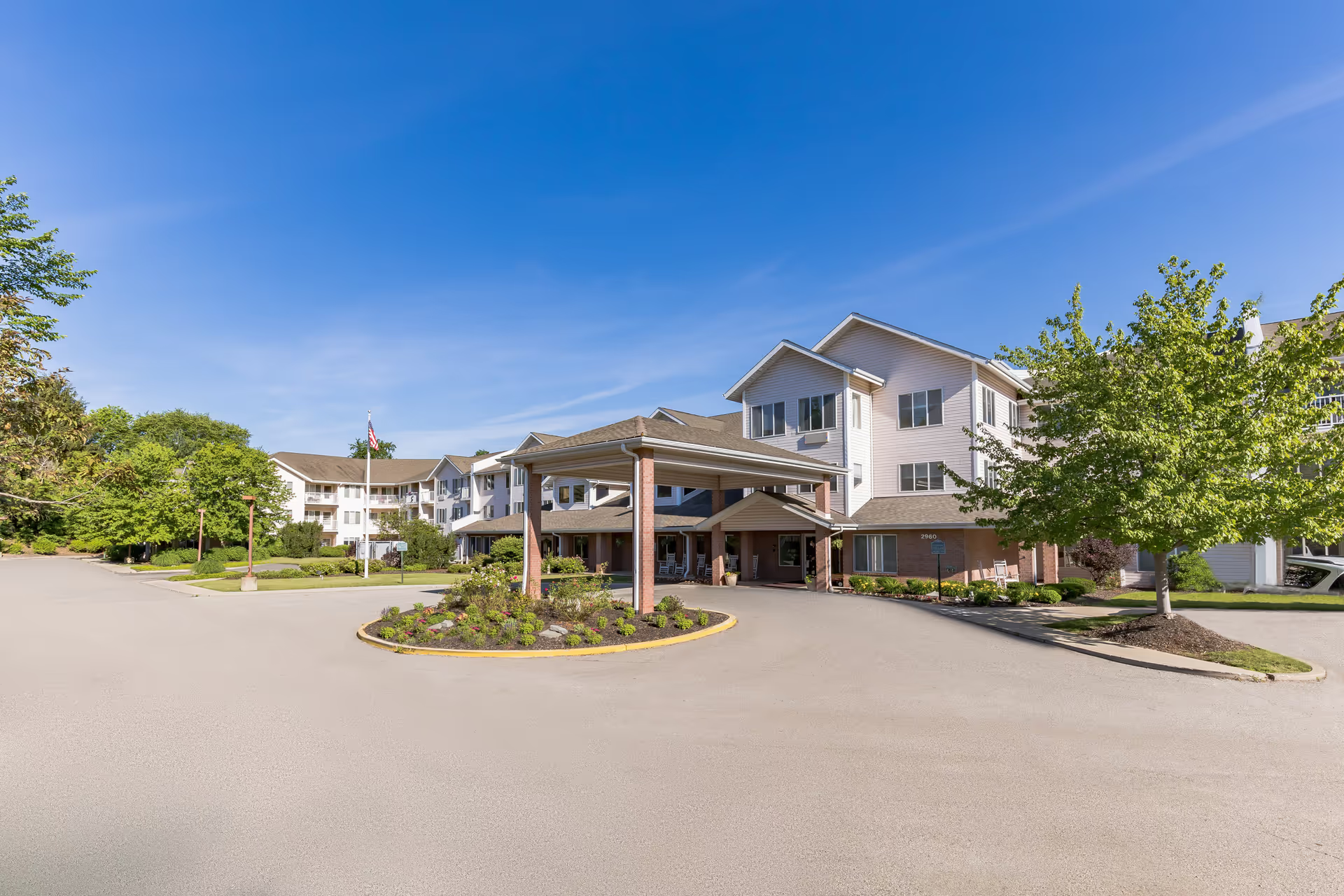
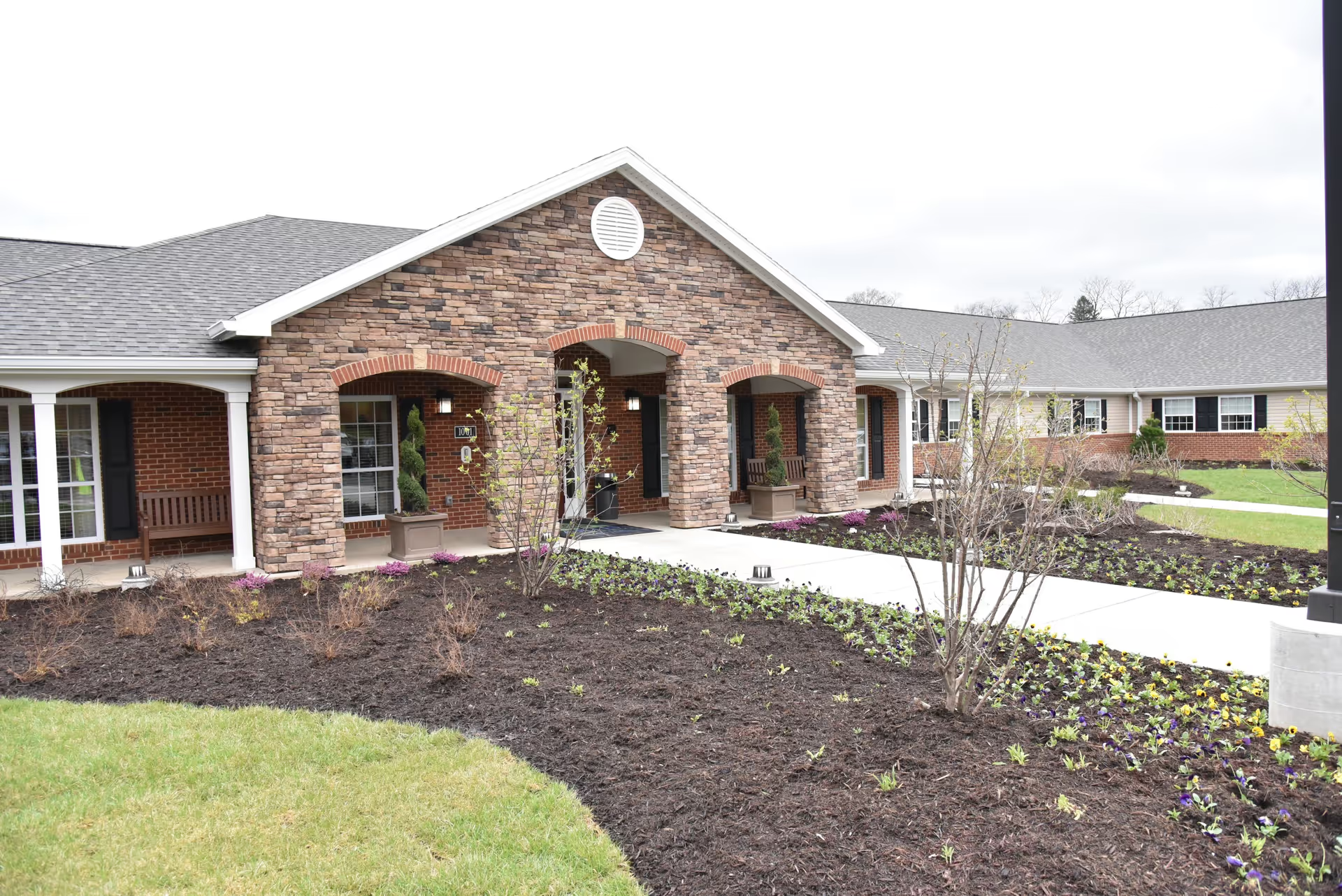
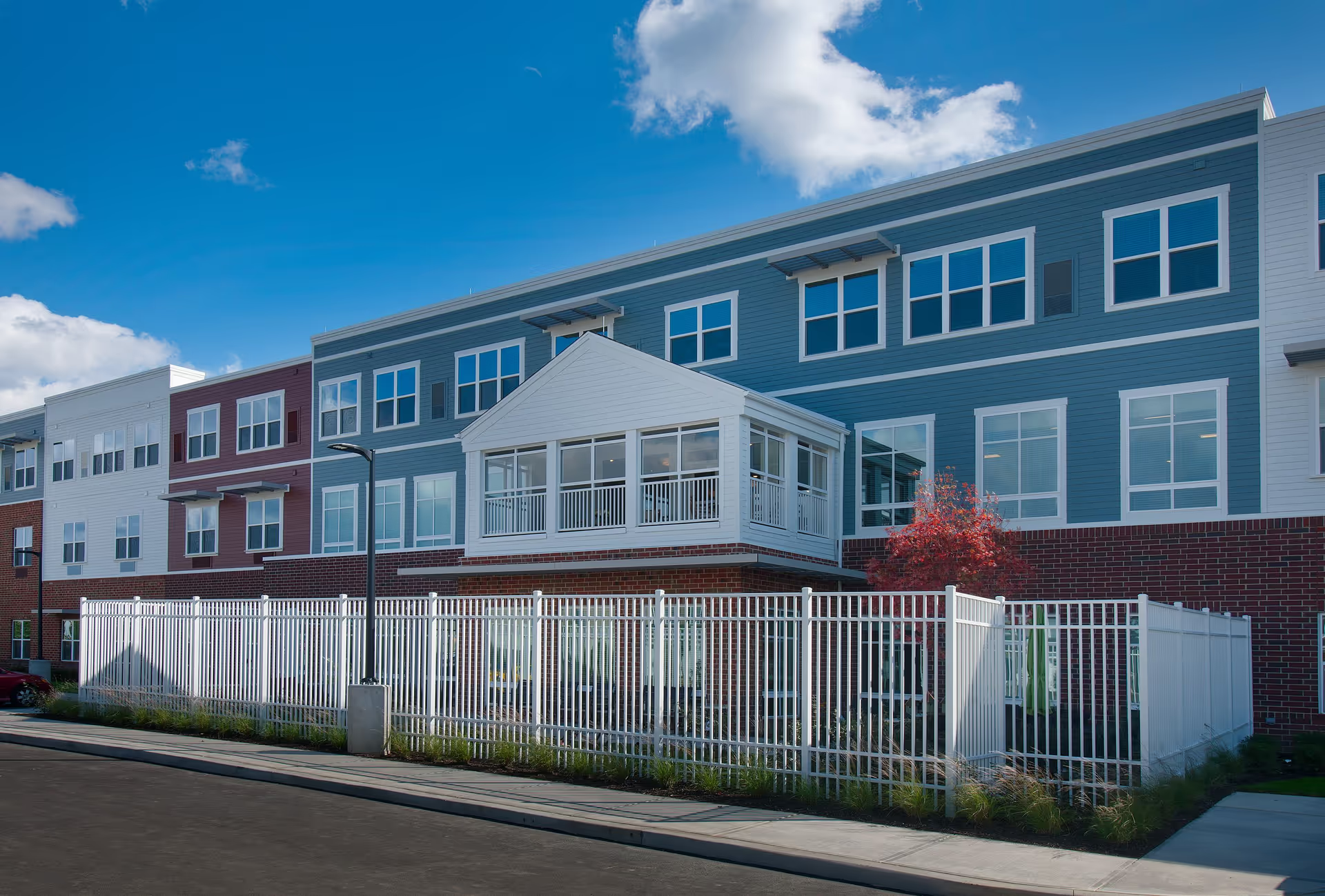
Facilities and cleanliness: Observations about cleanliness and environment vary significantly. Some reviewers describe clean, inviting common areas and well-maintained dining spaces, while others raise sanitation concerns, odor issues, linen availability, and small bathroom sizes. These mixed observations point to inconsistent housekeeping and environmental-management practices across units or shifts.
Management and communication: Families describe gaps in administrative accessibility and follow-up — limited callbacks, unclear communication about clinical changes, and constrained after-hours coverage. Several reviewers express difficulty reaching leadership or the director of nursing for timely clarification. These communication weaknesses amplify the impact of clinical and operational inconsistencies.
Notable patterns and guidance: The pattern in reviews suggests a facility with clear strengths in rehabilitation, therapy engagement, and food-service offerings, alongside recurrent operational weaknesses in skilled nursing, environmental consistency, and management responsiveness. Prospective residents and families should prioritize an in-person visit, ask specific questions about call-response times, wound- and medication-management protocols, staffing ratios (including night and weekend coverage), infection-control and housekeeping schedules, and recent quality audits. Verifying current conditions and speaking with therapy staff, nursing leadership, and family members of current residents can help clarify whether documented concerns have been addressed.