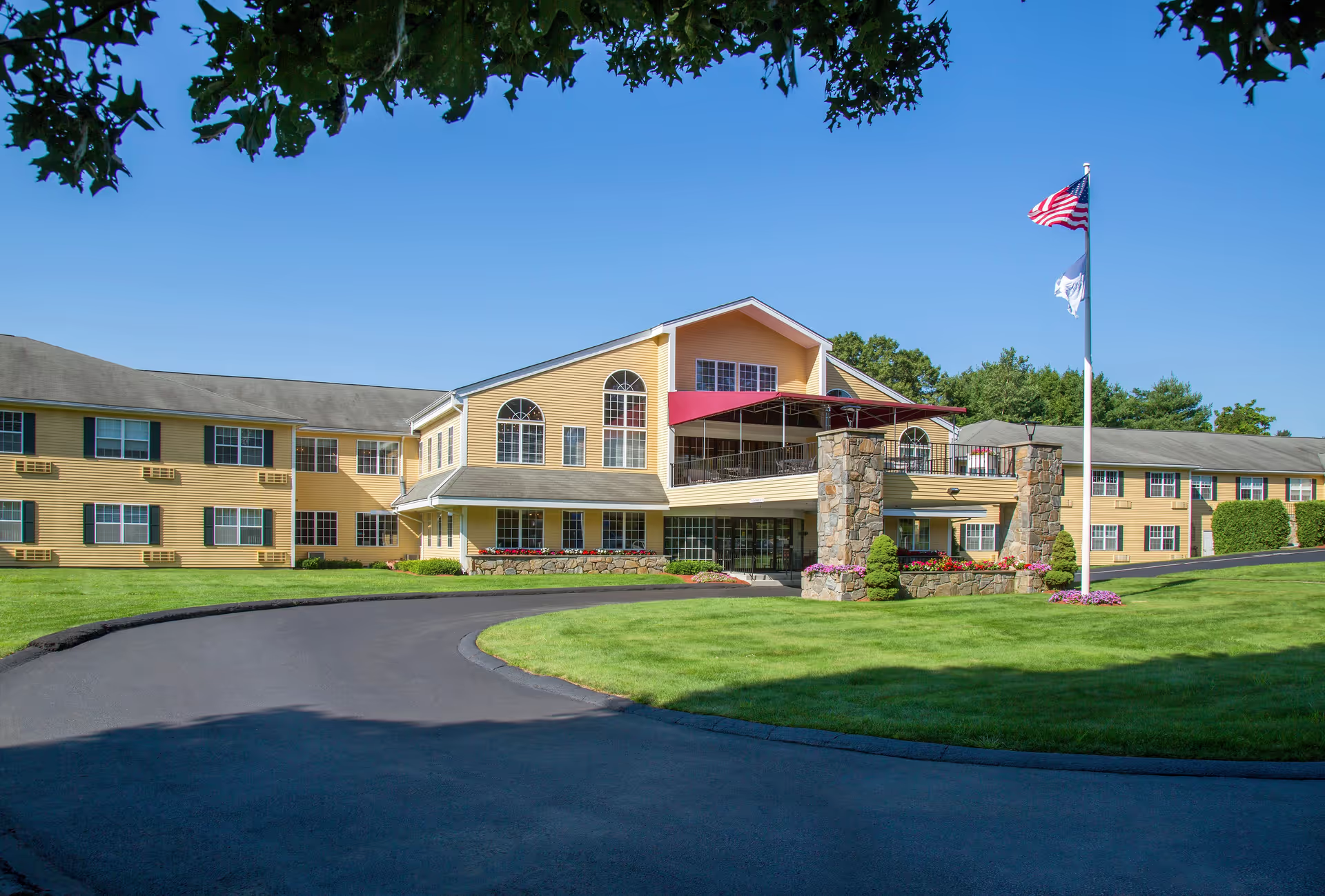
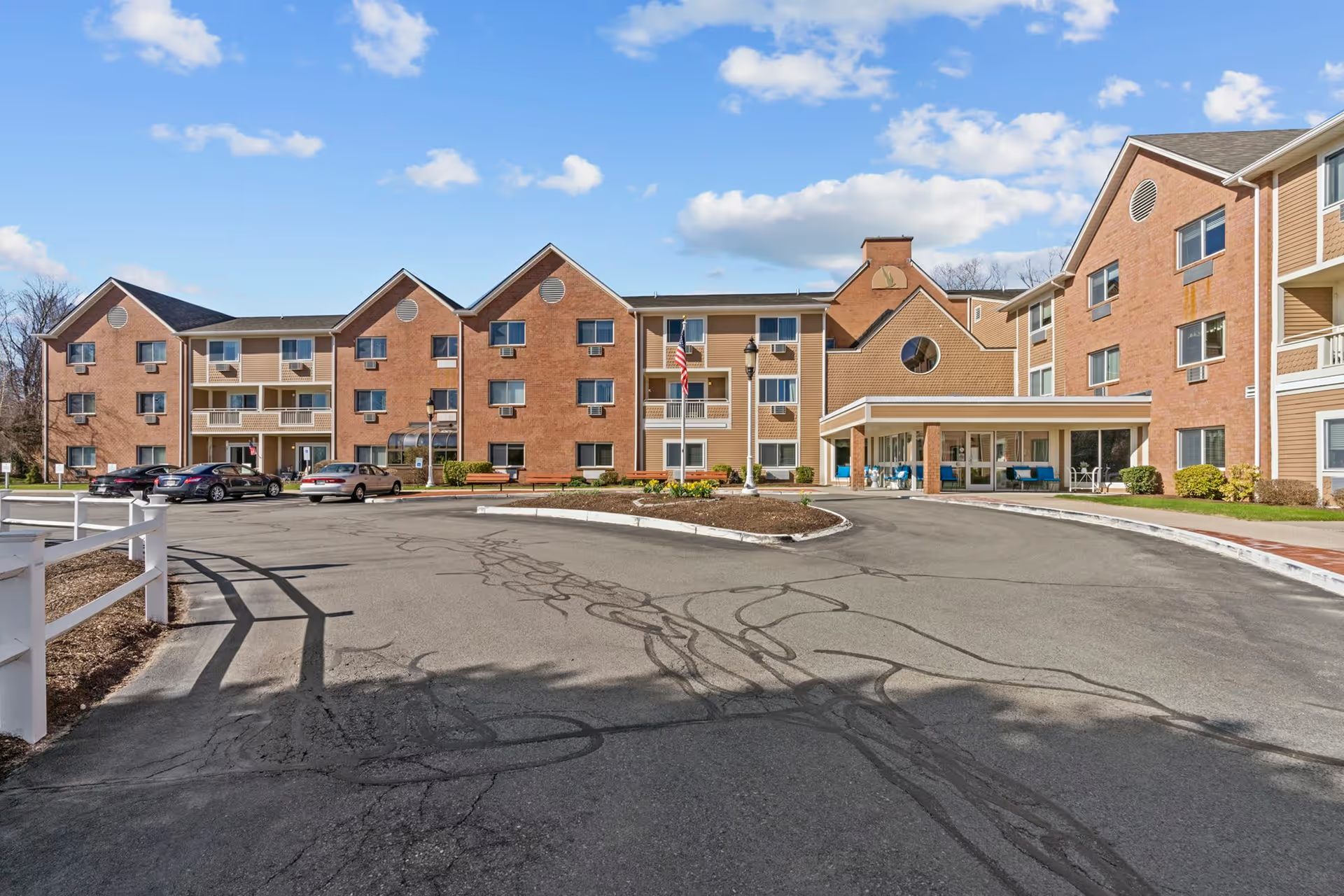
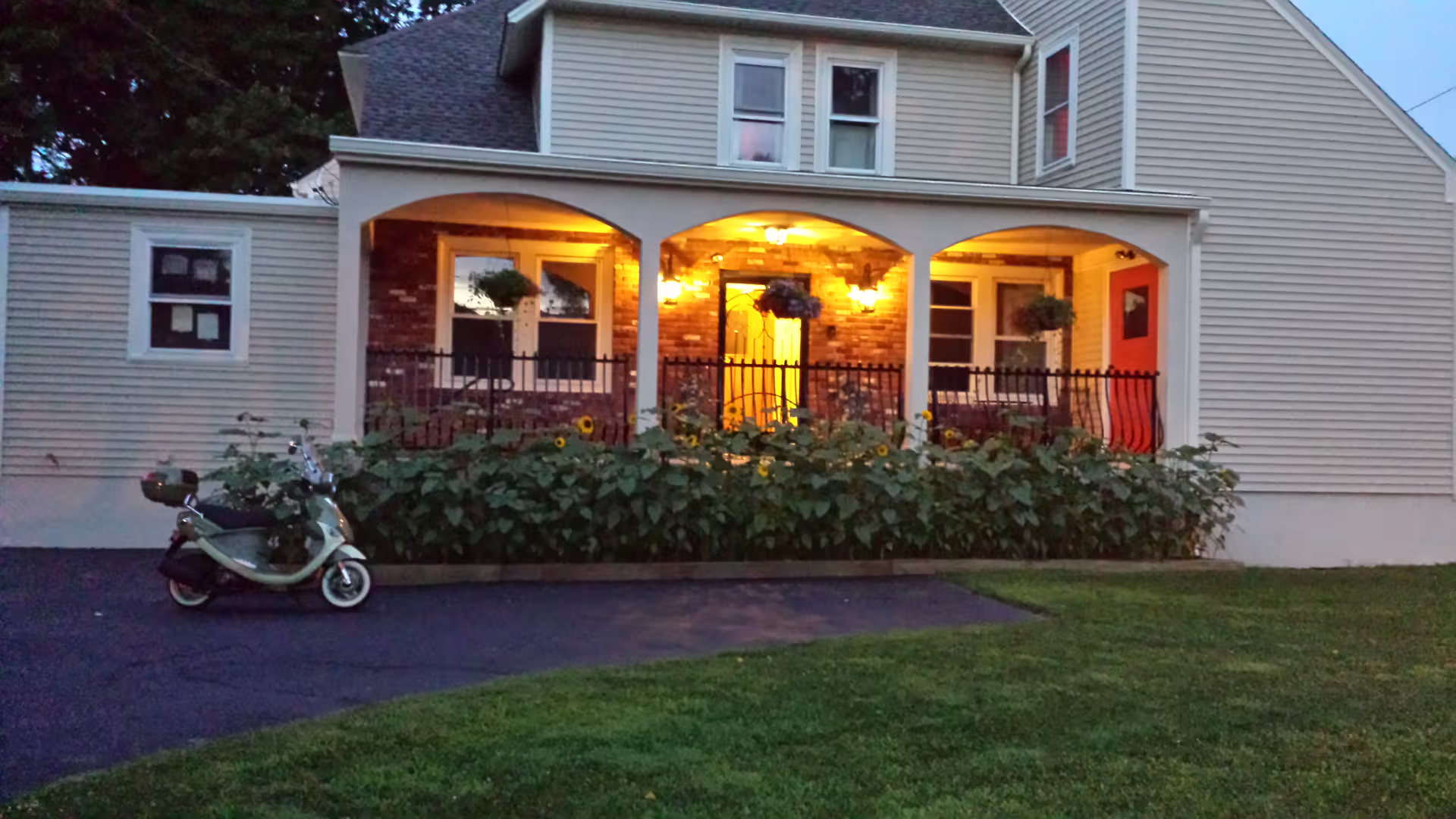
Reviewer feedback for Oak Hill Health & Rehabilitation Center is mixed, with a clear split between families who experienced attentive, compassionate frontline care and those who reported concerning operational and clinical gaps. Positive remarks emphasize staff kindness, a dedicated therapy team, an active programming schedule, and generally well-maintained patient rooms. At the same time, several reviewers describe substantive issues that affect continuity and safety of care.
Care quality shows variability. Positive experiences highlight attentive nurses, aides, and therapists who focus on resident comfort and rehabilitation. However, there are multiple accounts indicating delays or lapses in clinical processes: delayed initiation of physical therapy, inconsistent pain management, and interruptions in medication administration. Of particular concern to some families were lengthy delays in receiving critical medications and difficulty ensuring medication continuity during the stay. Reviewers also cite weak documentation practices, with missing or incomplete medical records creating challenges for continuity of care and handoffs.
Staff behavior and responsiveness are described in both positive and negative terms. Many reviewers praised individual caregivers, therapists, and the activity director as kind and dedicated. Conversely, other accounts describe unresponsiveness to needs, delays in assistance with activities of daily living, and safety-related supervision gaps. These patterns suggest variability in staff performance that may reflect staffing levels, training, or supervisory consistency.
Facility features and environment receive similarly mixed commentary. Several families noted that rooms were clean and care-focused, and that semi-private room configurations are available. At the same time, sanitation and cleanliness control issues in specific care areas and concerns about incontinence-care practices were reported, indicating inconsistent environmental hygiene and personal-care workflows. Dining was not a prominent theme in the provided summaries; prospective families should inquire directly about meal quality and dietary services.
Management, administration, and communication emerge as recurring themes in negative feedback. Reviewers described difficulties communicating with the facility and with the resident’s external healthcare team, as well as delays or barriers when attempting to arrange discharges or transfers. One pattern is perceived limited responsiveness from social work or administrative staff during care transitions, which can compound clinical concerns. There is also commentary that corporate-level culture and escalation mechanisms do not reliably address family concerns.
Notable patterns to consider: (1) consistent praise for individual caregivers and therapy staff contrasts with operational gaps in medication, documentation, and discharge coordination; (2) variability in responsiveness and assistance with activities of daily living, including incontinence care and supervision, can create safety and dignity concerns; and (3) communication breakdowns between facility staff, families, and external care teams are a recurring issue. Prospective residents and families would benefit from asking specific questions before admission: medication-management protocols, documentation access and communication channels, expected timelines for therapy initiation, staffing ratios for the unit, incontinence-care and bathing schedules, and procedures for discharge coordination and escalation of concerns.