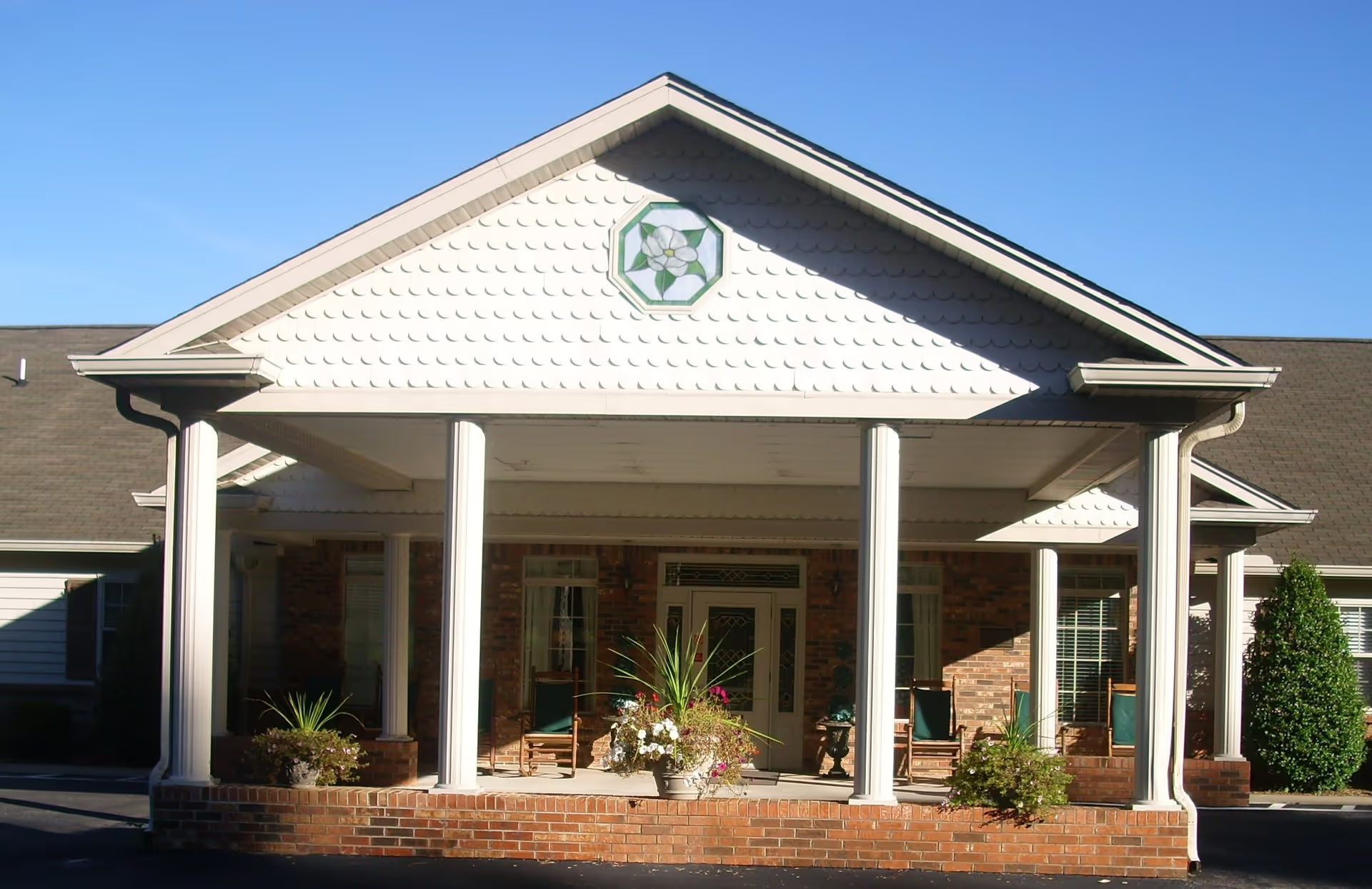
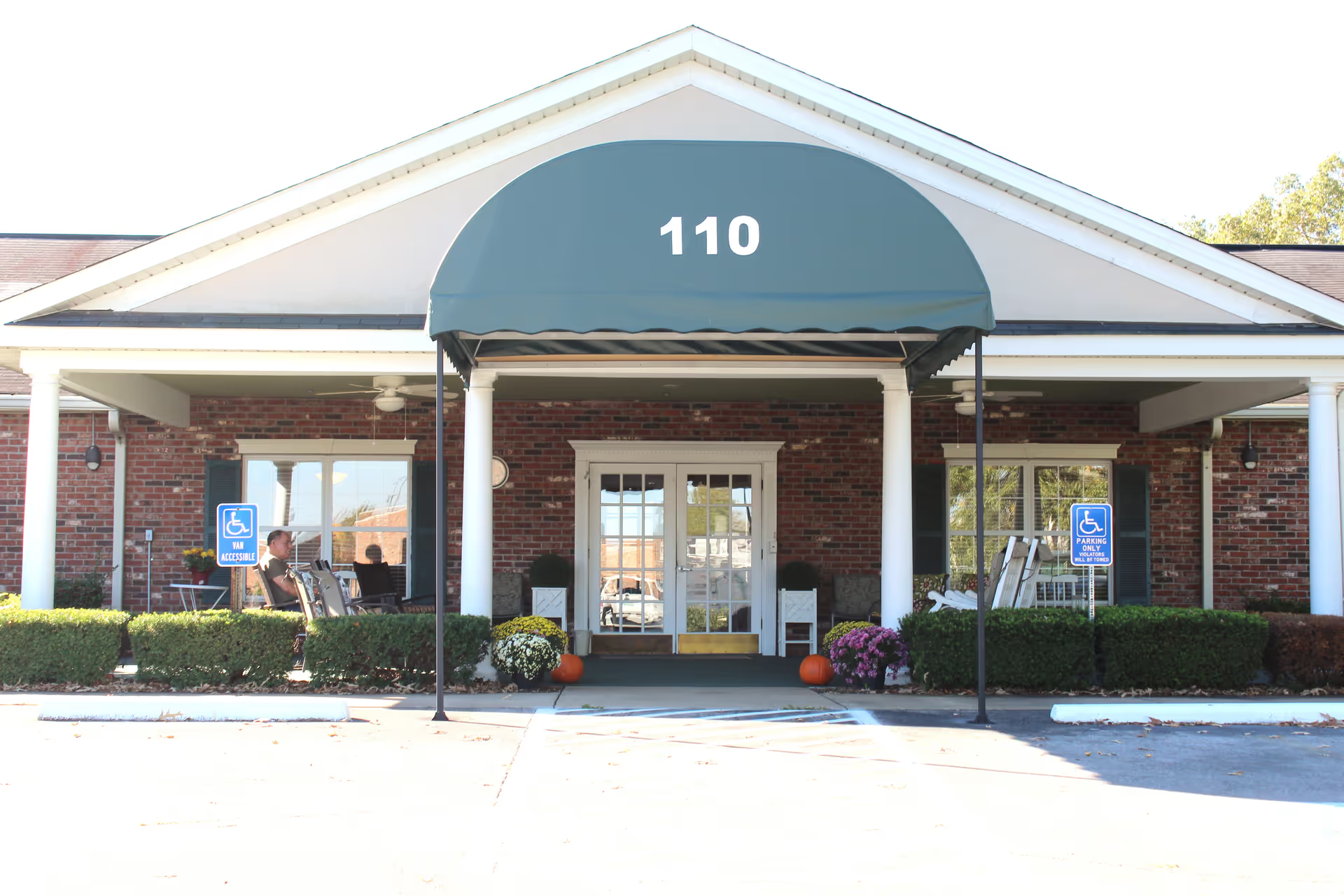
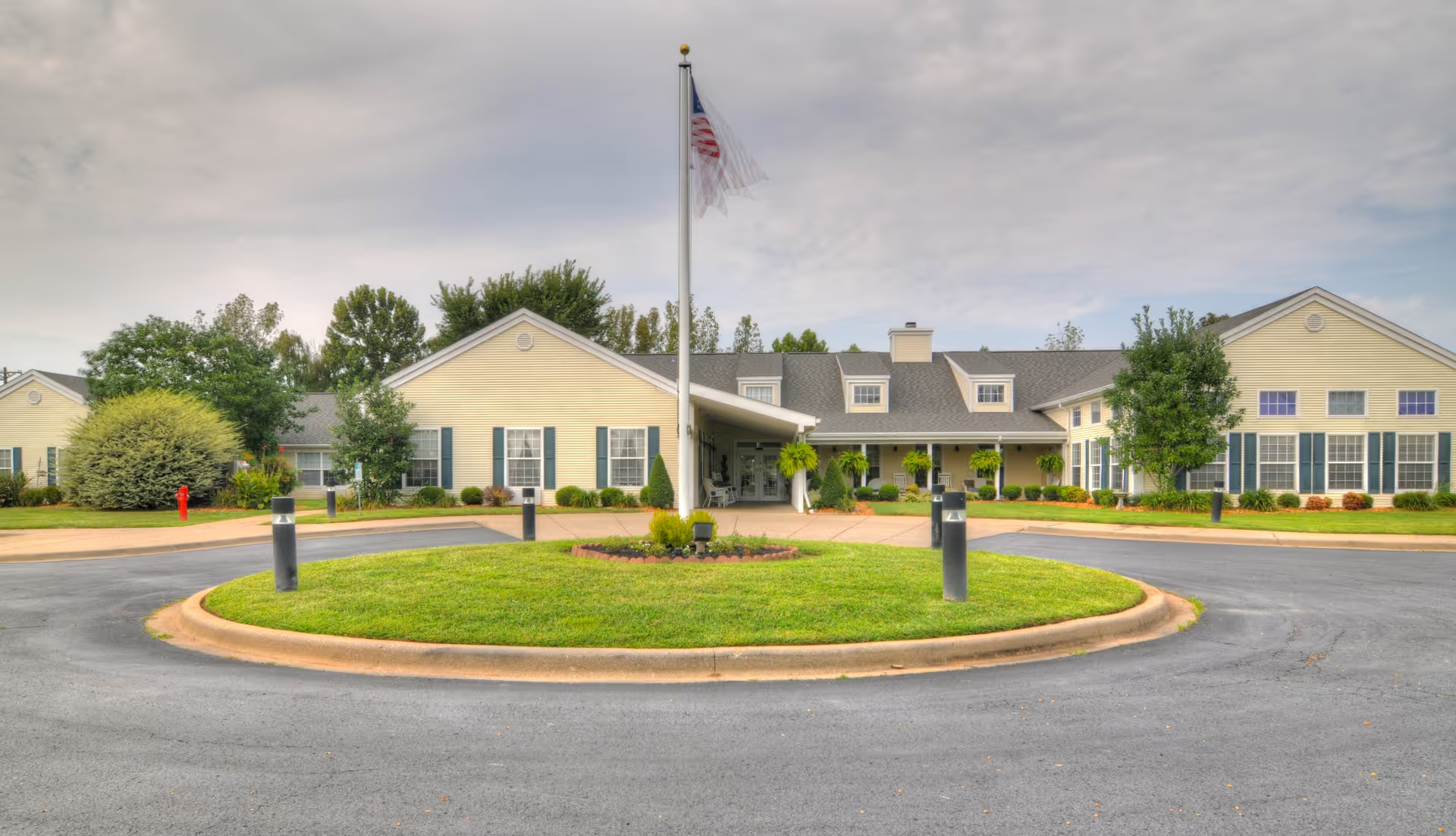
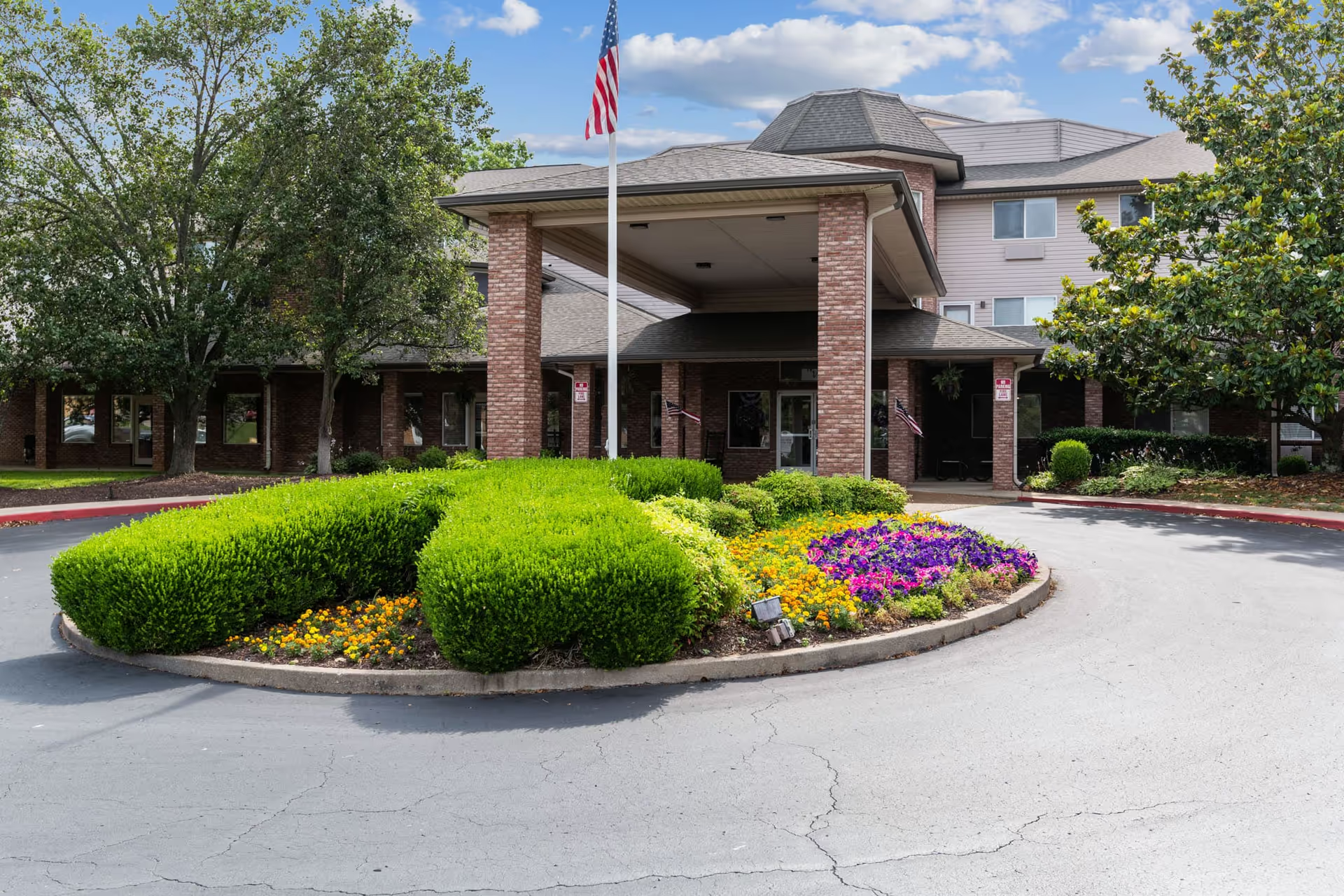
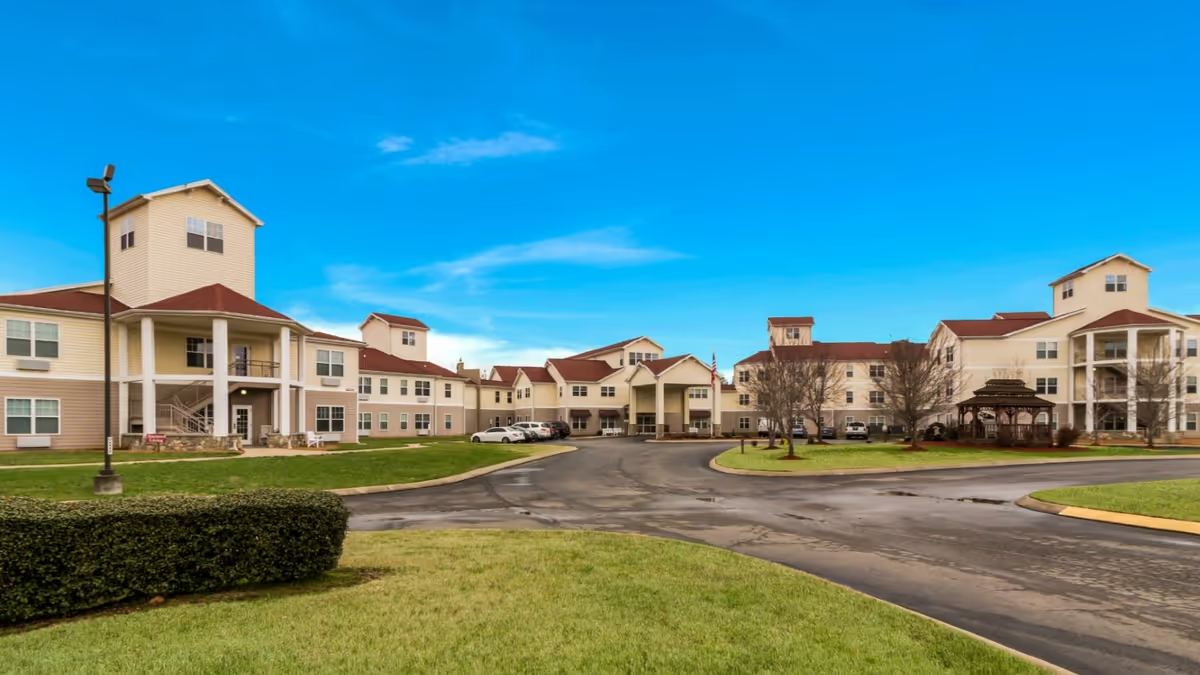
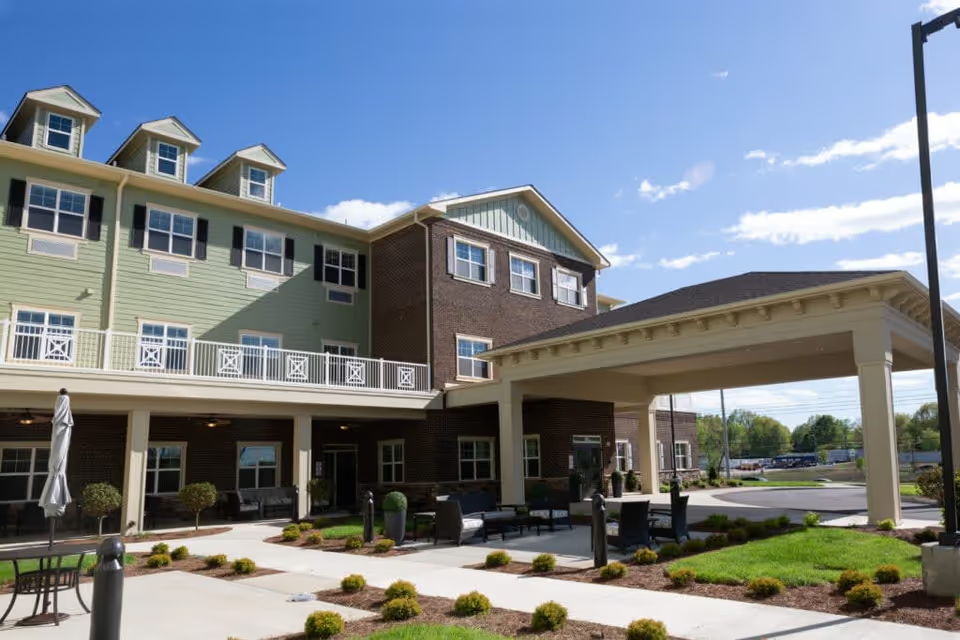
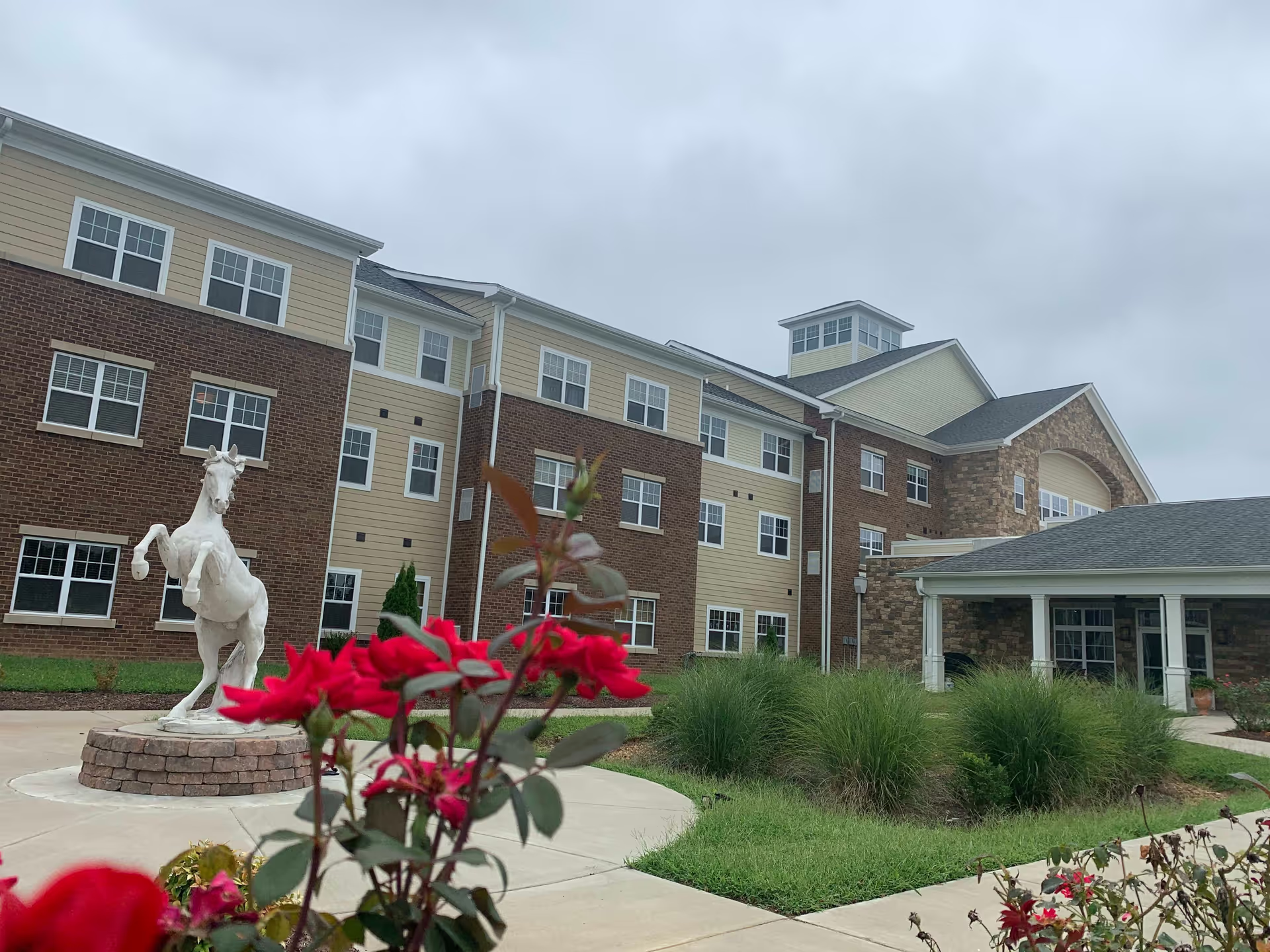
The reviews present a mixed picture: the facility is repeatedly praised for its rehabilitation services, therapy staff, and engaging activities, while operational and clinical consistency emerge as the primary areas of concern. Families and patients frequently describe positive experiences with the therapy team, recreational staff, and admissions coordinators; these elements appear to contribute to measurable functional gains for many residents and to a welcoming, home-like atmosphere. Housekeeping and facility maintenance are also cited positively, with comments about clean, odor-free spaces and reliable laundry/linen practices.
Clinical care shows a bifurcated pattern. On one hand, skilled therapists and attentive caregivers are credited with motivating residents and producing strong rehab outcomes. On the other hand, reviewers allege inconsistent nursing responsiveness, lapses in clinical documentation and order management, and delays in attending to clinical needs. There are also concerns about discharge planning and transitions, with some families describing extended discharge delays and confusion around orders or charts. A small number of reviewers raised severe, isolated concerns — including issues that prompted questions about end-of-life care and urgent clinical response — which suggest the need for careful family inquiry about clinical protocols and escalation pathways.
Operational and safety patterns recur across the feedback. Staffing instability and what families describe as inadequate staffing ratios are linked to delayed responses, toiletry and nail-care delays, and perceived declines in dignity or timeliness of personal care. Safety-related practices also draw concern: reviewers note transfer and fall-prevention weaknesses and other care-coordination gaps that could affect resident safety during transitions. Separate comments point to supply shortages, inconsistent availability of basic items, and occasional room-assignment instability, all of which reflect broader operational control issues.
Dining, activities, and amenities present a mixed but actionable picture. The facility offers structured, engaging activities and outings that many families value; therapy-centered recreation is described as invigorating and motivating. Dining receives varied feedback: some visitors report acceptable meals and pleasant dining spaces, while others describe inconsistent nutrition and restricted access to snacks. Amenities such as room lighting and online/marketing photos were also questioned by some families; prospective residents may benefit from an in-person tour to verify room conditions and lighting.
Property-management and administrative communication are additional areas to probe. A number of reviewers flagged missing personal belongings and difficulties reaching corporate contacts or clarifying local administrative structures. Conversely, other families praised admissions staff and local administration for helpful, professional interactions. Given this variability, prospective residents and families should verify processes for belongings management, ask about staff-to-resident ratios for the anticipated unit and shift, review transfer and emergency procedures, and confirm discharge-planning timelines. Overall, the facility demonstrates clear strengths in rehabilitation, activities, and basic maintenance, but the pattern of operational inconsistencies and clinical communication gaps warrants careful, specific inquiry during tours and care-planning discussions.