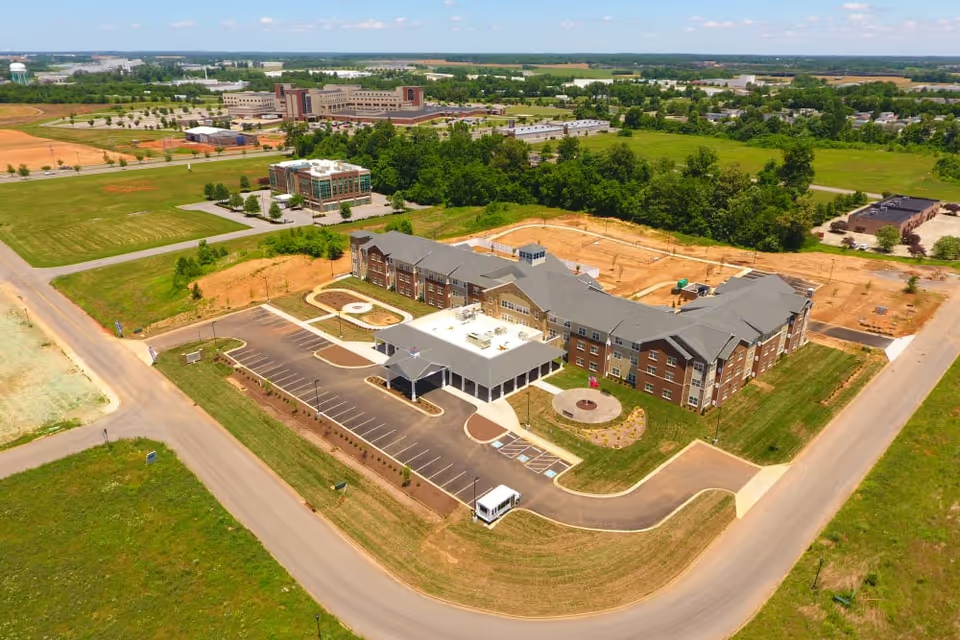
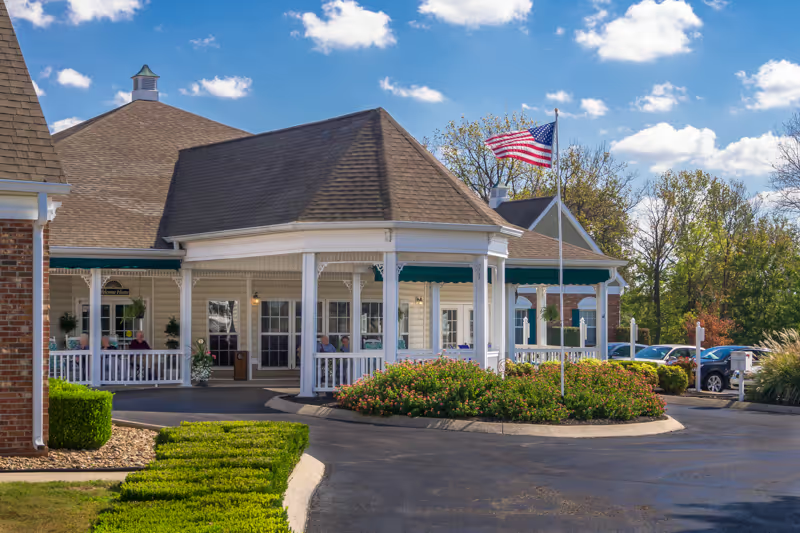
Holiday Uffelman Estates presents as an independent-living community with several clear strengths: a welcoming, social atmosphere; an active calendar of programs and outings; a restaurant-style dining room with three meals daily; and an array of on-site amenities such as a salon, library, game rooms, and multiple common areas. Many reviewers praised the staff's interpersonal warmth and helpfulness, the attractive atrium and dining spaces, and the availability of different apartment sizes (studio through two-bedroom). Weekly housekeeping, medication delivery, in-home therapy/physician visits, and transportation to appointments and shopping are offered features that support independent residents who need occasional services.
Care and staffing: The facility is oriented toward independent living rather than assisted- or skilled-care. There is little on-site clinical capability and no regular on-site nursing, so families should plan for external caregivers if higher-acuity assistance is needed. Staffing is frequently described as friendly and engaged, with staff who take time to interact with residents; however, multiple accounts point to notable staff turnover and periodic management changes. That instability has been associated with inconsistent operational follow-through, variable housekeeping performance, and uneven communication with families in some cases.
Dining: Dining is a focal point of the community experience — many reviewers liked the restaurant-style environment, the on-site chef, and the ability to order from a menu. At the same time, reviewers repeatedly raised operational concerns: intermittent shortages or substitutions, long waits for service, occasional cold or incomplete plates, and limited accommodation for some dietary restrictions. These items suggest that meal-service continuity and kitchen staffing have been inconsistent at times; prospective residents should clarify current kitchen staffing and menu policies during a visit.
Activities and social life: The community demonstrates strength in social programming. There is a robust schedule of daily and weekly activities (chair yoga, bingo, trivia, music performances, field trips), frequent resident events in the atrium, and organized transportation for shopping and local trips. Reviewers describe a family-like culture where residents socialize and staff facilitate gatherings. This is one of the facility’s consistent selling points for independent-living seekers.
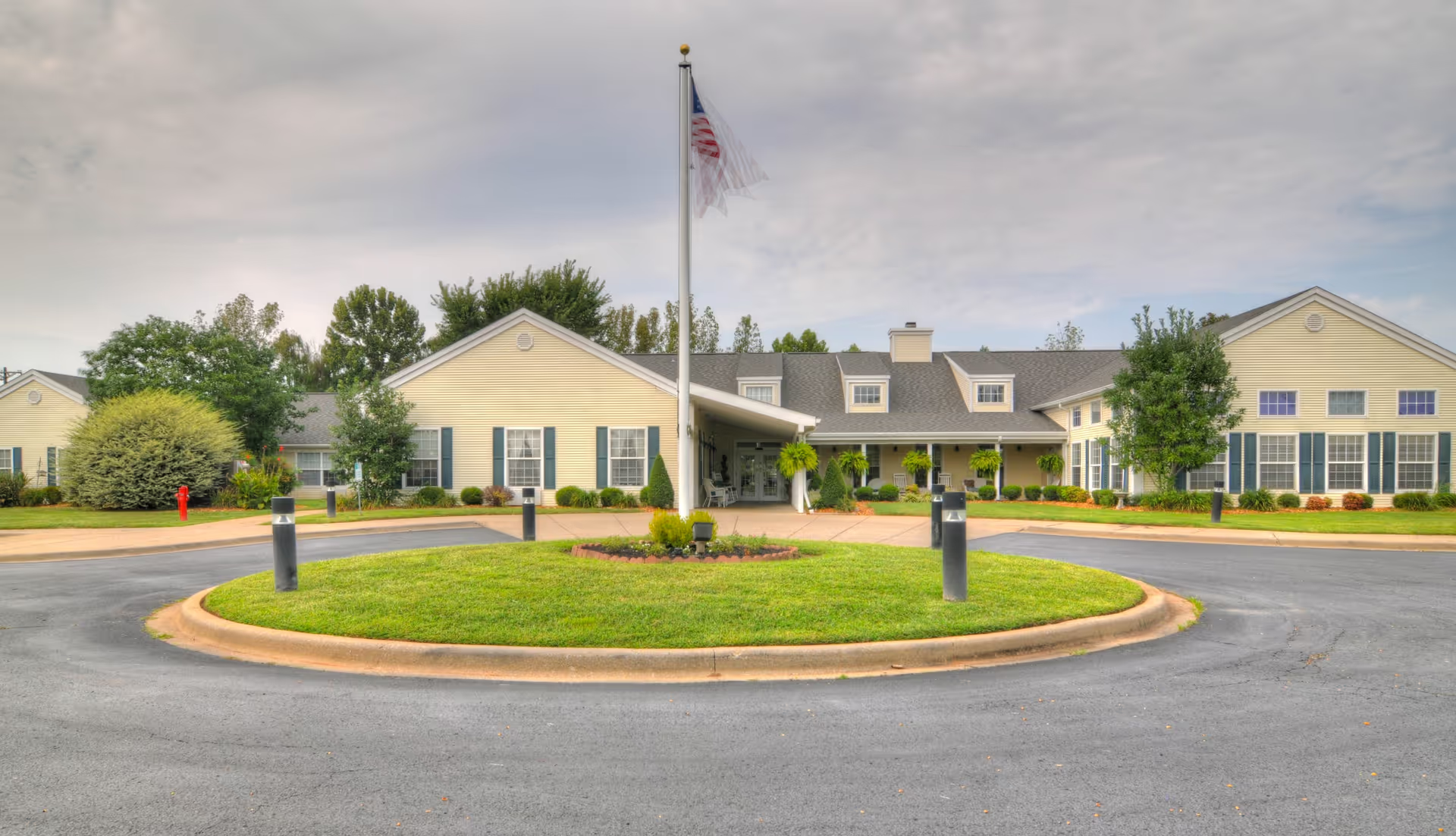
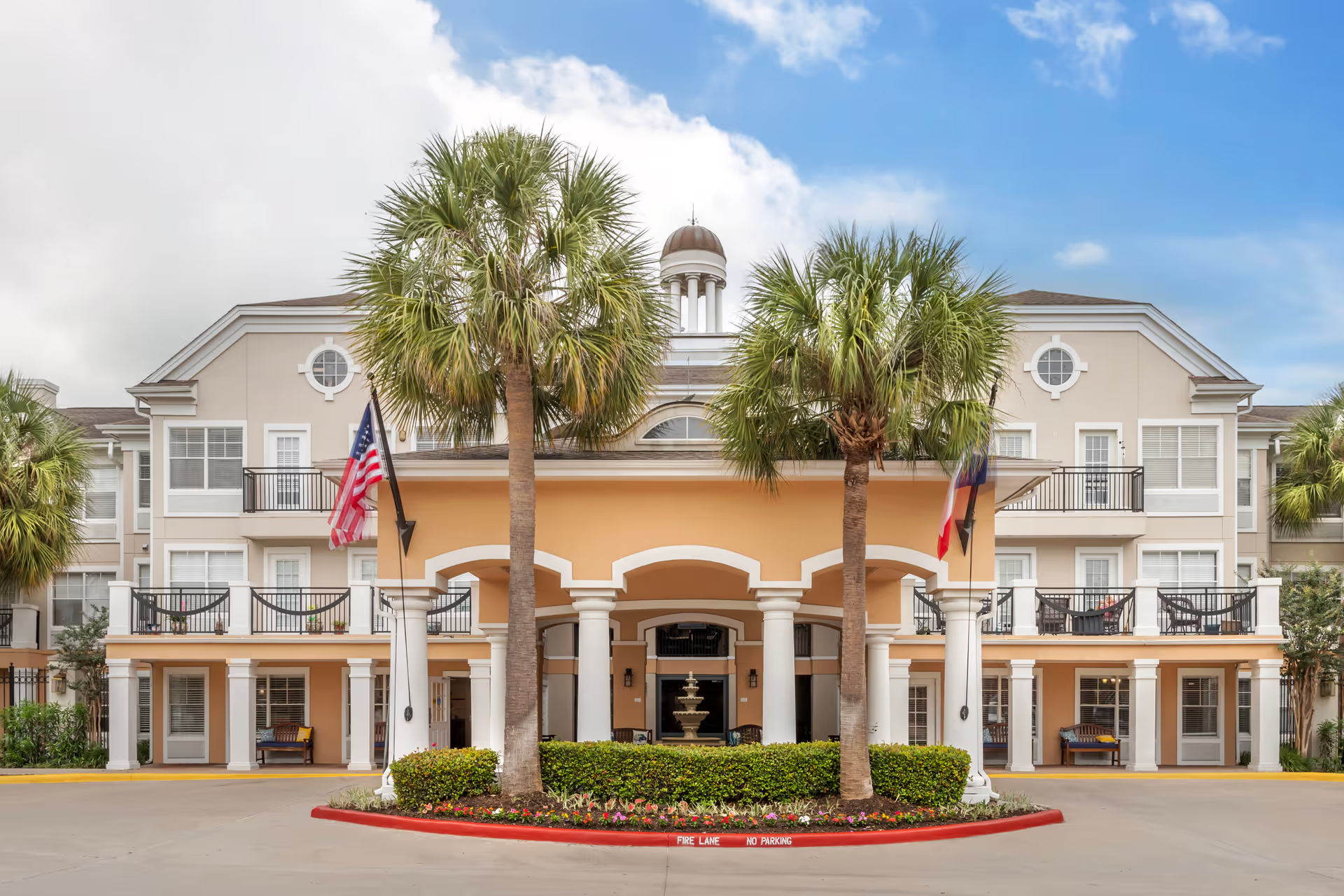
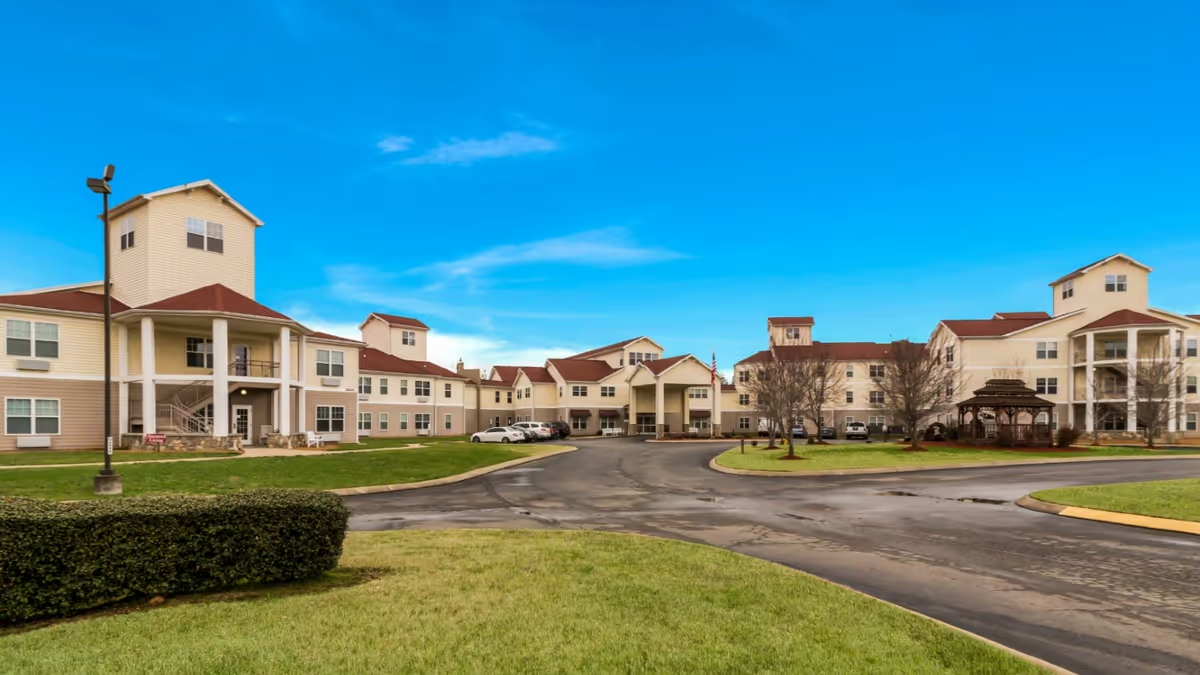
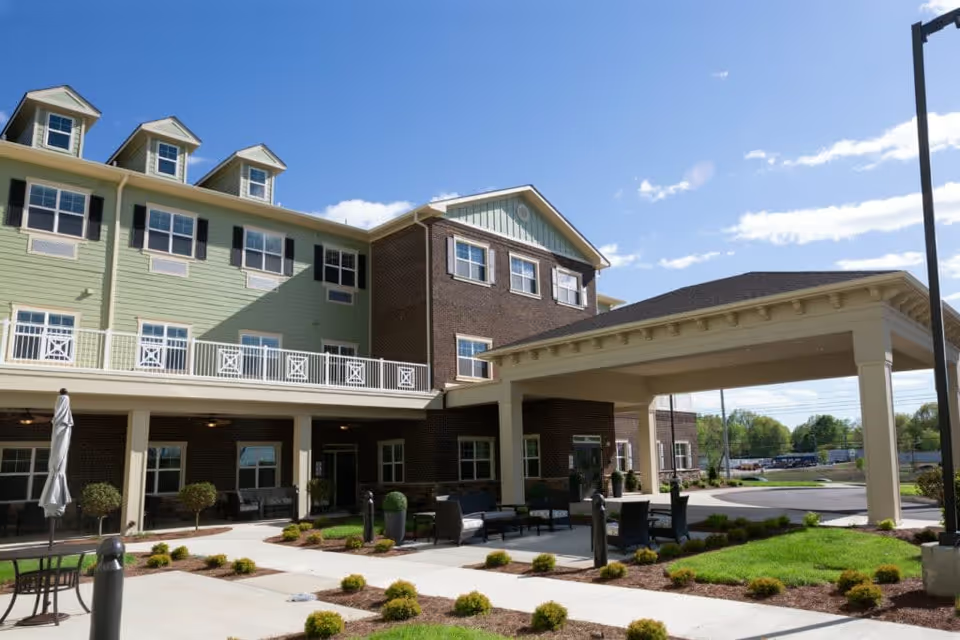
Facilities and accessibility: Physically, the property mixes attractive, renovated public spaces and an older building shell. The dining room, atrium, and common areas are often described as clean and well-maintained; ongoing refurbishments are in progress in some areas. Apartments vary in size and layout; many units are hotel-like with limited in-apartment kitchen facilities (fridge and microwave only) and without in-unit washers/dryers. Building accessibility is generally good (elevators, wide halls), but reviewers noted only a single elevator shaft in places and occasional limitations for residents requiring wheelchair transport.
Management and operations: Reviewers provided mixed impressions of leadership. Positive comments cite knowledgeable, accommodating front-desk staff and helpful move-in assistance. Concerns cluster around management responsiveness, confusing contract or lease language, restrictive move-out policies, unexpected extra fees, and intermittent maintenance backlogs. Transportation reliability (van breakdowns or limited proactive scheduling) and occasional pest-control or cleanliness issues in individual units were also raised as operational shortcomings.
Notable patterns and guidance: Overall impressions split between residents and families who feel the community is warm, active, and well suited to independent living, and others who experienced operational inconsistencies—particularly around meal service, maintenance, transportation, and management continuity. Prospective residents should confirm current staffing levels, ask for written details on contracts and extra fees, inspect specific unit conditions (including pest-control history), and verify transportation reliability and clinical-coverage expectations before committing. For those who require ongoing nursing or frequent hands-on care, the facility’s model requires arranging outside aides rather than relying on in-house assisted-care services.