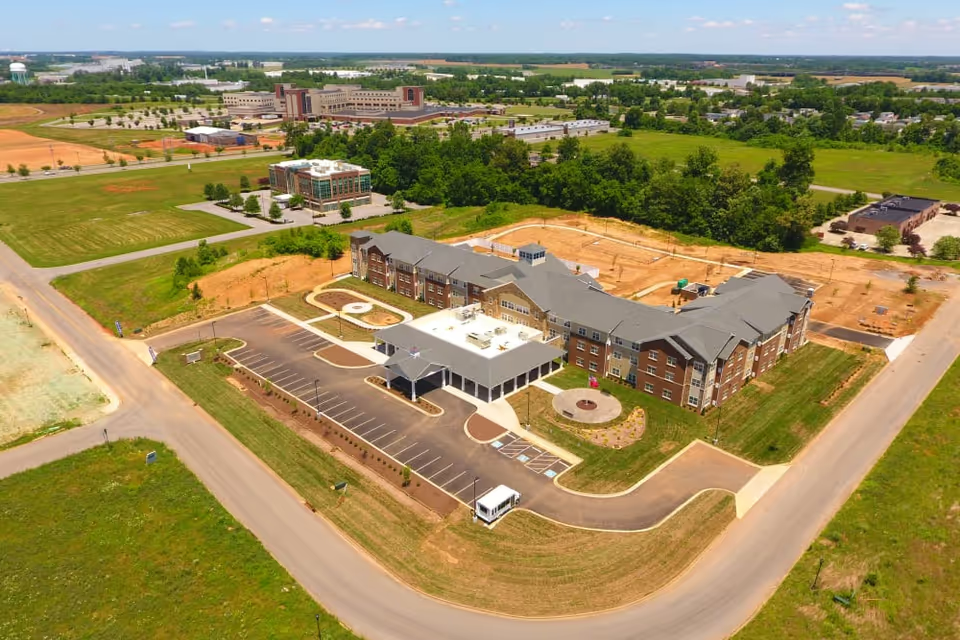
Brookdale Clarksville presents as a memory‑care–oriented community with many families praising its compassionate staff, 24/7 clinical presence, and structured dementia programming. Multiple accounts emphasize long‑tenured caregivers, hands‑on nursing availability, and staff who communicate proactively with families. For prospective residents who require specialized memory care, the facility’s emphasis on training, activity programming, and secure units is frequently described as a strength.
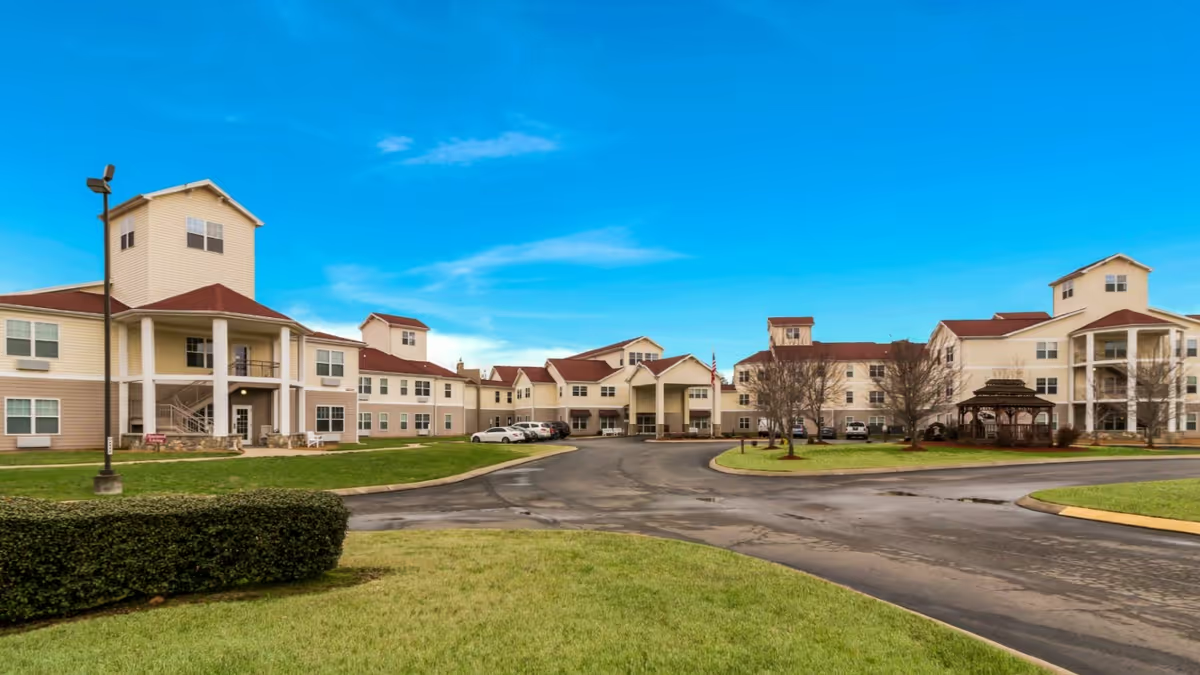
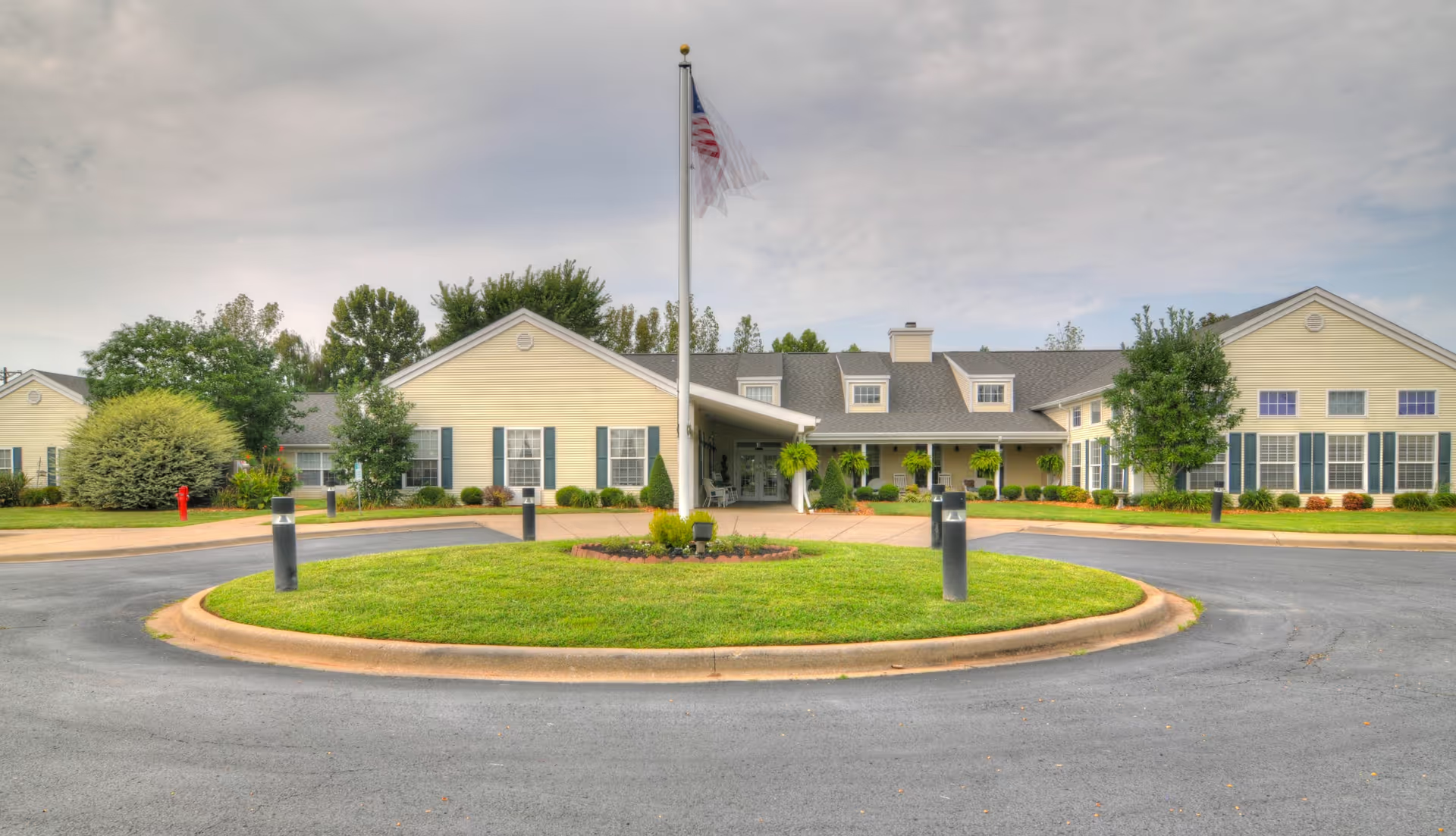
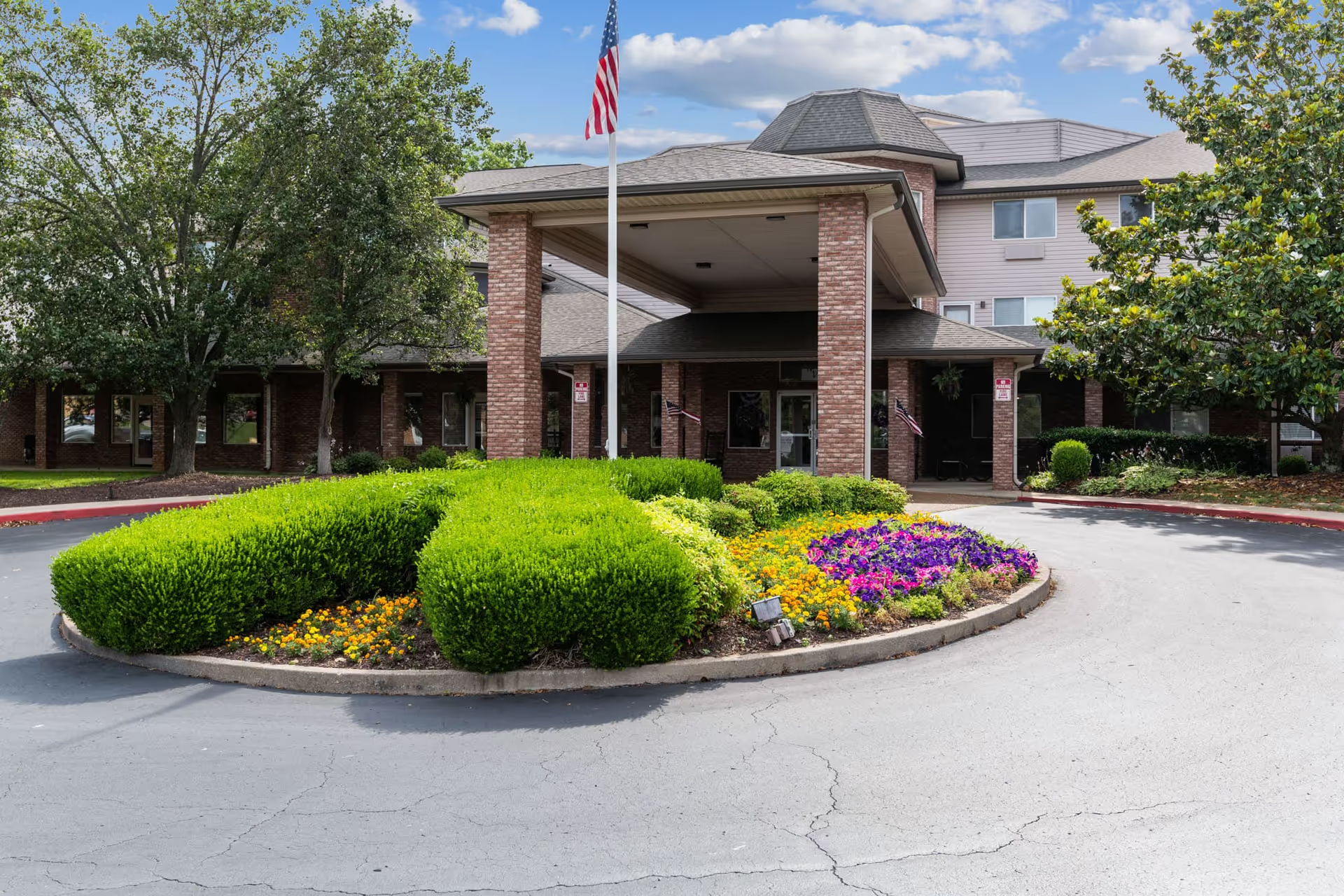
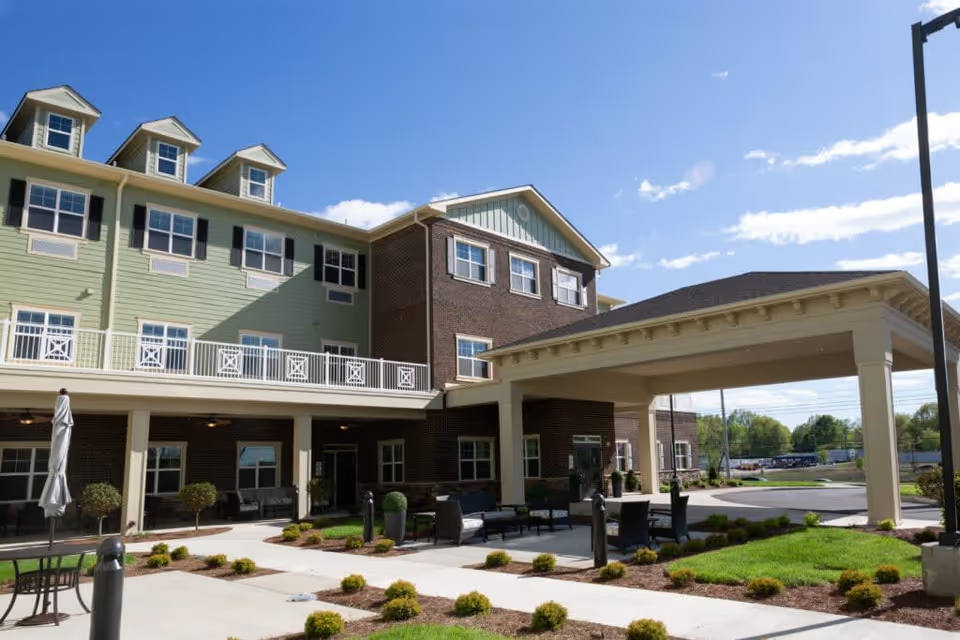
Activity life and amenities are consistently highlighted as positive aspects. Reviewers mention daily group activities (music programs, games, movie nights, ice‑cream socials), an engaged activities director, outings, and on‑site services such as a salon and beauty/barber shop. The property is described as clean and well maintained, with an enclosed courtyard and outdoor walking areas that support resident engagement and fresh‑air time. Apartment‑style rooms, accessible bathing options including a spa tub, and family‑style dining areas contribute to a residential, home‑like environment.
Dining and nutrition receive mixed comments. Several families note improved nutrition, healthier meals, and accommodating staff, while others describe inconsistent meal appeal and individual food preferences not always met. Likewise, dining spaces and family‑dining options are viewed positively, but prospective families should assess menu variety and portioning during a visit if culinary fit is important.
Despite many positive remarks, there are recurring operational concerns to consider. Staffing patterns and turnover are described as inconsistent, and some accounts indicate periods of understaffing or stressed staff that affected responsiveness. There are indications of infection‑control and outbreak management gaps and, in isolated but serious instances, allegations of staff theft and privacy breaches; these raise questions about personnel oversight and incident disclosure practices. Financial transparency is another theme: reviewers cite nontransparent ancillary charges (medication administration fees and other extras) and notable rate increases after the first year, making cost comparisons important.
Practical limitations include relatively small resident rooms, limited in‑unit kitchenette amenities and storage, and constrained availability for short‑term or respite stays. A number of families also observed that the community’s strong dementia focus may make it less suitable for residents who are earlier in the cognitive‑impairment trajectory or who seek a broader independent‑living environment.
In summary, Brookdale Clarksville offers a robust memory‑care model with engaged programming, a family‑oriented culture, and generally positive cleanliness and amenities. At the same time, prospective residents and families should explicitly evaluate staffing stability, infection‑control procedures, property‑ and privacy‑security safeguards, fee structures, and room/layout suitability during a tour. Asking for recent staffing metrics, infection‑control policies, a sample fee schedule, and references from current families can help clarify whether the community is the right operational and financial fit.