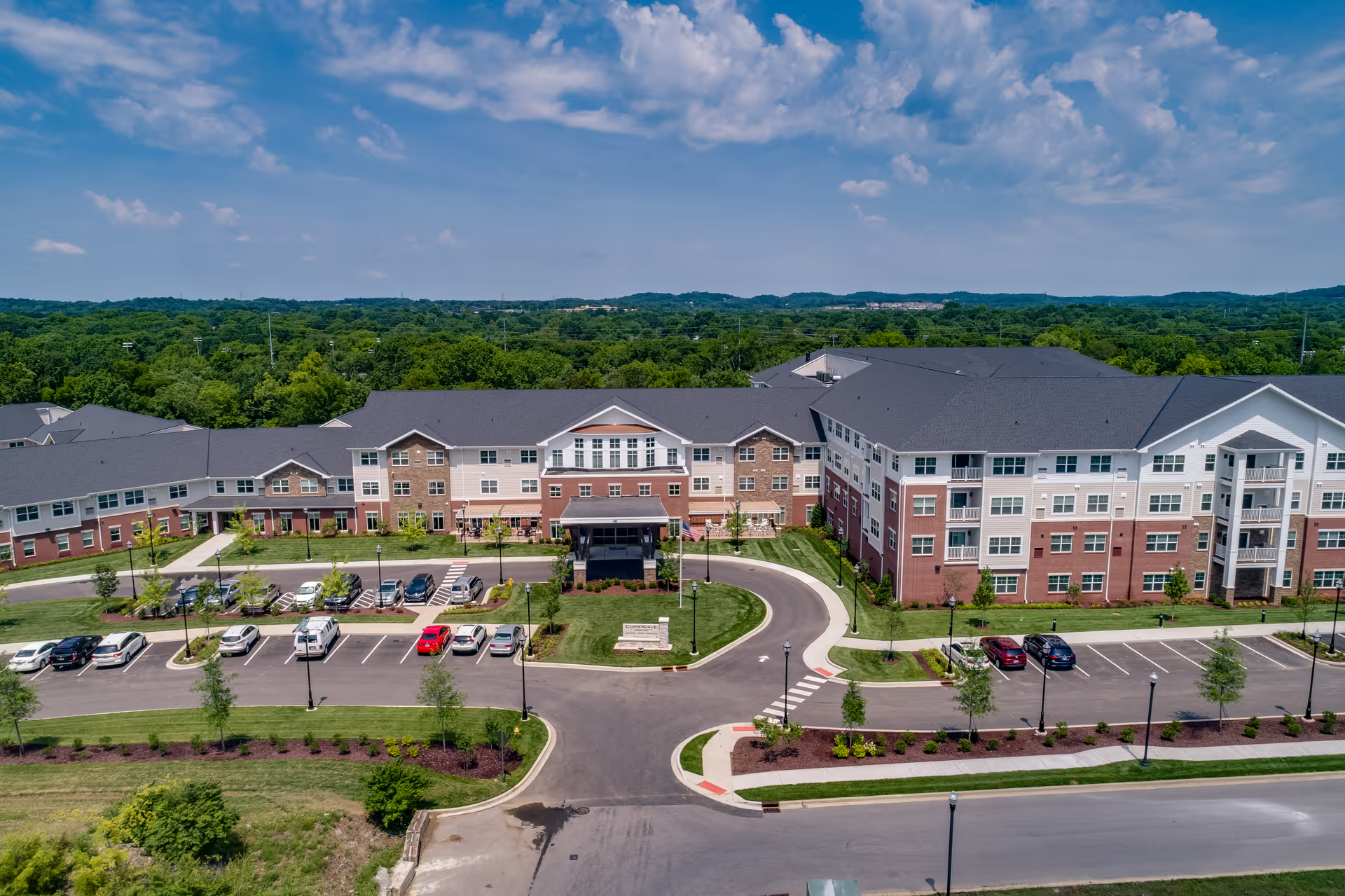
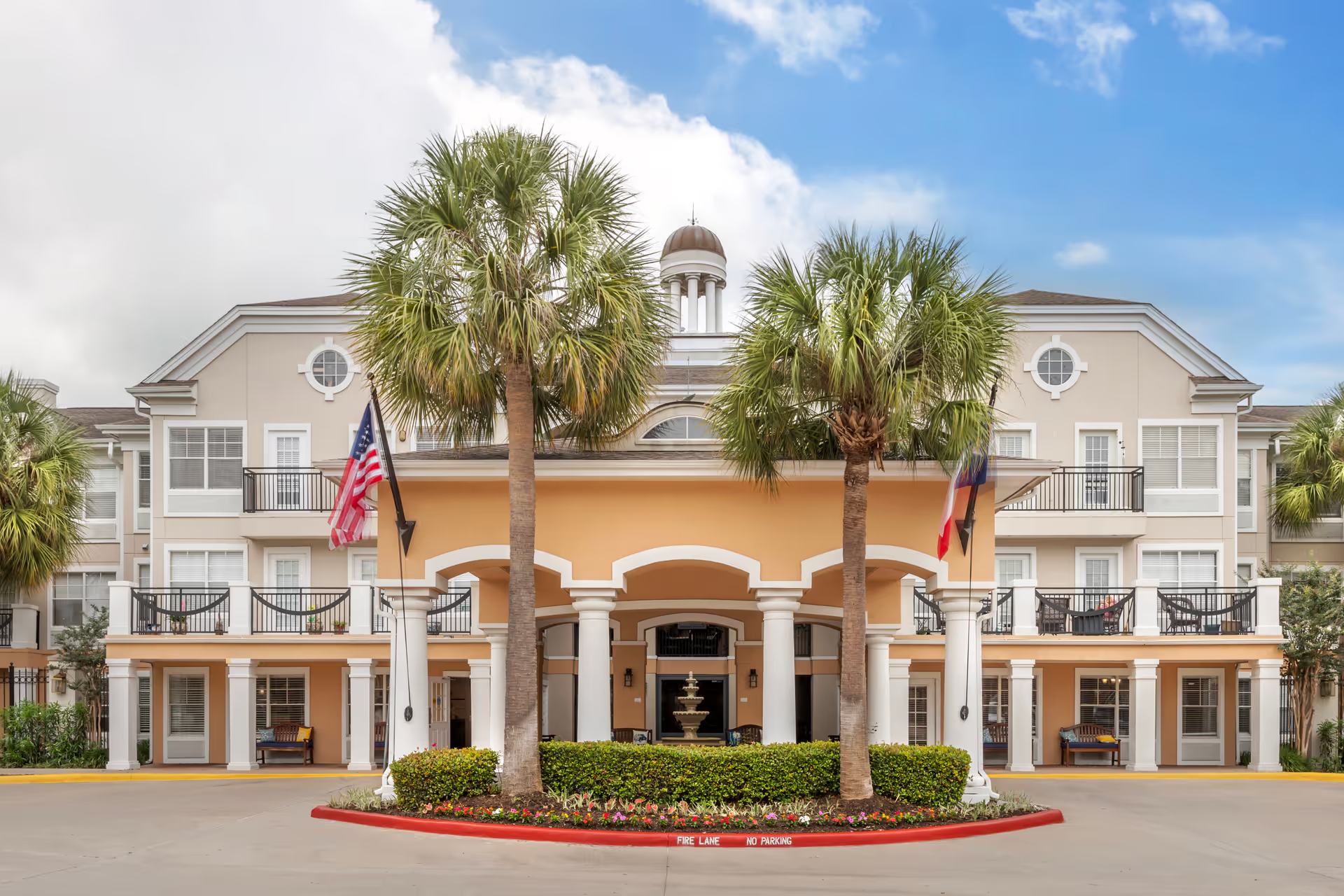
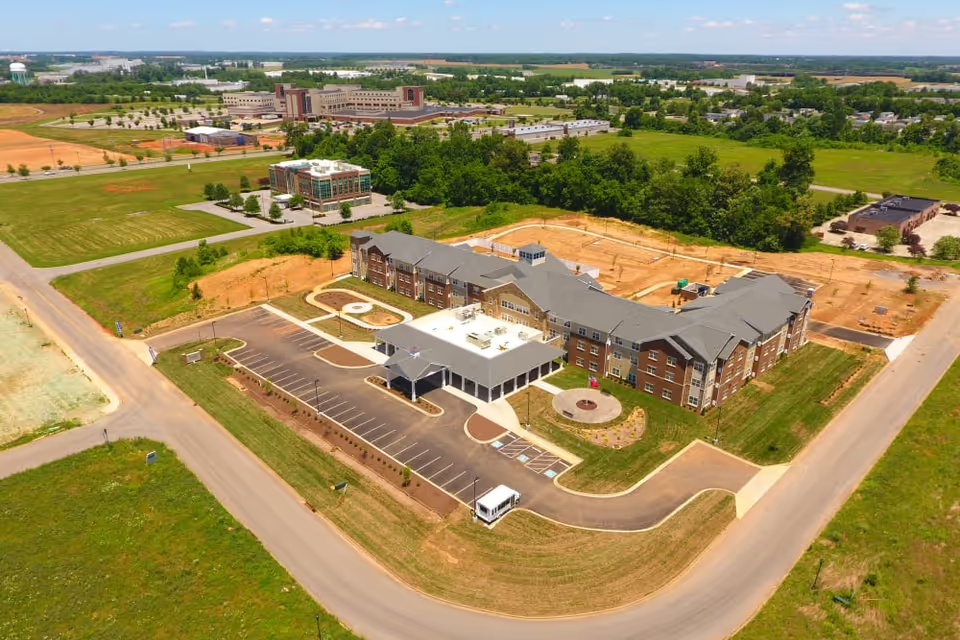
Overall impression: Reviews give a predominantly positive view of the community, with frequent emphasis on caring, respectful staff and a family-like culture. Clinical care and medication management are repeatedly described as attentive and effective, and families note measurable improvements in residents' health and spirit. Administrative leadership is characterized as proactive and organized, with clear infection-control practices and vaccination policies that contribute to a sense of safety.
Care and staff: The strongest recurring theme is the quality of staff interaction. Nursing, caregiving, housekeeping and maintenance teams are described as compassionate, patient, and engaged — staff know residents by name, personalize rooms with familiar items, and participate in social programming. On-site clinical resources (nurse practitioners, podiatry, salon services) and coordinated care practices support both short-term rehabilitation and longer-term assisted/independent living needs. At the same time, reviewers point to staffing shortages and turnover among techs and nurses as an operational stressor that can produce intermittent service delays.
Dining and nutrition: Dining is a mixed area. Several comments praise balanced menus, dietitian oversight, homemade-style options, and restaurant-style presentations with multiple selections. Others describe the food as pedestrian or inconsistent in appeal. Nutrition oversight and menu planning are in place, but perceived variability in meal quality and preference satisfaction emerges as a recurring concern.
Activities and social life: Activity programming is a clear strength. The community offers a broad schedule — games, music, singing, crafts, trivia, book clubs, movies, group exercise, and holiday events — often led by an engaged social director. These programs are credited with improving residents' mood and social connections. One persistent suggestion is for more off-site field trips and wider variety in certain activity offerings to further diversify engagement options.
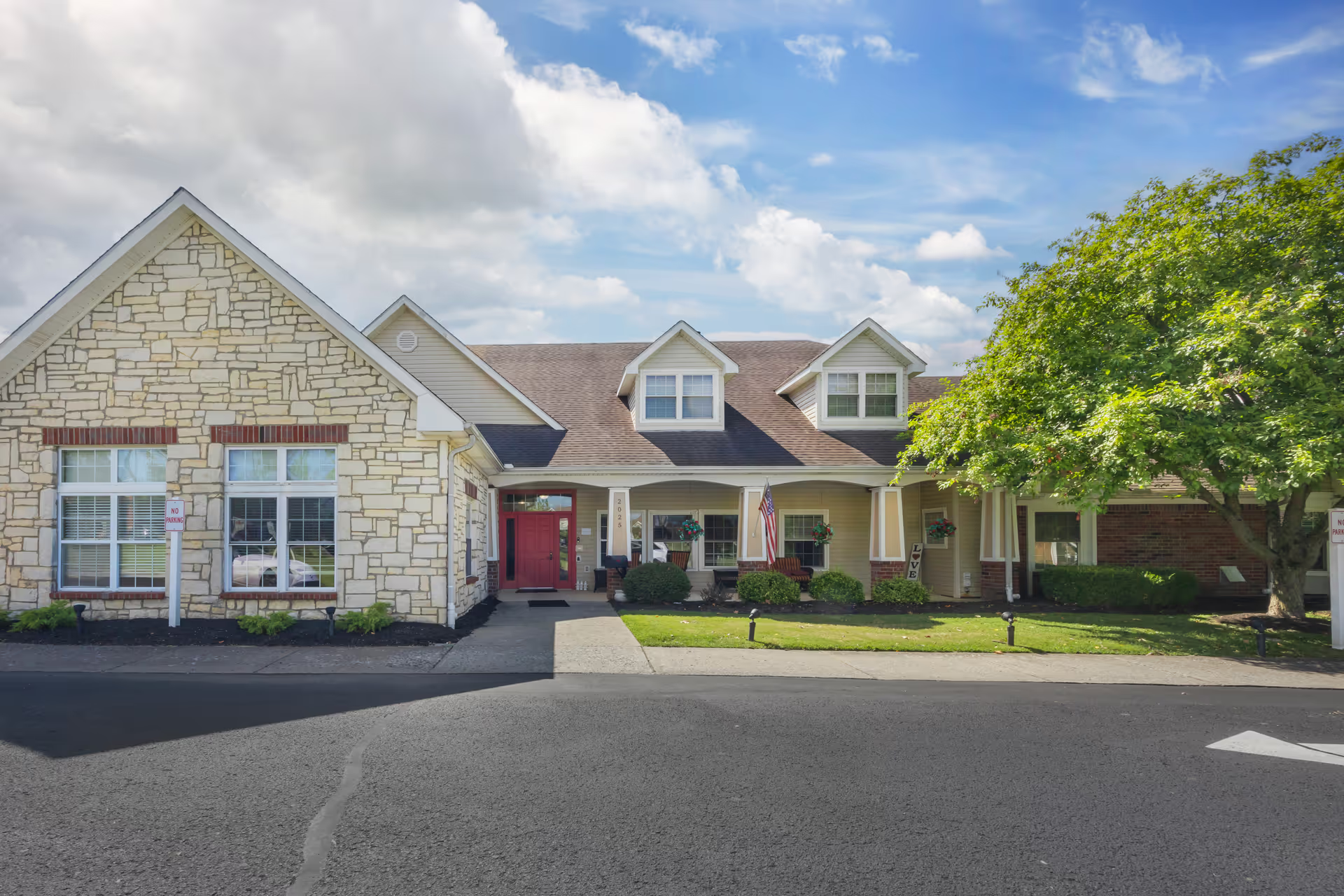
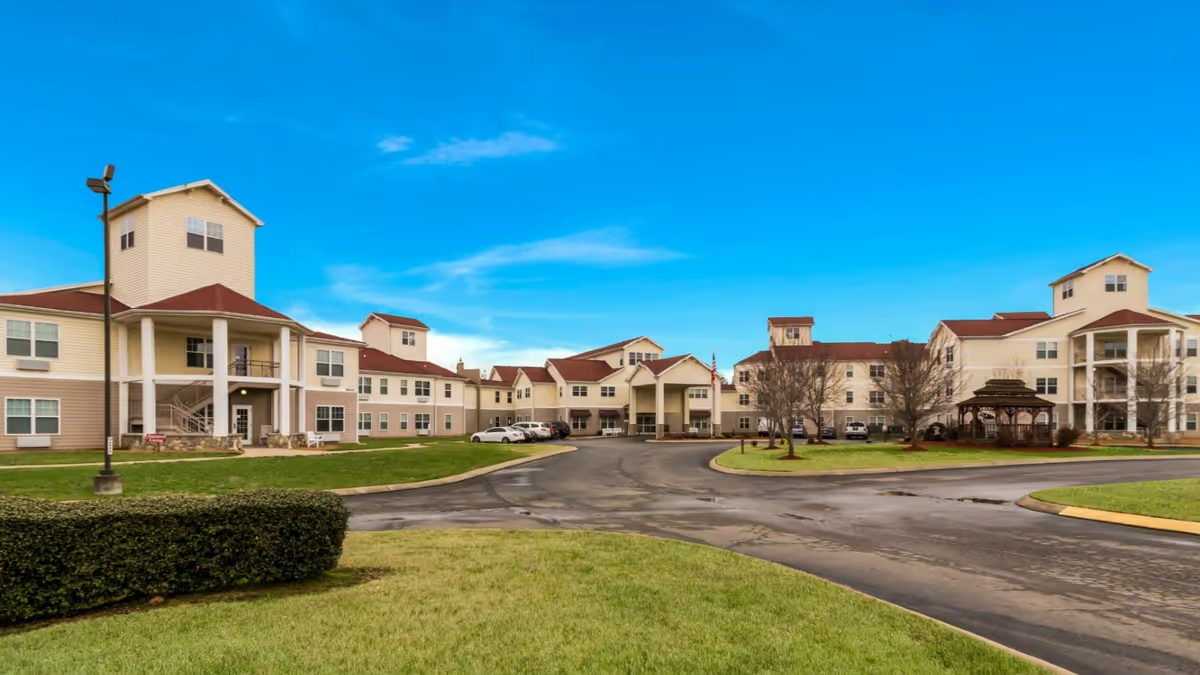
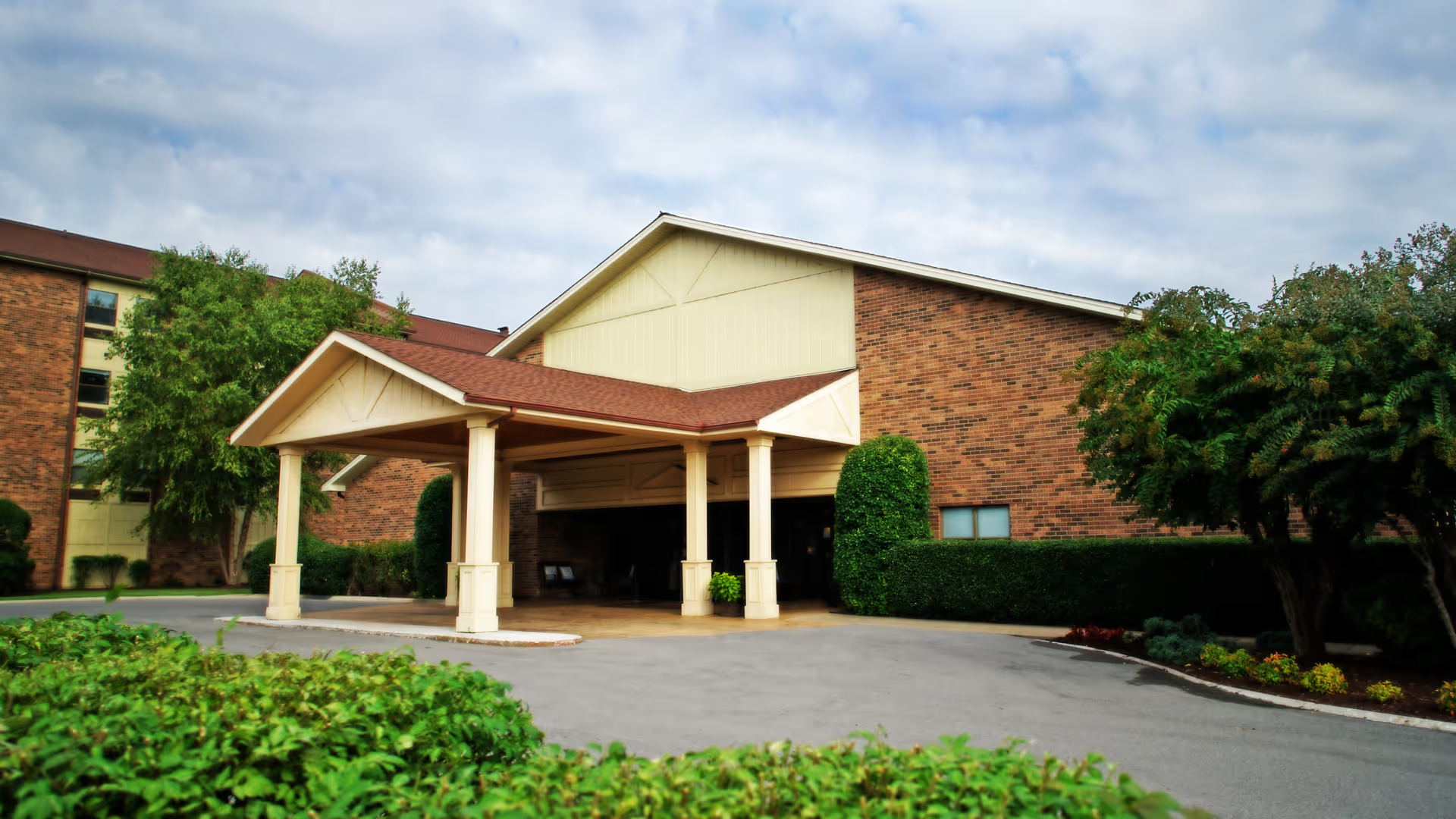
Facilities and operations: Physical plant and housekeeping receive favorable comments for cleanliness, maintenance responsiveness, and ongoing remodeling projects. However, some units are described as older with smaller rooms and limited in-room amenities (for example, lack of microwaves or refrigerators in certain apartments). A few reviewers mention limited outdoor space and occasional supply stockouts or short-term operational disruptions that reflect resource constraints.
Management and communication: Administration is generally portrayed as communicative and supportive; families describe clear coordination during admissions, transitions, and infection-control events. Nonetheless, there is variability in day-to-day family communication and occasional lapses in responsiveness. Cost is another operational theme — annual pricing increases and the perception of rising costs have raised questions about value for some families.
Conclusion and notable patterns: The dominant pattern in these reviews is strong interpersonal care and an active social environment that many families find reassuring. Operational weaknesses cluster around staffing stability, occasional logistical shortfalls, inconsistent dining satisfaction, and limitations in older units. Prospective residents and families who prioritize warm staff interactions, structured activities, and coordinated clinical services are likely to find this community favorable; those for whom dining variety, larger in-room amenities, or frequent off-campus programming are primary concerns should probe those areas during a tour and discuss current staffing and pricing practices with administration.