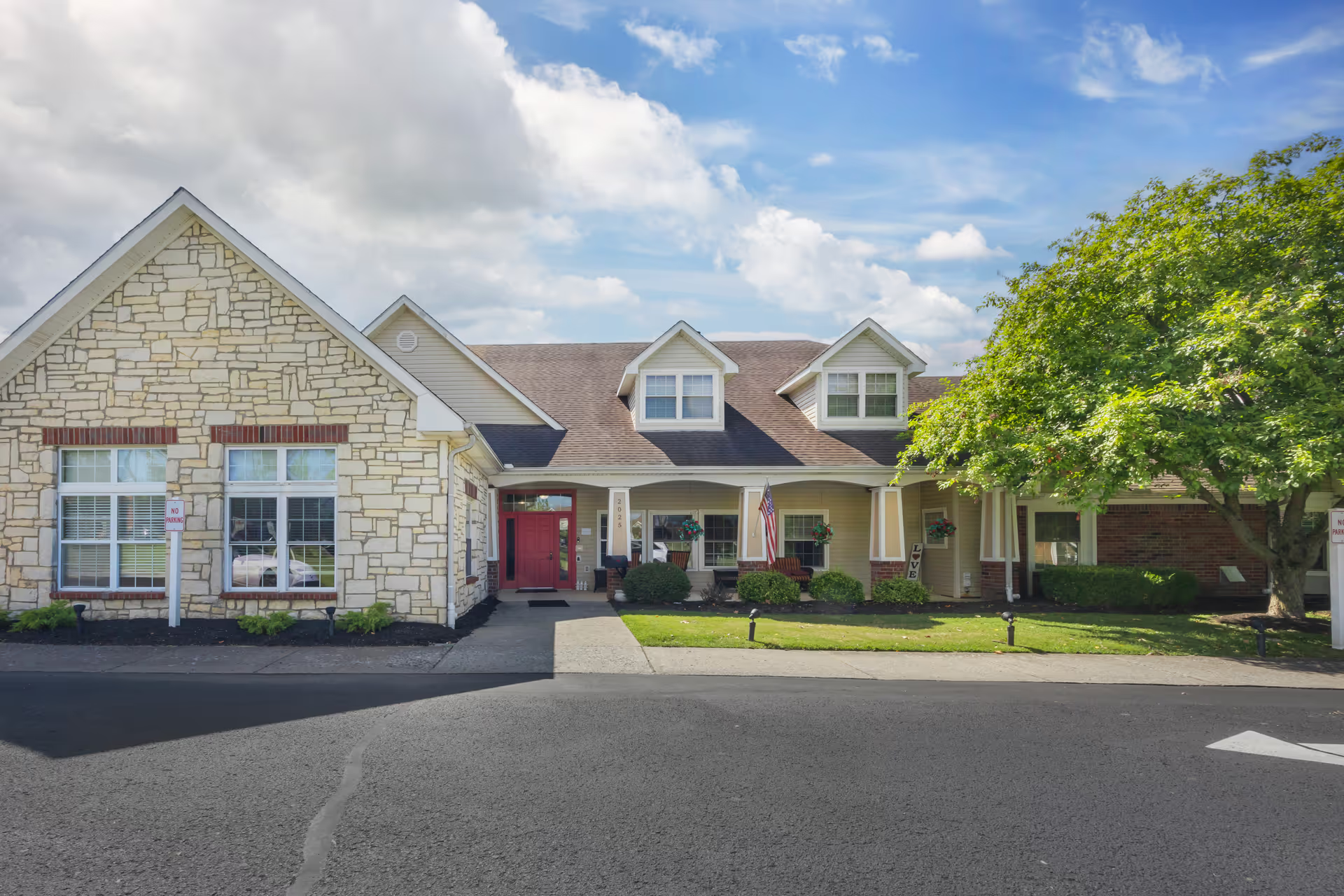
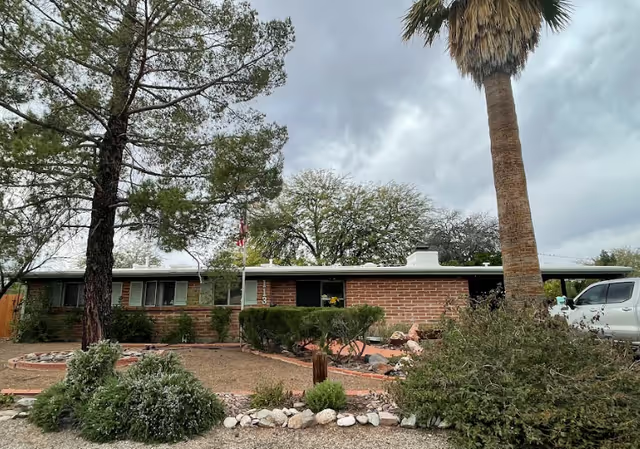
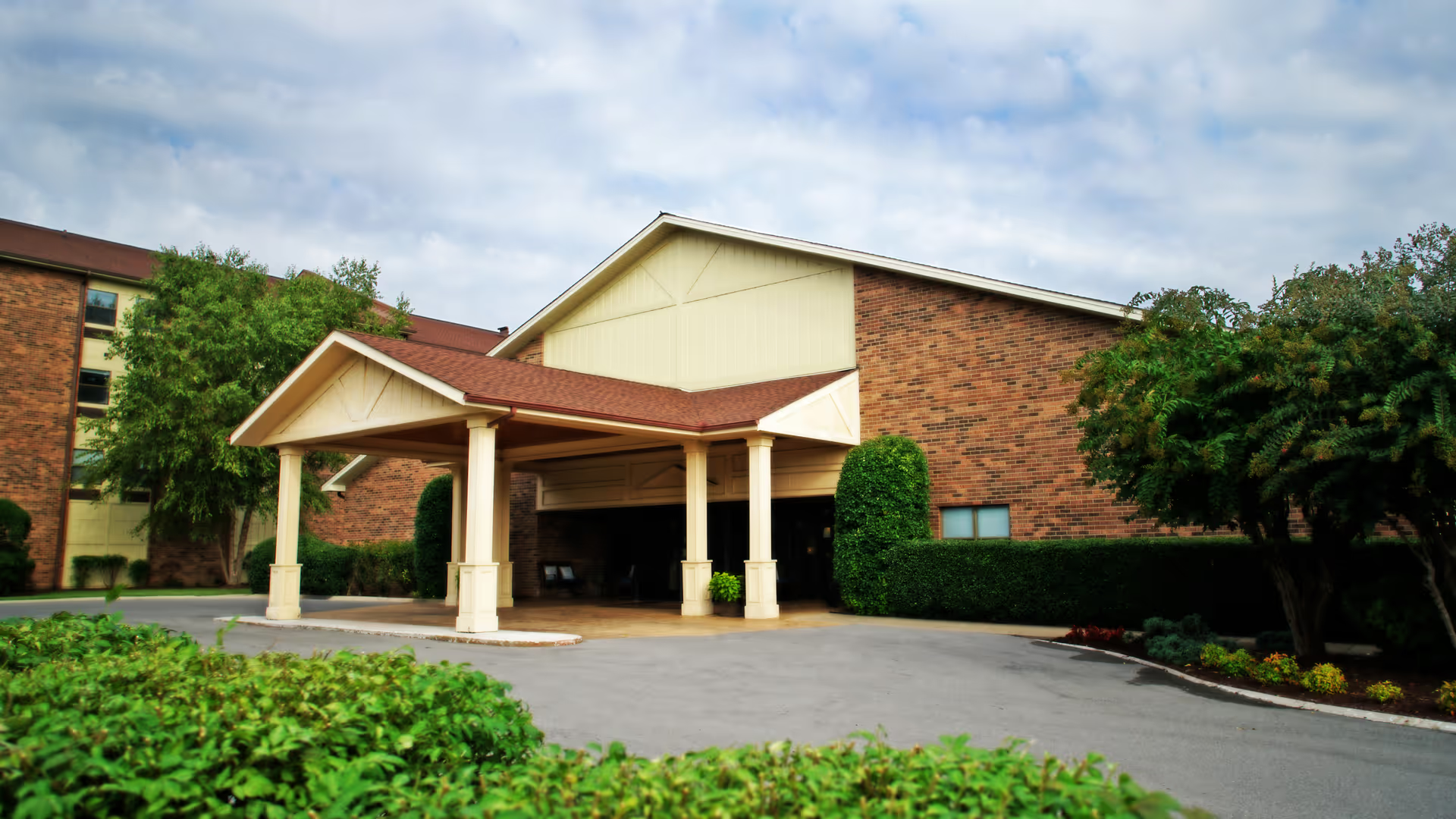
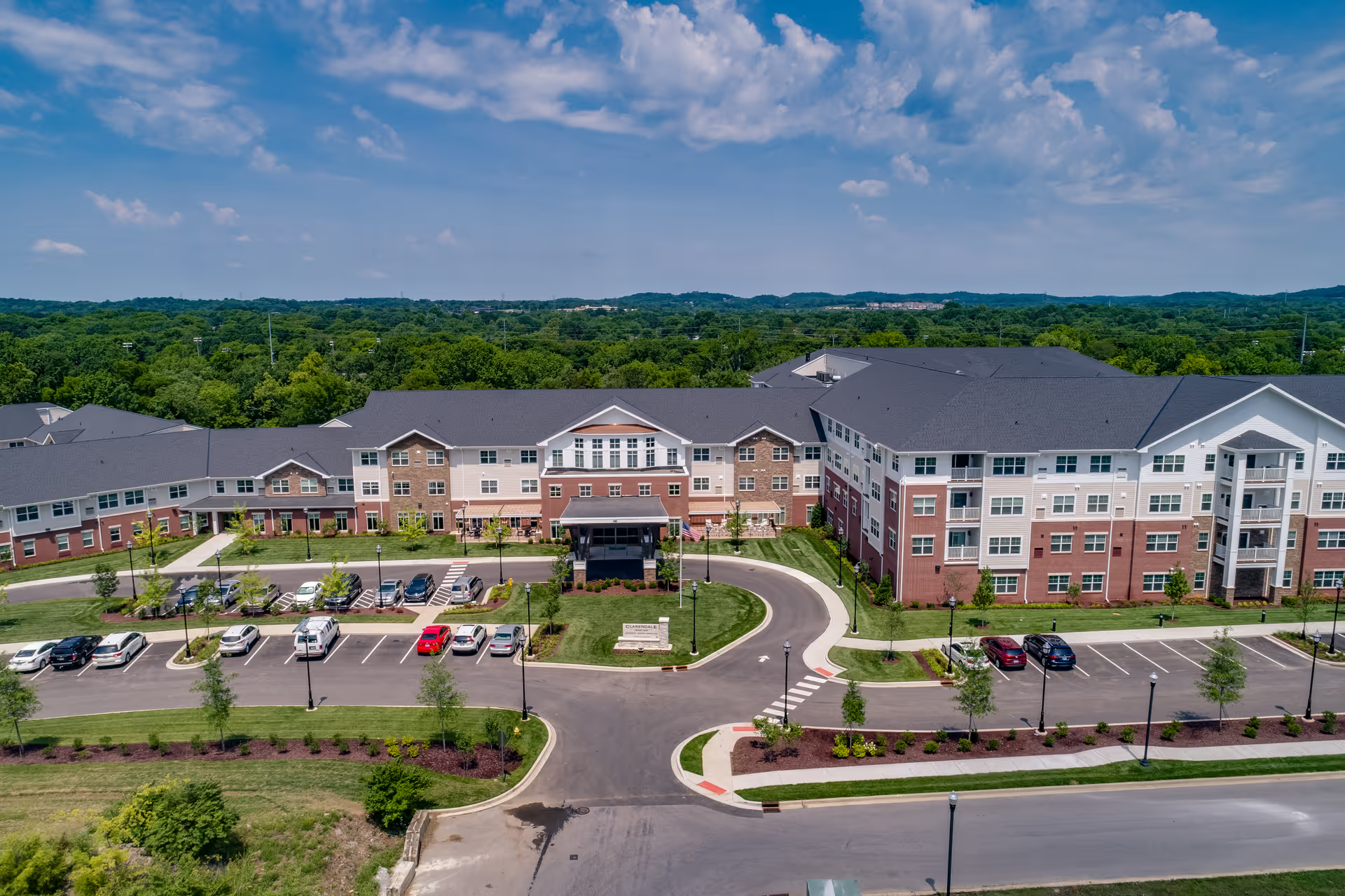
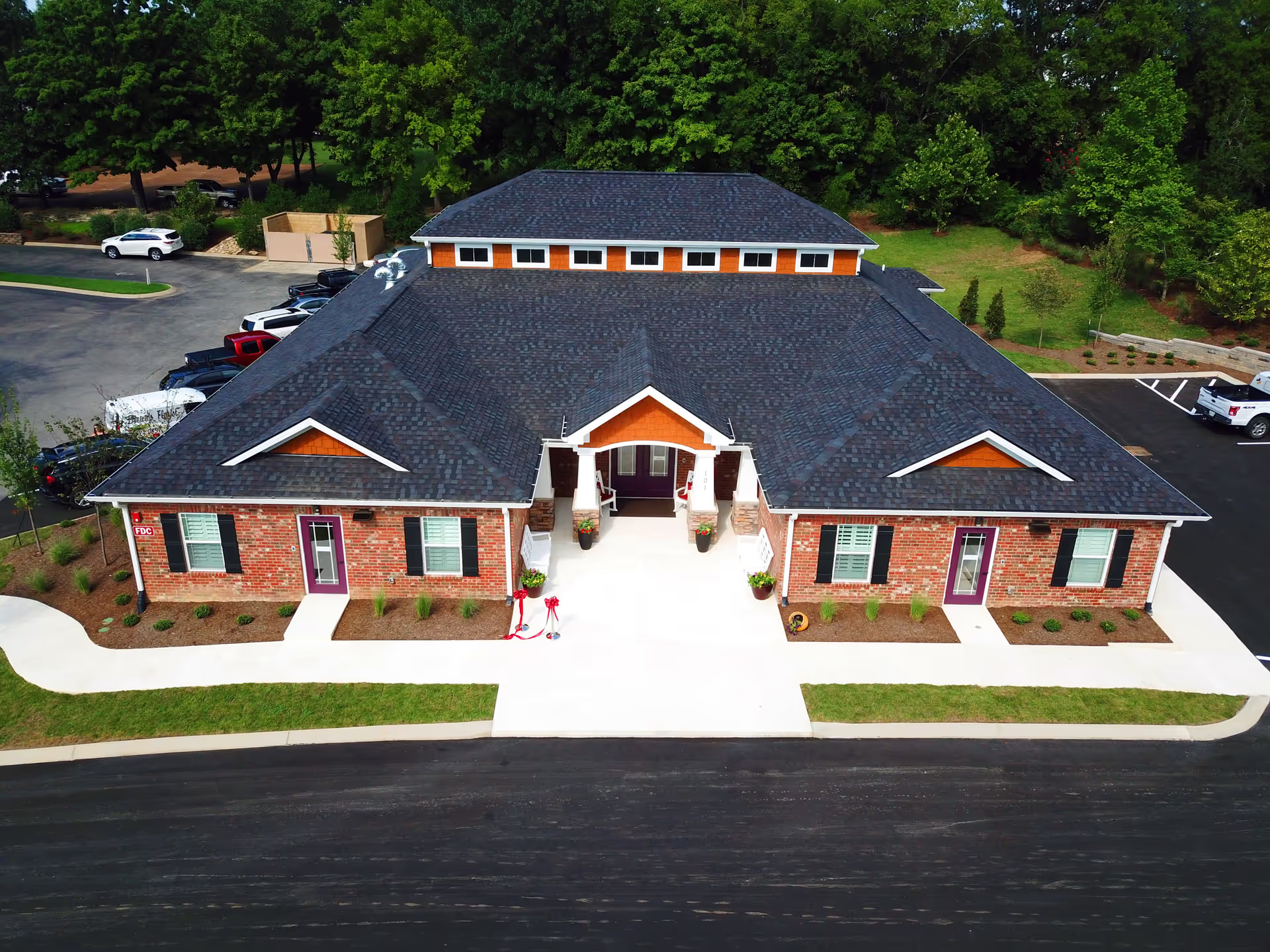
Springfield Heights presents a mixed but generally supportive picture. Many families describe a facility with a favorable staff-to-resident ratio, accessible nursing presence, and a caregiving team that several reviewers called compassionate and attentive. Rooms and common areas are consistently described as clean and home-like, with furnishings and dining spaces that contribute to a residential atmosphere. Admission and transition assistance — including clinical follow-up from nurses and help from office staff — is frequently cited as helpful.
Clinical care and staffing are strengths in several accounts: reviewers note 24/7 nursing availability, clinicians who identify medical issues, and staff members who go out of their way to assist residents. At the same time, a pattern of uneven care quality appears in other comments. Some families report a decline in care or inconsistent responsiveness, and there are specific concerns about staff conduct and the tone of communication. These operational concerns are linked in some reviews to staff turnover and management decisions that have affected morale or continuity.
Dining feedback is polarized. Multiple reviewers praise varied menus, an engaged chef, and generally well-prepared meals with choice options. Conversely, other accounts describe repetitive or subpar meal execution and limited variety on some days. This divergence suggests variability in kitchen performance and meal-service consistency rather than a single uniform standard. There is also a practical dining-policy concern raised by reviewers about restrictions on seating arrangements, which can affect residents’ social experience at meals.
Activity programming is generally presented as a positive element of life at Springfield Heights. Organized events such as seasonal crafts, games, bingo, and church services, along with transportation to activities and an on-site salon, are mentioned as contributing to engagement and social connection. Reviewers praise the activity director, though a noted operational issue is the shared activity staffing between assisted living and memory care during transitions; this may dilute dedicated programming for memory-care residents at times.
Management and administration are the most mixed area in the reviews. While front-line clinical and caregiving staff often receive favorable comments, several reviewers express concerns about administrative professionalism, staffing decisions, and recent terminations or role changes. These management issues are described as affecting staff morale and sometimes the consistency of care. Prospective families should consider asking about current leadership, turnover rates, and how transitions are handled.
Overall, Springfield Heights offers many of the core elements families look for — attentive caregivers, clinical oversight, a clean environment, active programming, and affordable pricing — but reviewers also point to variability in care consistency, meal-quality execution, and leadership stability. For prospective residents and family members, an in-person visit during mealtime and an activities session, targeted questions about recent turnover and administrative changes, and conversations with current families would help clarify how the facility’s strengths are being sustained and where operational risks may remain.