The Highlands of Memphis Health & Rehabilitation elicits a strongly mixed set of experiences. Many families and residents praise the facility for compassionate caregiving, skilled therapy services, and a clean, bright environment with engaging activities. At the same time a number of reviews describe operational weaknesses that affect day‑to‑day care and family confidence. The overall pattern is one of pronounced variability: some residents receive attentive, professional care and meaningful rehabilitation progress, while others encounter delays and communication breakdowns.
Care quality and clinical services are a notable strength for many reviewers. Physical and occupational therapy are repeatedly identified as effective, with several families attributing measurable improvement to the therapy program. Nursing and CNA teams are described by many as respectful and attentive, and some staff members and leaders receive specific praise for compassionate, resident-focused care. Conversely, other accounts describe delays in attending to resident needs, concerns about timeliness of bathroom and hygiene assistance, and variability in the facility’s focus on individualized rehabilitation plans.
Staffing and communication show a clear divide. Positive comments emphasize polite, knowledgeable, and helpful staff, multilingual and culturally inclusive personnel, and visible administrative involvement. Negative comments cluster around inconsistent responsiveness to call lights, perceived understaffing (notably on weekends), instances of abrupt or poor communication with families, and uneven follow-up from management when concerns are raised. These patterns point to staffing and supervisory variability rather than uniformly consistent performance.
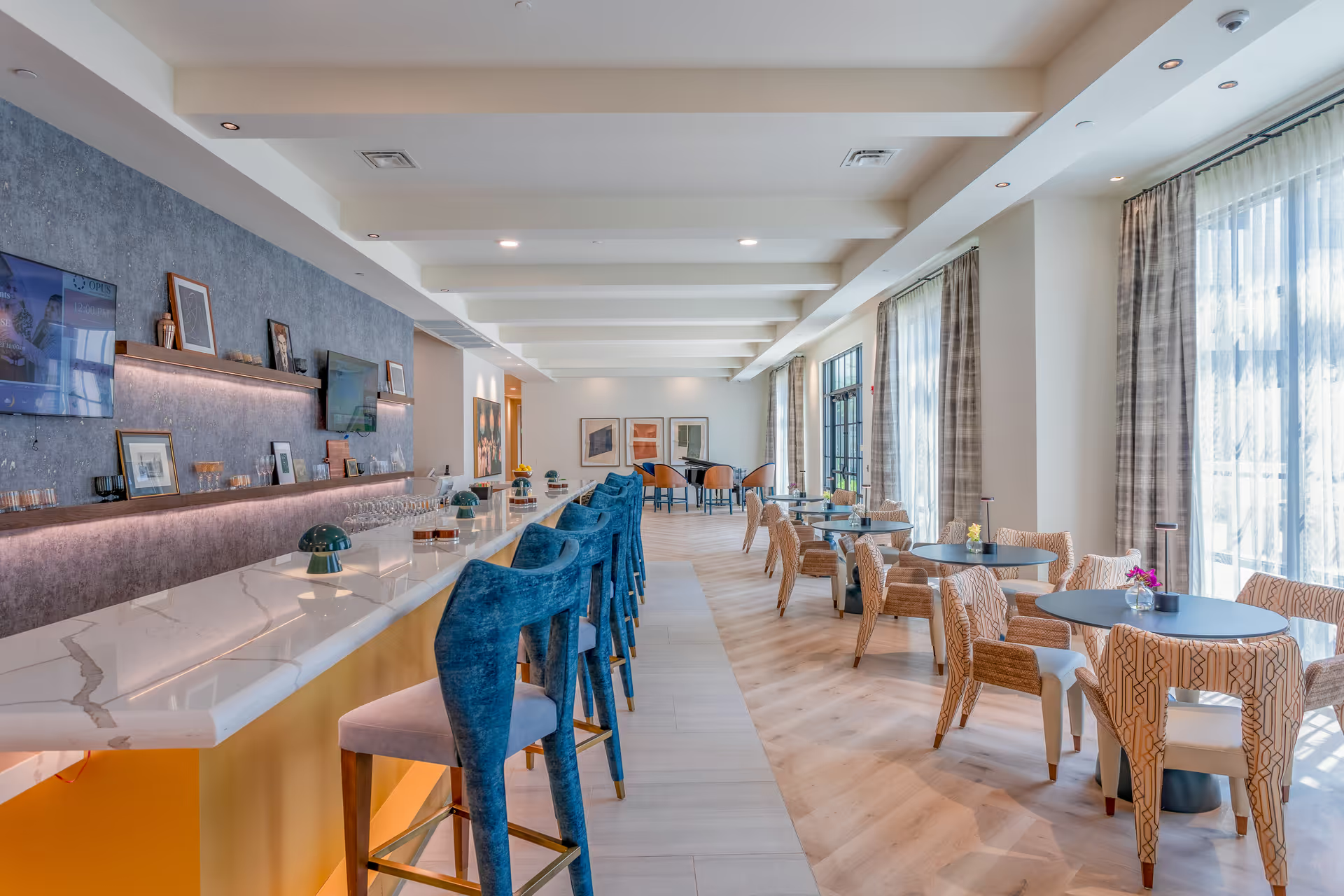
Dining and activities receive mixed evaluations. The facility offers a range of social programs — bingo, movie nights, picnics, musical events and occasional live bands — and many residents report an active, pleasant social environment. The dining area and meal accommodations are appreciated by some families for variety and atmosphere. However, other families describe inconsistent meal timing and quality, delivery delays, and service lapses that affect mealtimes.
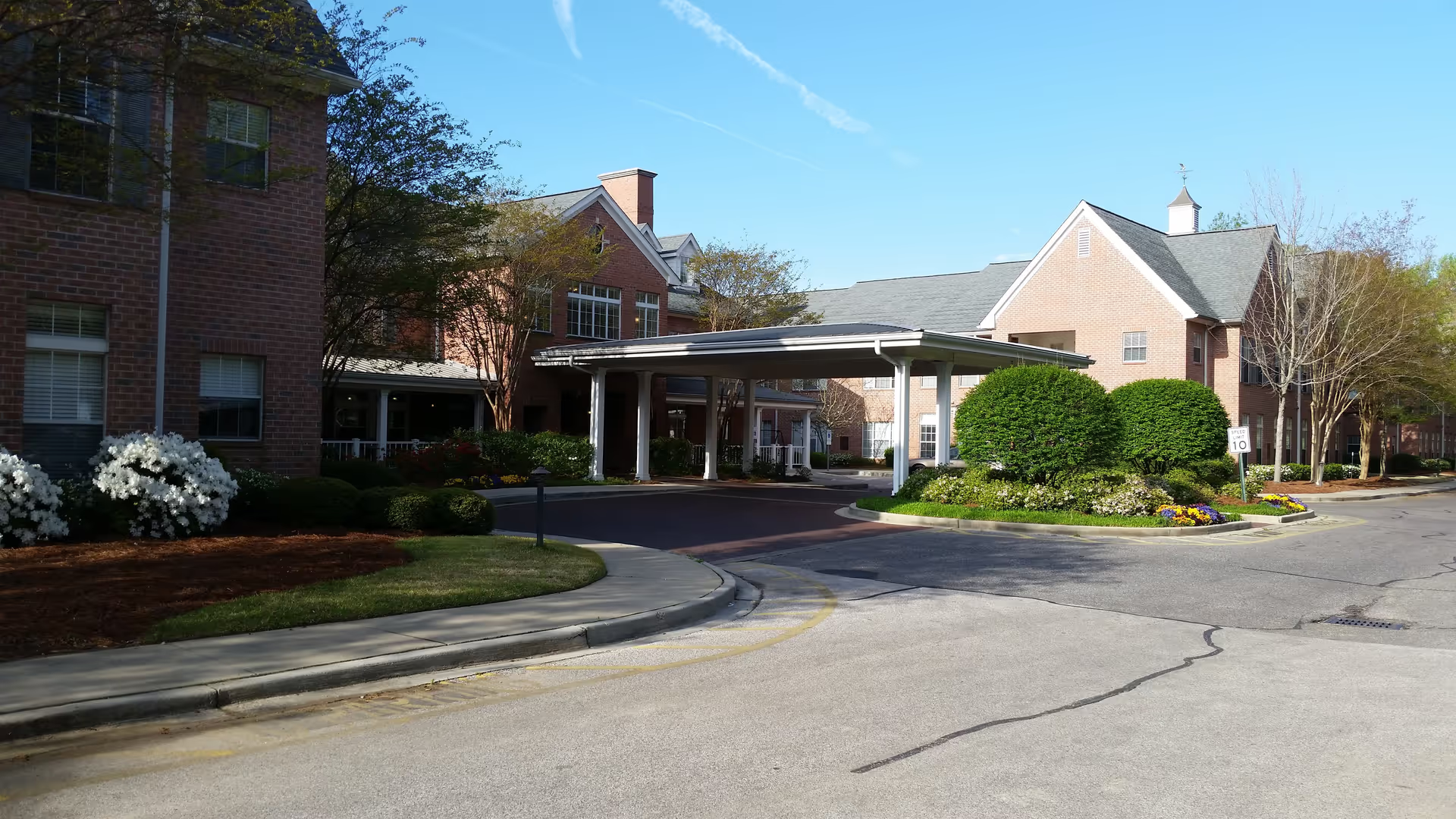
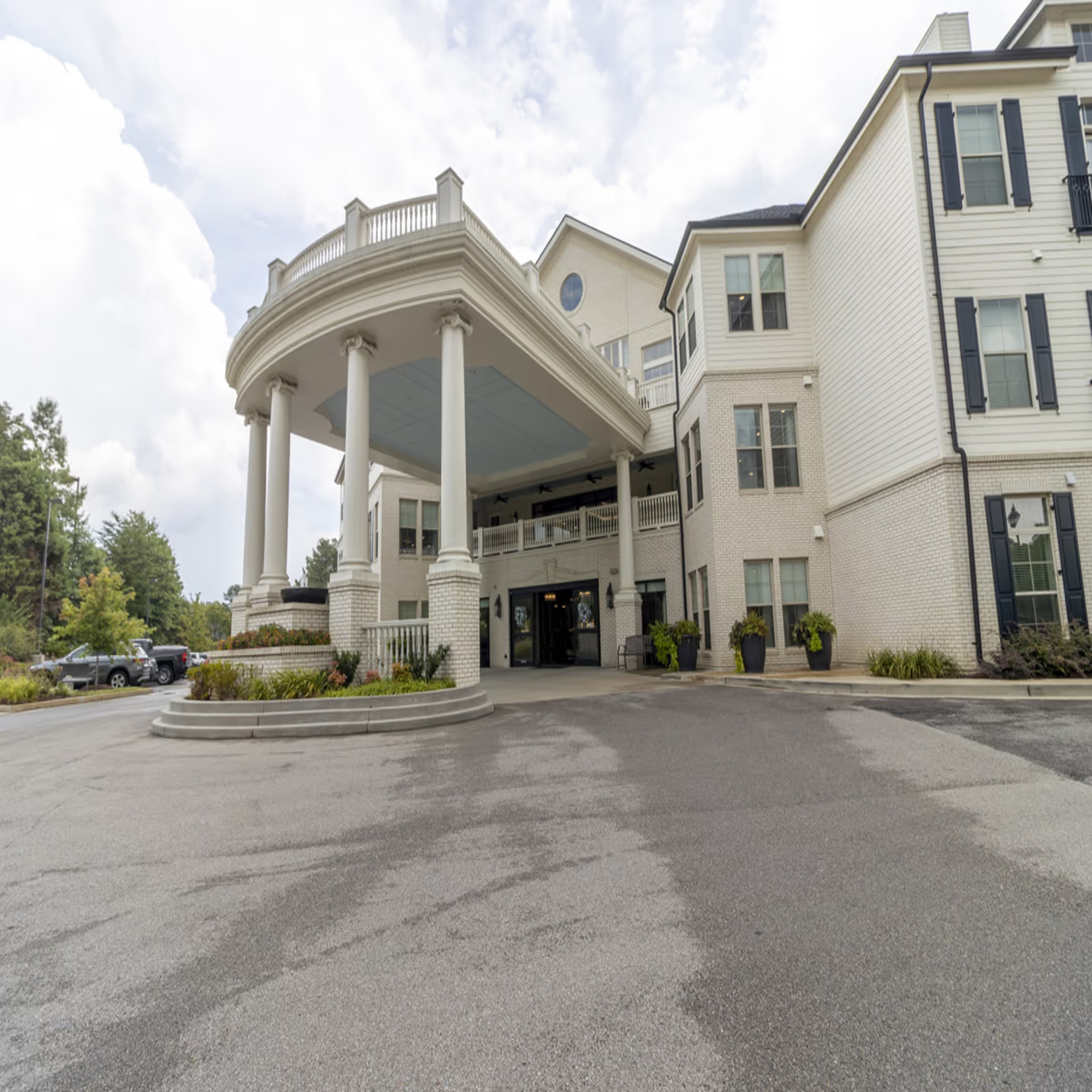
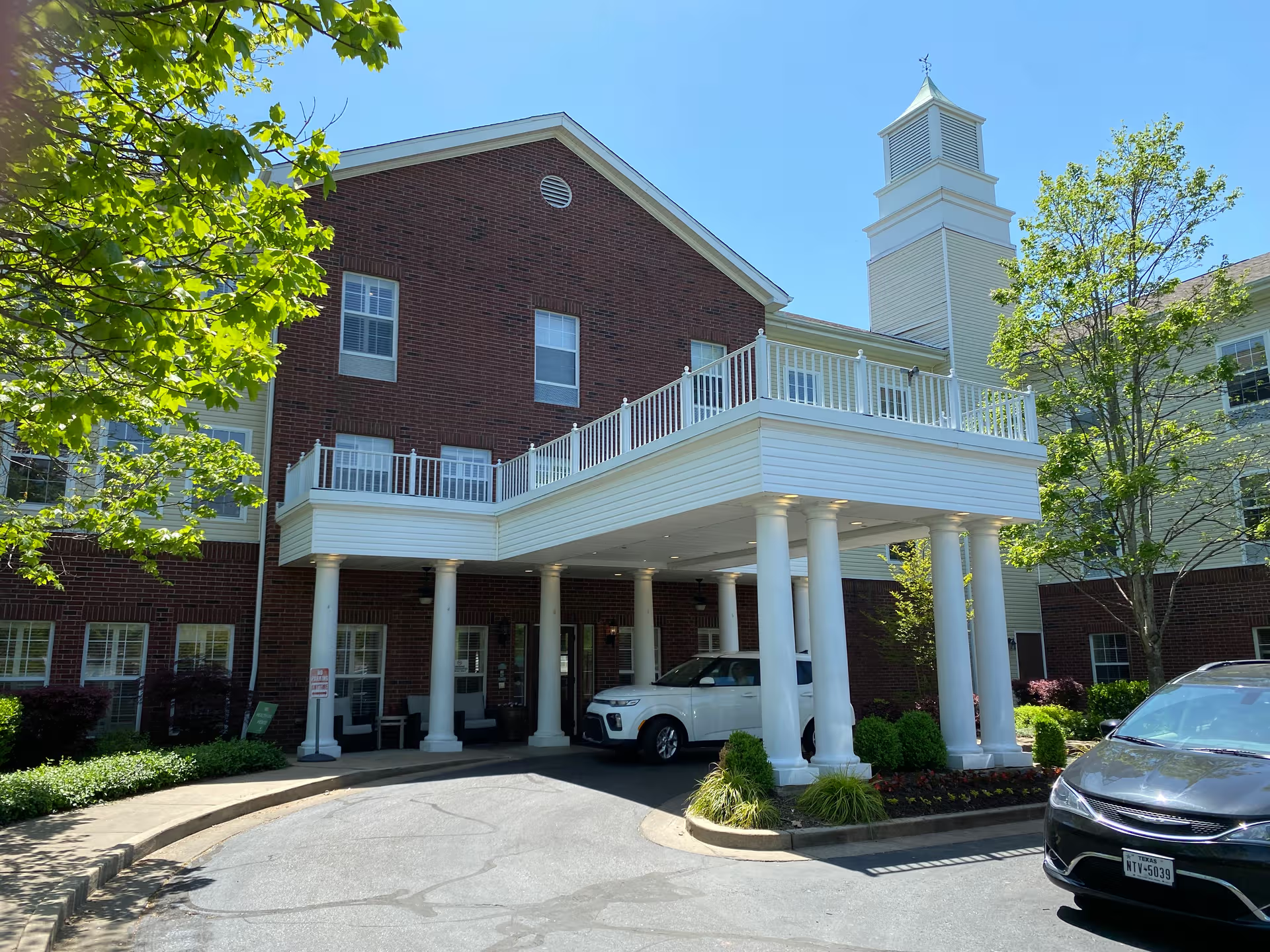
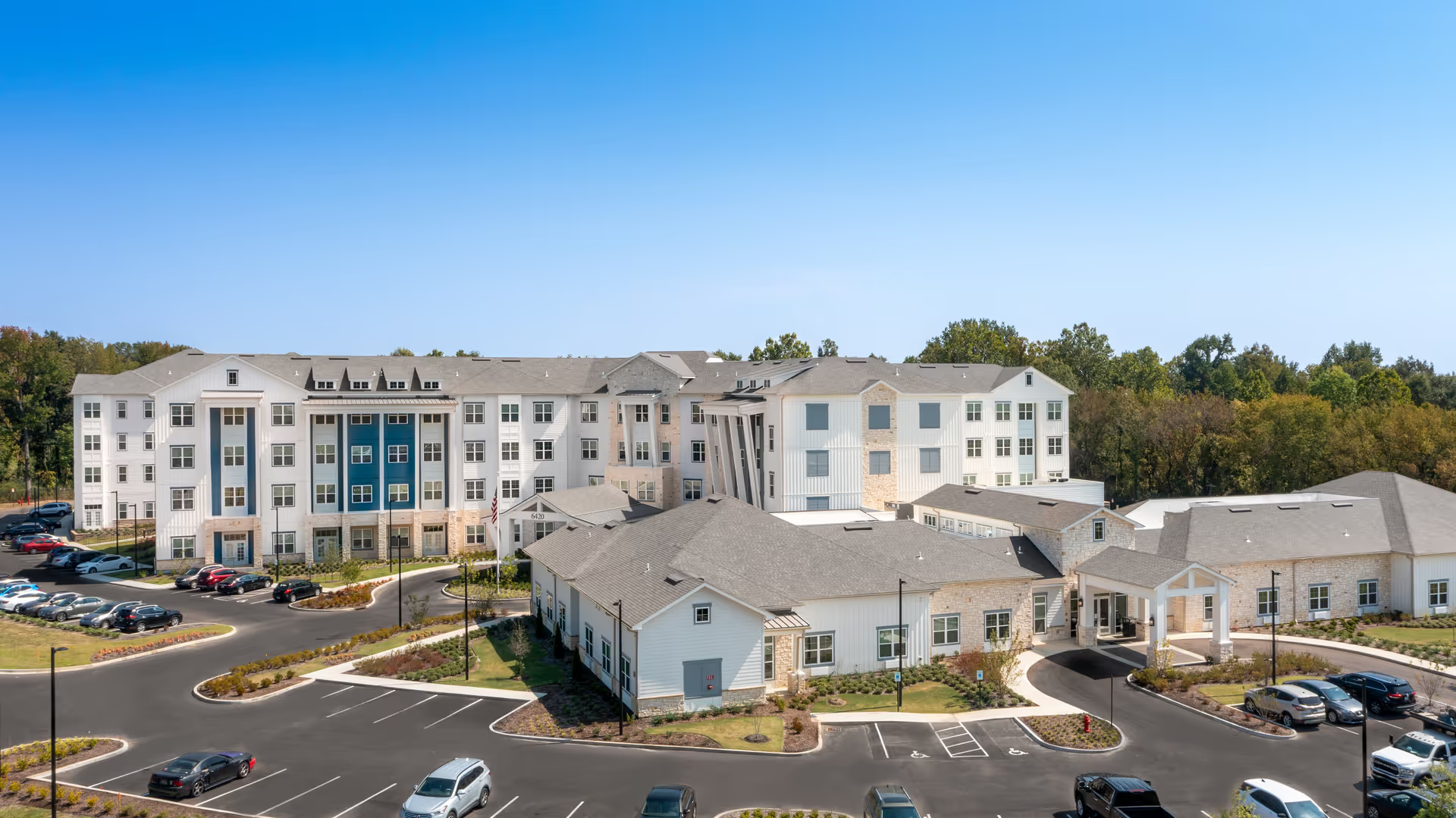
Facility condition and housekeeping are generally described as clean, bright, and secure, with rooms large enough for family visits and a pleasant common dining area. At the same time, some reviewers raise sanitation and odor concerns in specific areas and note delays in housekeeping response. There are also reports of lost personal items, indicating gaps in property-management processes.
Management and operations present a mixed picture. Some reviewers commend a hands‑on administrator and a well‑managed environment; others report poor follow‑through on complaints, disagreement over billing or insurance handling, and a perception that occupancy priorities can sometimes take precedence over individualized care planning. A small number of reviews include serious allegations that prompted calls for external oversight; these are notable and worth clarifying during any visit or preadmission conversation.
For prospective residents and families: the Highlands offers clear strengths in therapy, social programming, and several compassionate staff members, but it also demonstrates variability in responsiveness, weekend staffing, incontinence‑care timeliness, meal service consistency, and follow‑up on family concerns. When evaluating the community, consider asking about current staffing levels and weekend coverage, call‑response metrics, incontinence‑care protocols, property‑management procedures for personal items, the rehabilitation care plan for your specific needs, and how billing/insurance details will be managed and documented. A thorough tour and direct conversations with therapy leads, nursing supervisors, and the administrator can help assess whether the facility’s operational consistency matches your expectations.