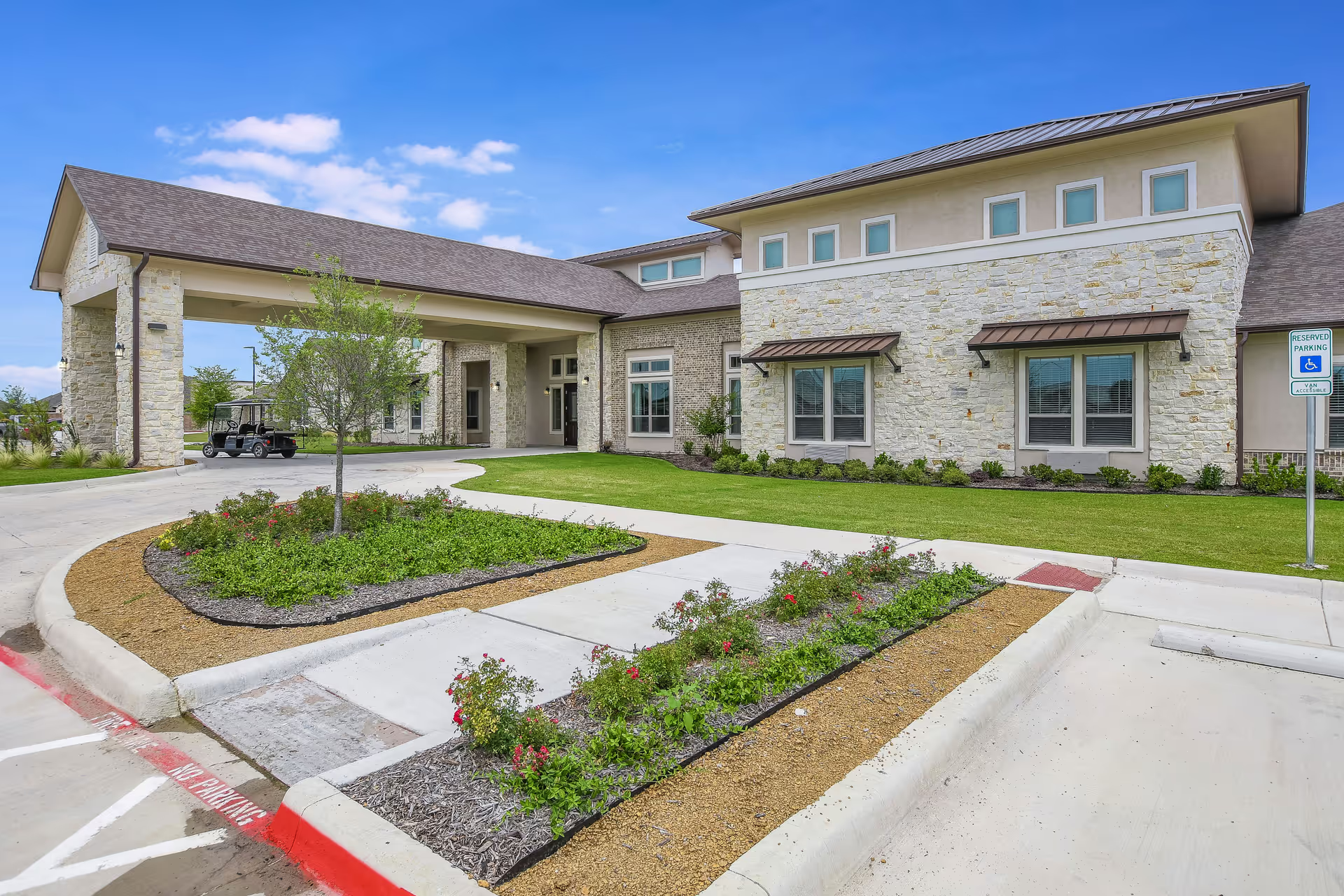
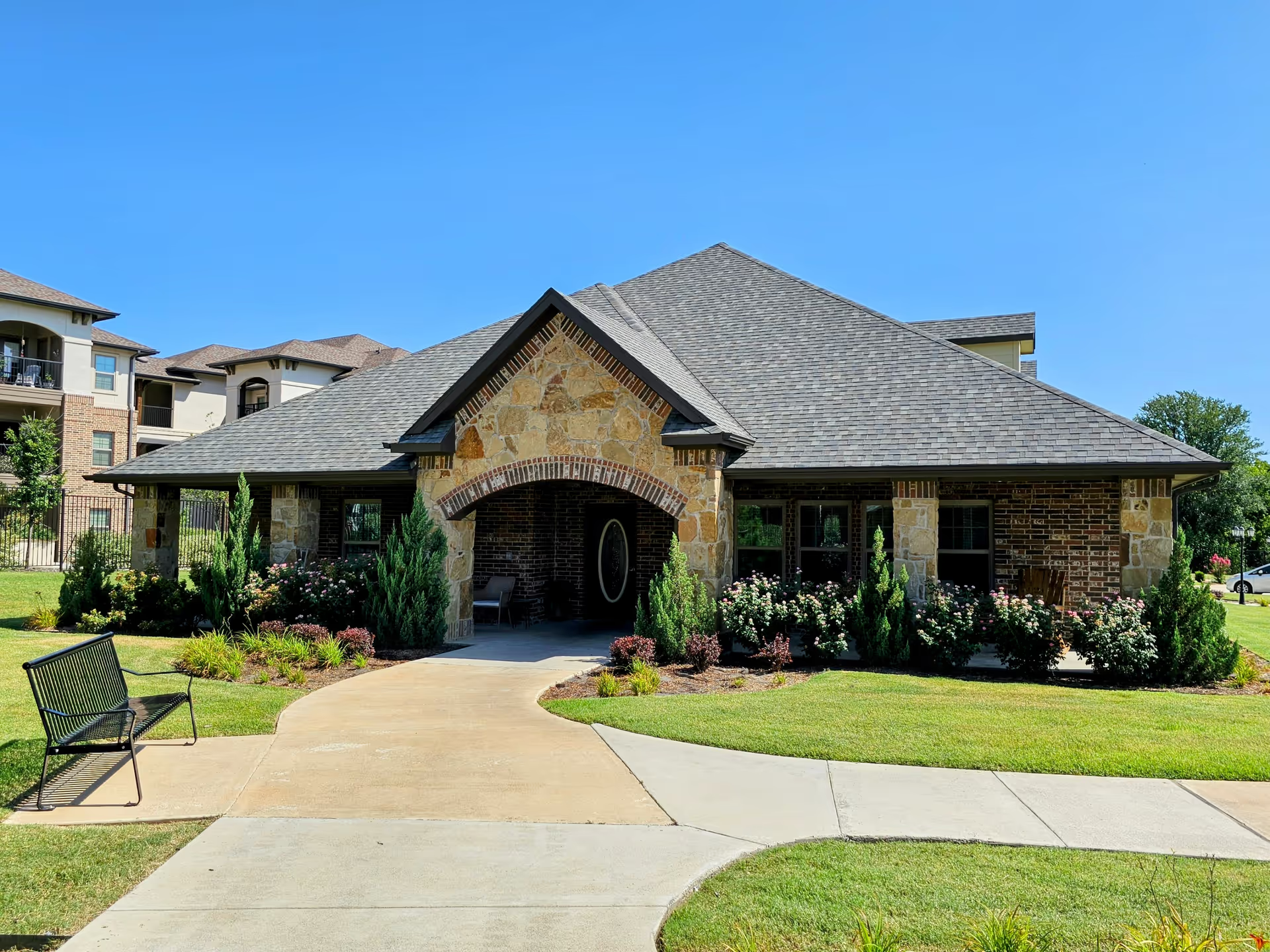
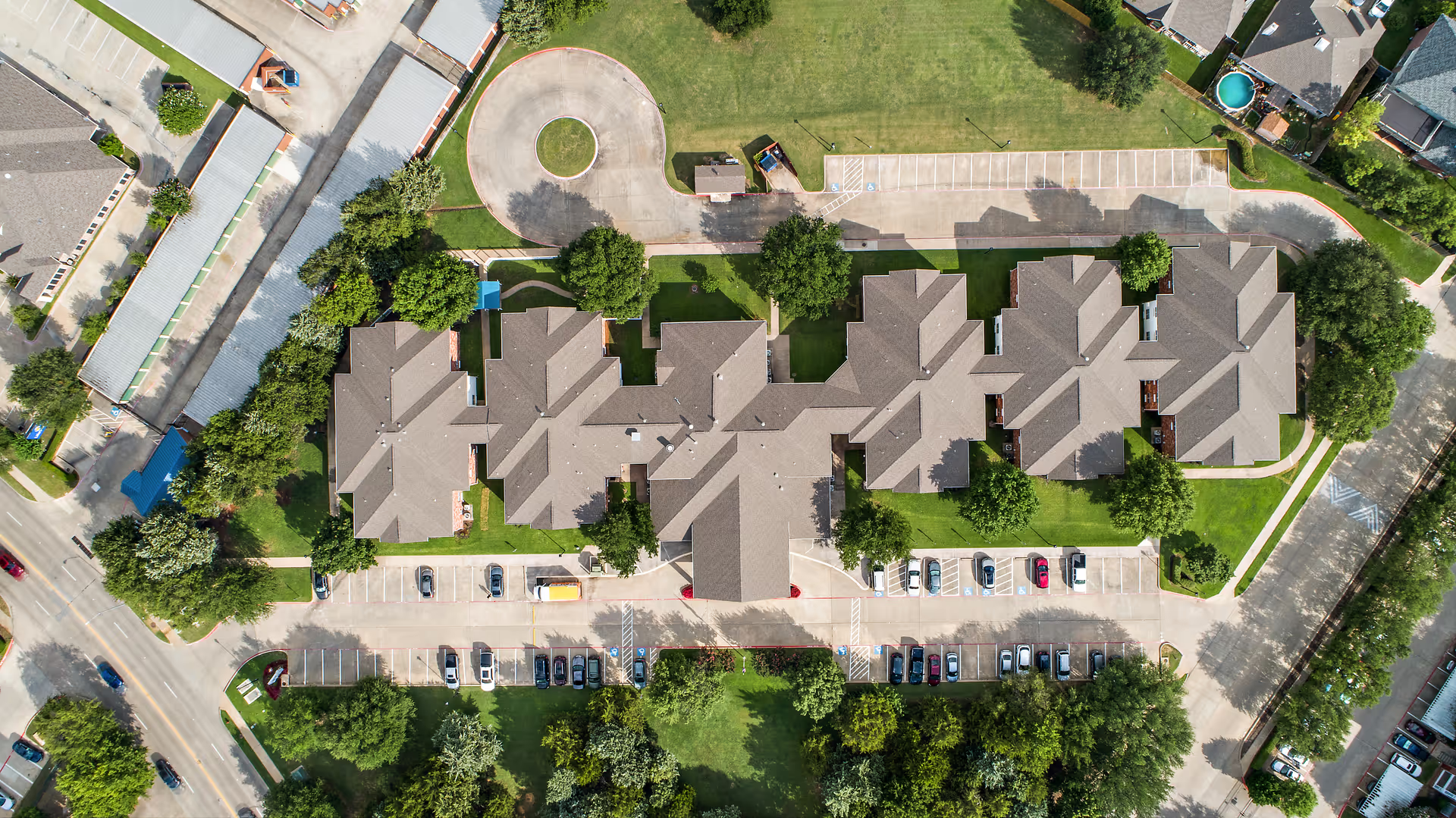
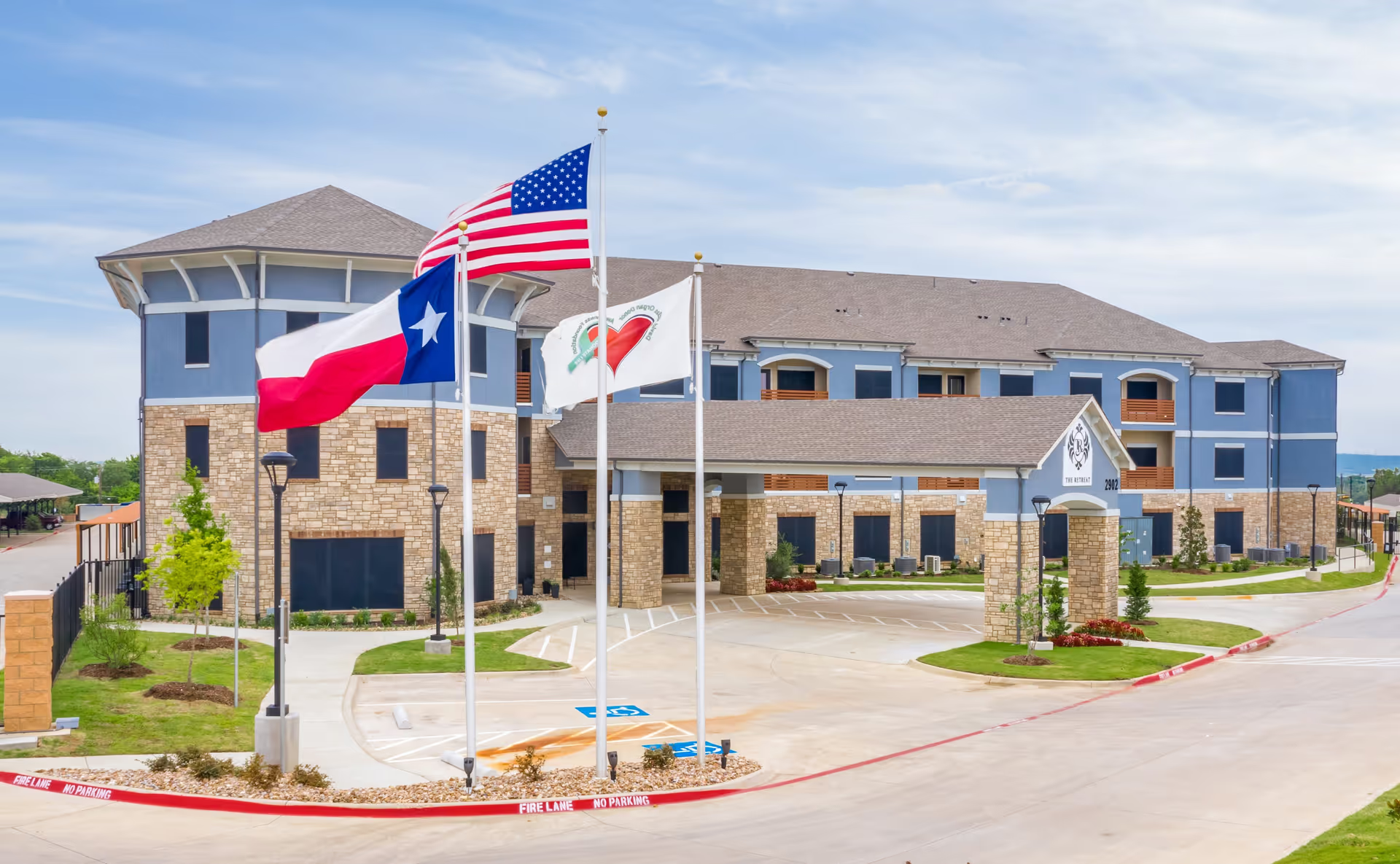
The reviews portray a facility with a clear physical-strength profile but important operational inconsistencies. Many families and visitors describe a modern, attractive building with clean lobbies, well-maintained rooms, and technology- and safety-focused design elements. Admissions, front-desk staff, and specific clinical team members (including some CNAs and a few nursing leaders and therapists) receive frequent praise for compassionate, attentive service, effective rehabilitation work, and strong social-work support that helps families navigate care. Dining and therapy are commonly referenced as positive aspects, and several comments describe a warm, engaged resident community.
At the same time, a substantial subset of reviews raises recurring operational concerns. The dominant themes are inconsistent clinical oversight and understaffing: delayed responses to call bells and nurse callbacks, high aide turnover, and instances where promised personal-care tasks or therapy sessions were not consistently delivered. Several reviewers identified wound-care and pain-management issues that suggest gaps in clinical follow-up and assessment. Cleanliness and sanitation concerns in some care areas, plus occasional odor and housekeeping lapses, were also reported.
Communication and leadership emerge as mixed but critical factors. Some families report responsive administrators and a supportive Director of Nursing who addressed problems promptly; others cite frequent management turnover, dismissive communication, and weak administrative follow-through. These leadership gaps are linked in reviews to inconsistent staff training, uneven enforcement of procedures, and difficulty resolving billing or operational disputes. Financial interactions were a notable pain point for some families, including complaints about upfront payment handling and billing disputes that escalated to external complaints or Ombudsman involvement.
Other operational traits worth noting: security and reception processes are described as variable, with a few reviewers noting unsecured entry or reception gaps; emergency-response and family-notification procedures were also described as inconsistent in timing and communication; and there are several comments about staff tone and conduct that reflect concerns about professionalism and respect for residents. Positive staffing and leadership experiences appear concentrated around particular individuals or time periods, suggesting that quality may depend heavily on current leadership and the local care team.
For prospective residents and families: the facility offers many advantages in environment, amenities, therapy, and in some cases very committed front-line staff. However, reviewers also describe recurring operational weaknesses — chiefly staffing levels, response times, sanitation in care areas, management continuity, and billing processes — that would warrant focused questions during a tour. Suggested on-site checks include asking about current staffing ratios, examples of recent clinical-quality improvements, wound- and pain-management protocols, procedures for call-light response and emergency family notification, housekeeping schedules, and a clear explanation of admission/billing and refund policies. Requesting to meet the DON or administrator and speaking with the therapy team and current family contacts can help clarify whether the facility’s positive attributes are consistently applied to direct resident care.