Overall impression: Feedback for Methodist Transitional Care Center is highly polarized. Many reviewers praise the facility’s rehabilitation strengths and individual caregivers, while a substantial portion describe operational and safety-related shortcomings. This pattern suggests that residents’ experiences vary significantly by unit, shift, and specific staff assigned.
Care quality and clinical services: The facility receives consistently strong marks for its physical and occupational therapy programs. Multiple accounts describe rapid mobility improvements, effective individualized therapy plans, and therapists who engage patients in measurable functional gains. Nursing and CNA performance is similarly described as excellent in many cases, with compassionate bedside care and successful rehab outcomes. However, there are recurring concerns about inconsistent clinical practices: delayed medication administration, missed or delayed dialysis and blood-glucose monitoring, and variability in clinical escalation and emergency transfers. Those issues appear most pronounced during night and weekend shifts.
Staffing and staff conduct: Reviewers frequently identify standout individuals and department leaders who provide attentive, family-centered care. At the same time, there are repeated reports of understaffing, high turnover, and gaps in training that affect responsiveness and basic assistance (for example, delayed toileting, bathing, or turning). Communication tone and bedside manner are generally praised in many comments, yet other accounts describe curt interactions and poor responsiveness from specific staff members. This mixed picture indicates strong pockets of staff performance alongside operational staffing instability.
Dining and activities: The facility’s amenities — attractive common areas, an on-site salon, and an active activities program — are noted positively and appear to contribute to patient satisfaction for many families. Meal service receives mixed feedback: some find meals nutritious and tasty, while others report cold plates, limited menus, or missed meal service. Activity programming is often described as engaging when staffed and supported.
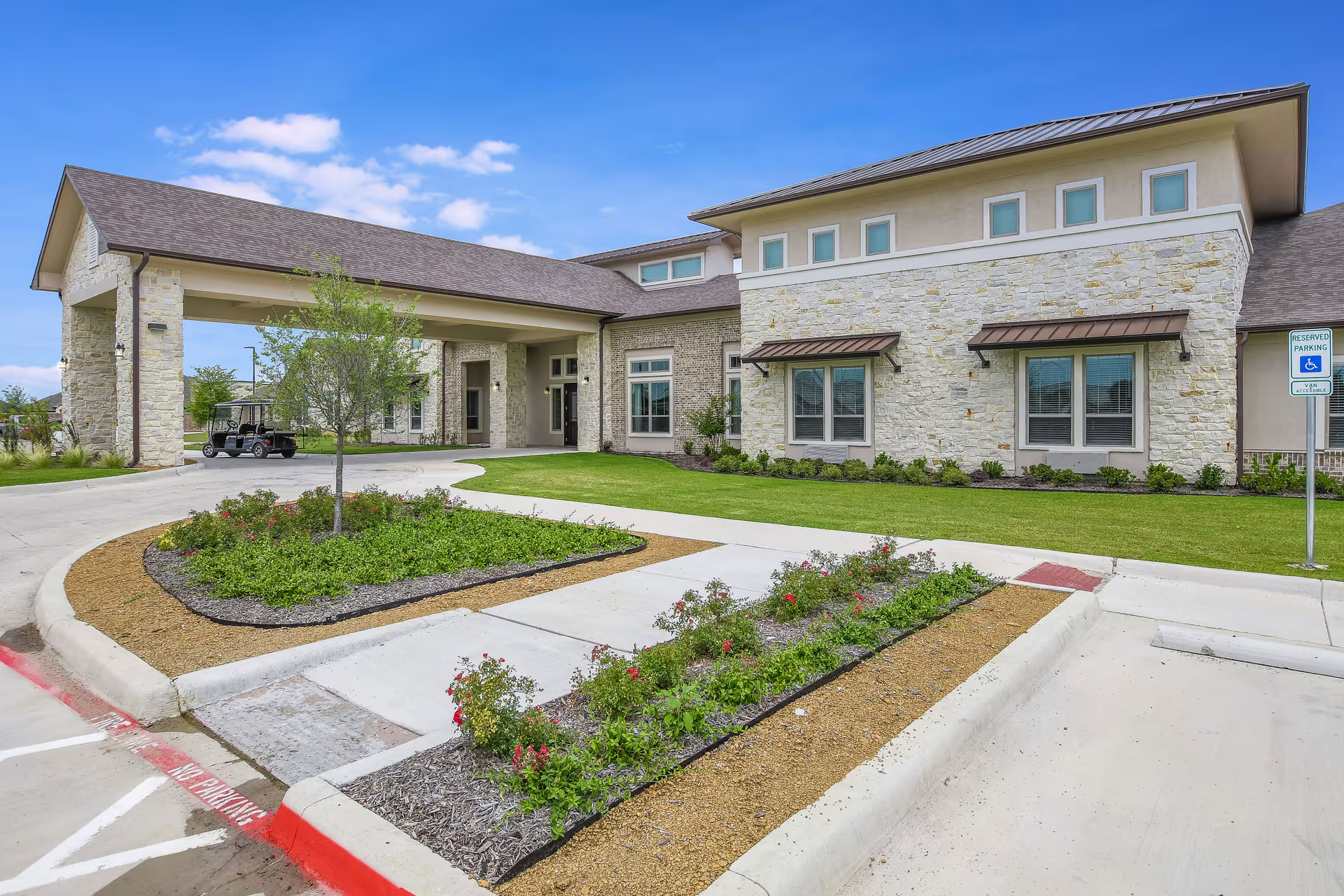
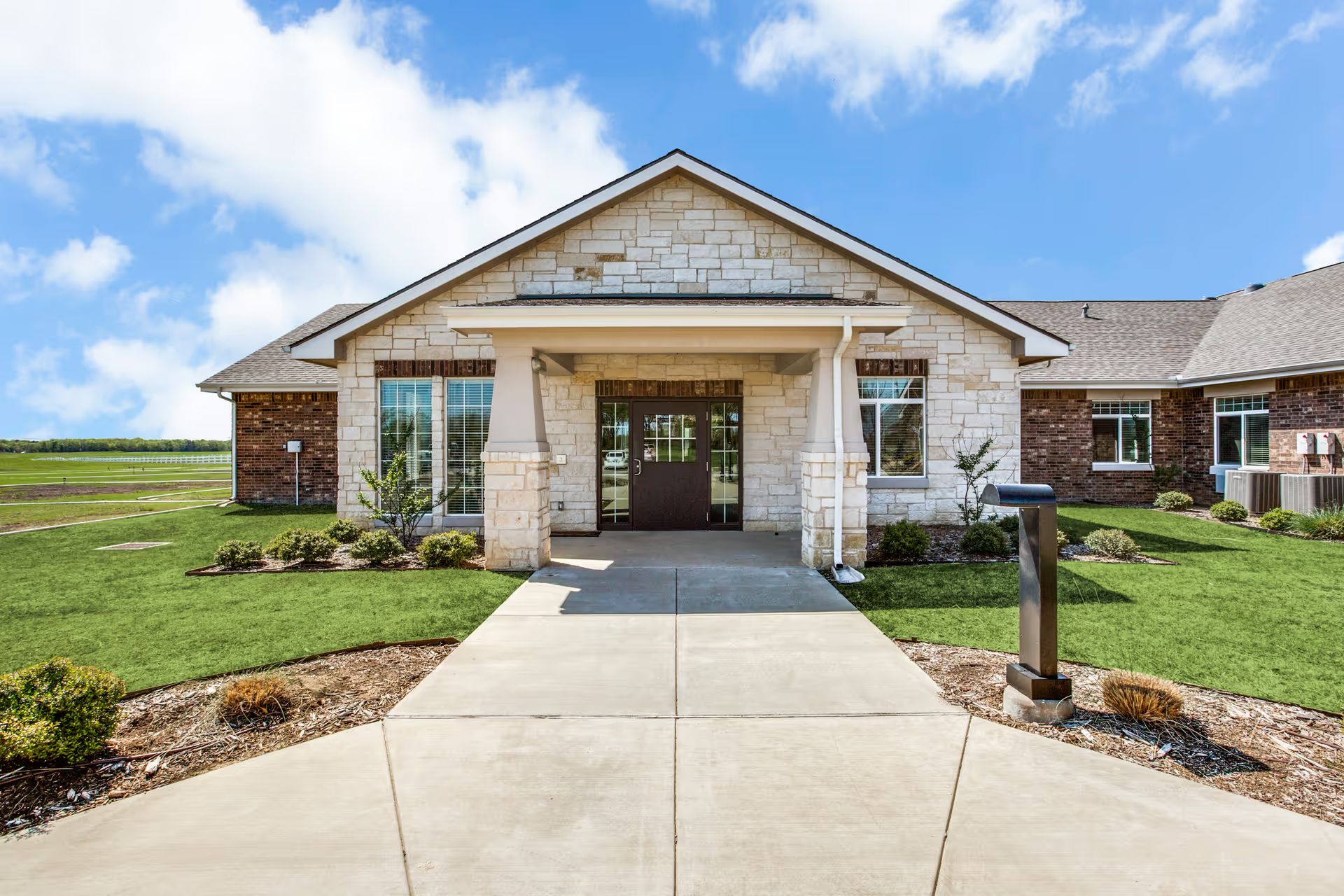
Facilities and cleanliness: The physical plant and interior presentation are frequently described as modern, clean, and well maintained. Conversely, a number of reviews cite localized sanitation concerns, housekeeping lapses, and occasional odor issues in particular rooms or areas. These appear to be inconsistent rather than facility-wide but are notable enough to affect family confidence in some cases.
Management and communication: Administrative experiences are mixed. Several reviewers commend specific administrators and social-work staff for clear communication and advocacy; others report unresponsive offices, unanswered calls, disorganized admissions or discharge processes, and failures to coordinate home equipment or follow-up services. Privacy and documentation practices have been questioned in a subset of reviews, and families report significant distress when discharge planning or incident communication is inadequate.
Notable patterns for prospective families: Prospective residents and families should weigh the facility’s strong rehabilitation capabilities and many examples of compassionate care against recurring operational concerns: inconsistent staffing (notably nights/weekends), variable housekeeping and meal service, and gaps in medication/clinical oversight and discharge coordination. Outcomes are often excellent when the patient is placed on units with engaged therapy teams and attentive leadership; however, families should confirm staffing levels for expected shifts, clarify discharge and medication-management plans in writing, and ask about rounding and incident-response protocols before admission.
Bottom line: Methodist Transitional Care Center demonstrates clear strengths in rehabilitation therapy, several dedicated caregivers, and a modern, well-appointed environment. Those positives coexist with repeated operational weaknesses that have had clinical and experiential consequences for some residents. Careful pre-admission questions about staffing, after-hours coverage, meal-service practices, cleanliness procedures, and discharge logistics can help families set expectations and reduce the risk of a negative experience.