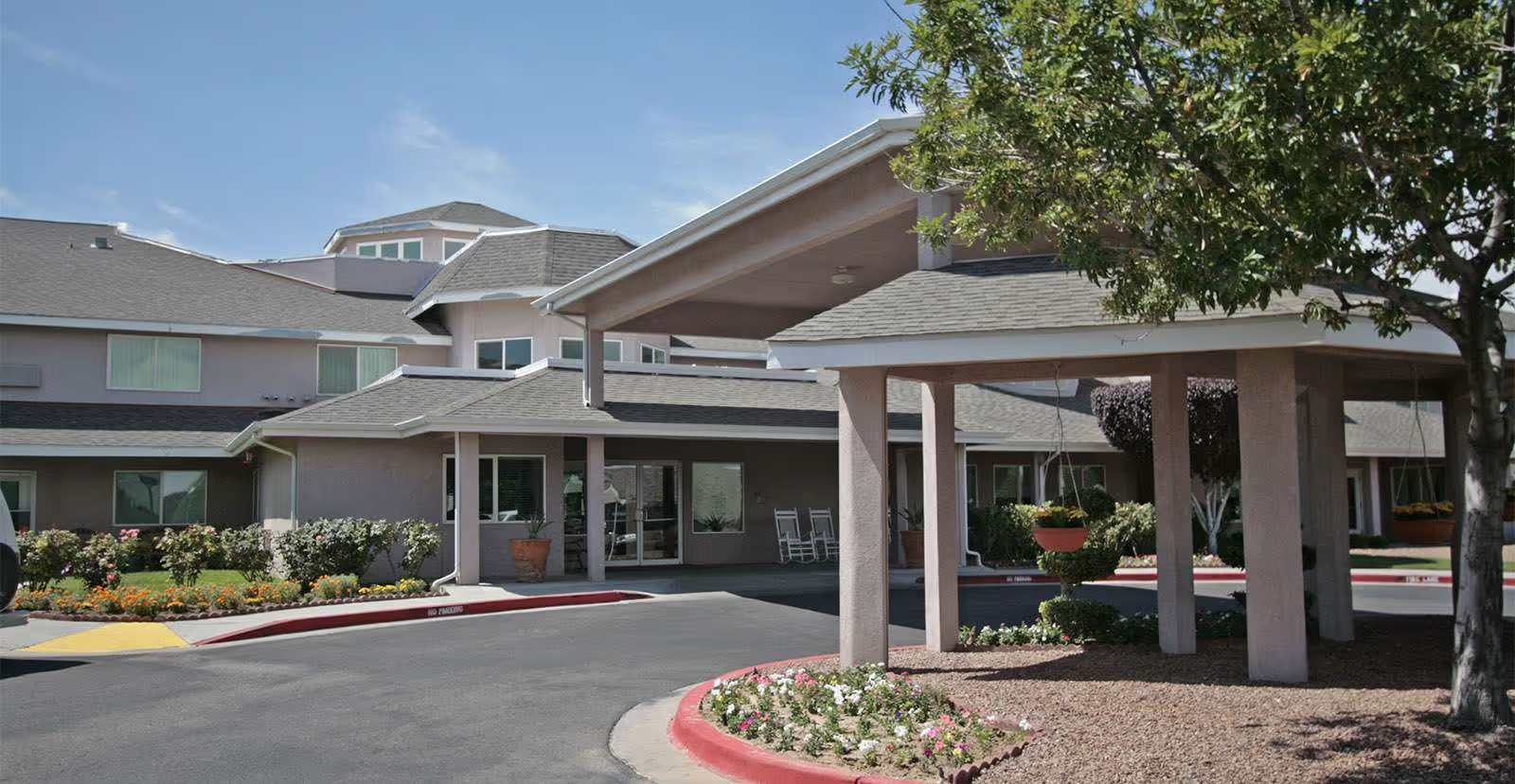
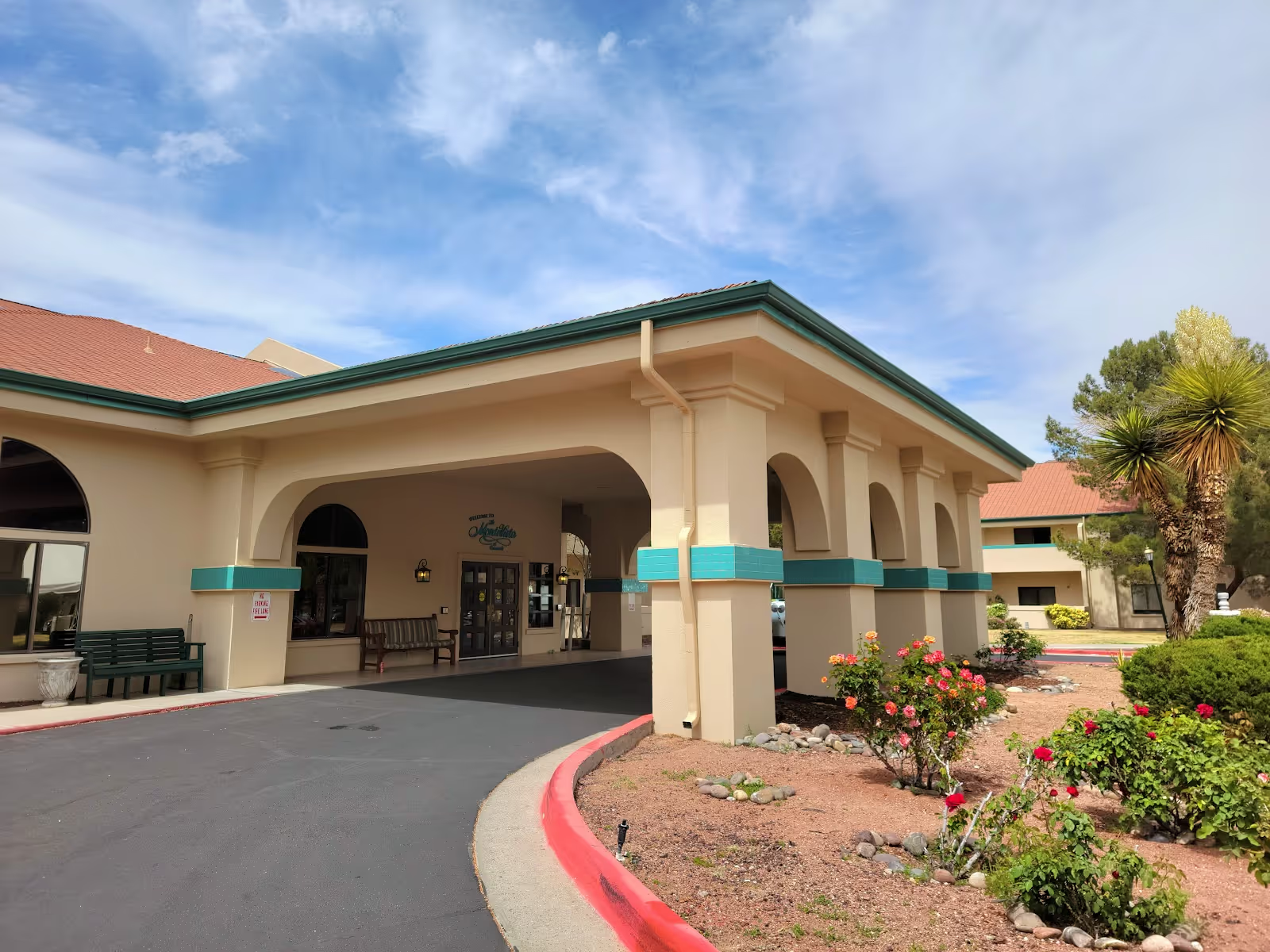
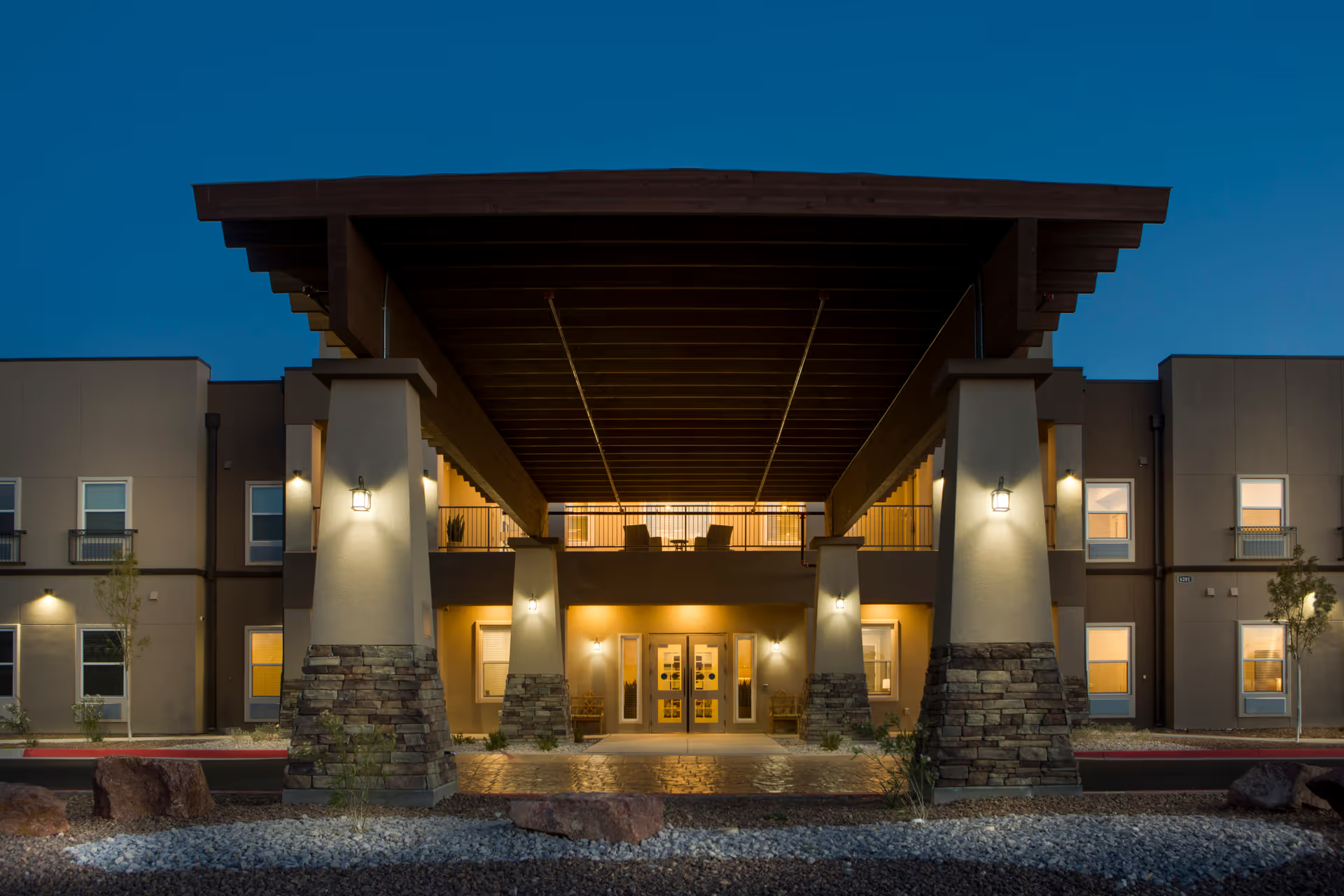
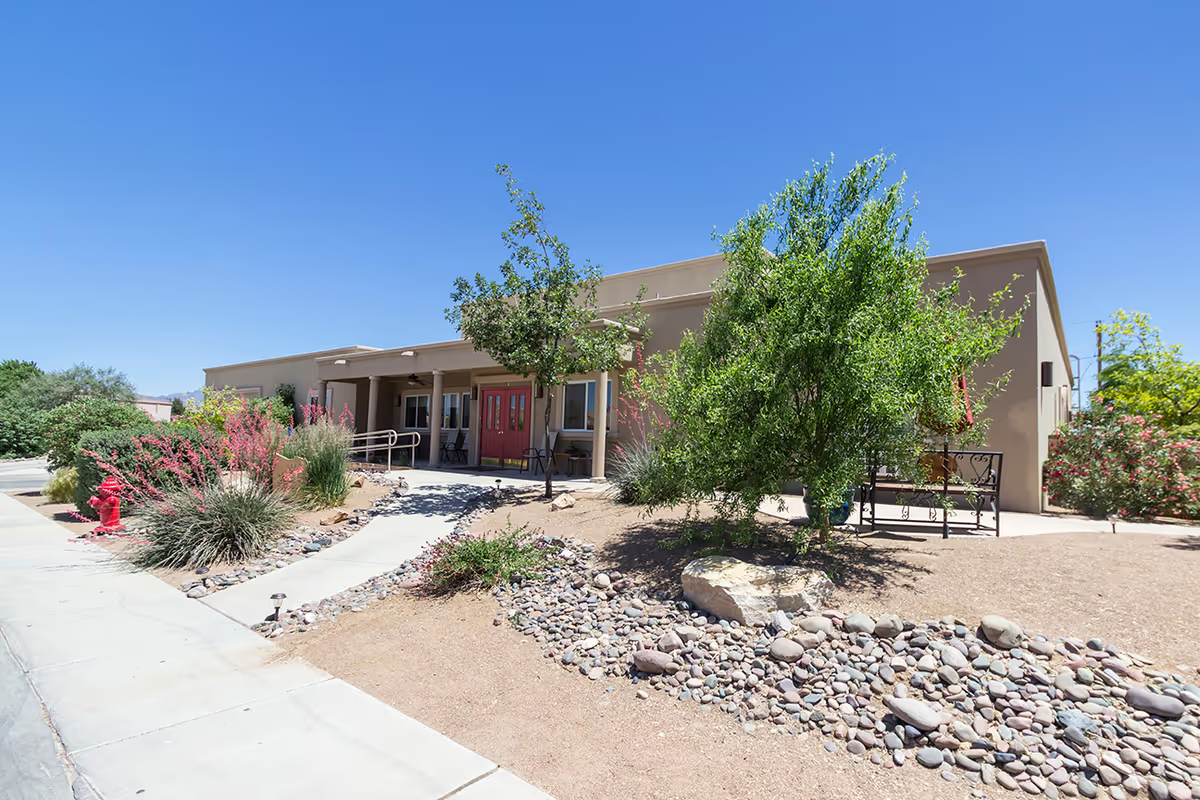
Center at Zaragoza presents a strongly mixed profile. The physical plant is consistently described as modern, attractive, and accessible: private rooms with en-suite bathrooms, a hotel-like entry and common areas, spacious dining and family spaces, and proximity to a hospital. The facility's rehabilitation resources (PT/OT) and therapy leadership receive frequent praise, and many families highlight rapid functional progress and successful discharge planning. Dining is a clear strength for many reviewers; the cuisine is often described as gourmet with accommodating menu options.
Clinical care experiences are polarized. Numerous reviewers commend individual nurses, CNAs, and therapists for compassionate, attentive care; specific staff members and case managers are named as reliable and supportive. At the same time, a distinct pattern of clinical and operational gaps emerges: medication-administration controls and communication are inconsistent, call-bell responses and bedside attention are sometimes delayed, and wound/ostomy and skin-care protocols appear uneven. Reviewers also described variability in pain and bowel-management practices and cited instances that indicate insufficient monitoring of higher-acuity residents. These patterns suggest uneven reliability in day-to-day clinical oversight.
Staffing and team dynamics are a recurring theme. While many families describe warm, professional caregivers and effective therapists, others report staffing shortages, variable staff competence, and occasional lapses in conduct or responsiveness. These personnel issues link to operational weaknesses such as uneven housekeeping and linen-change practices, delayed hygiene assistance, and occasional equipment or pest-control concerns. Transfer and transport safety processes were questioned in a subset of accounts, indicating the facility may benefit from stronger protocols and staff training in mobility and hand-off procedures.
Communication and management responsiveness are mixed. Positive experiences include attentive case managers and timely discharge coordination. However, several families reported difficulty reaching leadership, long hold times for updates, unresolved complaints, and administrative issues such as billing for services perceived as not provided. A small number of serious allegations and concerns following a resident's death were also raised and in some instances prompted additional scrutiny; these accounts underscore the importance of transparent incident investigation and family communication.
For prospective residents and families: the Center at Zaragoza offers notable advantages in environment, dining, and rehabilitative services, and many patients have positive, even exceptional, clinical and interpersonal experiences there. At the same time, the facility exhibits operational variability that can affect safety and dignity for medically complex residents. Families considering this facility should ask specific questions about current staffing ratios and turnover, medication and wound-care protocols, call-response times, supervision of high-acuity patients, pest-control and maintenance practices, and the facility's process for handling clinical concerns and family complaints. Observing shift change, meeting the on-duty nurse and therapists, and confirming written care plans can help set expectations and evaluate whether the facility's operational practices match the level of care a prospective resident requires.