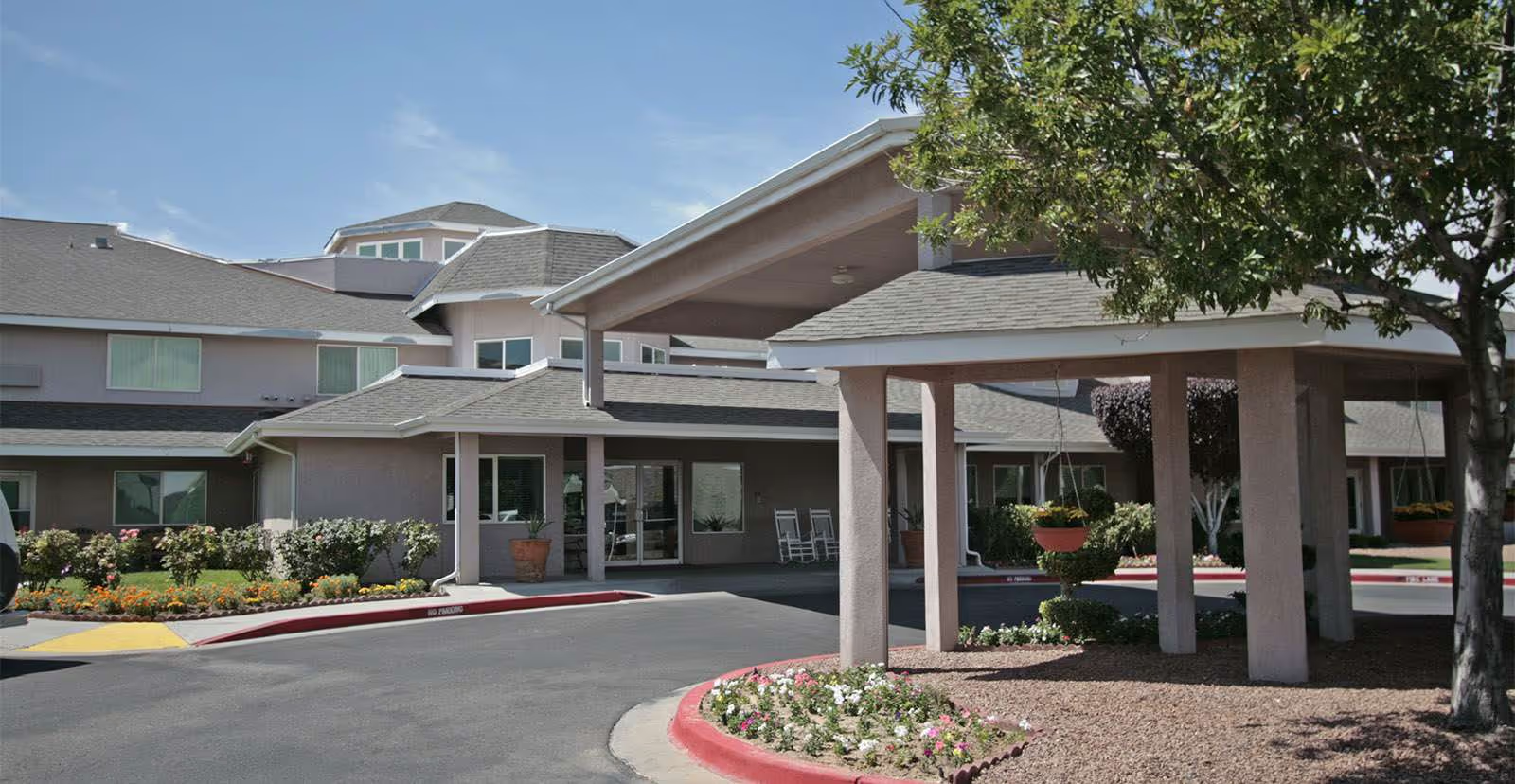
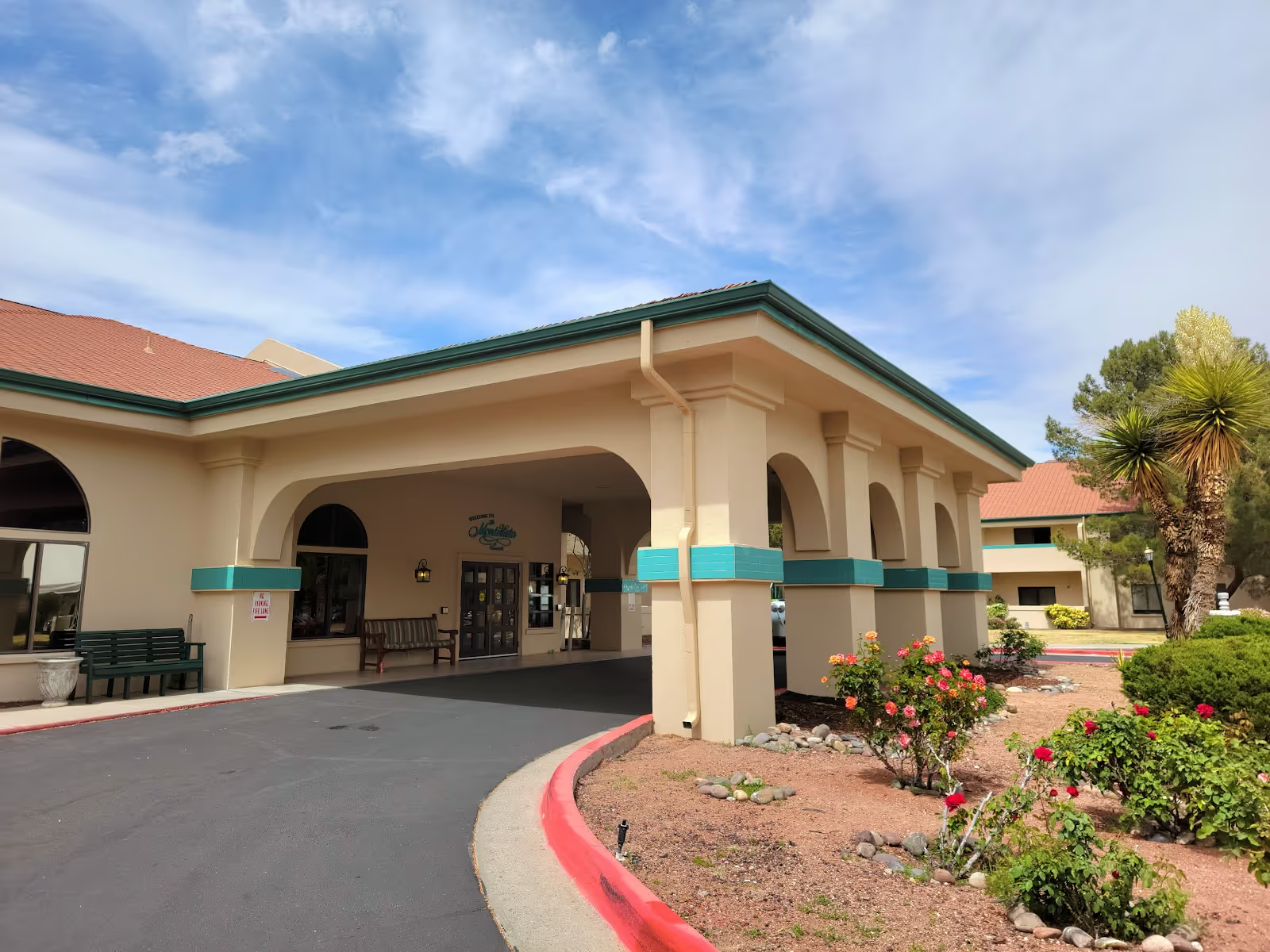
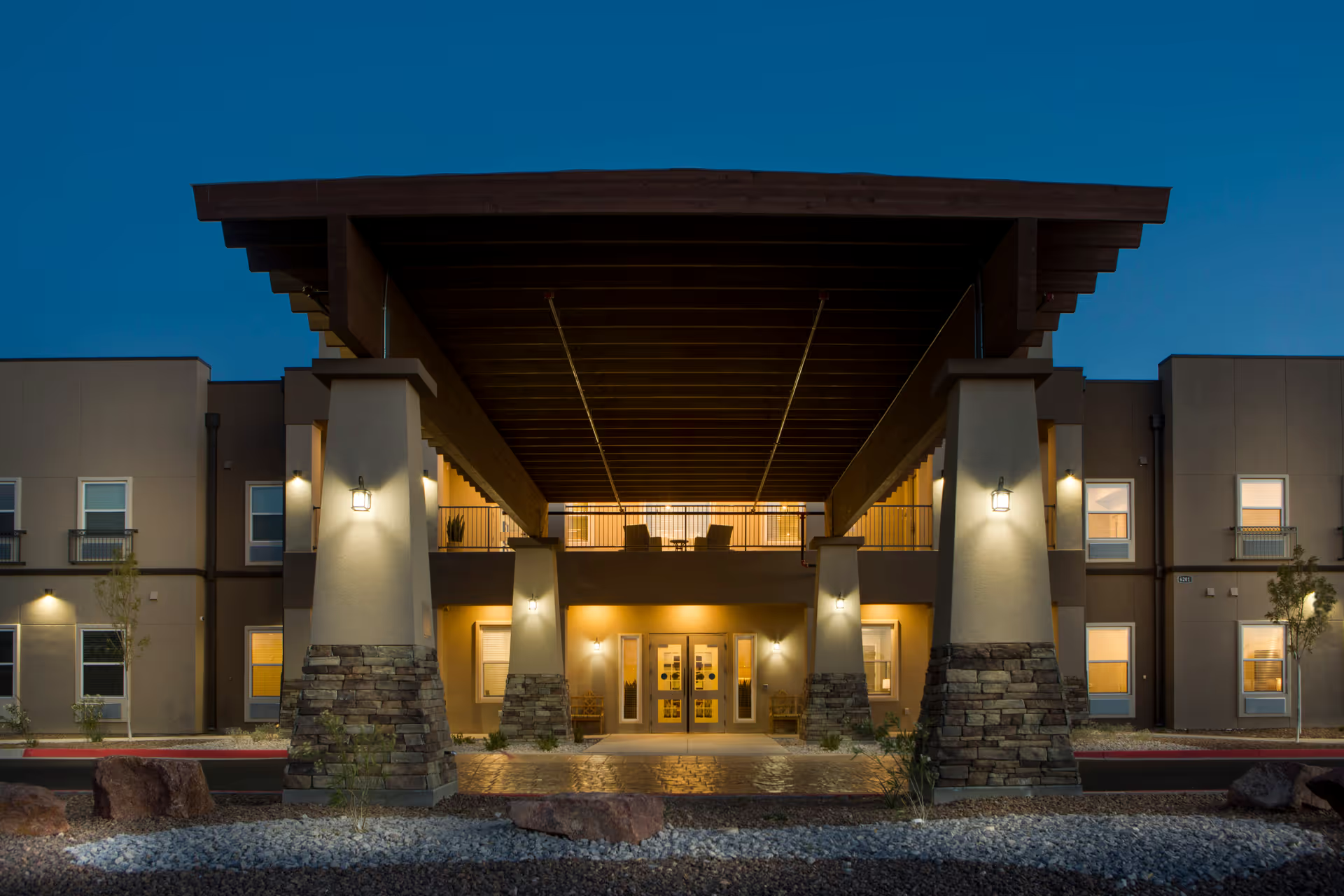
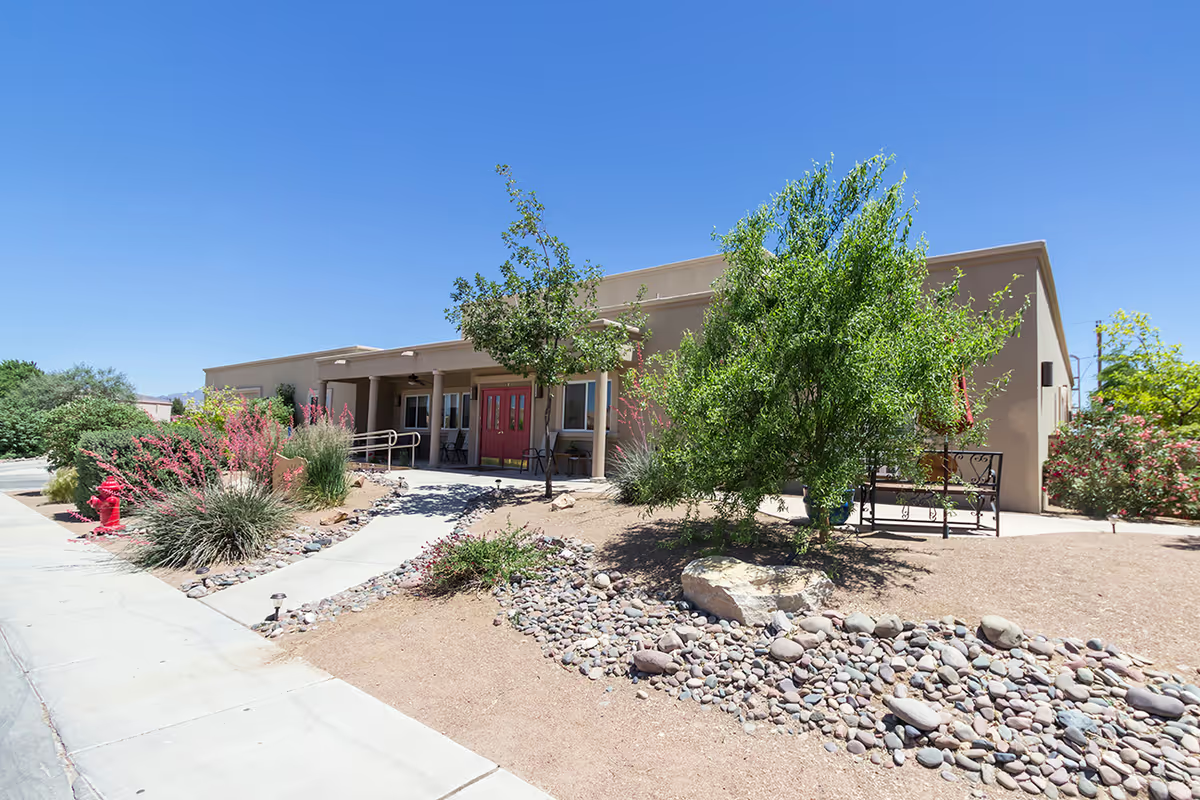
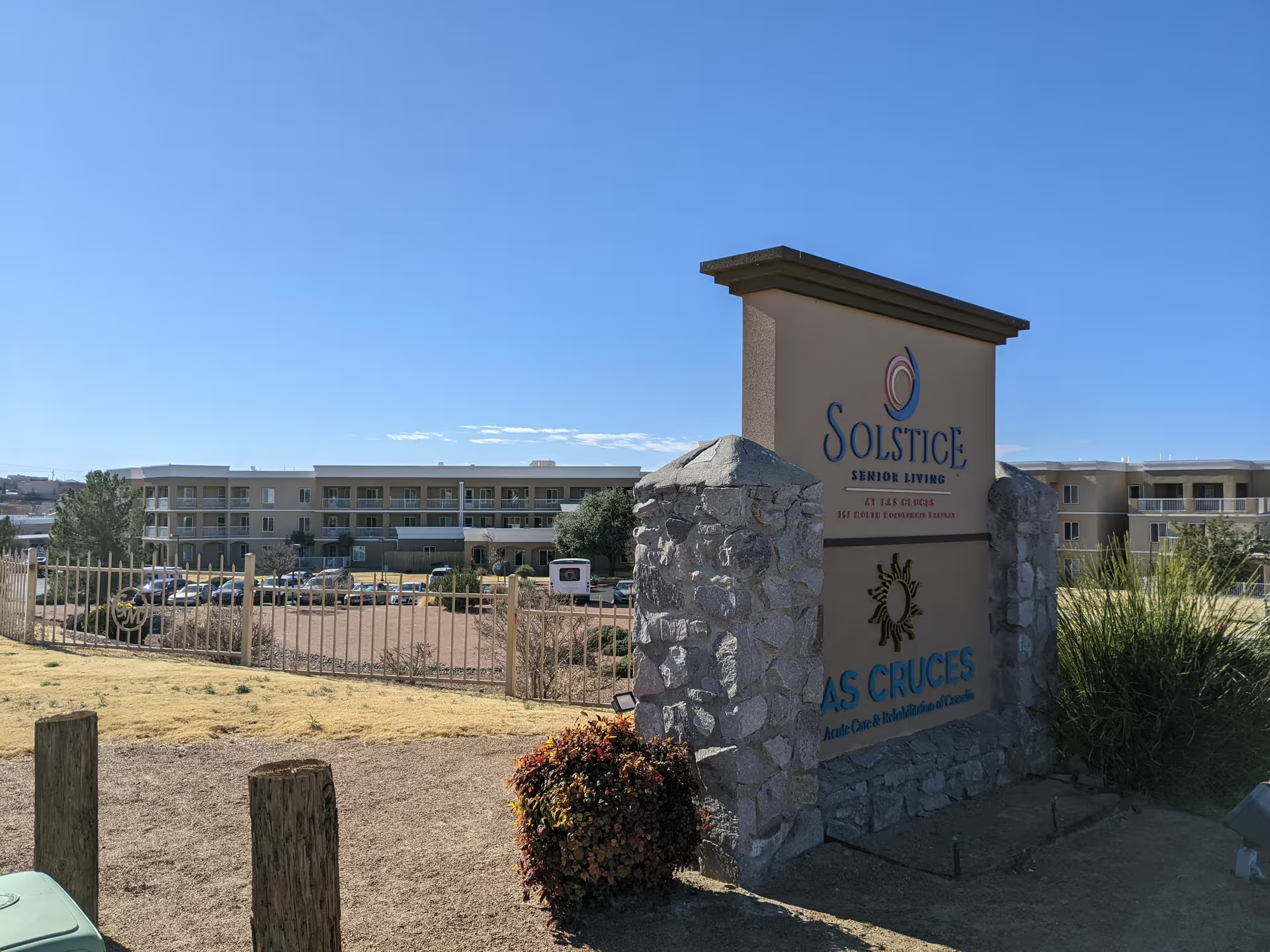
Good Samaritan Towers I presents a mixed profile: the physical plant and therapy services are frequently cited as strengths, while operational and staffing issues raise consistent concerns about day-to-day resident care. The facility's rehabilitation program and therapy specialists are viewed positively, and common areas, a community/activity center, large windows, and capacious elevators contribute to a pleasant, multi-level living environment. The site is described as peaceful and organized, and its location is convenient for visitors and nearby social contacts.
Care quality appears uneven. Reviewers highlight competent rehabilitation services, but also describe routine delays in basic assistance—long waits for help after using call signals and inconsistent nutrition support, including lapses in providing supplemental drinks when indicated. These patterns suggest understaffing and gaps in routine care workflows rather than isolated incidents. Nursing presence and workflow organization are also concerns: limited visible nursing activity and the use of improvised spaces for clinical work were noted, which can reduce timely oversight and availability.
Staff and management comments are mixed. Many interactions with frontline staff are described as pleasant, yet reviewers also report variable attitudes, favoritism, and an inconsistent approach tied to leadership. Several accounts indicate that the resident experience can depend heavily on who is managing the unit or shift, producing a sense of unevenness across the facility. There are also reports of entrance or front-desk coverage gaps and general security-staffing shortfalls that contribute to concerns about supervision and access control. Some families expressed apprehension about the facility's approach to handling complaints and described a climate in which raising issues felt risky.
Dining and nutrition receive specific attention: while there is no consistent praise for the food program overall, the primary concern centers on inconsistent provision of nutritional supplements and assistance during meals. This points to operational weaknesses in meal-service continuity and monitoring of residents who need extra nutritional support.
Facility amenities and daily life have clear positives: the facility is large with multiple floors, accessible elevators, a maintained community center, and a layout that supports independent living. However, its scale combined with limited staff interaction can make it harder for families to get a full sense of staff–resident relationships or for residents to receive frequent individualized attention. Practical issues such as limited parking capacity were repeatedly noted and may affect visitors and transportation logistics.
In summary, Good Samaritan Towers I combines solid physical amenities and capable rehabilitation services with operational challenges tied to staffing levels, response times, and management consistency. Prospective residents and families should weigh the facility's environment and therapy strengths against the potential for delays in routine assistance, inconsistent nutrition support, and variability in leadership and staff conduct. Visiting during different shifts, asking about staffing ratios and complaint-handling procedures, and clarifying nutrition/medication workflows may help clarify whether the facility's routines align with a prospective resident's needs.