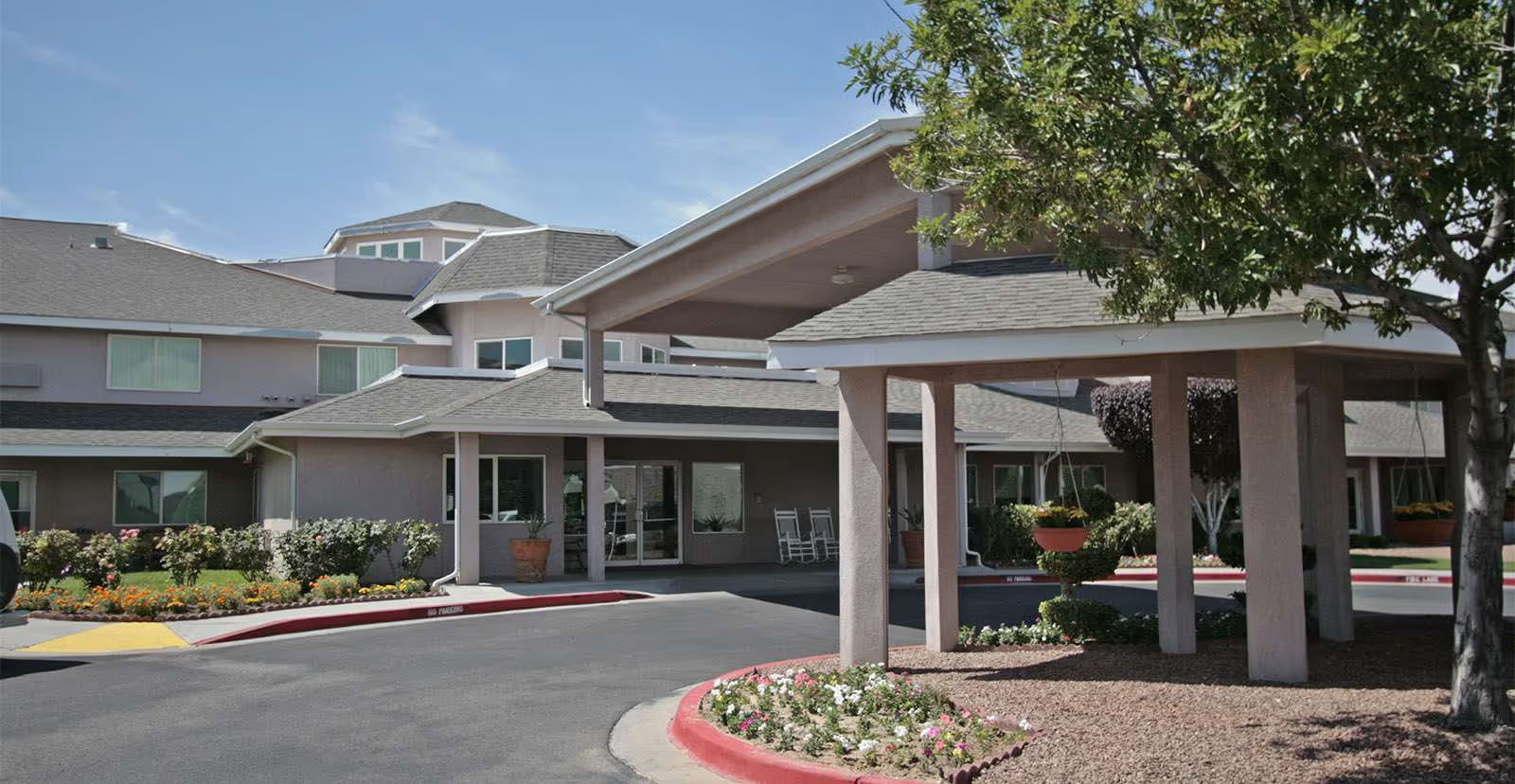
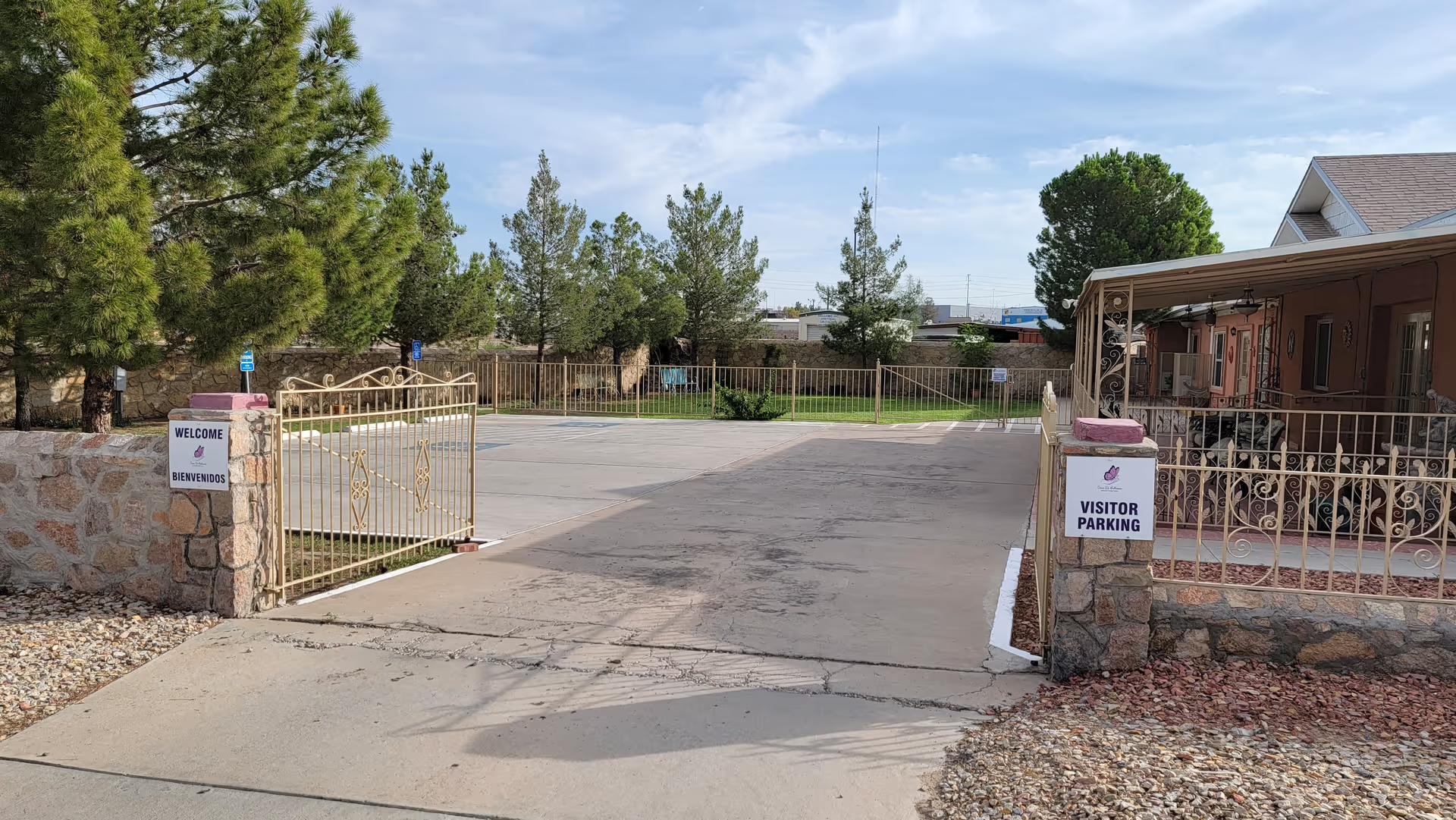
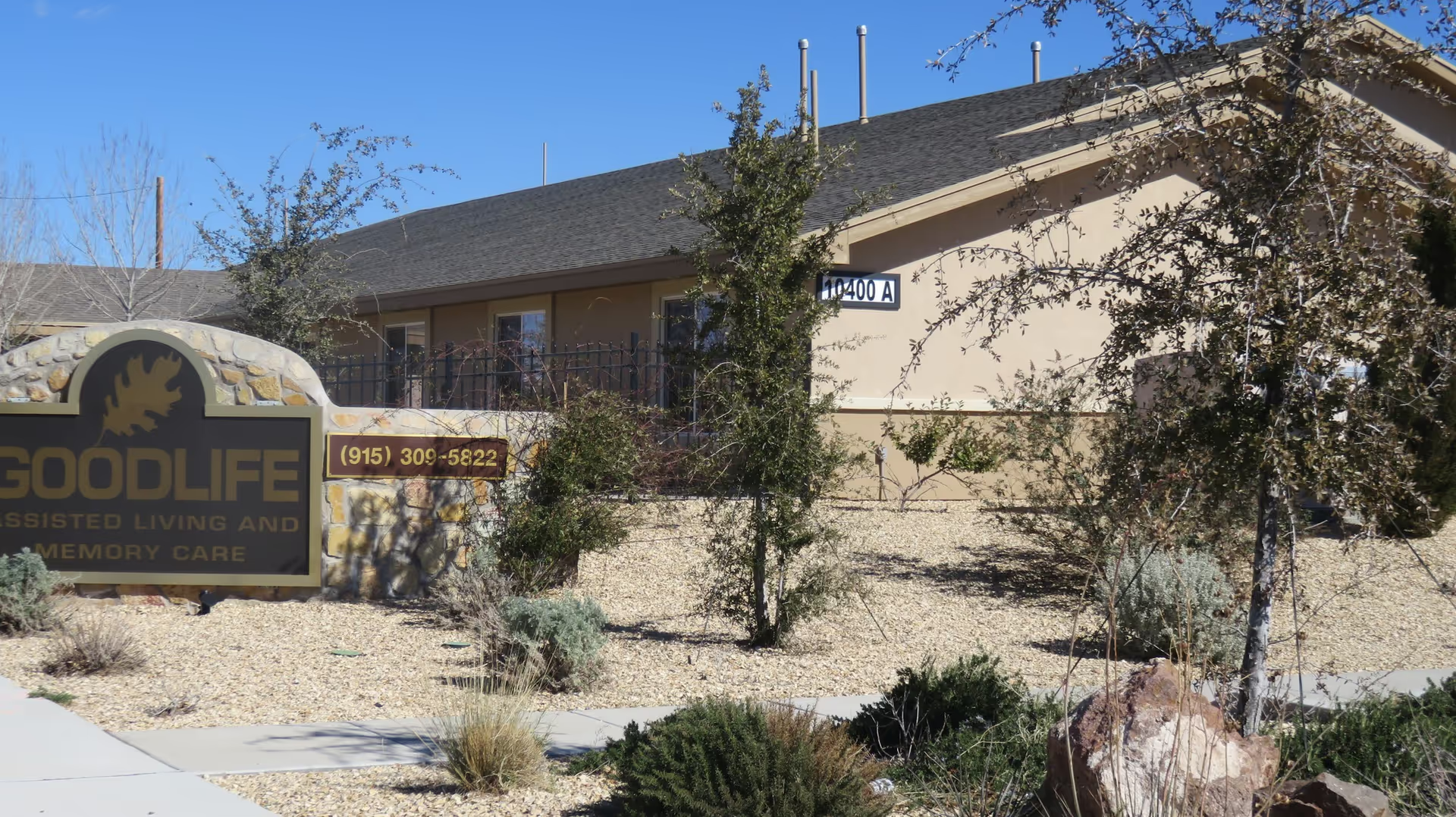
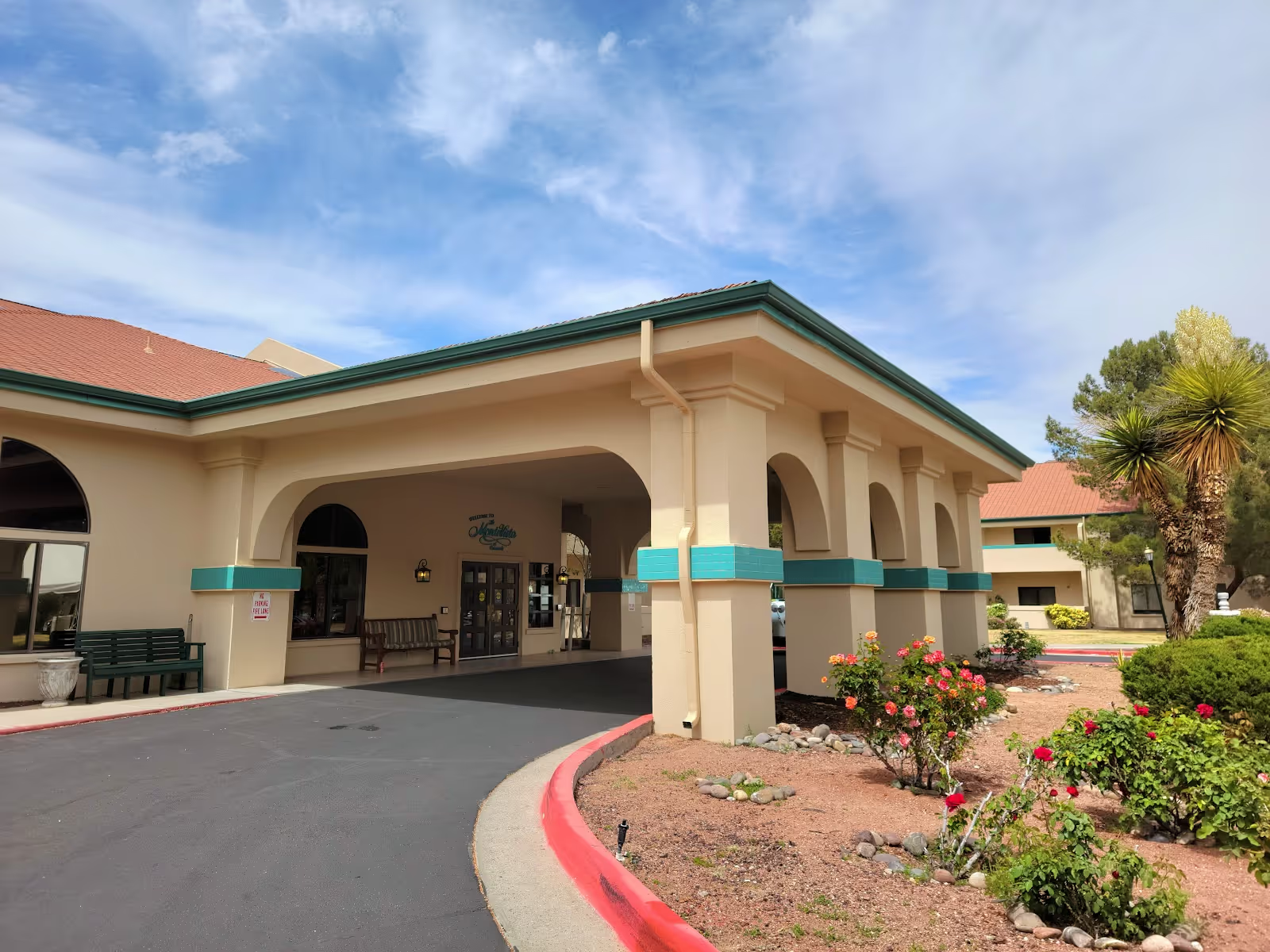
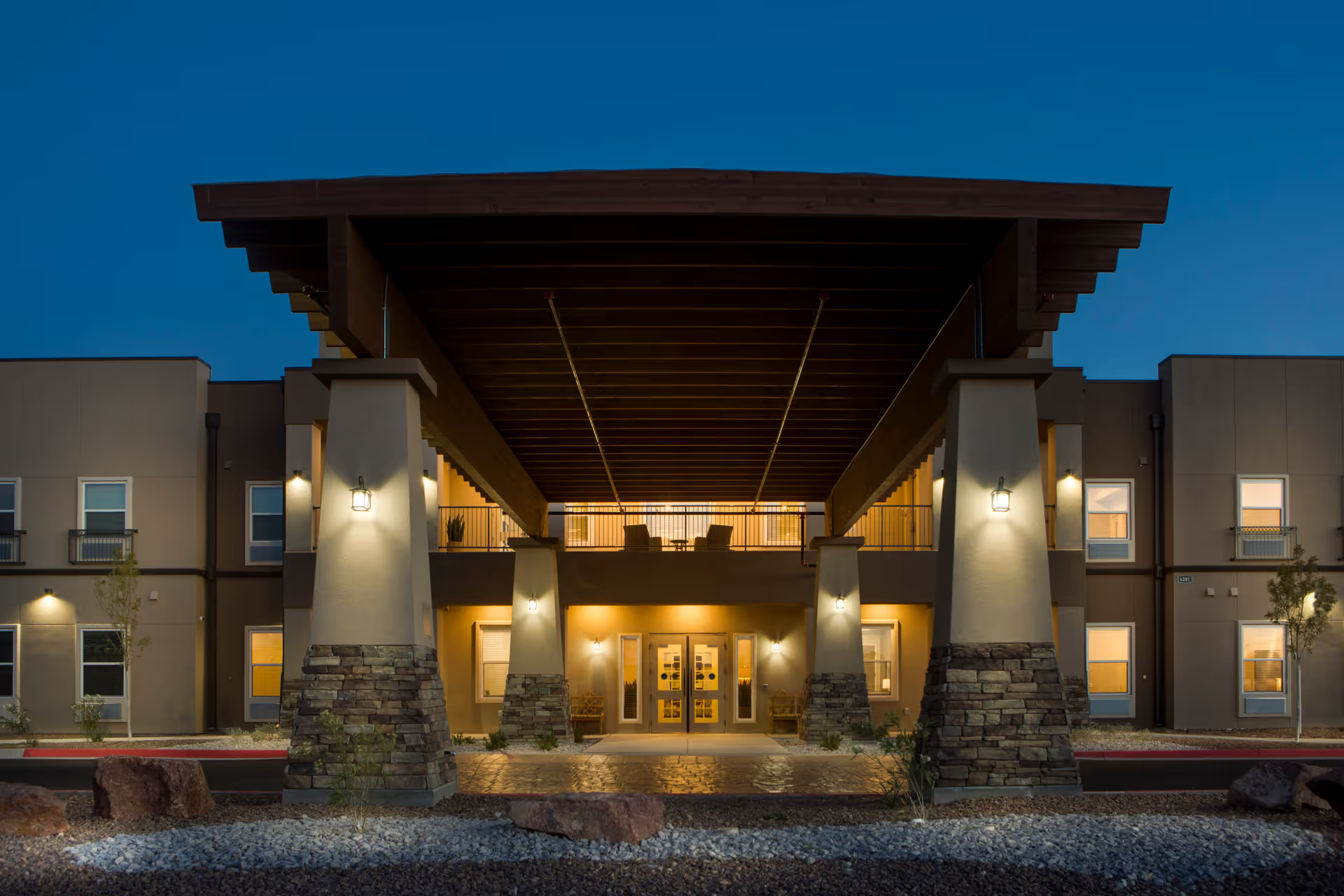
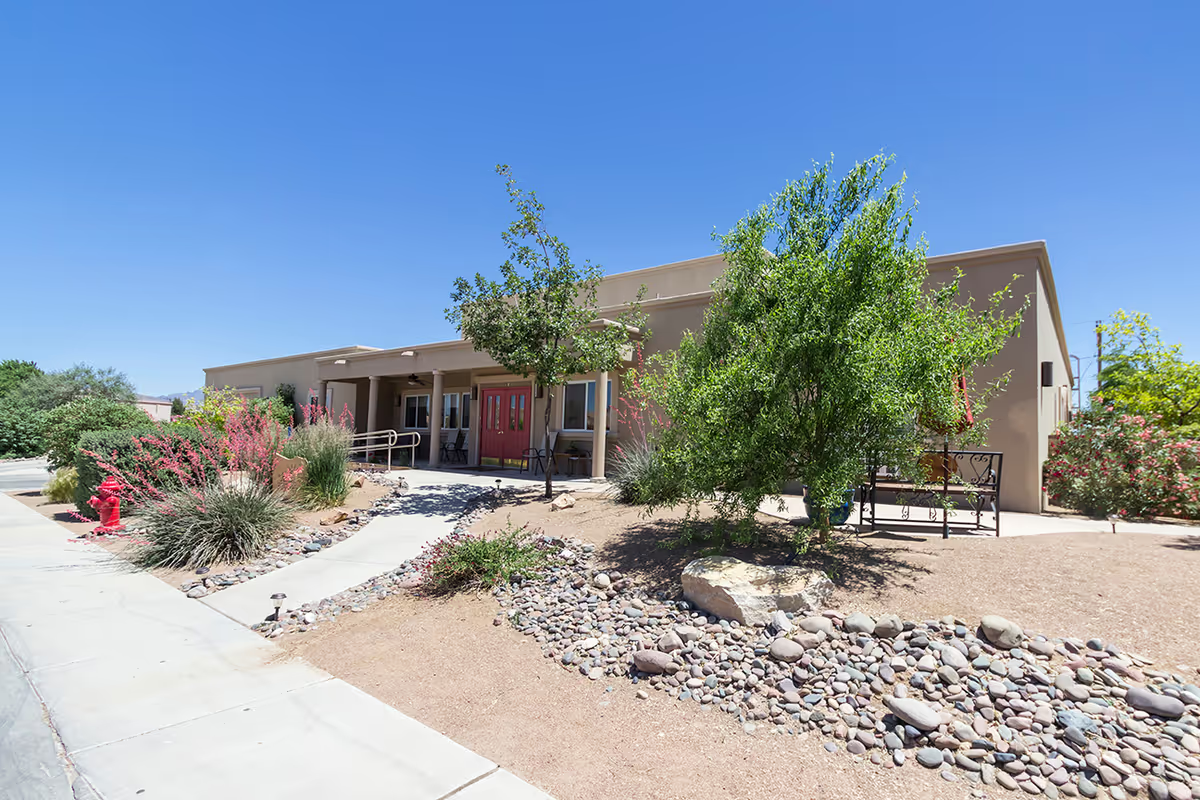
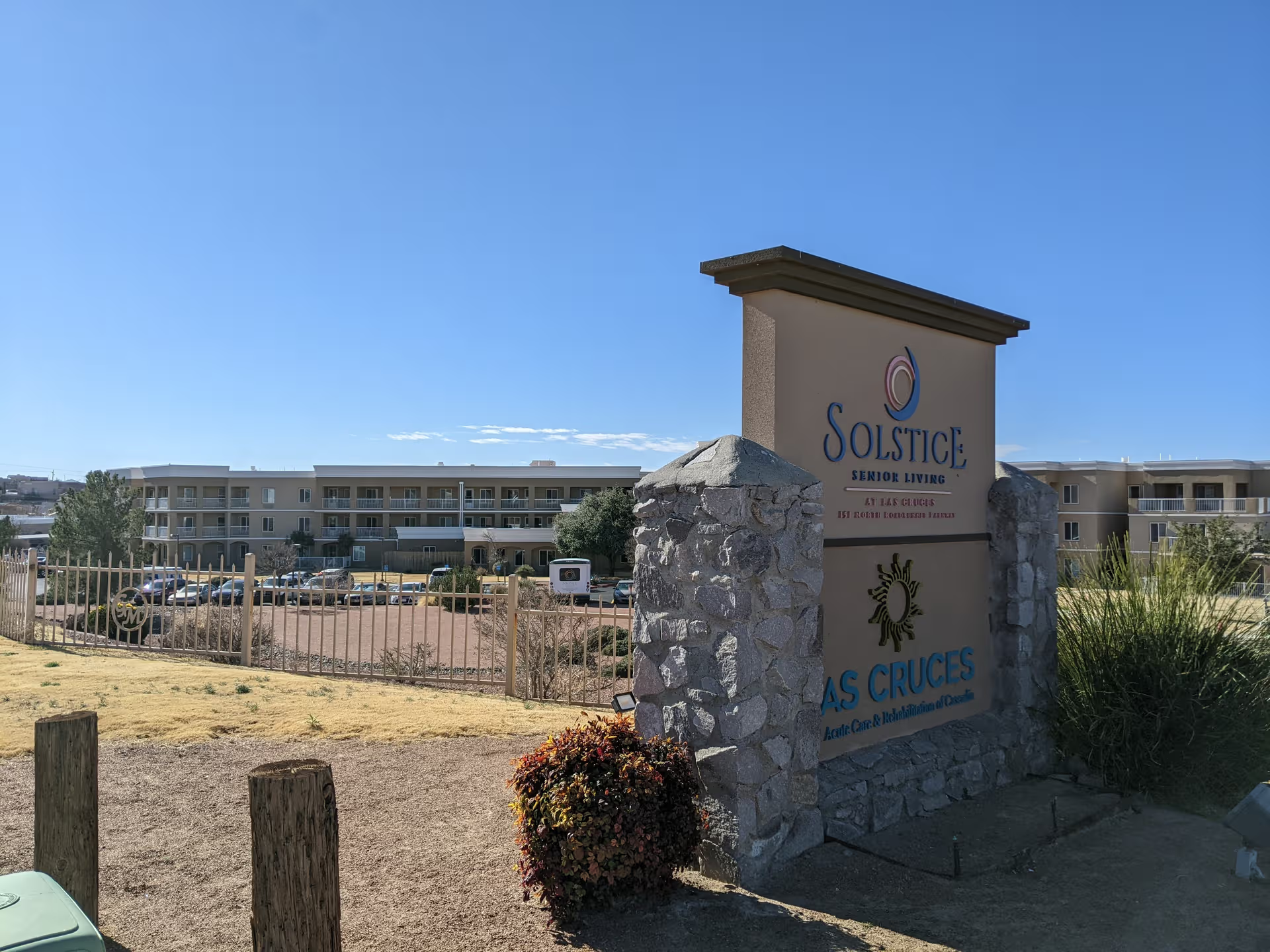
Oasis Nursing and Rehabilitation Center elicits a mix of positive and negative impressions from families and visitors. On the positive side, the facility demonstrates strengths in clinical infrastructure and programming: reviewers note 24/7 physician availability, preventive services including vaccinations, facilitated transportation to specialists, and coordinated emergency hospital arrangements. Rehabilitation and therapy services receive consistent praise, and many families describe a welcoming, home‑like atmosphere with active social, recreational, religious, and cultural programming led by engaged activity staff.
Staffing and direct care present a more mixed picture. Several accounts highlight courteous front-line staff, specific nurses and the nursing director as helpful, and a family-friendly approach that encourages visitation and personalized room decor. At the same time, there is clear variability in staff responsiveness and conduct: reviewers describe delays in responding to call lights, inconsistent follow-through on medication or lab requests, and uneven teamwork during some shifts. These operational inconsistencies extend to shift-change handoffs and occasional front-desk communication problems.
Operational and management patterns are similarly mixed. Positive notes include strong therapy outcomes, generally good meals, and visible nursing leadership. However, multiple reviews point to shortcomings in incident response and family communication after adverse events; there are also mentions of investigations and concerns following a resident's death. Other facility-level issues raised include cleanliness and sanitation variability in some areas, safety and structural maintenance concerns, unanswered phone lines, and perceptions that services do not always align with cost.
For prospective residents and families: the facility appears capable of delivering high-quality therapy and individualized care plans in many cases, and it offers robust programming and family engagement. At the same time, notable variability in staff responsiveness, communication, documentation practices, and certain operational areas suggests it is important to ask targeted questions during a tour. Recommended inquiries include staffing ratios and handoff procedures, incident‑reporting and family‑notification protocols, examples of clinical follow-up for lab and medication tasks, recent sanitation and maintenance audits, and specific contact points for escalation. These steps can help families weigh the facility's clinical strengths against the operational inconsistencies described by reviewers.