Overall impression: Legend Oaks Healthcare and Rehabilitation Center - Gladewater receives substantial praise for its direct-care staff, therapy programs, and the general upkeep of the physical plant. Many families and former residents praised the compassion and attentiveness of nurses and aides, effective OT/PT programming that supported return-to-home outcomes, and a clean, painted facility with welcoming reception and spiritual offerings. Several accounts describe staff who communicate with families, transport residents promptly to medical appointments, and provide comforting end-of-life or hospice support.
Care and staff: The dominant positive theme is strong personal care when staffed and attentive: caring aides and nurses, proactive communication with families, and collaborative clinical teams during rehabilitation. However, reviews also describe variability in day-to-day operations. Patterns include inconsistent staffing levels that contribute to overburdened nurse aides, use of agency staff with uneven preparation, delays in medication administration, and intermittent lapses in personal-care routines (for example, bathing and incontinence-related needs). There are also reports of individual staff-conduct concerns and instances where family members felt privacy practices were not consistently upheld.
Dining and activities: The facility offers routine activities, worship services, and social events that many residents and families find meaningful. Dining impressions are mixed: some reviewers enjoyed meals and special events, while others described bland, dry entrees and basic side offerings. The dining spaces and some common areas are described as simple and utilitarian rather than hospitality-focused; food quality appears inconsistent.
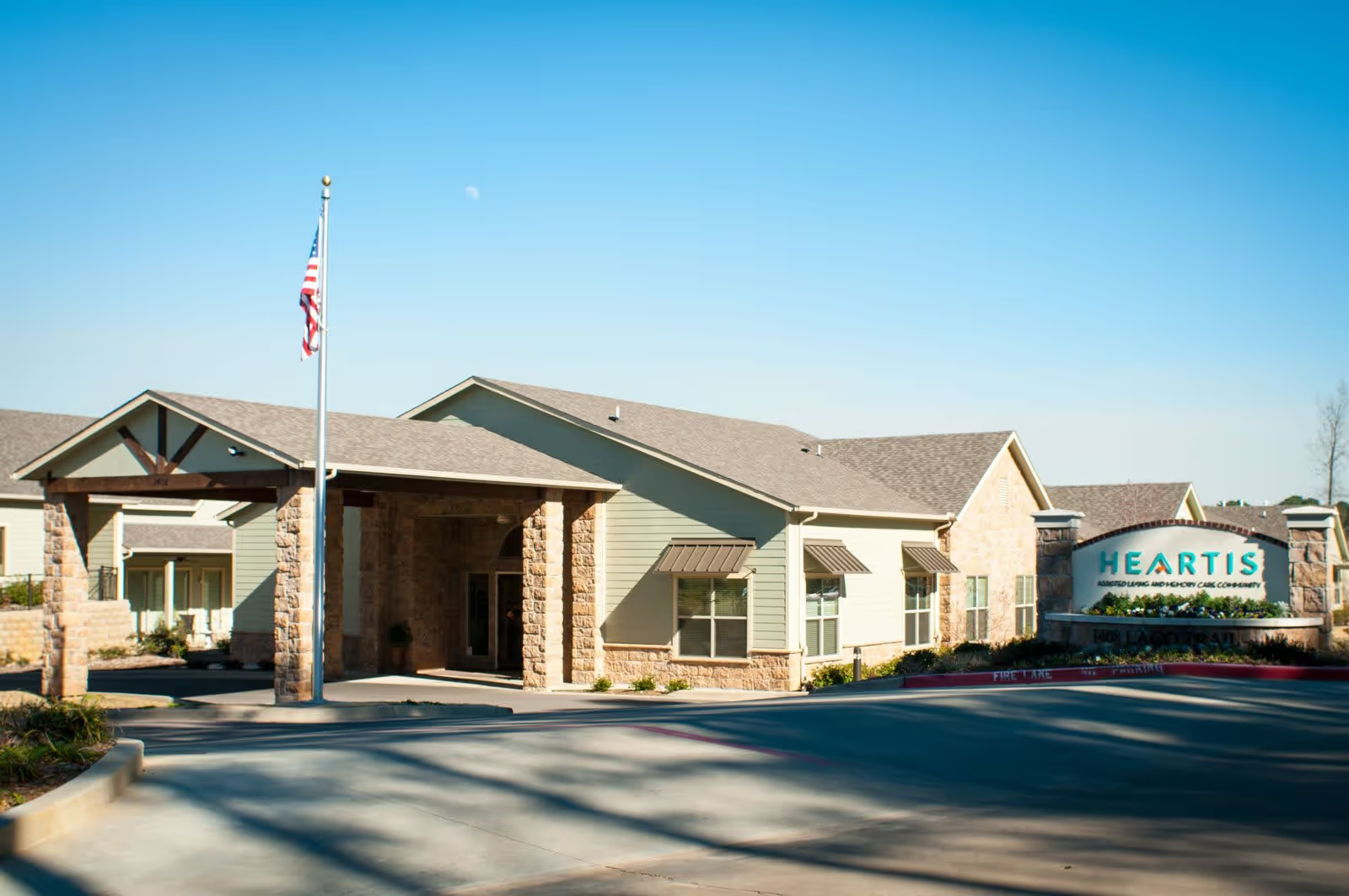
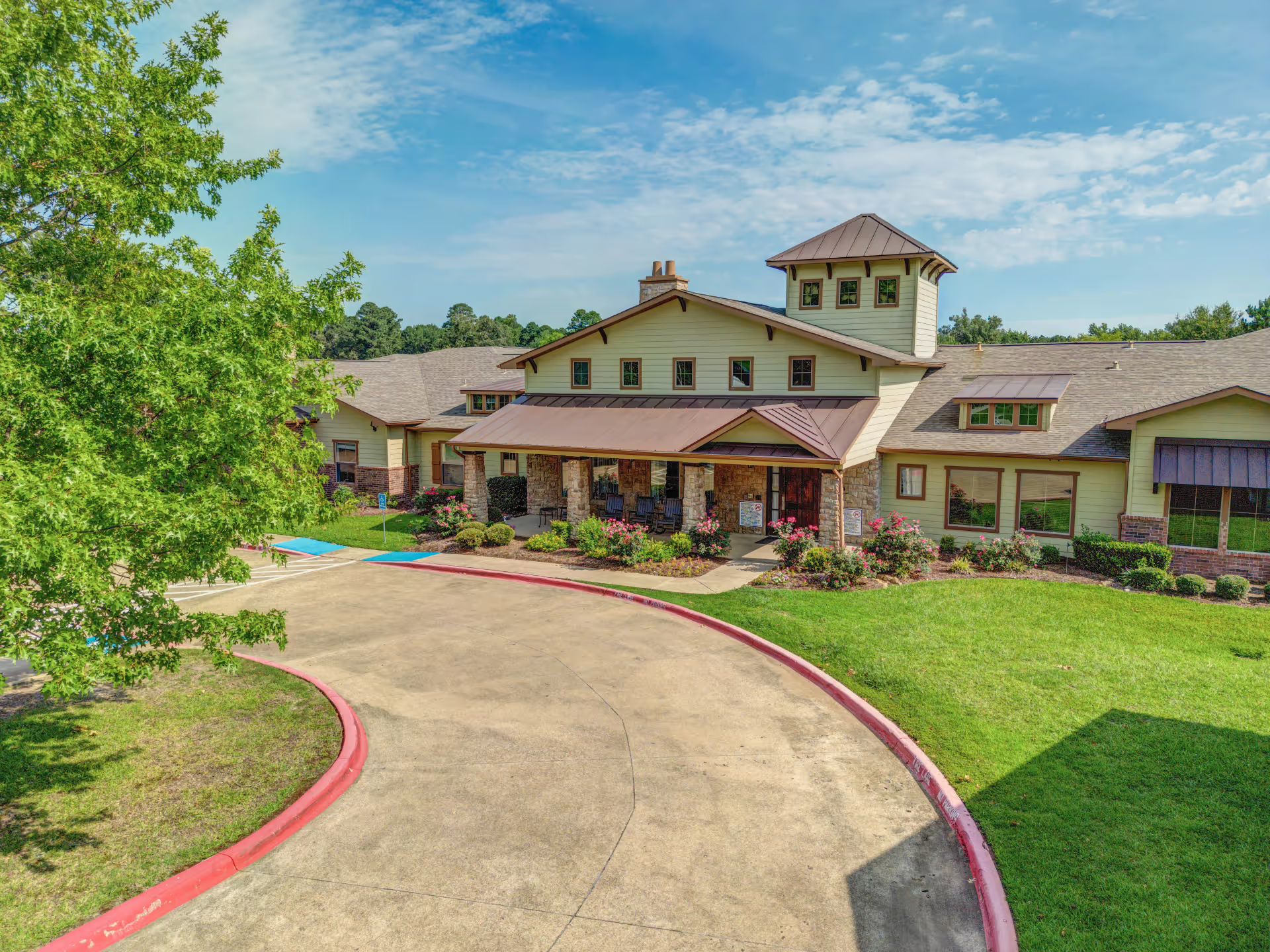
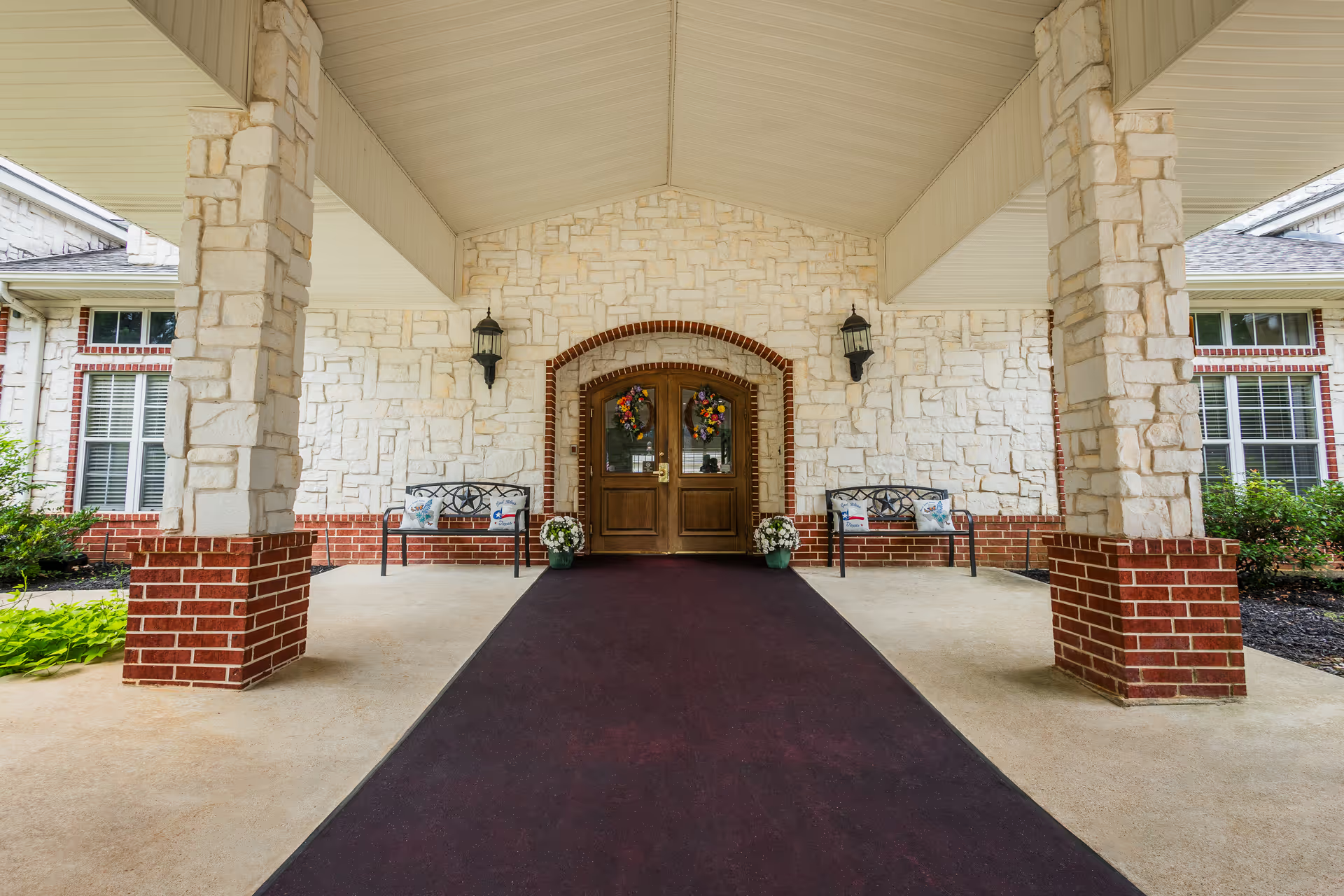
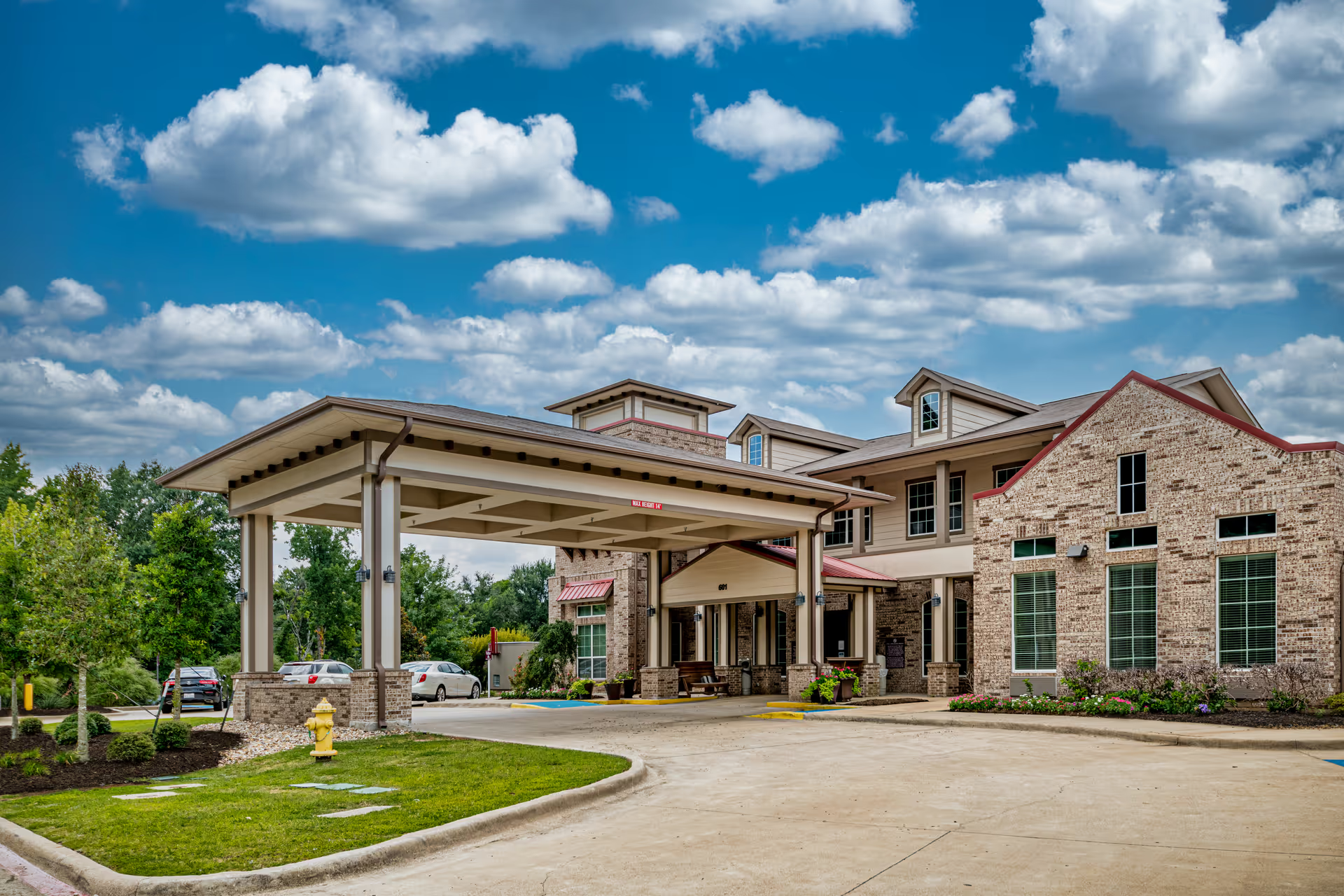
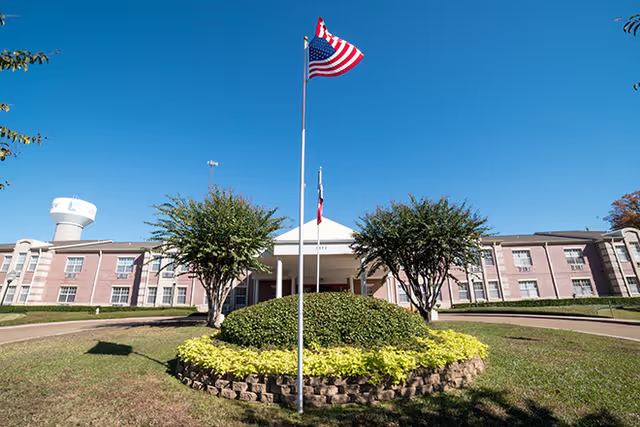
Facilities and environment: Physical maintenance and cleanliness are recurring strengths for many reviewers, with references to tidy rooms, regular bedding, and well-kept common areas. Counterbalancing this, reviewers raised operational concerns including persistent alarm/intercom noise from central nursing stations and room-assignment instability when census is high. Several reviews raised sanitation and pest-control concerns in specific units; these were described as localized operational problems rather than universal facility attributes.
Management and trends: Family experiences with management and administration vary. Some reviewers praised accessible, helpful administrators and named staff who facilitated care transitions; others described slow responsiveness, unmet promises, and a climate where staff appeared fearful or overworked. Notably, at least one review referenced a state regulatory investigation, indicating there have been serious concerns requiring regulator attention. That history, coupled with variation in agency-staff competency and inconsistent operational practices, suggests families should ask focused questions about current staffing ratios, medication protocols, infection/pest-control measures, privacy practices, and roommate/room-assignment policies when evaluating the facility.
Bottom line: The facility demonstrates clear strengths in direct care, rehabilitation services, and community/faith-based activities, and many families report positive outcomes and respectful interactions. Concurrently, there are recurring operational themes—staffing variability, medication and personal-care delays, inconsistent dining quality, noise management, privacy lapses, and some pest-control and regulatory-history issues—that merit careful inquiry. Prospective residents and families will be best served by touring the specific unit they would occupy, asking for up-to-date information on staffing and quality metrics, and discussing room-assignment and infection-control plans with administration before placement.