Care quality at the facility appears mixed but shows clear strengths. Reviewers commonly praised nursing personnel, CNAs, and therapy staff for attentive hands-on care and functional rehabilitation; multiple accounts describe residents improving and staff using residents' names, which supports a personalized approach to daily care. At the same time, there are recurring operational gaps: nursing responsiveness is uneven across shifts, and assistance with activities of daily living (for example, bathing and linen changes) is not consistently delivered.
Family communication practices vary. Several reviewers described timely, helpful updates and a reliable nursing leader who facilitated information flow, while others experienced difficulty reaching staff by phone, inconsistent messaging from multiple callers, and a desire for a single designated family contact or regular weekly reports. These communication inconsistencies extend to clinical updates—families sometimes must request information rather than receiving proactive briefs.
Dining and dietary management are also inconsistent. Positive comments about residents eating well coexist with complaints about repetitive menus, cold meals, slow tray delivery, and instances where dietary restrictions were not followed. These indicate weaknesses in meal-service coordination and oversight of special-diet implementation that affect resident satisfaction.
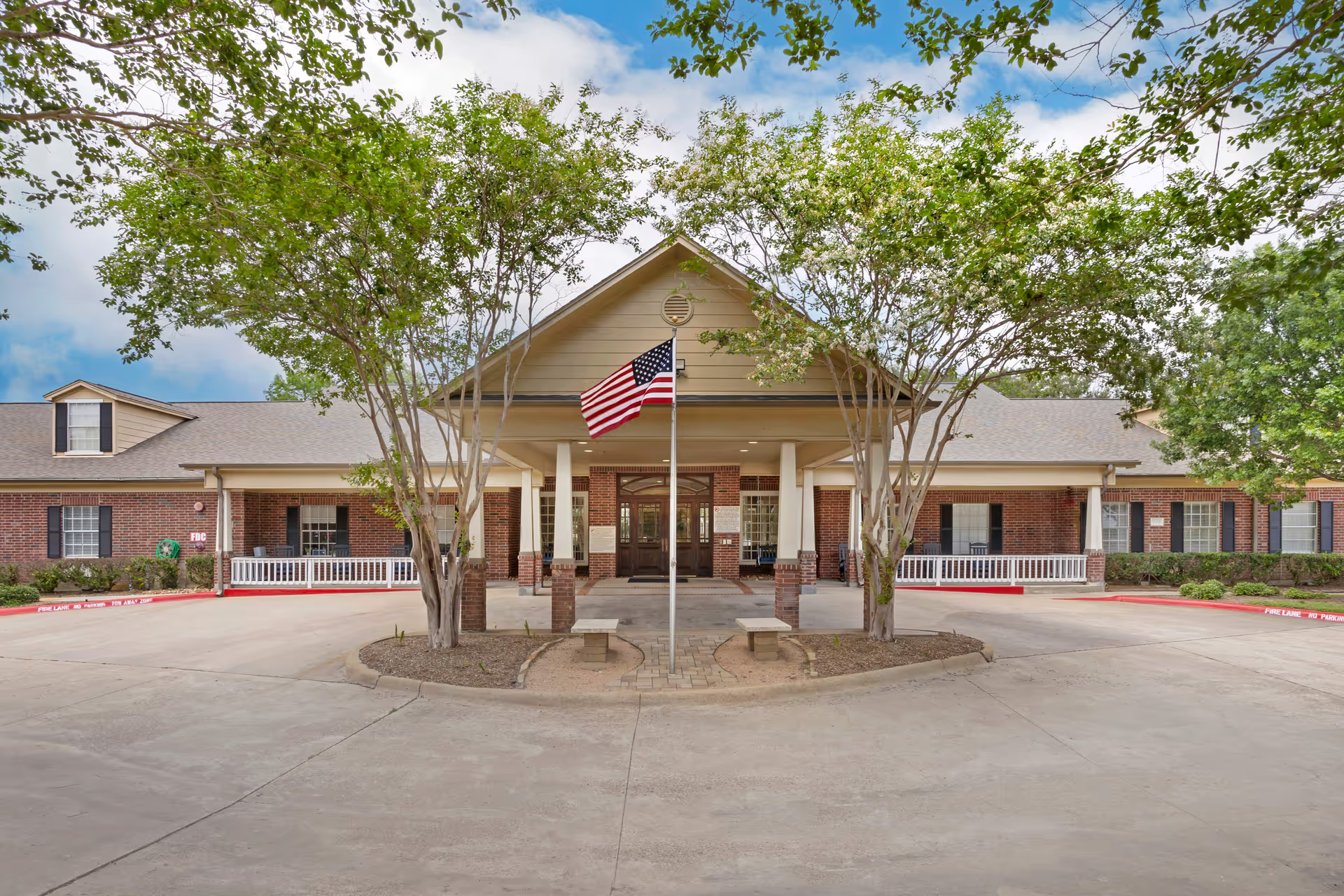
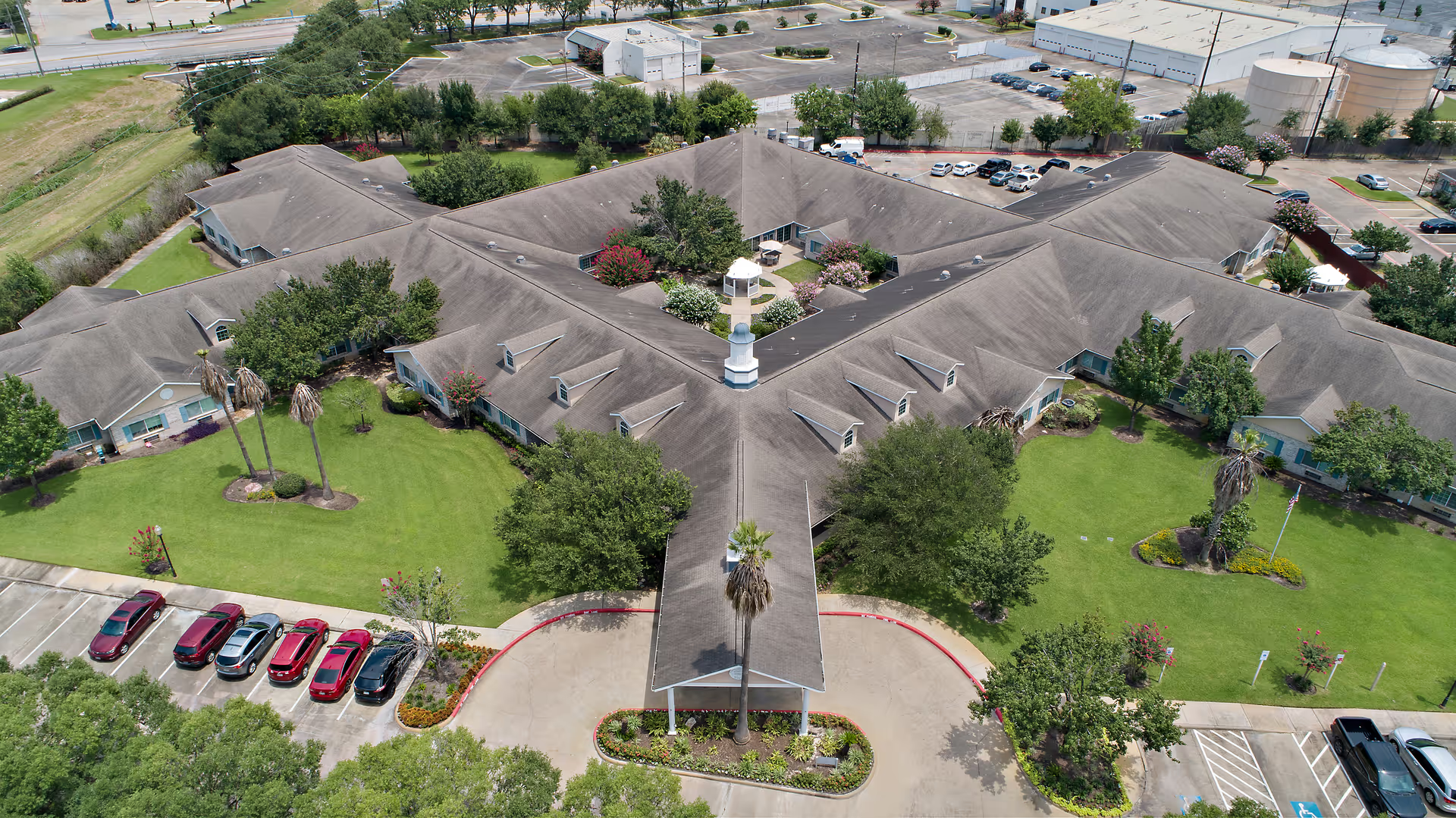
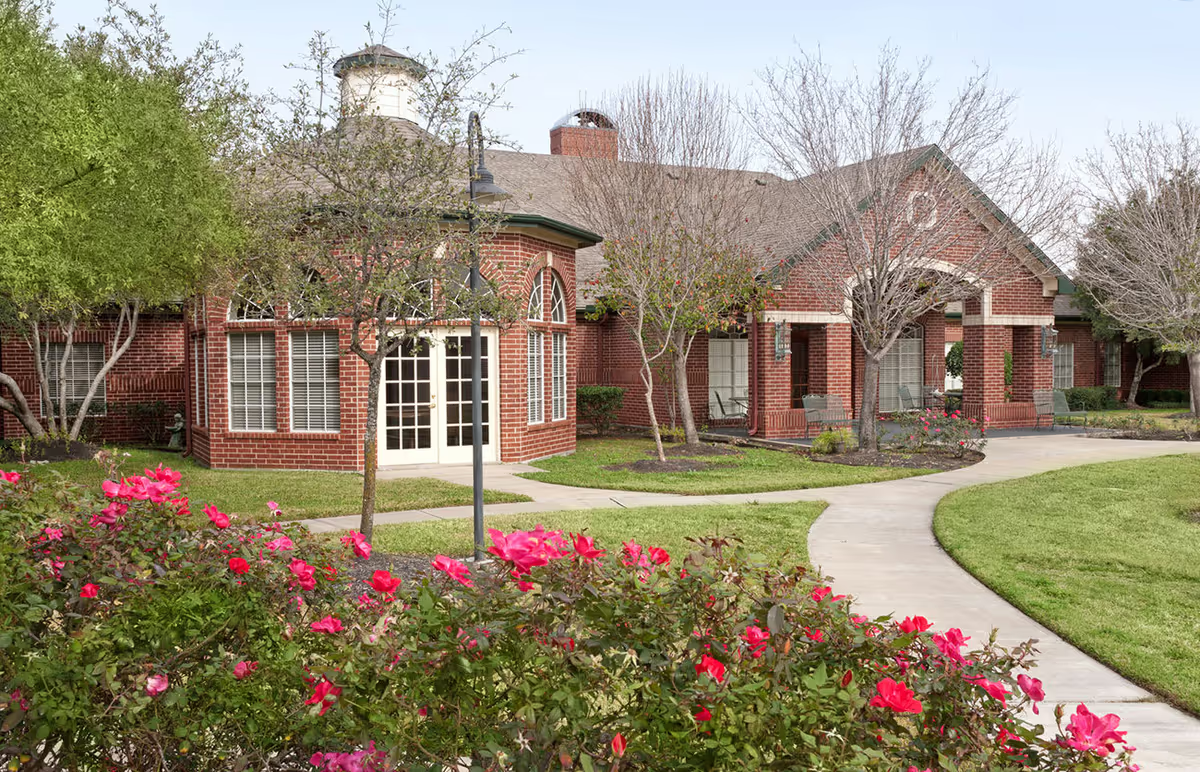
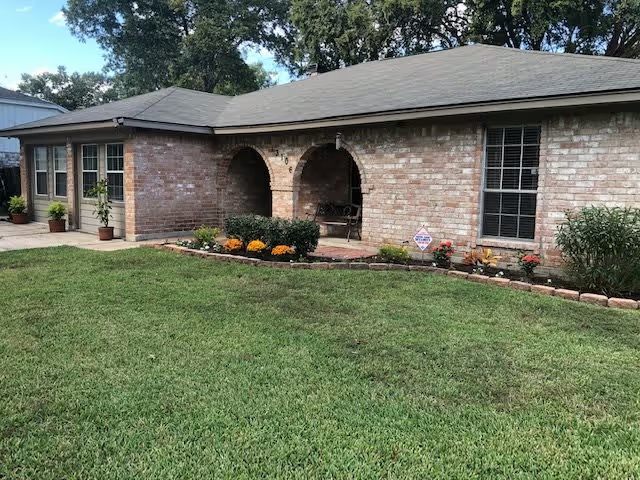
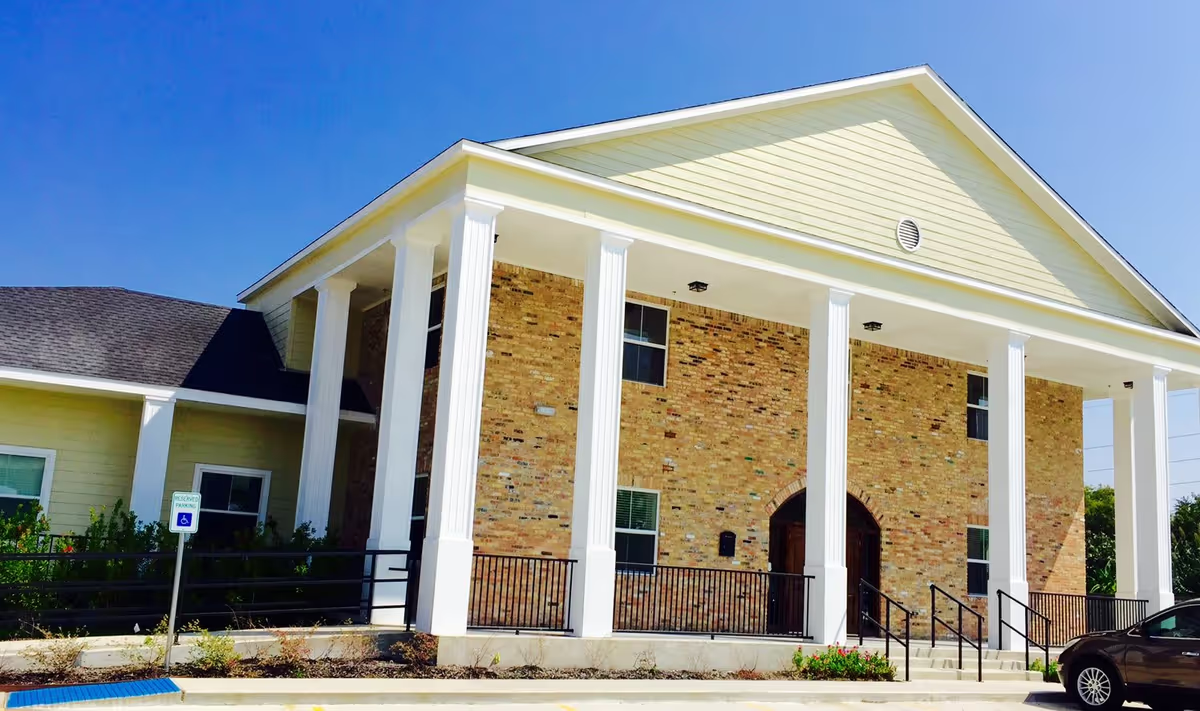
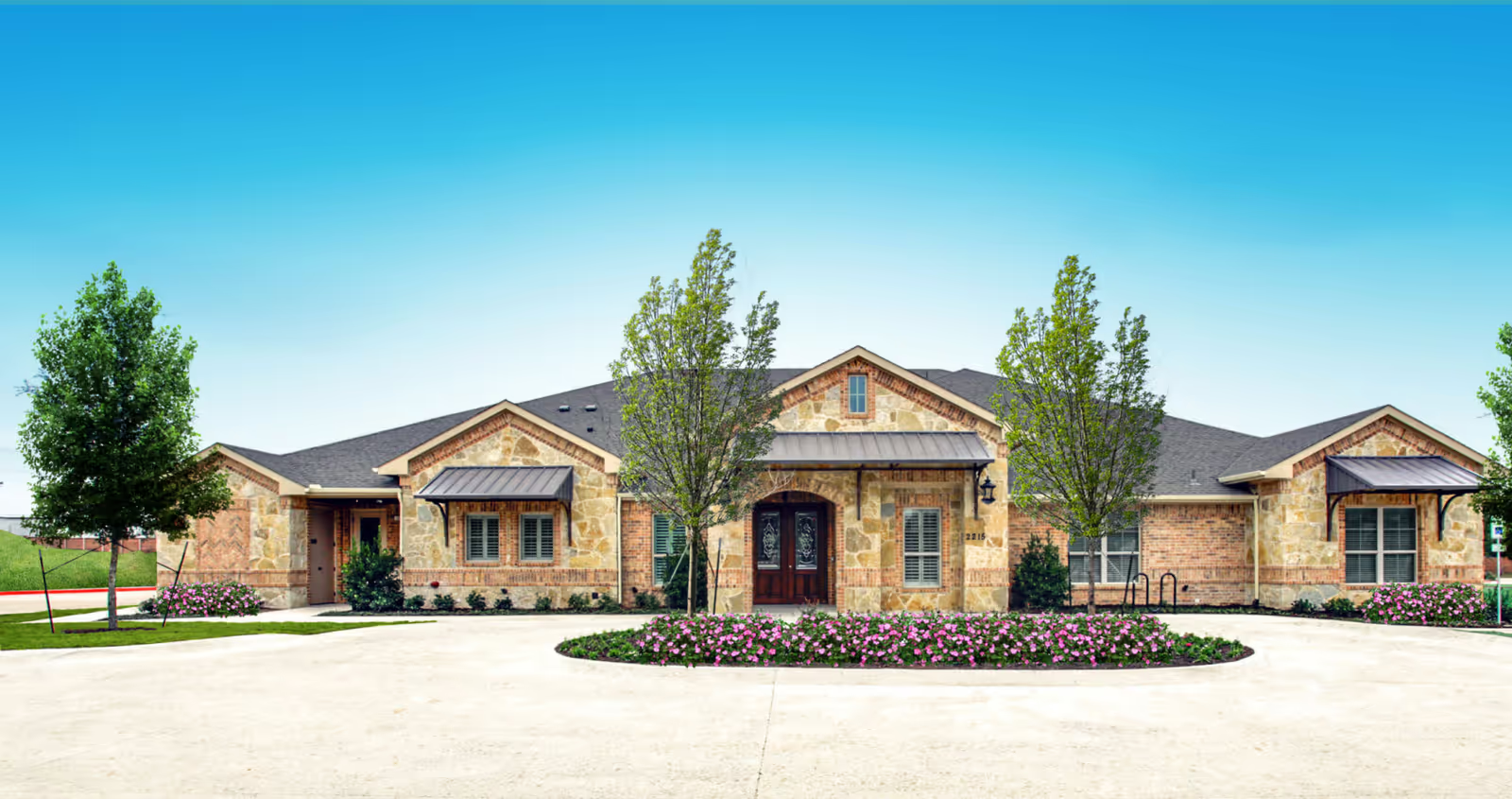
Facility upkeep presents a mixed picture. Many reviewers noted clean, pleasant common areas with a generally well-maintained interior and agreeable odors, but others raised sanitation and pest-control concerns and described maintenance issues such as temperature-control problems, nonfunctioning showers or internet, and damaged furniture. These infrastructure problems can affect resident comfort and daily routines.
Management and culture show variability. Praise for compassionate front-line staff sits alongside comments about high turnover, uneven professionalism, and inconsistent follow-up from leadership. Limited bilingual staffing—specifically a lack of Spanish-language access—was called out as a barrier to communication for some families.
Notable patterns: experiences appear polarized—some families report very positive care and communication, while others report operational shortfalls that materially affect daily life (meals, personal care, maintenance, and access to information). Prospective residents and families should consider asking for: a detailed plan for ADL support and bathing schedules, the facility's process for dietary restriction enforcement, a designated family point-of-contact, measures for pest control and maintenance responsiveness, and availability of bilingual staff or interpretation services. These inquiries can help clarify whether the facility's strengths align with a particular resident's needs and whether identified weaknesses are being actively addressed.