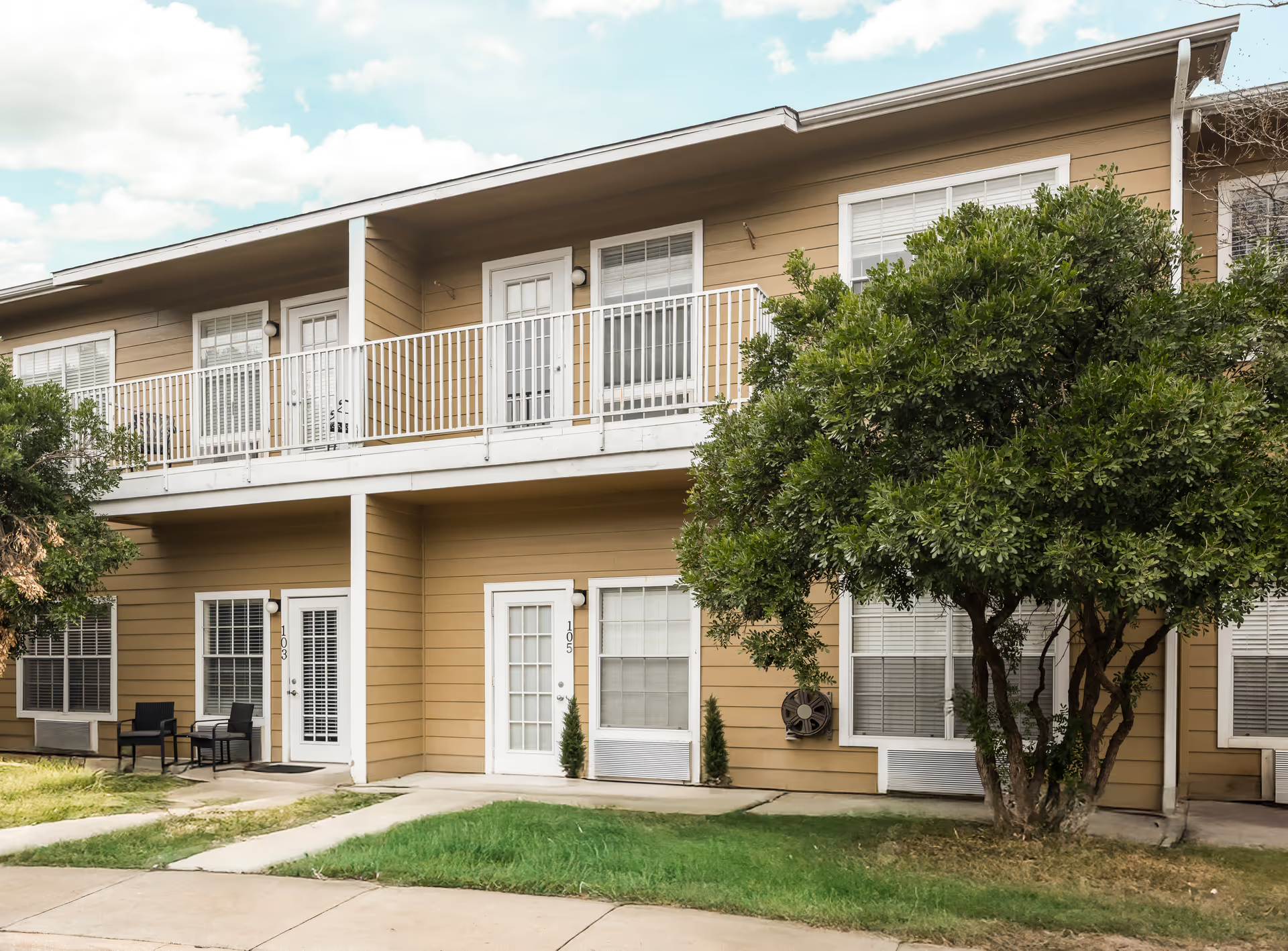
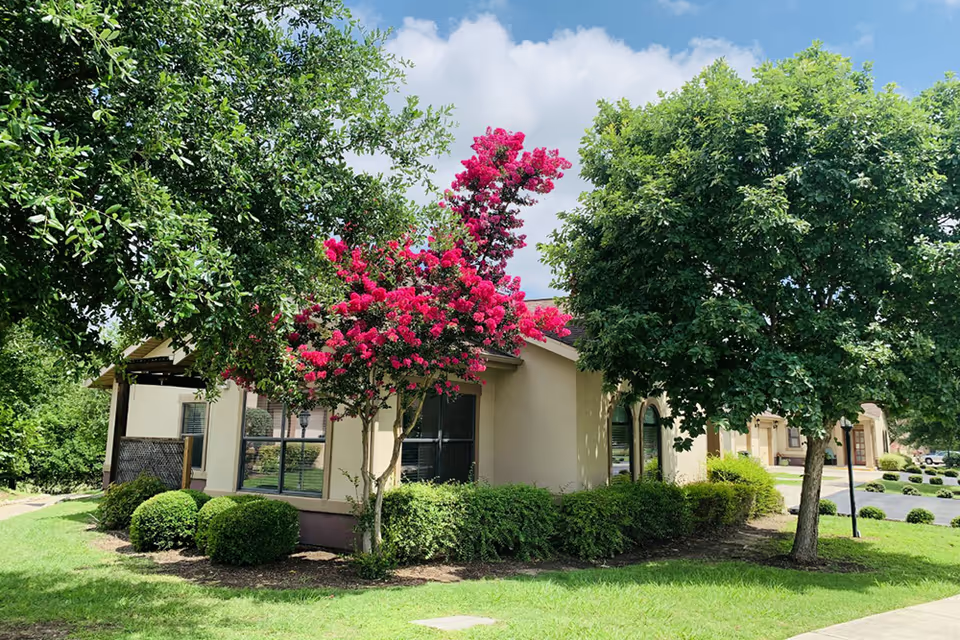
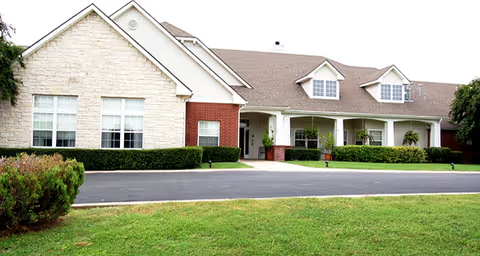
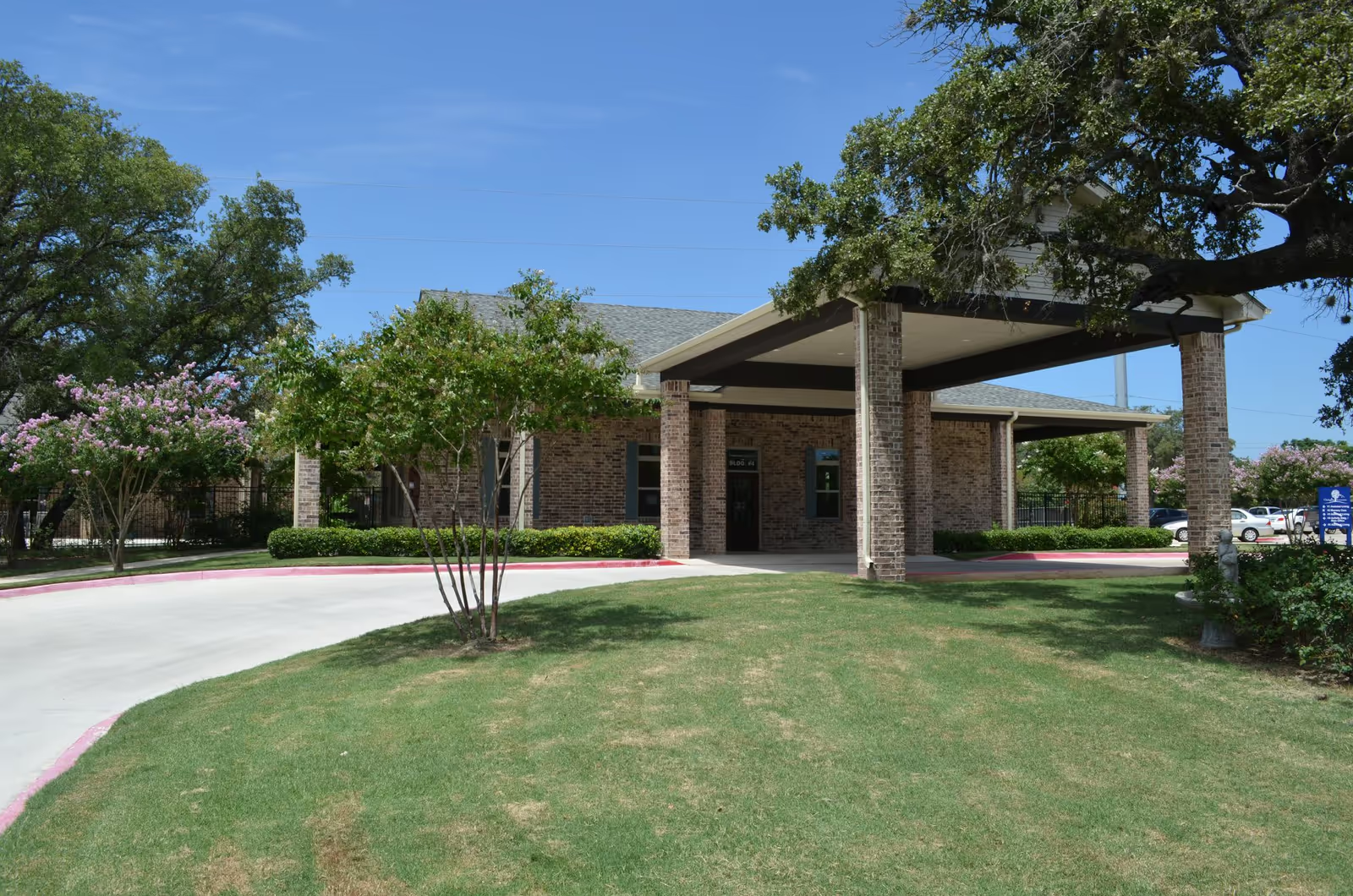
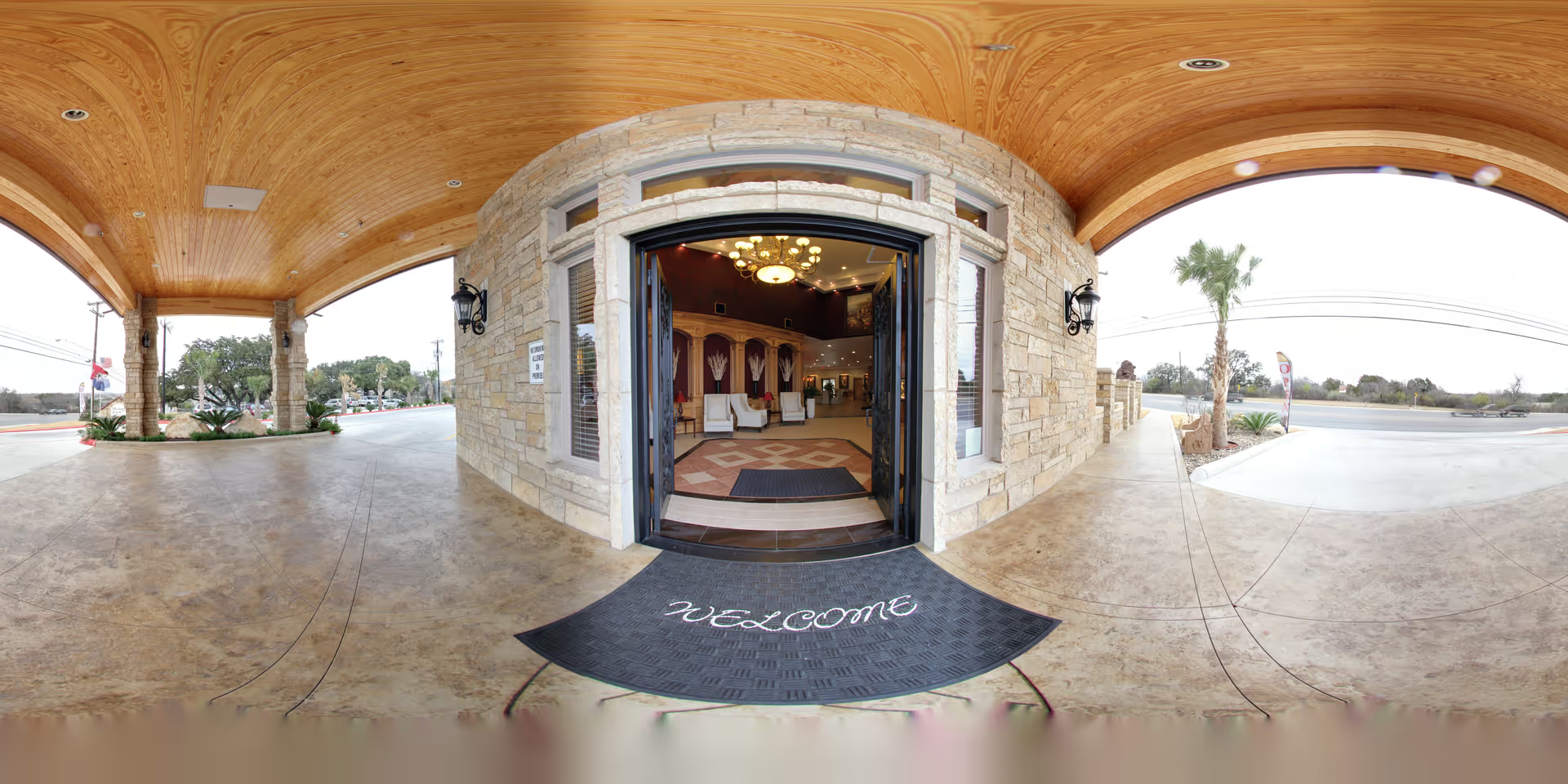
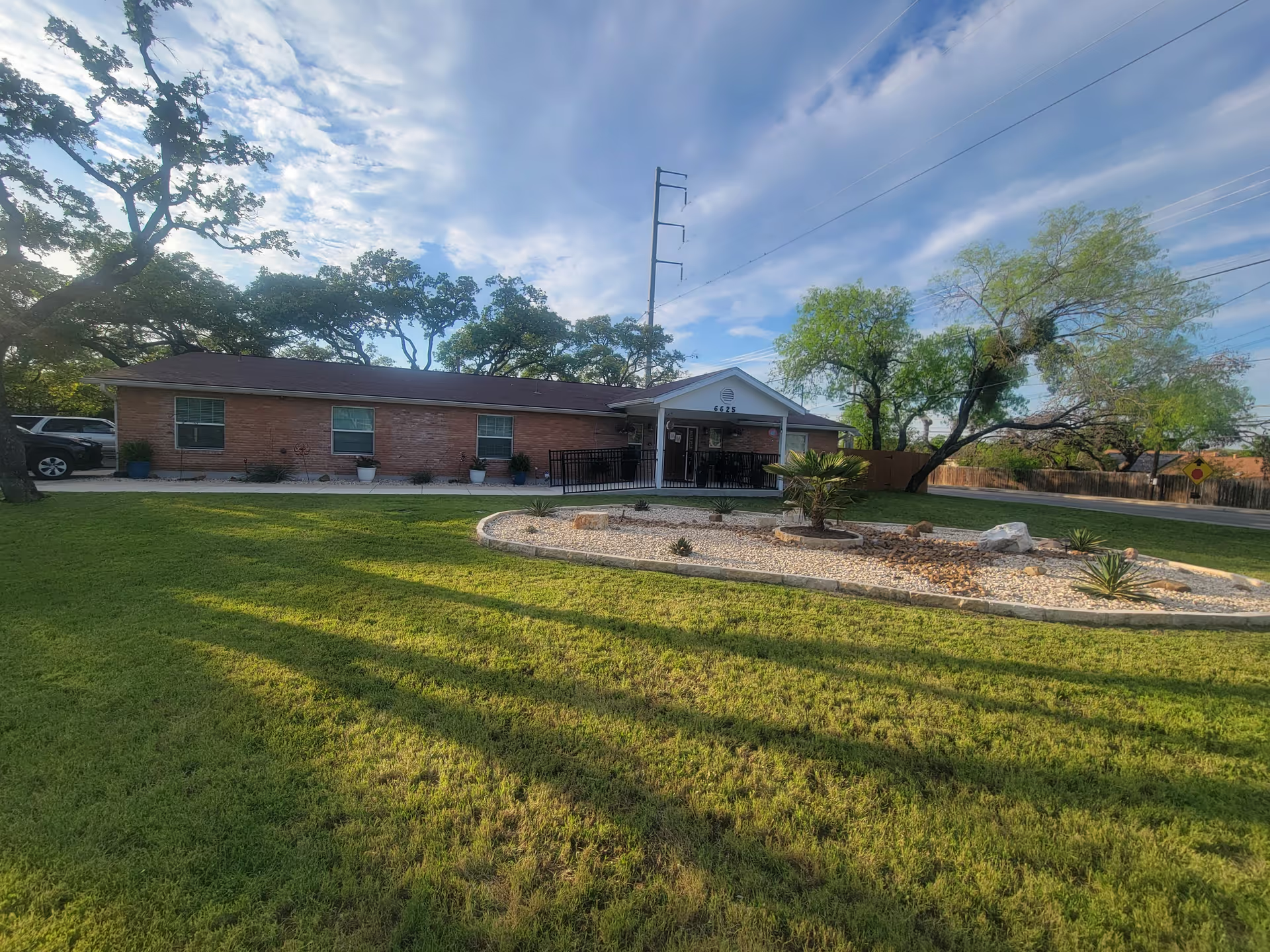
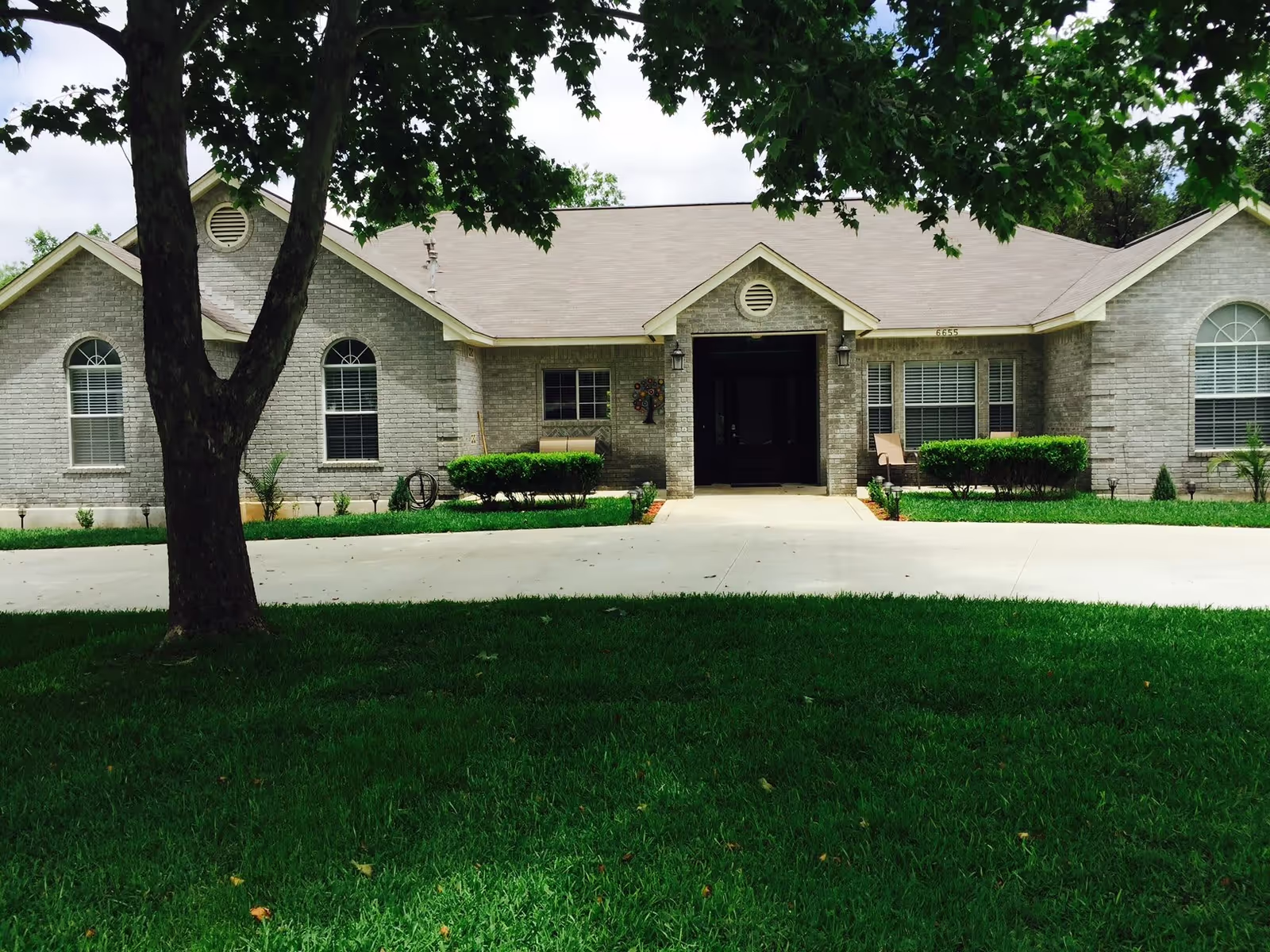
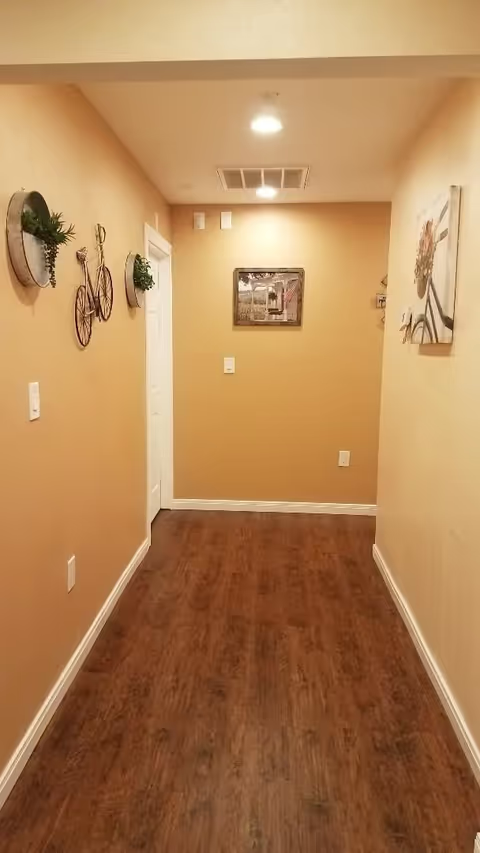
Huebner Creek Health & Rehabilitation Center elicits a strongly mixed set of impressions. Many reviewers describe a clean, well-maintained building, pleasant grounds, and a welcoming, home-like atmosphere. The therapy department (physical, occupational, speech) and activities staff receive frequent praise for being energetic, engaged, and focused on preparing residents to return home. Several individual staff members and departments — including nurse practitioners, social services, maintenance, laundry, and dietary personnel — are singled out for respectful, supportive interactions and for going above and beyond during COVID-era restrictions.
At the same time, there is consistent evidence of operational variability. While some families encountered attentive, knowledgeable clinical care, others described inconsistent care quality and lapses in clinical oversight. Common operational themes include understaffing and turnover that appear to affect response times to assistance requests and call lights, variability in how nursing tasks are performed unit-to-unit, and gaps in medical-record and physician-order management. Reviewers also raised concerns about fall-prevention and patient monitoring processes and about equipment- and device-check procedures.
Dining and nutrition impressions are mixed. Some reviewers praised dietary staff and meal portions, while others described inconsistent meal quality, a shift toward prepackaged or less nutritious offerings, and insufficient options for therapeutic diets such as diabetes management. Activities programming is generally described as strong and engaging, with daily social activities and therapy-driven sessions; however, a subset of comments indicated variable availability of recreational programming depending on staffing and scheduling.
Facility cleanliness is noted positively in many comments, but there are recurring references to linen sanitation and intermittent odor concerns in common areas. Administrative issues are another theme: families reported abrupt leadership changes, uneven communication from management and social services, and occasional billing or financial-transaction concerns. There are also a small number of serious individual allegations — including missing personal items and financial irregularities — that families believed warranted follow-up.
Taken together, the pattern suggests a facility with genuine strengths in therapy, interpersonal staff relationships, and the physical environment, but with operational and management weaknesses that can materially affect a resident’s experience. Prospective residents and their families should consider an in-person tour focused on current staffing ratios, fall-prevention protocols, clinical documentation and medication/order management, therapeutic-diet accommodations, infection-control and equipment-check procedures, and billing transparency. Asking for recent staffing turnover data, examples of how the facility handles missed-call follow-up, and direct references for standout staff members may help clarify whether the facility’s strengths are consistently delivered for a particular unit or patient population.