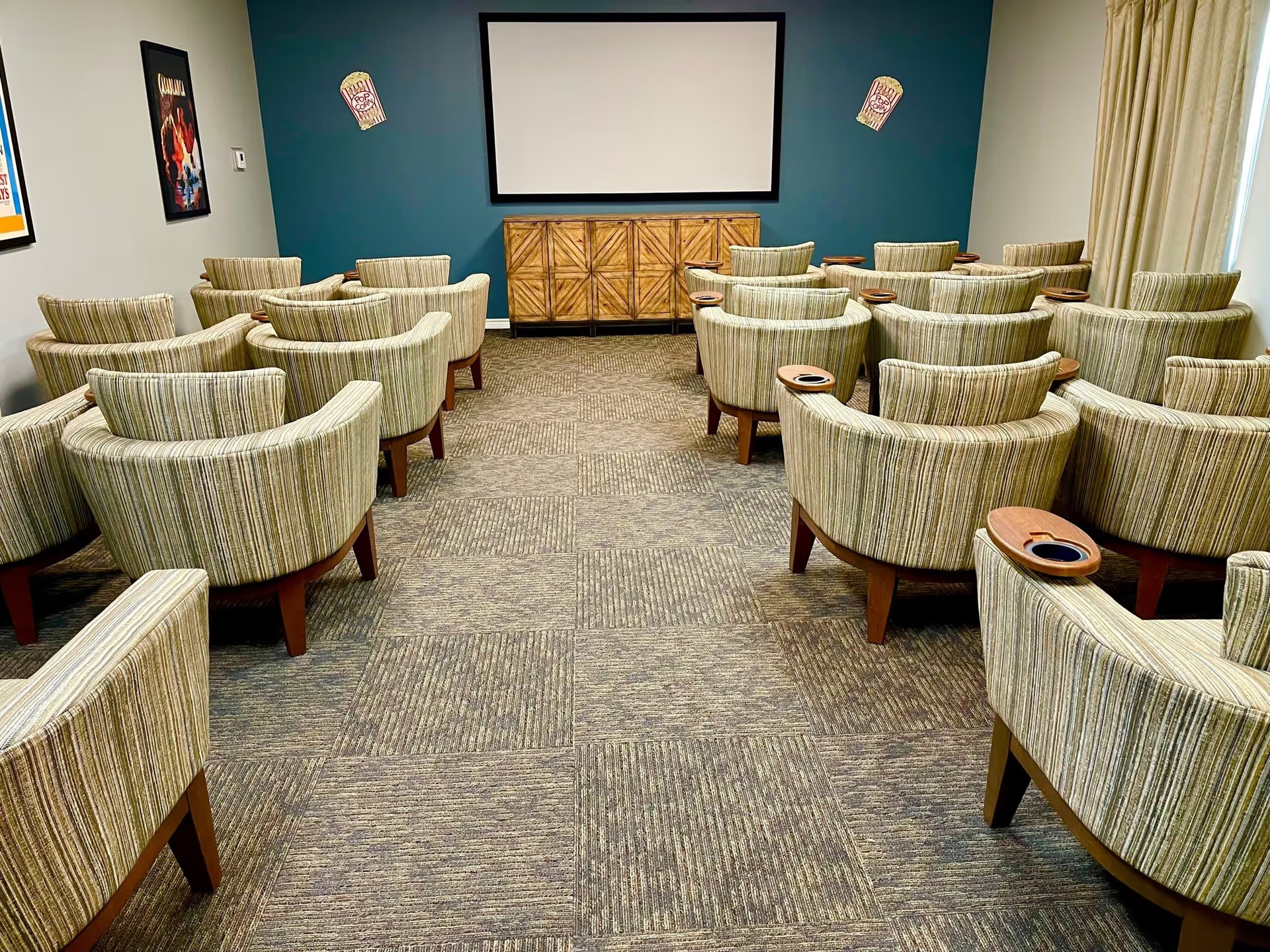
Stone Oak Care Center elicits a mixed but actionable portrait. Many family members and visitors highlight the facility's strengths: direct-care staff are frequently described as compassionate and attentive, and the rehabilitation program (PT/OT) receives consistently positive mention for improving function and facilitating transitions. The facility offers a range of amenities and activities—library, quilting, bingo and horse-race events, monthly outings, weekend church services, and social spaces such as a lobby and small on-site concessions—that contribute to resident engagement. There is also notable praise for hospice and end-of-life care, and several accounts describe considerate, peaceful support during residents’ final days.
Clinical care and staffing present a bifurcated picture. On many units nursing and therapy staff are praised for good hands-on care and leadership, and some families specifically named nursing leaders who went above and beyond. However, recurring concerns about staffing shortages, frequent turnover, and limited CNA or RN coverage during certain shifts are a clear pattern. Reviewers cite delays in responding to call buttons and in notifying families about acute events; these indicate gaps in real-time clinical responsiveness and family communication that prospective families should evaluate directly.
Dining and nutritional support are another area of mixed performance. Several reviewers appreciated clean dining areas, customizable meal choices, and enjoyable meals on some occasions. At the same time, there are persistent complaints about menu repetition, inconsistent meal quality between days or units, and a lack of therapeutic diabetic options and sugar-free desserts. These observations point to inconsistent meal-service continuity and limited therapeutic-diet flexibility rather than a uniformly poor food program.
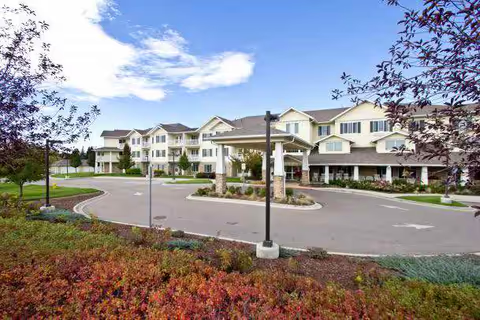
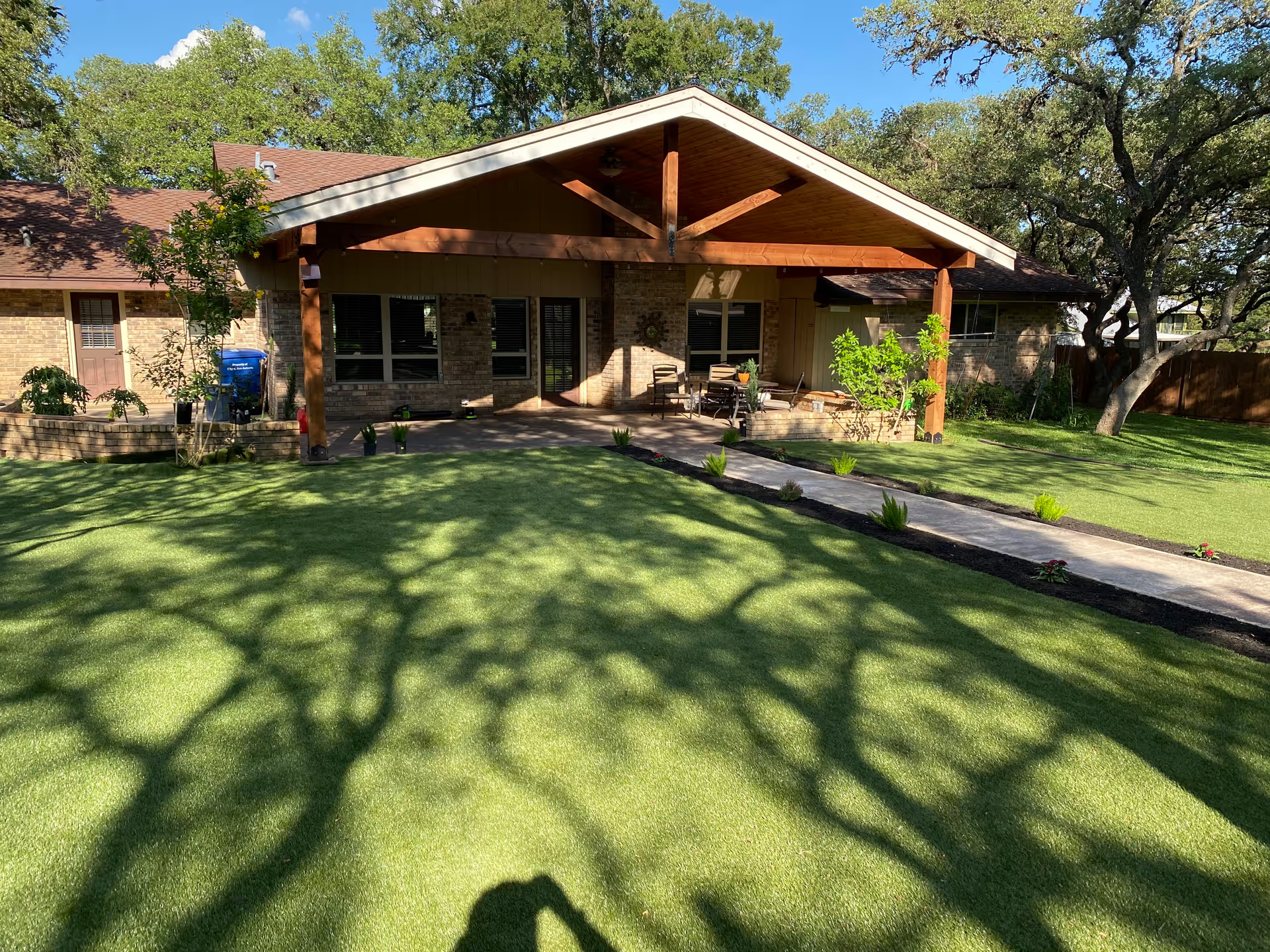
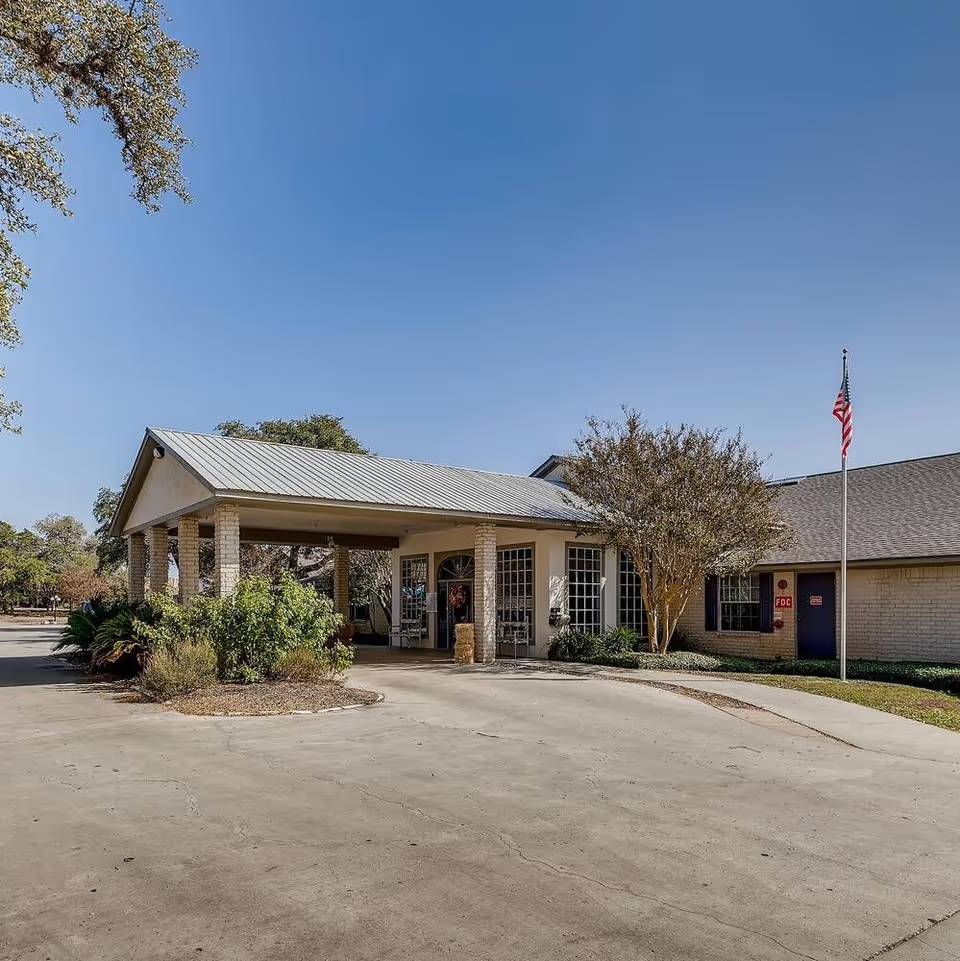
Activities and social programming are generally a strength in terms of offerings, but utilization and resident experience appear uneven by unit. Some halls and residents report active, engaging daily programming and regular outings; others report low participation or front-of-TV congregations that reduce social variety. Facility spaces (wide hallways, pleasant lobby, outdoor yard) support programming, but room sizes and décor vary—some rooms were described as in need of updating.
Management and operations show both positive and problematic themes. Families sometimes find administrators approachable and professional; in other instances they describe frequent administrative turnover and a perception that ownership priorities are financially driven. Specific operational weaknesses that recur across reviews include inconsistent follow-through on property/theft concerns, variability in medication oversight and monitoring, and gaps in fall-risk practices and post-incident communication. There are isolated but serious accounts of delayed medical evaluation and hospital transfer that families used to justify moving a resident elsewhere; such cases suggest the importance of reviewing incident-response protocols and communication practices during a tour.
Bottom line: Stone Oak Care Center offers clear strengths—compassionate caregivers, capable rehabilitation services, a full slate of activities, and generally pleasant common areas—but prospective residents and families should assess unit-level differences, staffing patterns, therapeutic-diet capabilities, and administrative responsiveness. A focused walk-through that evaluates staffing during the times a prospective resident would need care, reviews diabetic and other therapeutic-diet menus, and asks for unit-specific examples of incident response and property-loss procedures will help determine whether the facility’s strengths align with an individual’s needs.