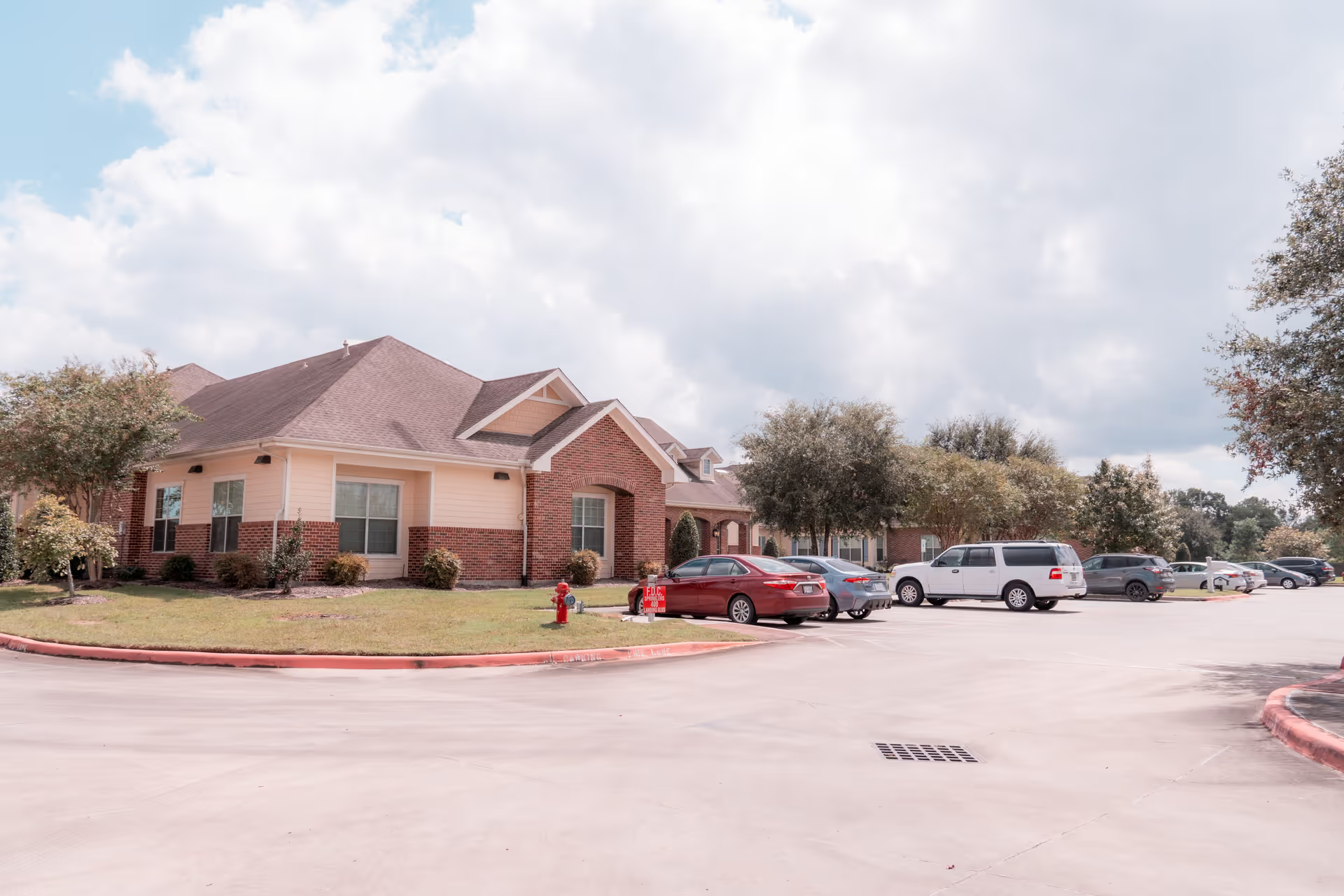
These reviews present a mixed but largely positive picture centered on the quality of direct care and the community’s social offerings. Strengths most often highlighted include compassionate, attentive nurses and CNAs, active involvement from directors of nursing and therapy, and administration that many families describe as responsive during admissions and stays. Several families credited therapy services with measurable mobility gains and appreciated the use of electronic tools for family communication and updates.
Dining and activities are prominent features of the community. Reviewers note a diverse menu, accommodating meal options, and a busy activities calendar that includes resident-focused events (Bingo, BBQs, RC car meetups) and opportunities for outdoor time in a pleasant garden. Physical- and occupational-therapy programs receive specific praise, and the activity staff, including event coordinators, are repeatedly described as engaging and resident-centered.
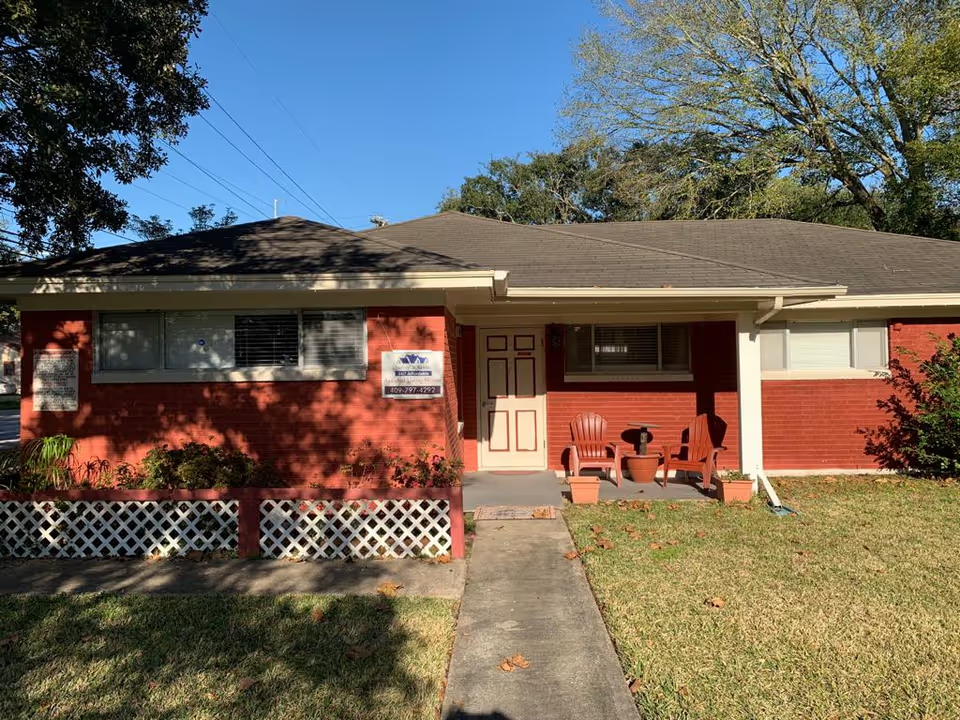
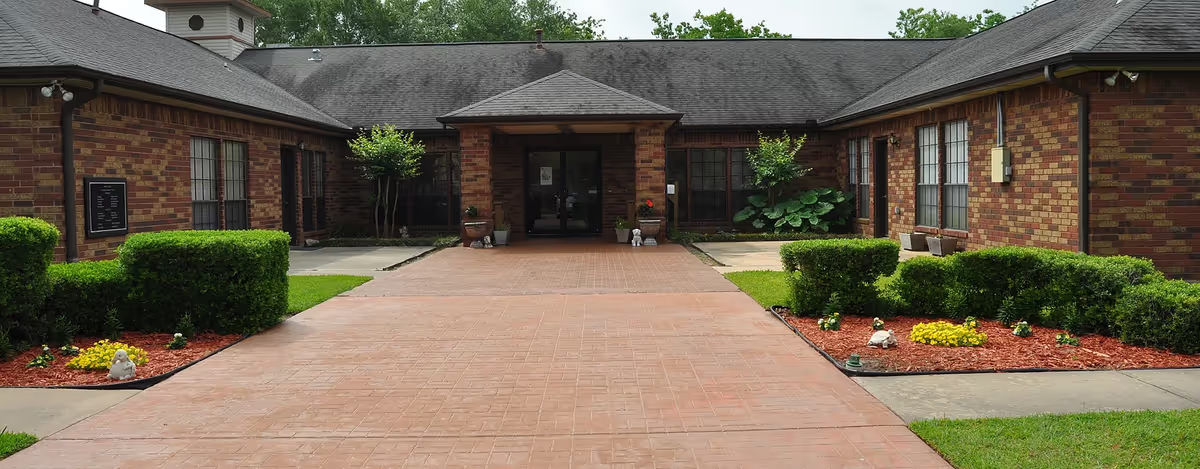
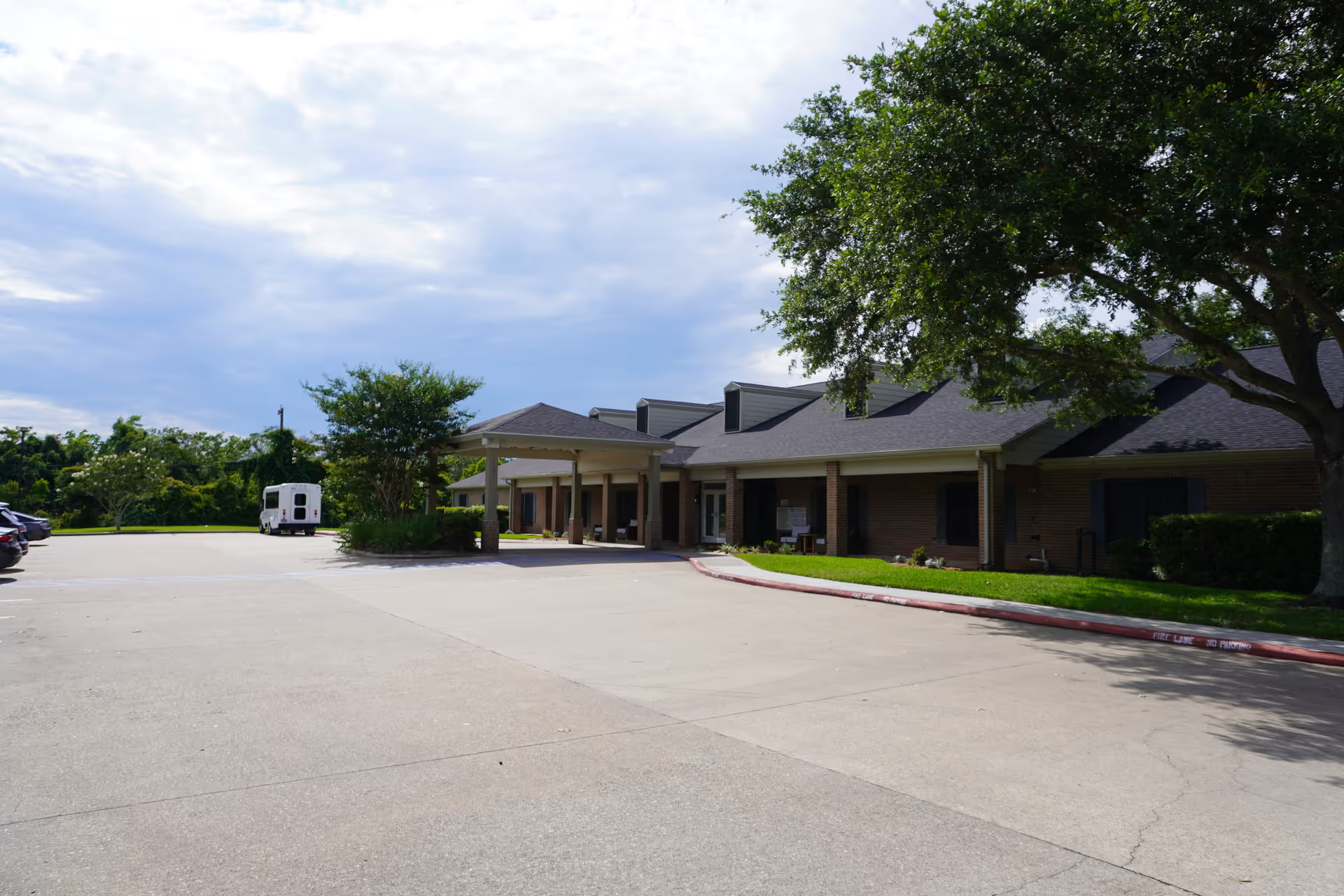
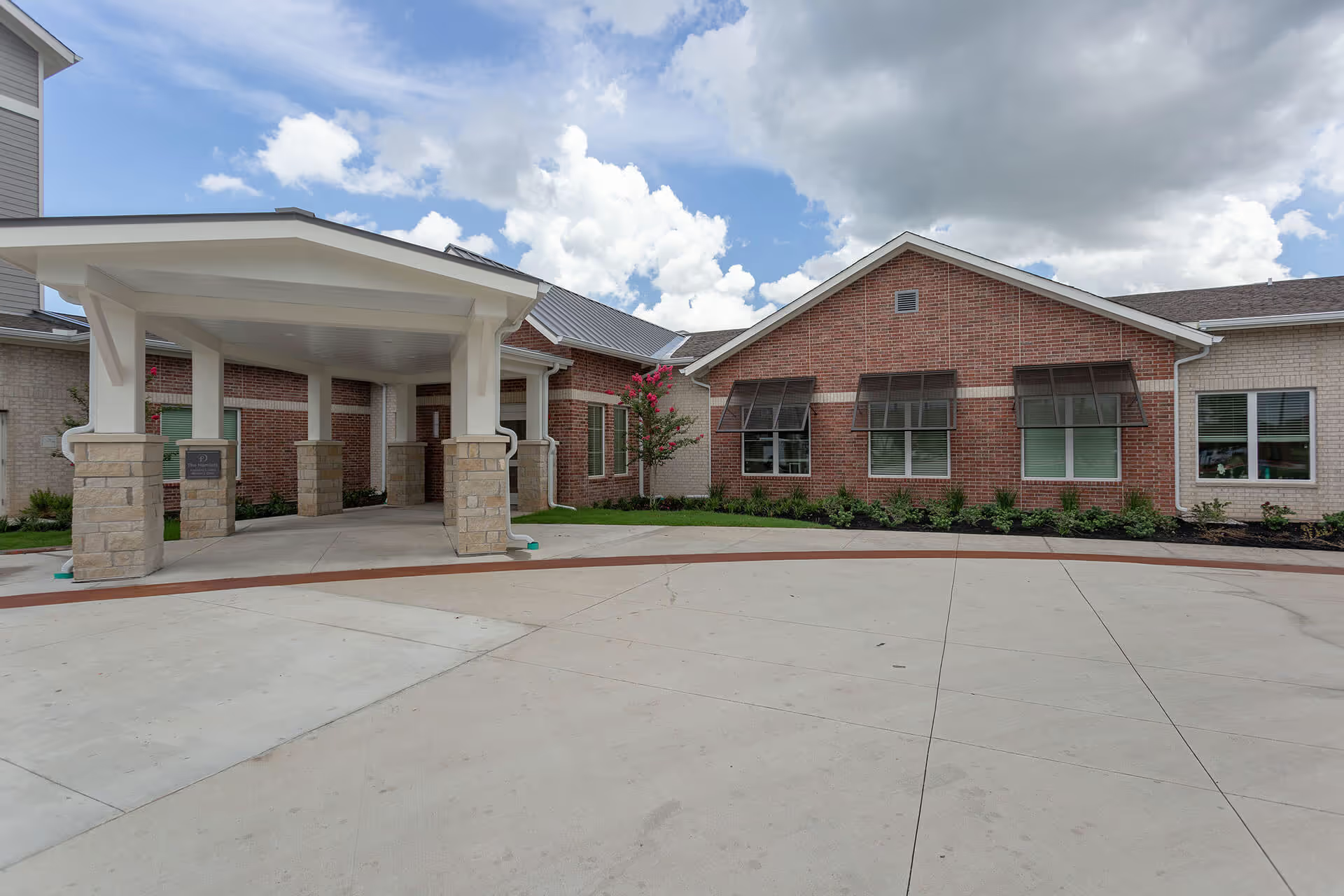
Facility upkeep and atmosphere are generally seen as strengths: many families describe clean, welcoming common areas and rooms, a homelike lobby, and visible housekeeping efforts. Infection-control practices and secure entry/check-in systems are also cited positively. At the same time, some reviewers raised sanitation and odor concerns in specific areas and noted maintenance items such as water leaks and HVAC-related odors that indicate room for facility upkeep improvements.
Operational and management patterns show divergence. While administration is often praised for helpfulness and proactive responses, several reviews point to inconsistent management transparency around placement and visitation decisions — including sudden transfers or restricted access — which families found distressing. Operational weaknesses identified across reviews include variable responsiveness to call systems, inconsistent personal-care scheduling (for example, delayed showers), and occasional concerns about staff conduct and bedside manner. A small but meaningful set of comments also raise questions about meal temperature and overall consistency of food quality, and isolated safety concerns (including falls) suggest opportunities to strengthen fall-prevention and transfer protocols.
For prospective residents and families: weigh the facility’s evident strengths in compassionate caregiving, therapy, activities, and community atmosphere against the operational inconsistencies some families experienced. Recommended topics to address on a visit include staffing ratios and turnover, call-response times, bathing and personal-care schedules, meal service processes (including temperature control), fall-prevention protocols, maintenance history, and the facility’s policies on visitation and placement decisions. These targeted questions can help validate the positive attributes while clarifying whether the noted operational concerns have been addressed.