Overall impression Kane County Hospital appears to deliver solid clinical care for many common and urgent needs. Reviewers frequently highlight compassionate, attentive nurses and ancillary teams (CT, radiology, lab), accessible same‑day imaging, and clinicians who explain diagnoses and treatment options clearly. The facility’s dietitian services and practical nutrition counseling also receive consistent praise. For families seeking convenient, local acute care or post-procedure follow-up, the hospital’s staff accessibility and after‑hours capabilities are commonly appreciated.
Care quality and clinical staff Clinical competence is a repeated strength: physicians, PAs, and nurses are often described as knowledgeable, thorough in testing, and effective in symptom relief and wound/minor-procedure care. Several accounts praise same-day ultrasounds, rapid diagnostics, and the ability to access outside records to solve problems promptly. That said, a subset of reviewers described significant communication and clinical errors (for example, mischarting or diagnostic issues); these accounts are not the dominant impression but are notable because of their potential clinical impact. Bedside manner is uneven—while many staff are characterized as compassionate and nonjudgmental, other reviewers describe clinicians with a brusque or condescending tone.
Emergency department operations and logistics The ED is often seen as efficient for straightforward acute needs, including quick stitching, wound care, and antibiotic treatment. However, reviewers also mention variable wait times, periodic understaffing, and delays in pain‑medication administration or test-result availability. These operational inconsistencies can extend length of stay and increase anxiety for patients and families. For urgent transfers or higher-acuity cases, some reviewers suggested confirming transfer protocols and alternatives in advance.
Administration, billing, and management Administrative and billing processes emerge as a recurrent concern. Complaints include improper charges, delayed or unsuccessful insurance submissions, long hold times for administrative inquiries, and perceived lack of transparency about transport or ancillary fees. One reviewer escalated a billing dispute to the point of potential legal action; this represents an isolated but serious allegation that families should be aware of. Several reviewers also described unfriendly or unhelpful administrative interactions, contributing to a perception that financial/management priorities sometimes overshadow patient experience.
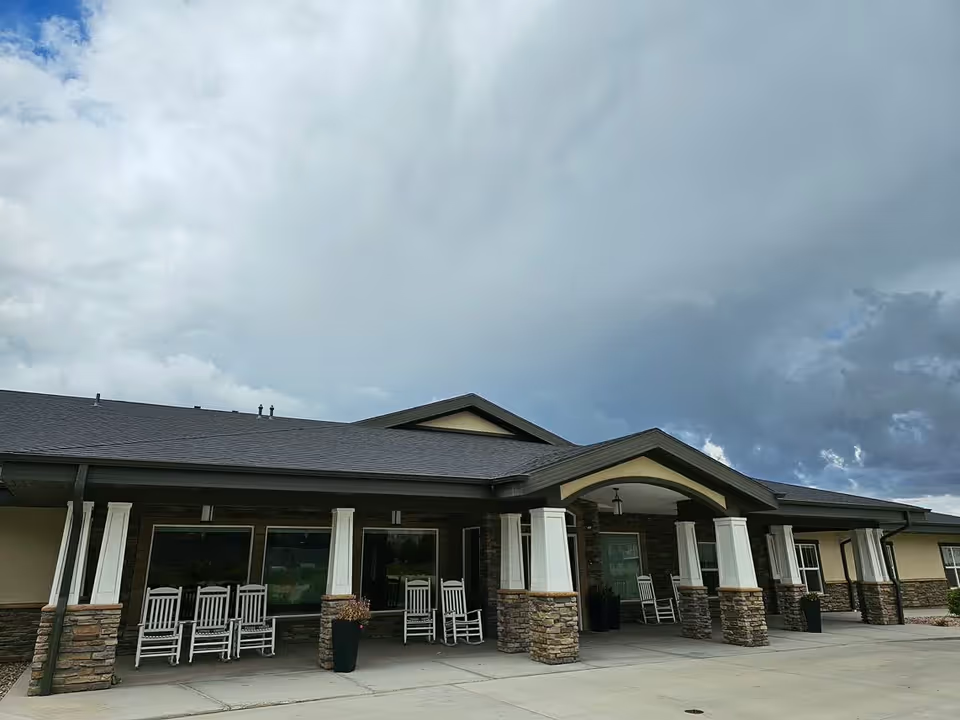
Facilities, dining, and activities Most comments about the physical facility are positive: reviewers describe the hospital as clean, well maintained, and appropriate for a small, local institution. There is limited information about dining, organized activities, or extended-stay amenities in the available feedback; when nutrition is mentioned it is in the context of individualized dietitian counseling, which receives favorable remarks. Prospective patients seeking in-depth information on accommodations, meal service, or nonclinical programming should inquire directly with the facility.
Notable patterns and practical takeaways Strengths cluster around bedside nursing care, diagnostic/imaging access, and supportive ancillary services (radiology, lab, dietitian). Weaknesses are primarily operational: inconsistent clinician bedside manner, communication and follow‑up gaps, uneven ED throughput, and administrative/billing transparency problems. Prospective patients and families may benefit from confirming billing policies, asking for itemized charges, clarifying expected test-result turnaround times, and identifying preferred clinicians when possible. For routine acute issues and local convenience, the hospital is a practical option; for complex diagnostic scenarios or when administrative certainty is critical, some families may want to prepare additional safeguards (detailed documentation, insurance verification, and explicit follow-up plans).