The reviews present a mixed but broadly consistent picture: Fairmont Crossing Health and Rehabilitation is frequently praised for its clinical strengths and the compassion of frontline staff, while operational inconsistencies—especially around food service, responsiveness, and billing—emerge as common concerns.
Care quality and clinical services are areas of relative strength. Multiple accounts describe effective short-term and subacute rehabilitation, with physical and speech therapy producing measurable gains for some residents. Families also highlighted competent nursing care, professional clinical staff, on-call physician arrangements, and supportive hospice services. The facility's student-training component was noted as contributing to an active learning environment and additional caregiver attention.
Staff temperament and culture are often cited positively: reviewers describe caring, respectful, and attentive interactions that create a home-like and safe atmosphere. At the same time, there is variability in staff engagement and responsiveness. Several comments indicate delays in answering call lights or returning family inquiries, and some reviewers experienced administrative runaround when seeking clarifications. These patterns suggest uneven operational consistency rather than uniformly poor conduct.
Dining is a polarized area. Some residents and families reported pleasant, tasty meals and appreciated menu items, while others described overcooked or unappealing dishes, small portions, and concerns about food preparation standards. The presence or absence of a traditional dining-room experience was also noted. Taken together, these comments point to inconsistent meal-service execution and periodic sanitation or odor-control issues linked to dining rather than a single pervasive failure.
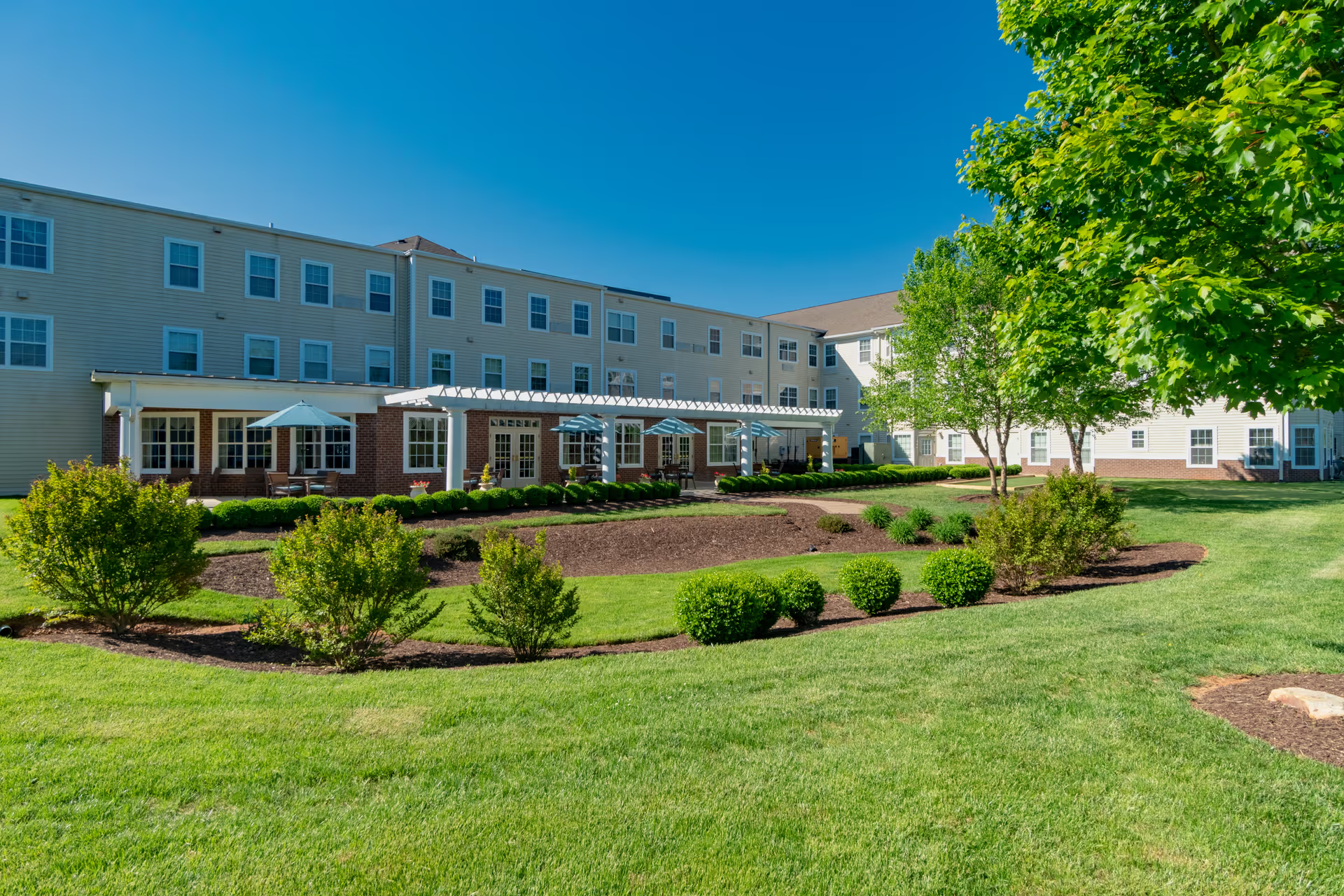
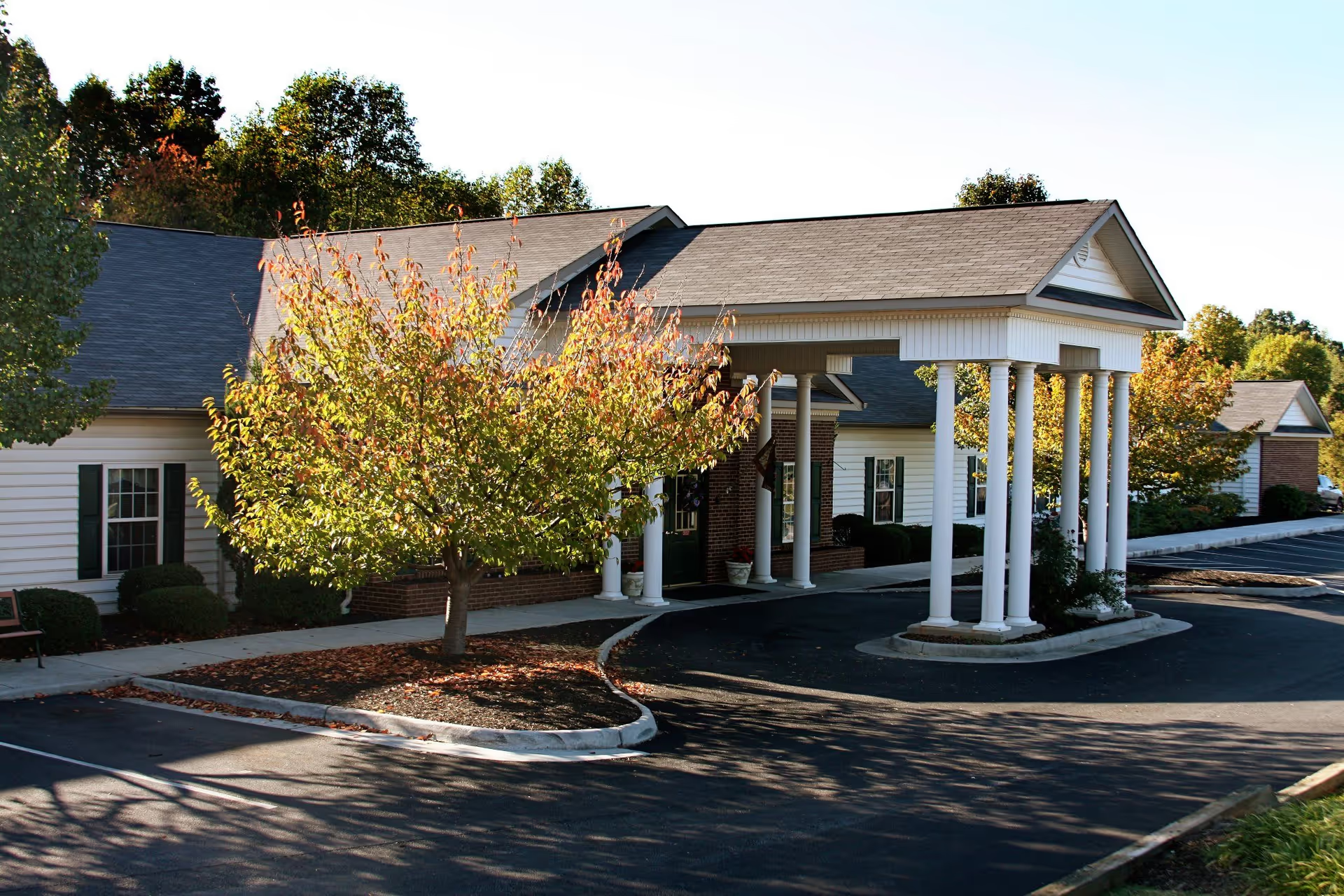
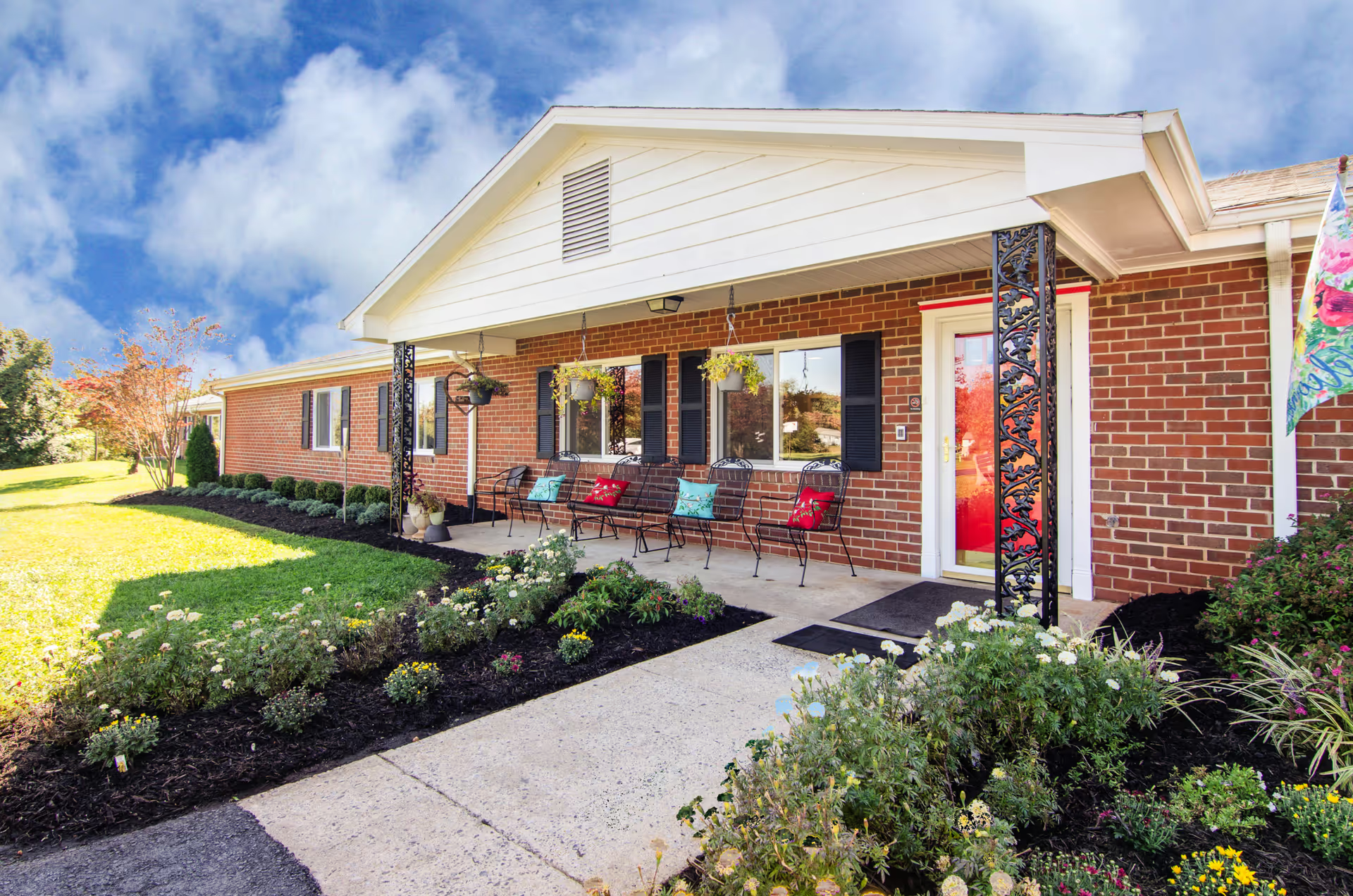
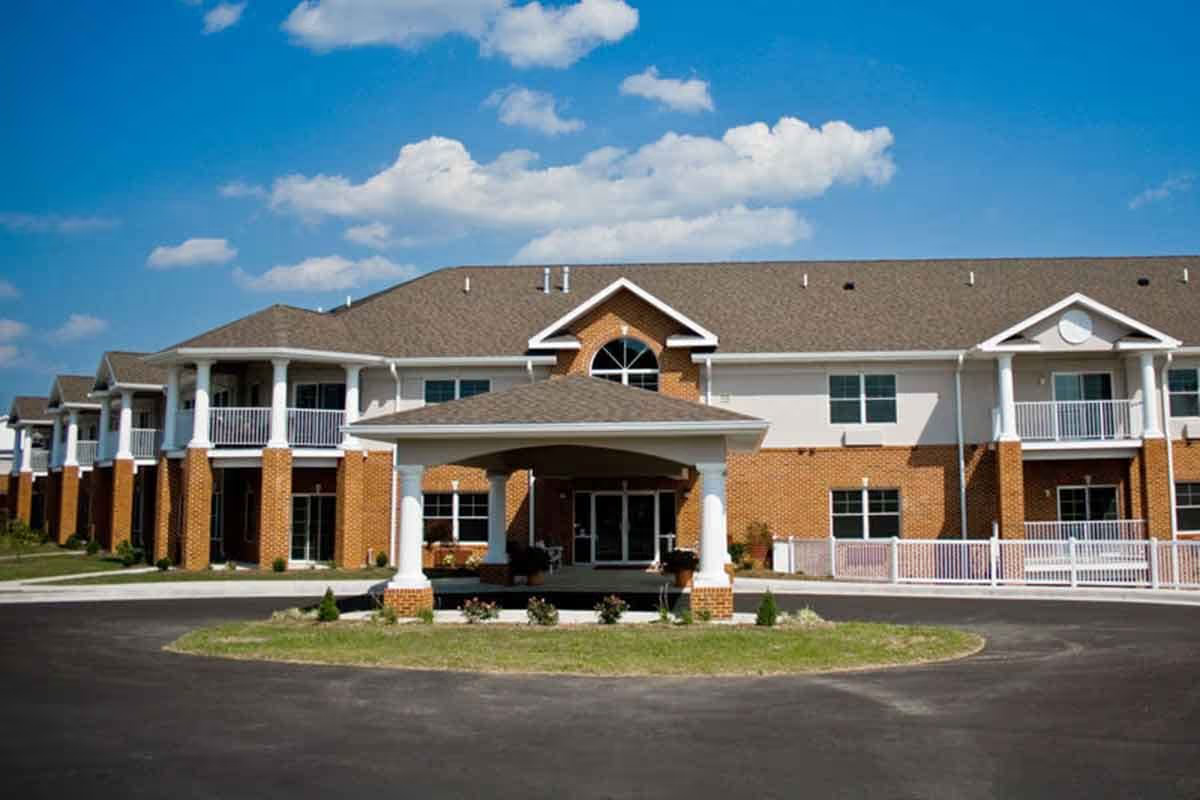
Activities and the physical environment receive largely favorable remarks. The facility is described as clean, well-maintained, and without an institutional odor, with regular social and recreational programming (bingo, rec events, and other engagement opportunities). These aspects contribute to a more residential feel and support psychosocial well-being for many residents.
Management and administrative practices are an area where prospective families should exercise caution. Common themes include unclear billing, delays in administrative responses, and occasional governance or power-of-attorney disputes. A few reviewers raised more serious placement- or governance-related concerns. While these appear to be less frequent than the positive clinical reports, they are significant because they affect families' trust and financial planning.
Overall, Fairmont Crossing appears to be a facility that delivers competent clinical and rehabilitative care with many compassionate staff members and a generally clean, activity-oriented environment. However, unevenness in responsiveness, meal-service quality, and administrative transparency are recurring operational issues. Prospective residents and their families would benefit from targeted questions during a tour: ask about call-response times, meal menus and kitchen staffing, detailed therapy plans and expected intensity, billing practices and point-of-contact for financial questions, and how placement suitability is assessed and communicated.