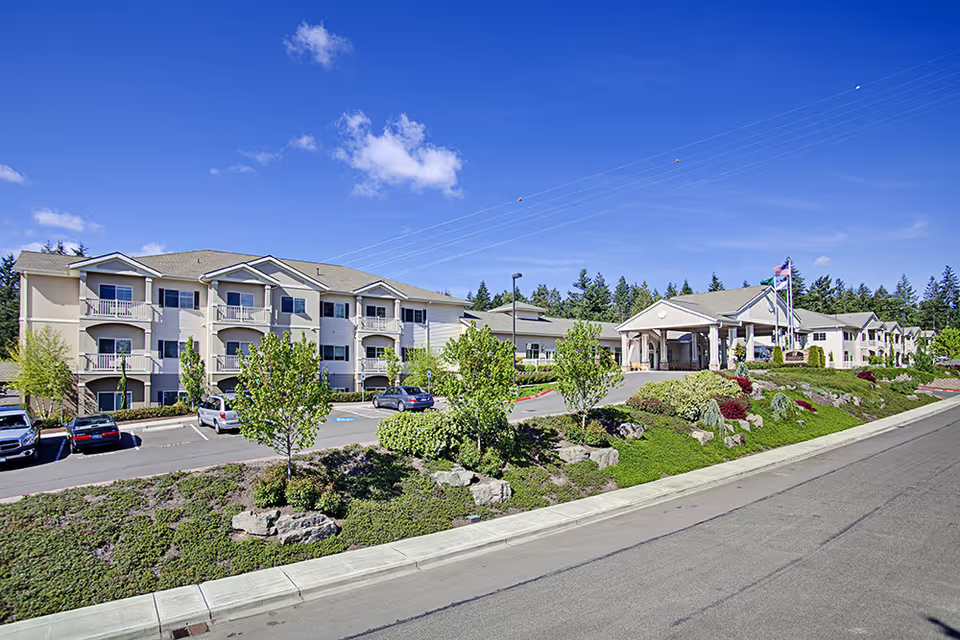
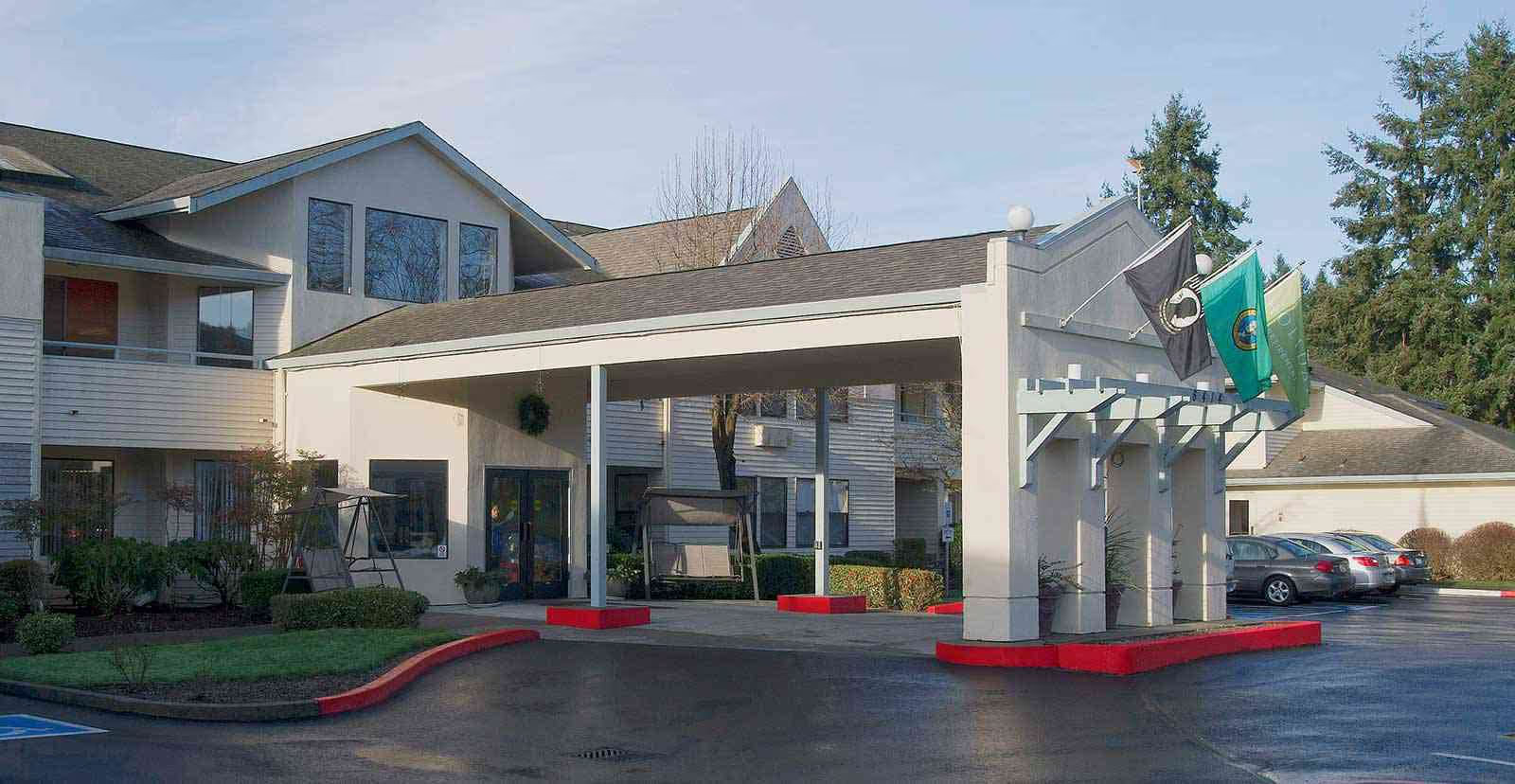
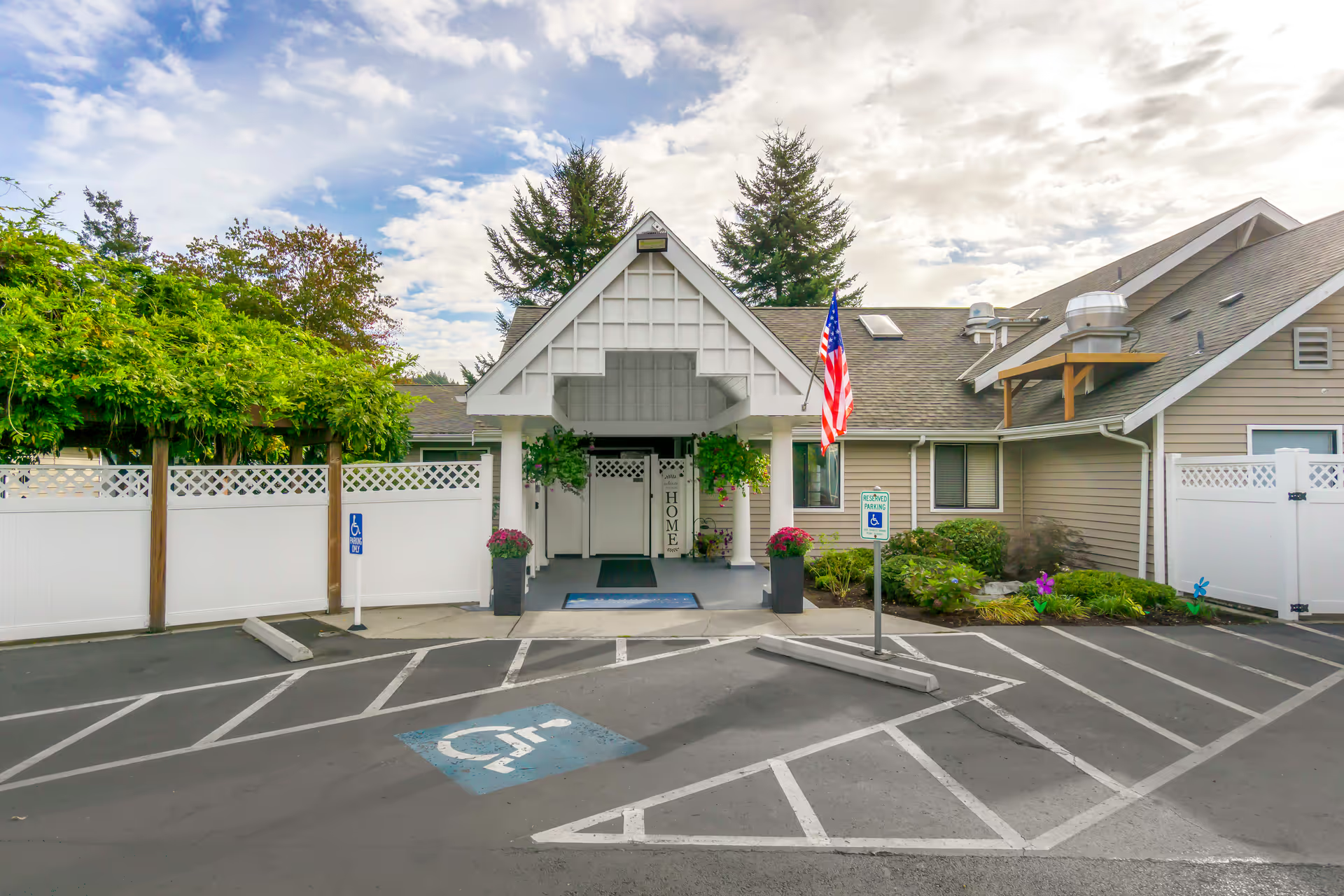
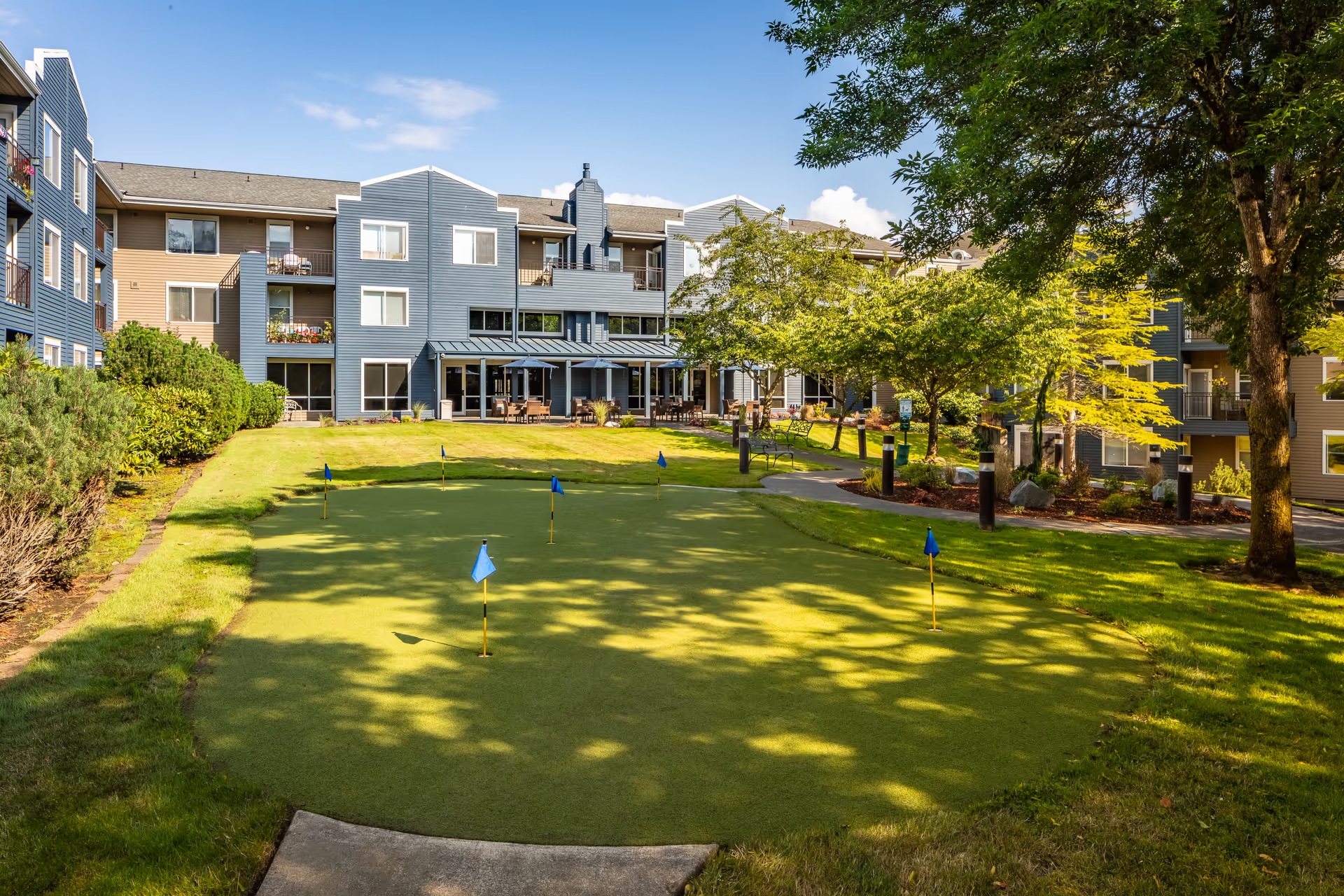
Reviews of Manor Care of Gig Harbor present a mixed picture with distinct areas of strength alongside recurring operational concerns. Many observers praised the front-line caregiving team as friendly, professional, and attentive; several accounts describe staff who provide person-centered interactions, keep rooms and public areas well maintained, and support residents with daily needs. The facility offers a robust activity calendar — weekly happy hours, music, bingo, and seasonal parties — and on-site amenities that include physical therapy/rehab services and a hair salon. Reviewers also highlighted the advantage of having both rehab and long-term care options in the same building and noted that dining is often geared to resident preferences and dietary needs.
At the same time, a pattern of inconsistent care quality is evident across multiple comments. Families and visitors described episodes of delayed or omitted personal-care tasks (for example, irregular bathing schedules and sheet changes), missed feeding assistance, and treatment gaps that contributed to concerns about overall responsiveness. Staffing shortages and perceived overcrowding were cited as contributing factors to these inconsistencies. Several reviews expressed particular concern about dementia care, noting limited staff availability to accompany or supervise cognitively impaired residents and gaps in protocols for patients who need escorting to appointments.
Operational issues extend beyond direct care. Multiple reviewers reported sanitation and housekeeping lapses in portions of the facility, alongside examples of late or undercooked meals and inconsistent meal-service continuity. A subset of comments identified weaknesses in transfer and mobility-safety practices and described events that suggest opportunities to strengthen training and fall-prevention protocols. Medication-administration and documentation practices were also questioned in a few accounts, and there were mentions of bruises, infections, and other clinical concerns that underline the need for tighter clinical oversight.
Management and communication emerged as a notable area of variability. While some families described a collaborative administrative team and responsive staff, others cited poor communication, unprofessional administrative interactions, delayed administrative follow-through (including financial or settlement actions), and case-specific problems such as loss of personal belongings and transportation mishaps. There are also allegations related to end-of-life care and diagnostic accuracy in isolated but serious accounts, which highlight the importance of transparent incident reporting and family communication following critical events.
For prospective residents and families: a visit focused on direct observation is advised. Ask about current staffing ratios (day/night), dementia-care protocols and supervision plans, transfer-training and fall-prevention procedures, medication-administration safeguards, housekeeping schedules, and the facility’s process for securing and documenting personal belongings. Observe meal service and dining routines, review the activity calendar, and request examples of clinical communication and incident-response procedures. The facility offers clear strengths in amenities, rehabilitation services, and social programming, but families should obtain specific, up-to-date information about staffing and operational safeguards before making a placement decision.