The reviews present a mixed picture of care at this facility. Multiple accounts highlight compassionate caregivers, strong individual relationships between staff and residents, and positive experiences with certain clinical leaders and social-work support. A number of families described successful rehabilitation outcomes, a clean and maintained public environment, and useful on-site amenities such as a central dining room, chapel services, coffee, and apartment kitchenettes.
However, an important pattern in the feedback centers on staffing and responsiveness. Reviewers describe inconsistent staffing levels, long wait times for assistance, and delays in responding to call lights and other requests. These operational constraints are linked in several accounts to missed or delayed personal-care tasks, incomplete bathing/grooming assistance, and delayed medication administration, which in turn generated concern about clinical oversight and medication-management processes.
Comments about staff behavior are mixed: some families praised individual caregivers as attentive and compassionate, while others reported concerns about communication tone, rudeness, or inattentiveness on particular shifts. This variability appears correlated with staffing pressures and shift-to-shift inconsistency rather than universal culture; leadership responsiveness was described as strong in some cases and insufficient in others. There are also recurring remarks about management-level problems, including inconsistent family communication, billing issues, and coordination around discharge or medication changes.
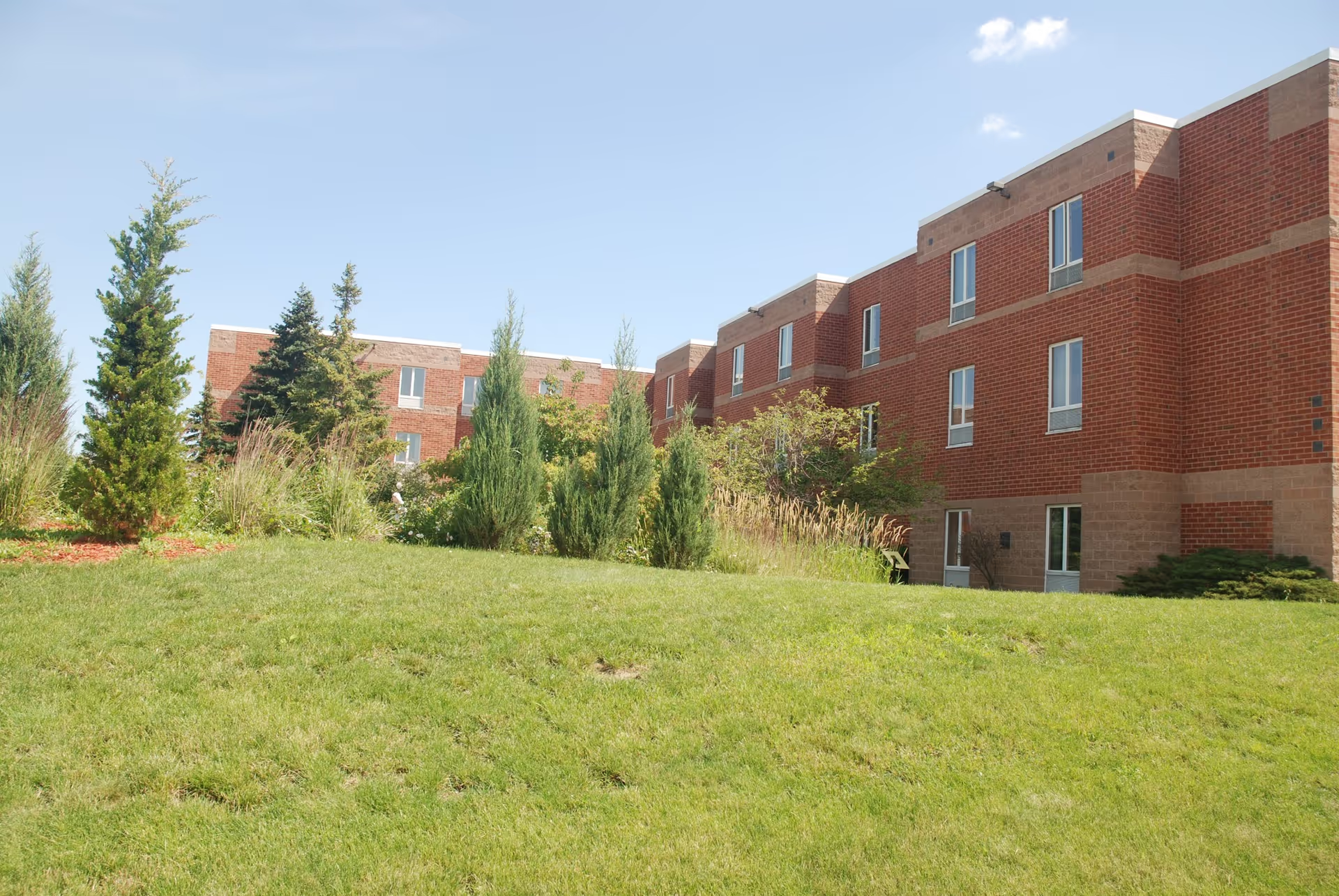
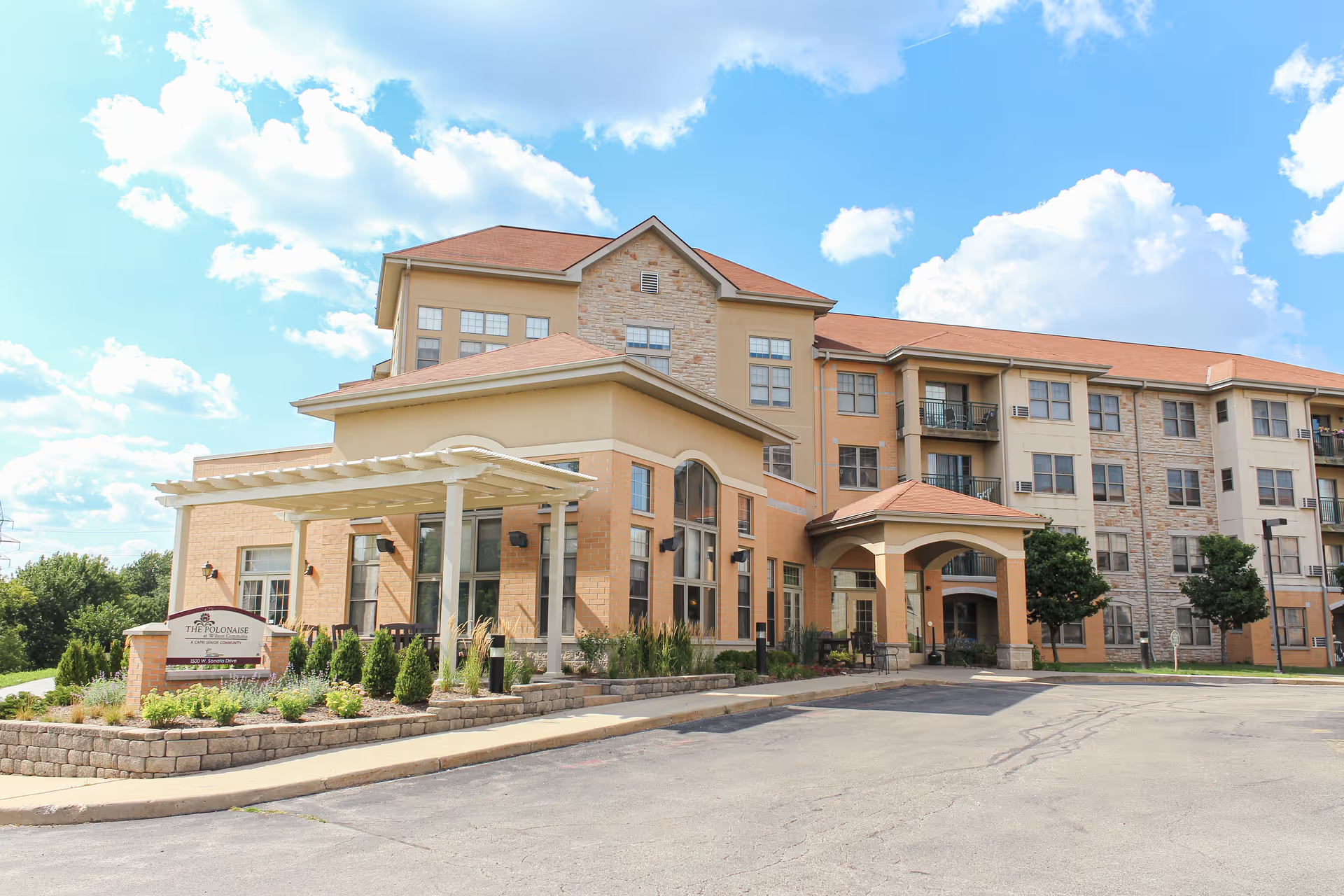
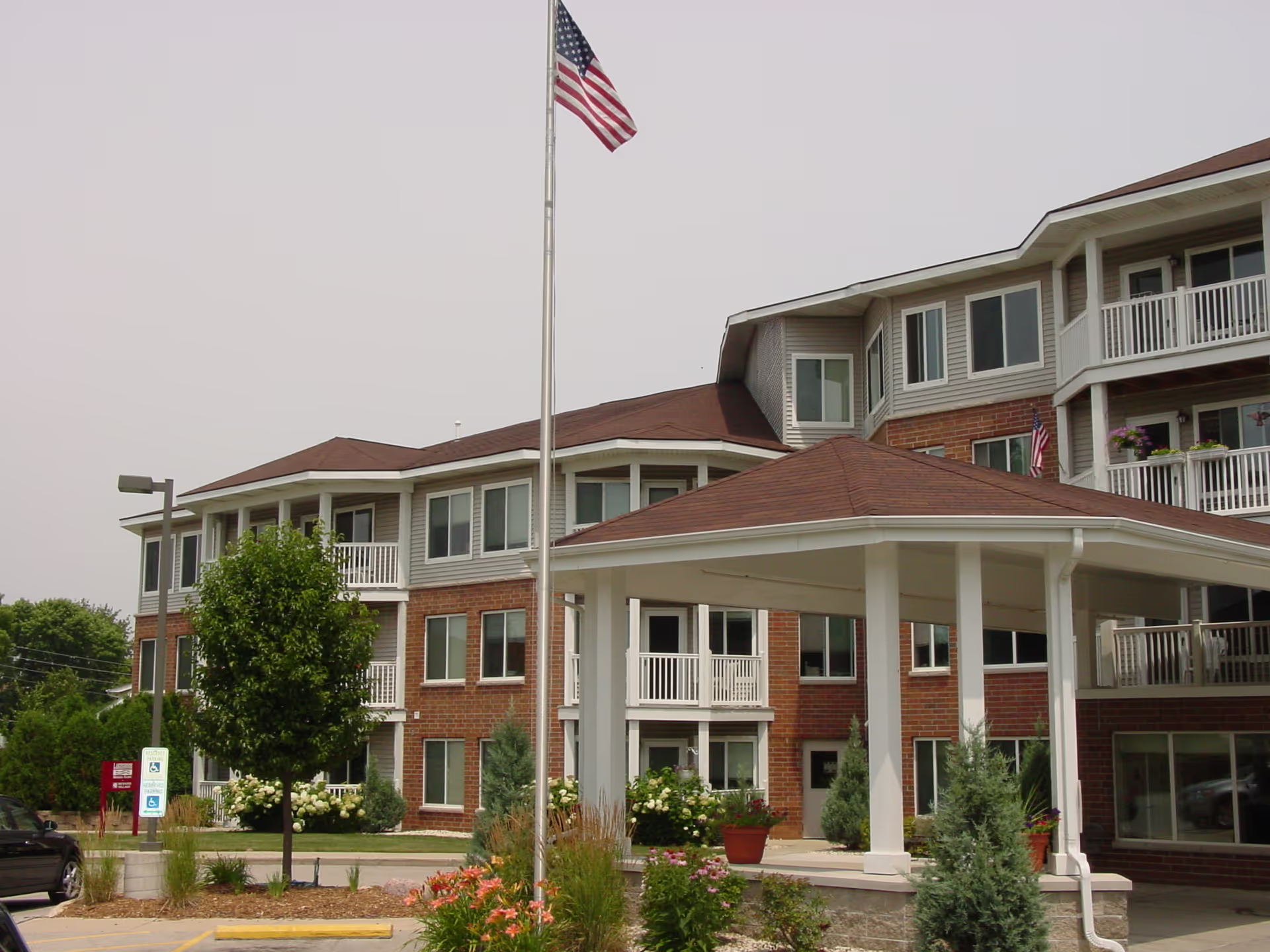
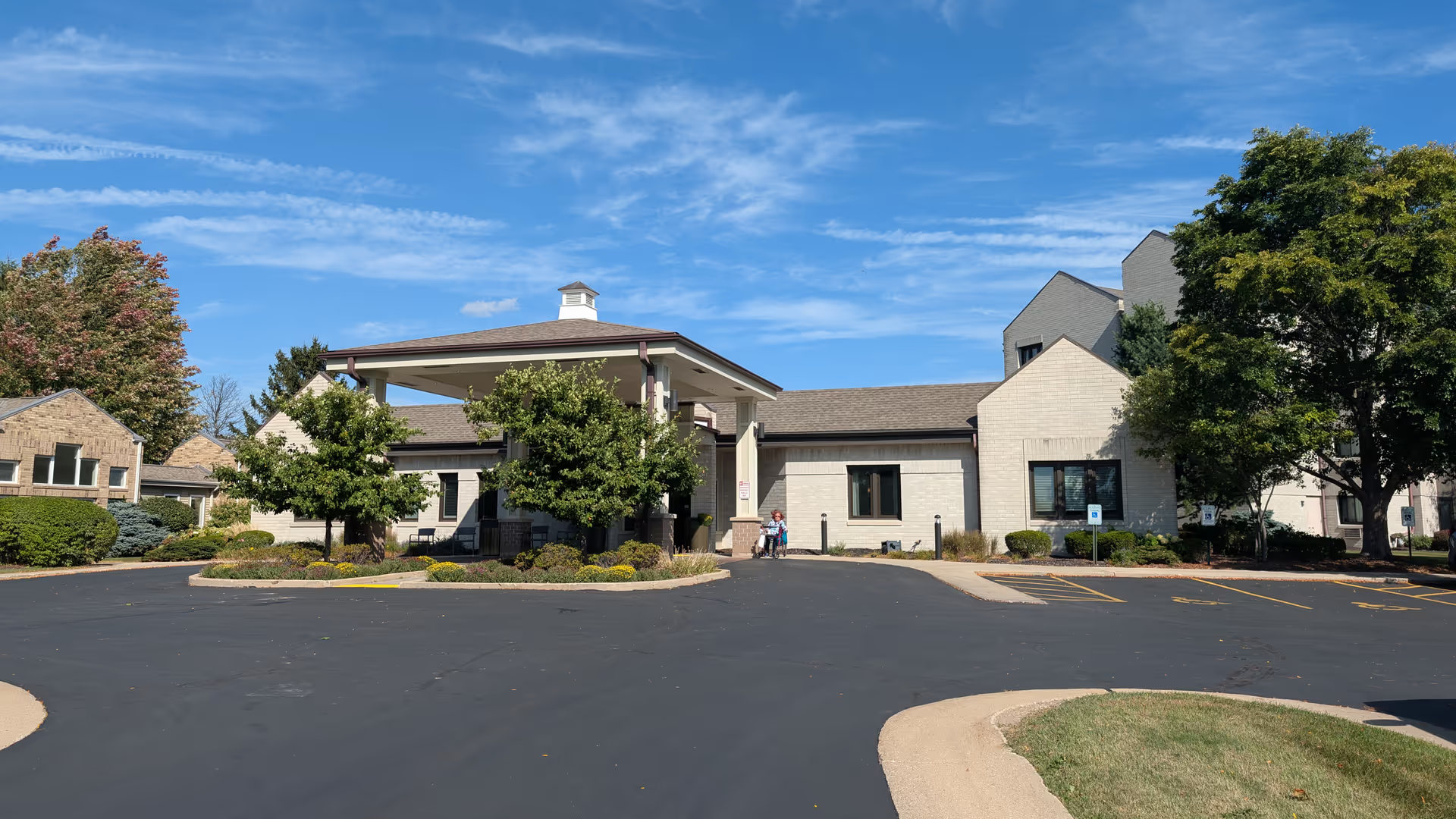
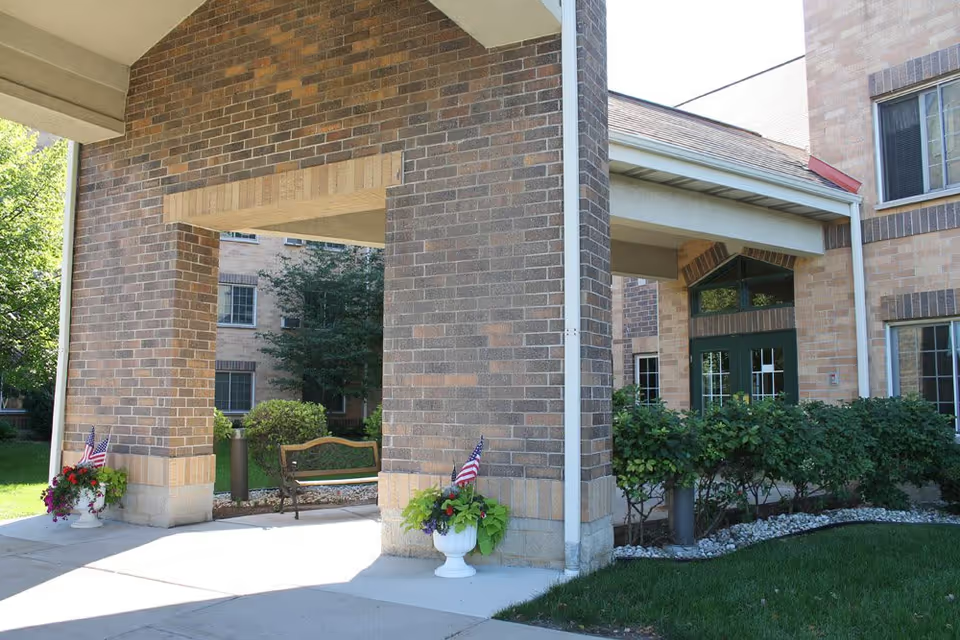
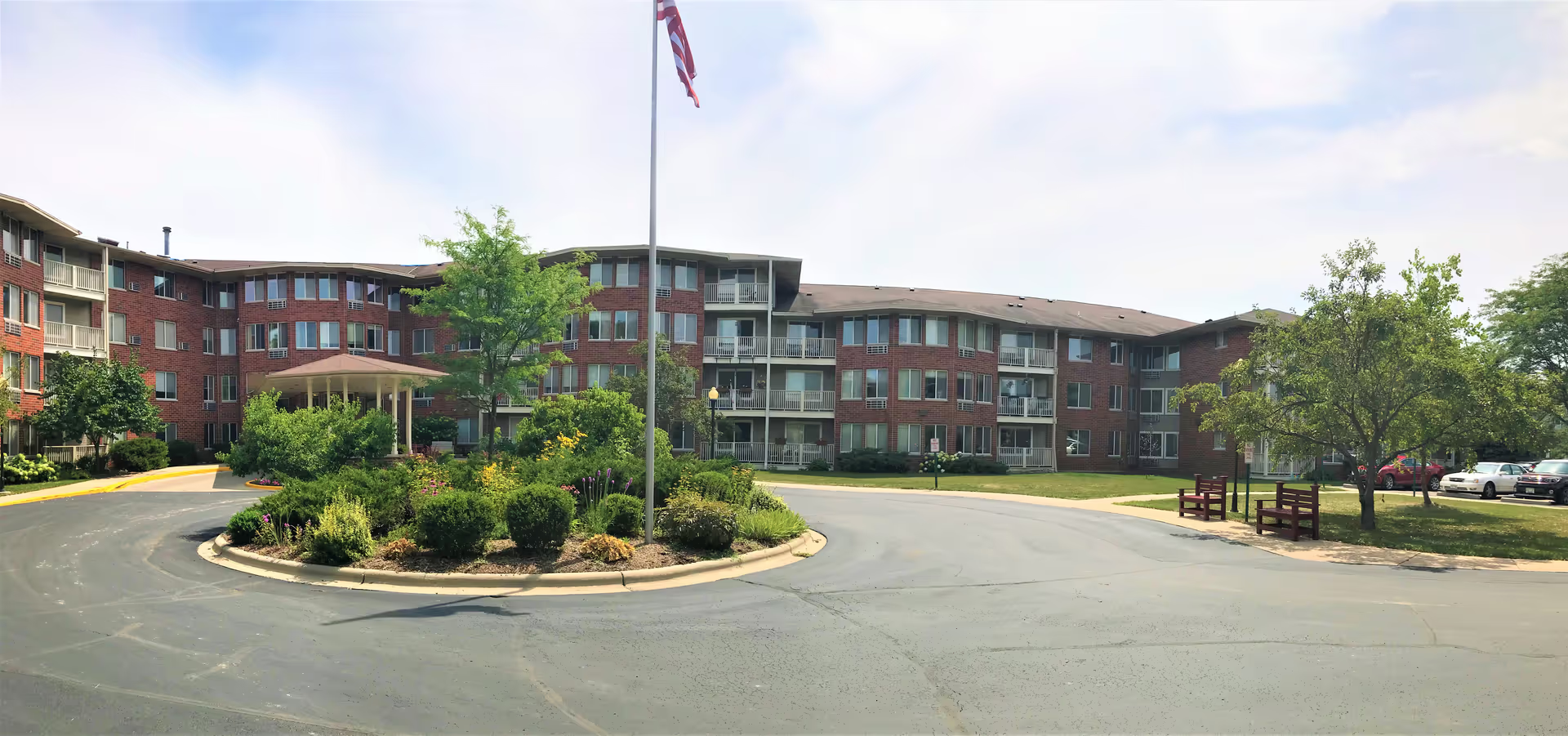
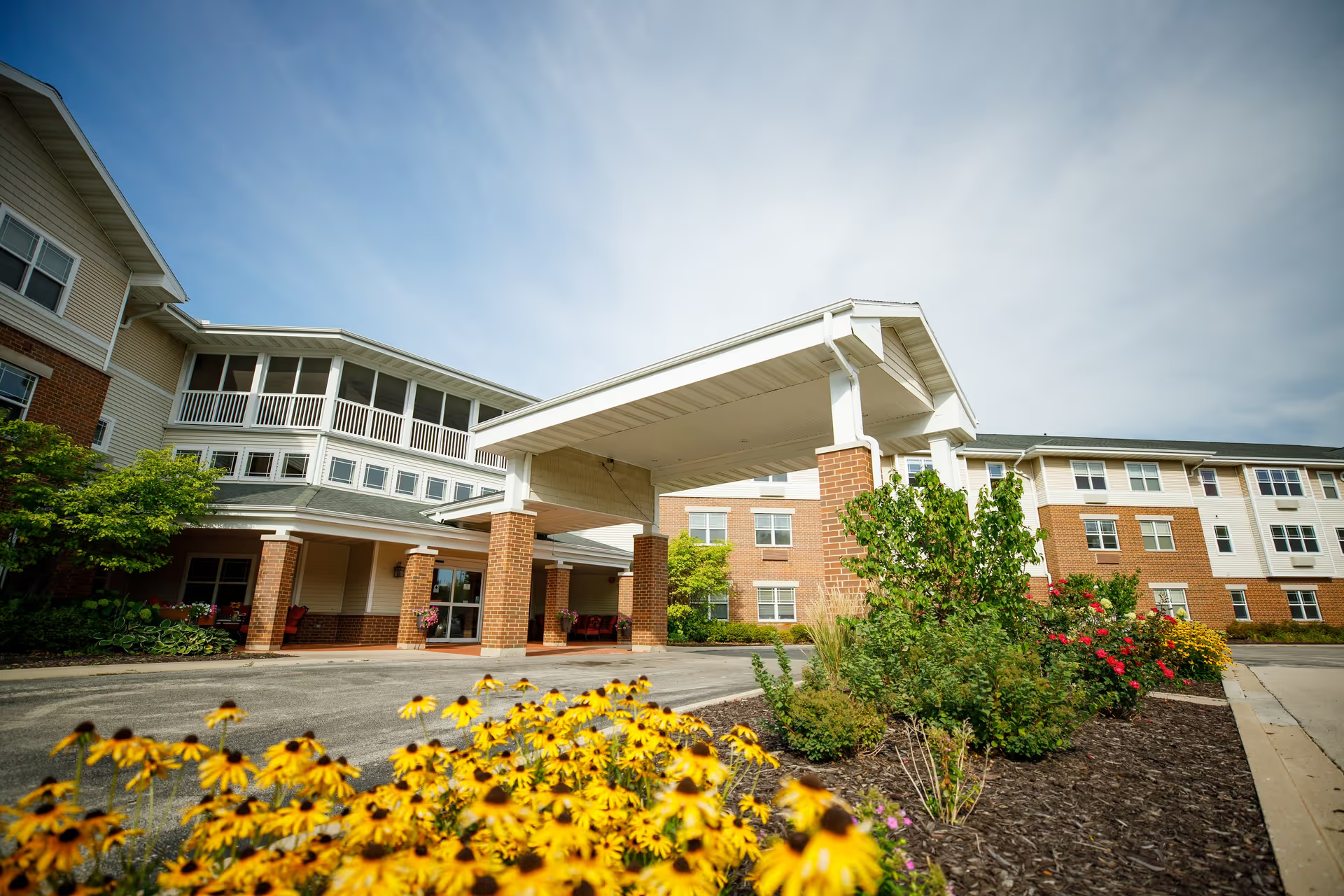
Facility and amenities feedback shows strengths and weaknesses. Several reviewers praised common-area cleanliness and rehabilitation spaces, but others noted sanitation issues in specific halls and outdated resident-room furnishings and technology (older beds, TVs, and poor internet). Dining capacity and meal presentation were also variable: the central dining area is an asset, but capacity and meal quality were described as inconsistent by families.
Therapy and activities drew divergent experiences. Some residents received effective, focused rehabilitation and positive therapy interactions; others described limited therapy hours, minimal exercise programming, or services that did not meet expectations compared with hospital therapy. Activity offerings and engagement also appeared uneven.
Safety and security concerns were cited in multiple accounts, including delays in incident response and questions about controls for medications and resident valuables. A few reviews referenced serious clinical events and concerns following a resident's death; these accounts emphasize the need for clear communication and stronger clinical oversight in complex cases.
In sum, prospective residents and families should weigh the facility's clear strengths—individual compassionate caregivers, certain successful rehab experiences, and on-site amenities—against recurring operational weaknesses: inconsistent staffing and responsiveness, variability in clinical management and therapy intensity, some cleanliness and décor shortfalls, and management/communication gaps. Visiting in person, meeting key care leaders, reviewing staffing patterns for the unit of interest, and asking for recent inspection or quality metrics would help assess whether the facility's current performance matches a family's needs and expectations.