Overall impression: Reviews for this facility are polarized. A substantial number of families and patients praise the rehabilitation services and caregiving staff, while other accounts raise serious operational and safety concerns. The facility appears capable of delivering strong clinical rehabilitation outcomes but also shows variability in basic care processes and communication.
Care quality: Therapy services are a clear strength — reviewers consistently cite effective physical and occupational therapy, including successful stroke rehabilitation and progress from wheelchair to walker. Many families credited the therapy team with meaningful functional recovery. At the same time, there are documented lapses in clinical processes: medication-administration errors and delays, gaps in wound-care and infection-management practices, and inconsistent personal-care routines (for example, bathing and incontinence-related support). Those operational weaknesses have, in some accounts, coincided with adverse clinical events and eroded family trust.
Staff and culture: Staff behavior and culture are described in mixed terms. Numerous comments highlight compassionate, attentive nurses, CNAs, therapists, and a welcoming admissions/front-desk experience; many families described a warm, family-like, faith-centered environment and praised proactive administrators who encourage feedback. Conversely, other reports cite concerns about staff conduct and resident safety, including allegations of inappropriate interactions and loss or mishandling of personal items. Short staffing was also mentioned as a factor that may undermine consistency of care.
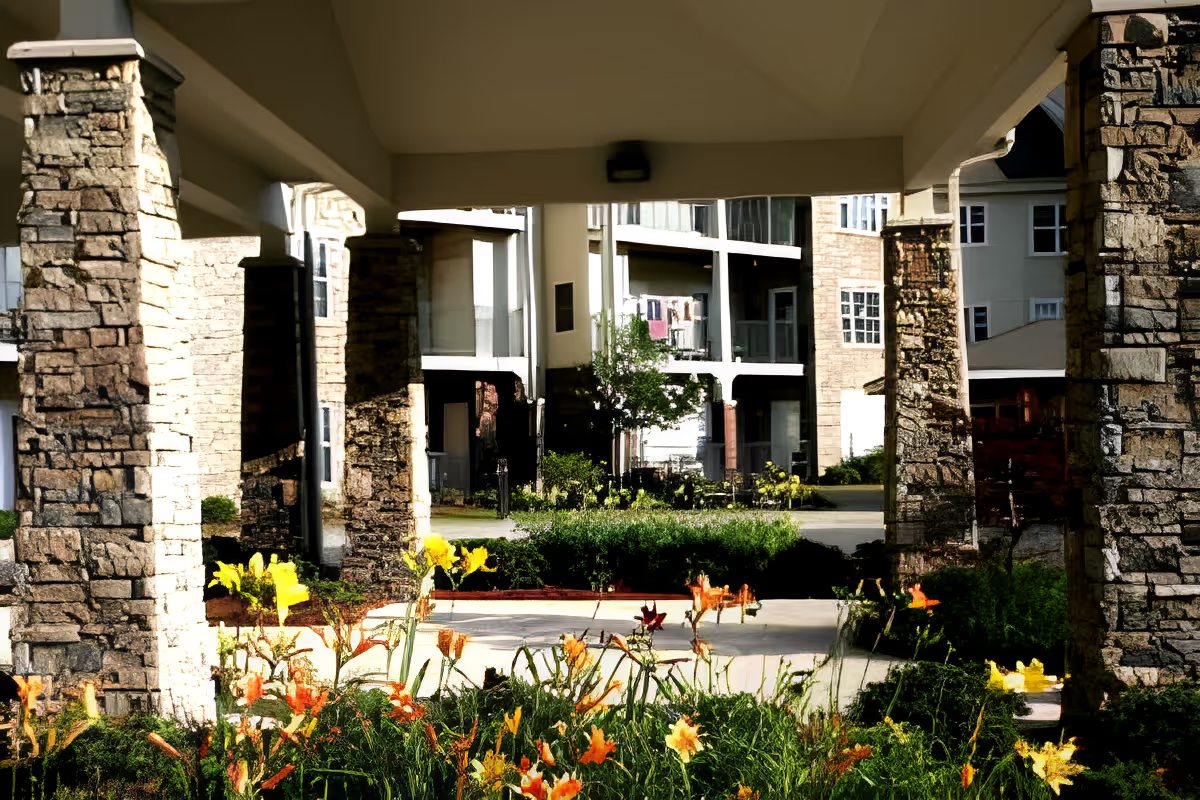
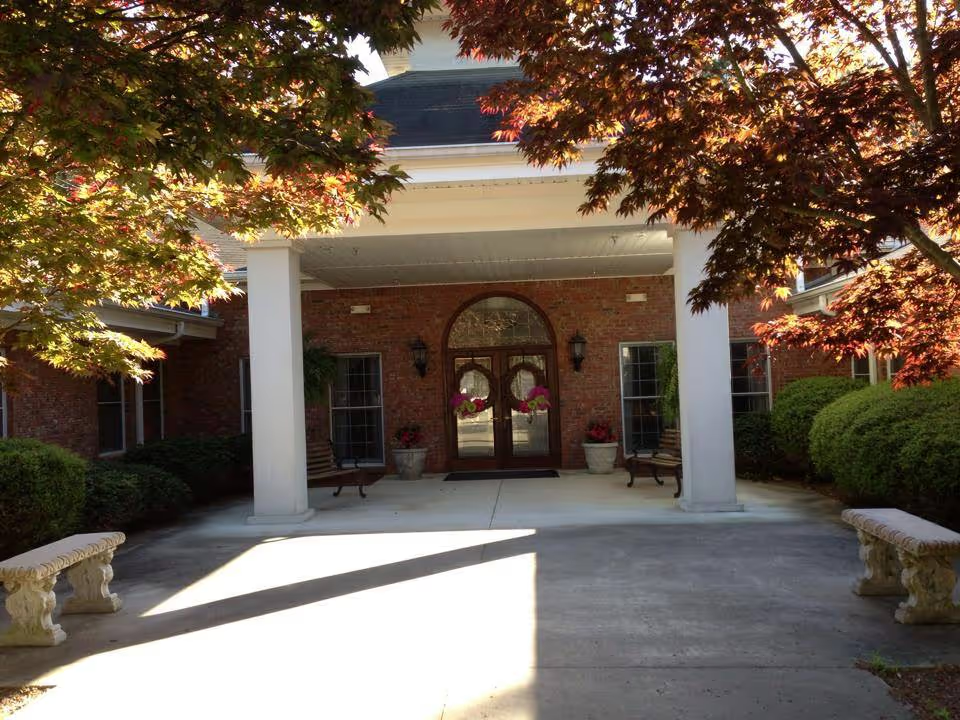
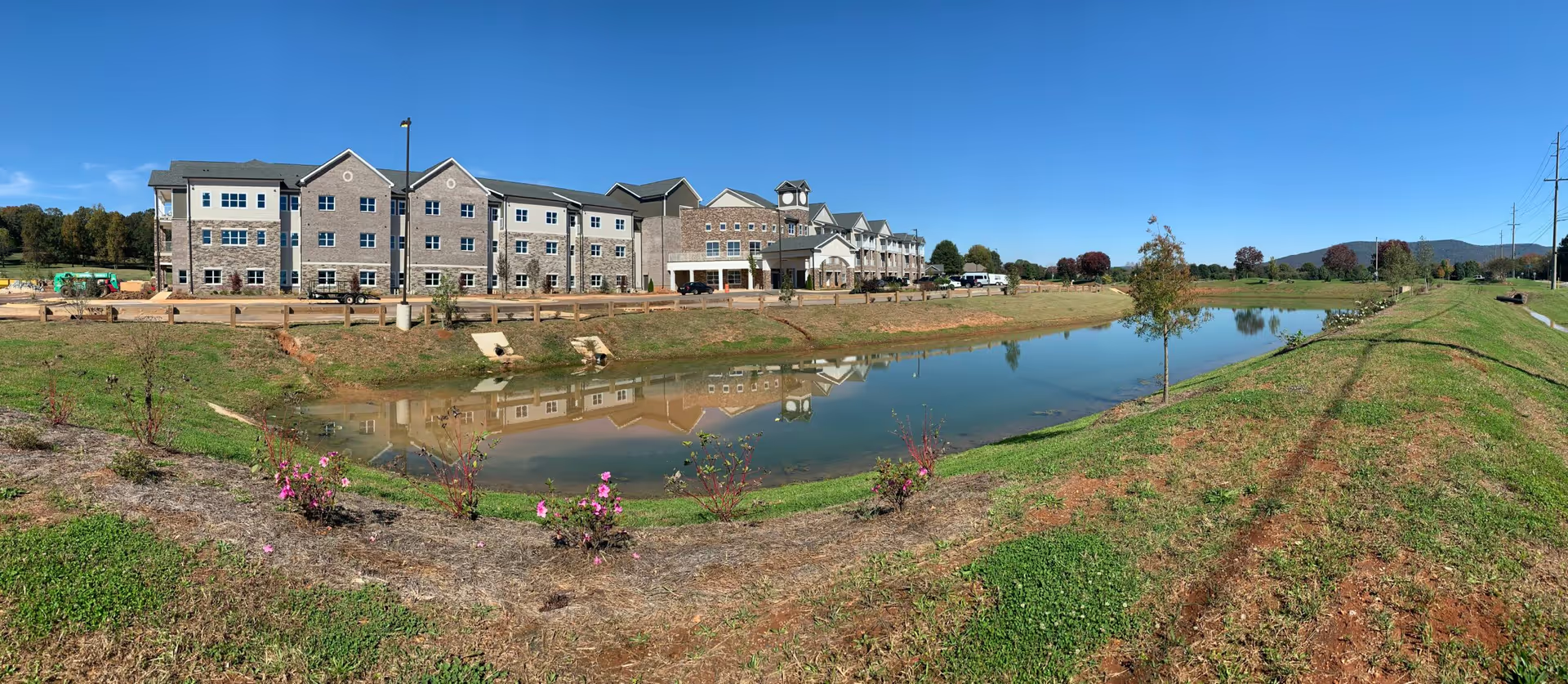
Dining, activities, and environment: Dining quality appears inconsistent — some reviewers criticized meal palatability and consistency, while others did not raise concerns. Activities are not heavily detailed in the feedback set, though the rehabilitative focus and close-knit staff–resident relationships suggest opportunities for engagement tied to therapy. The facility is often described as well maintained and clean in many areas, with a pleasant interior; however, localized odor and sanitation concerns were also raised, indicating uneven housekeeping performance across units or shifts.
Facilities and management: Physical facilities and therapy spaces receive positive comments. Management receives mixed evaluations: some families praised a visible, open-door administrative style and responsiveness, while other reviews called for stronger oversight and even investigation into serious incidents. Communication and incident response show variability — families noted gaps in timely updates and coordination after clinical events or transitions of care.
Notable patterns and considerations for families: The dominant positive theme is high-quality rehabilitation delivered by skilled therapists and generally compassionate caregiving staff. The dominant negative themes are operational: medication management, wound/infection controls, personal-hygiene consistency, property security, and communication during incidents. Prospective residents and families should weigh the facility's rehabilitative strengths against these operational concerns, ask for recent quality metrics (medication error rates, infection-control audits, staffing levels), and clarify policies on personal-item security and visitation. Visiting in person, speaking with the therapy team, and reviewing the facility's incident-response and family-communication protocols are advisable to assess whether the facility's strengths align with individual needs.